


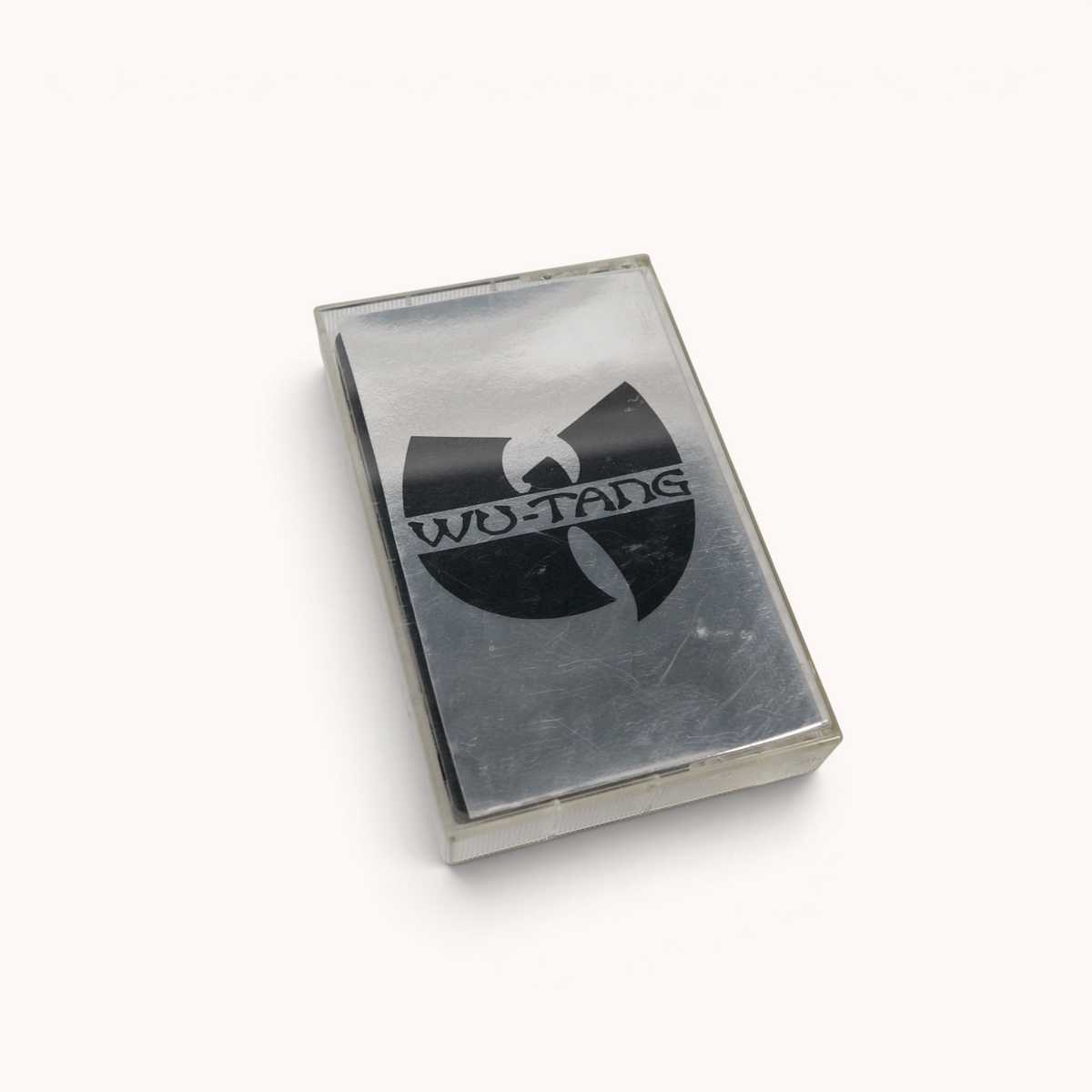
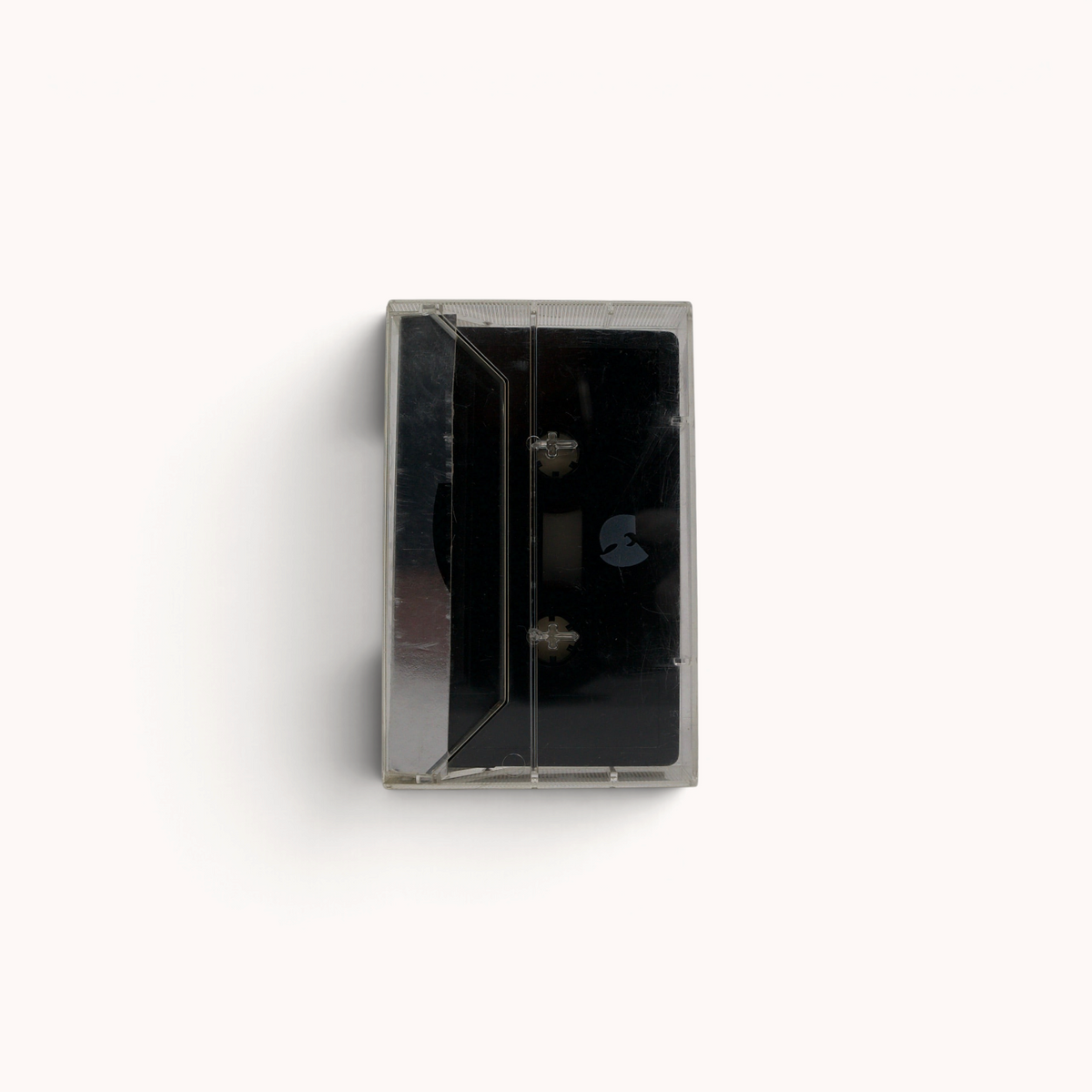
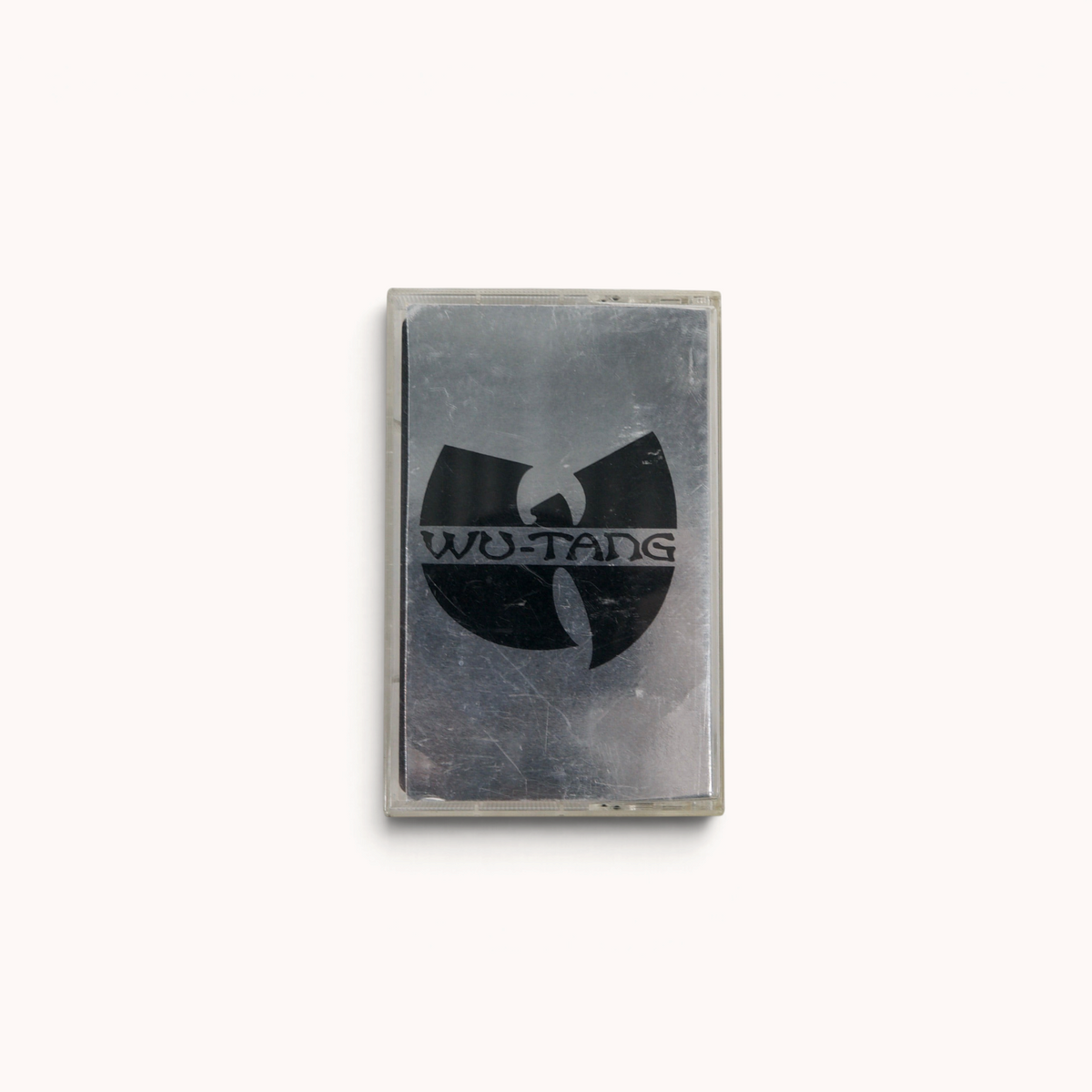
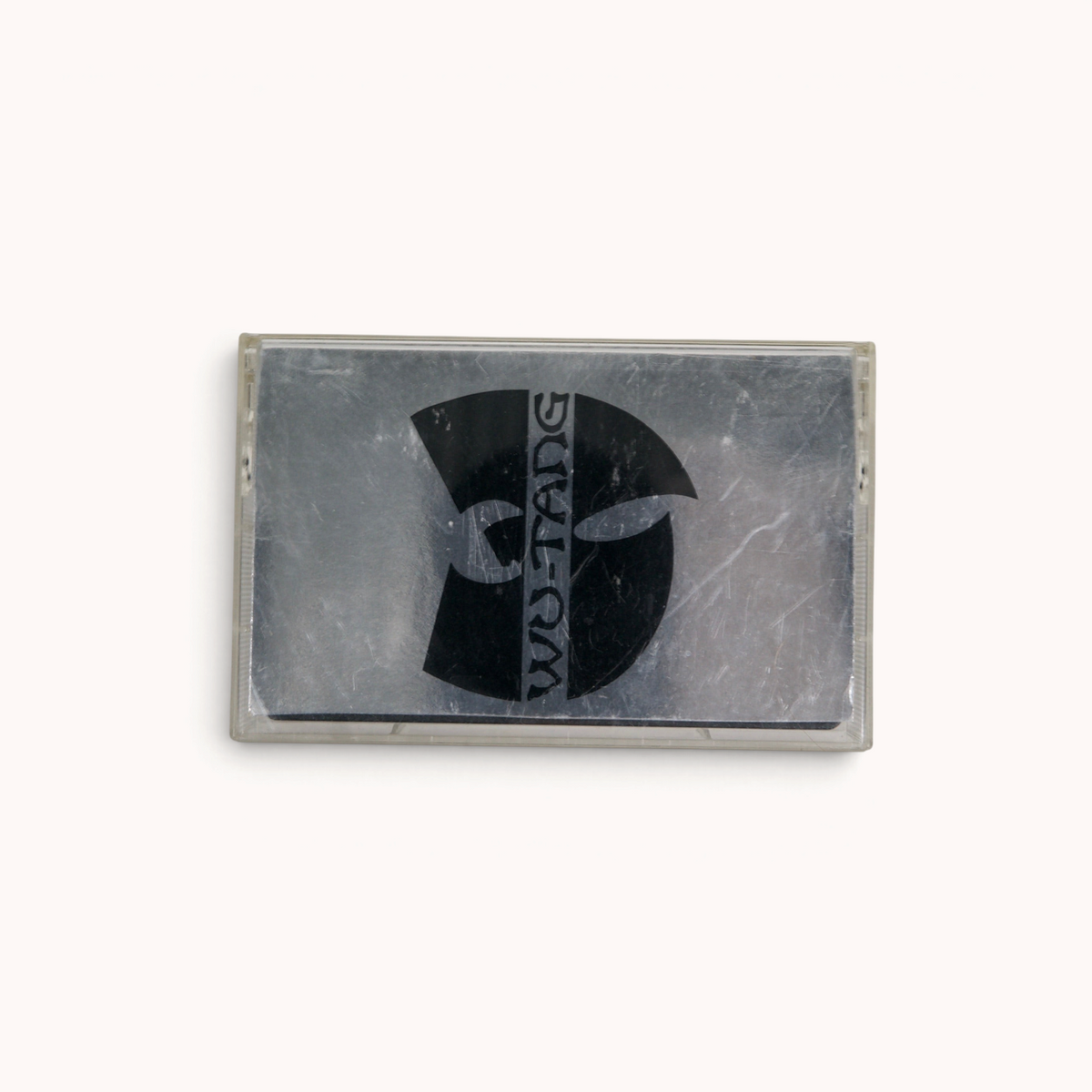
Wu-Tang Clan street team promotional cassette (Wu)
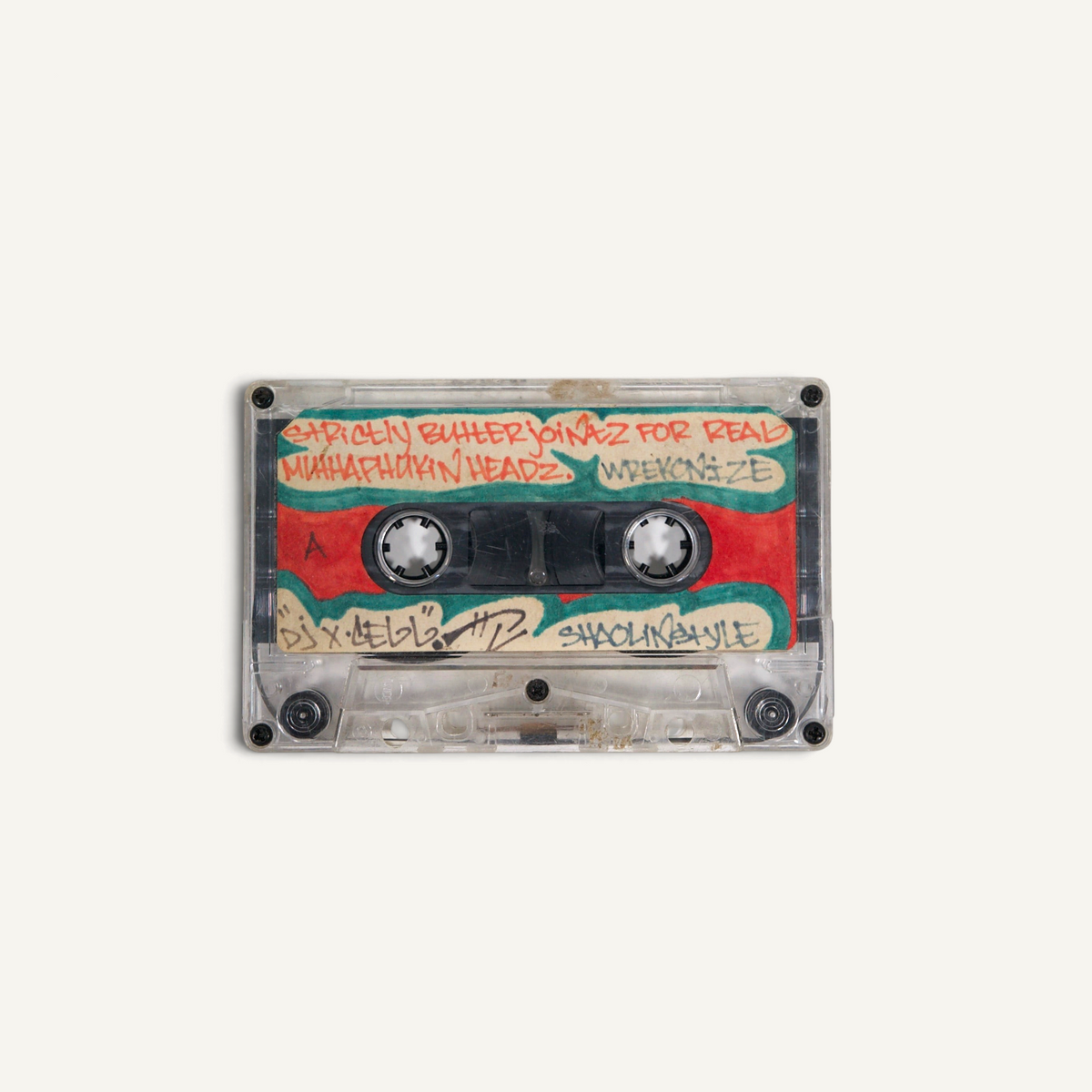
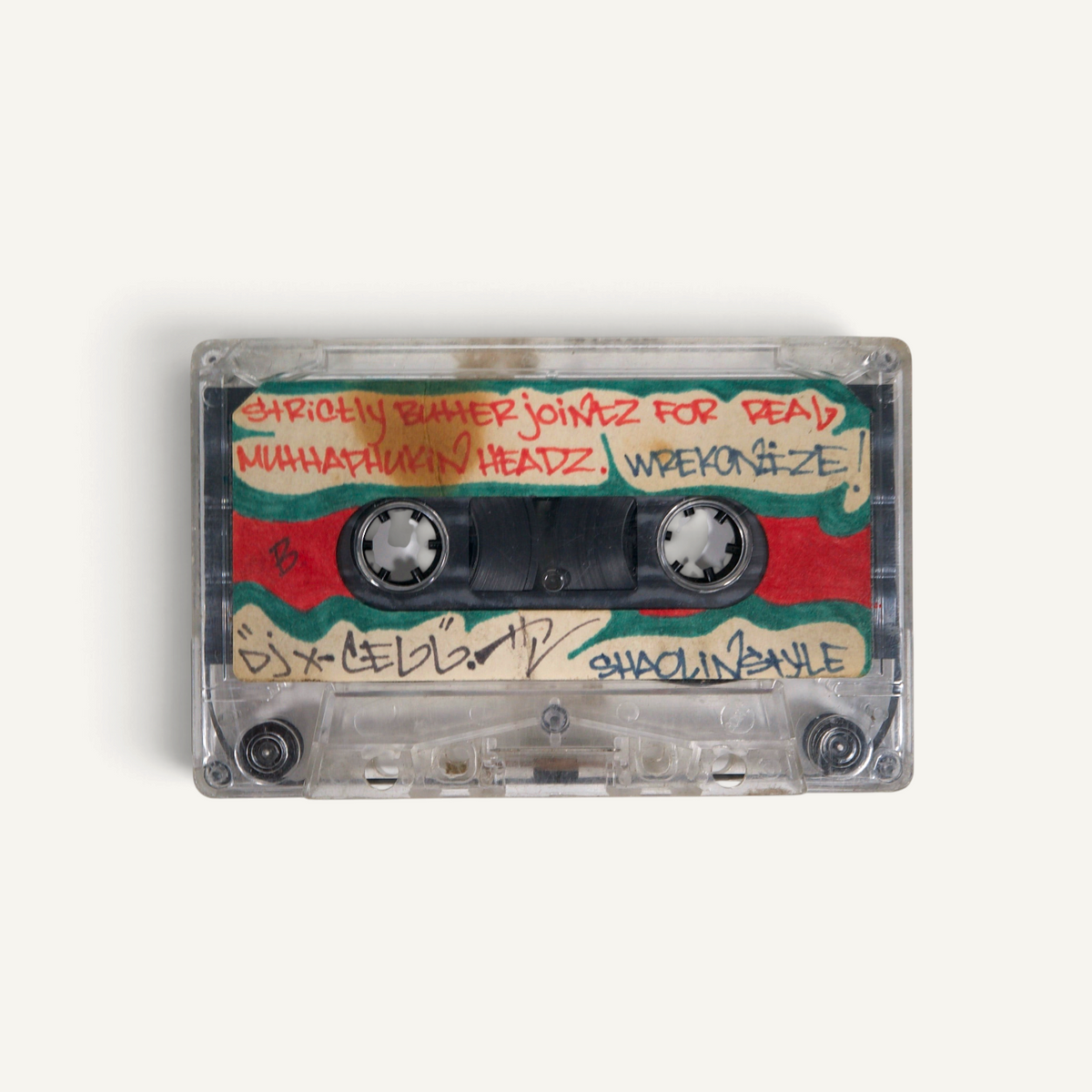
DJ X-Cell mixtape featuring rare/unreleased Wu-Tang affiliate material
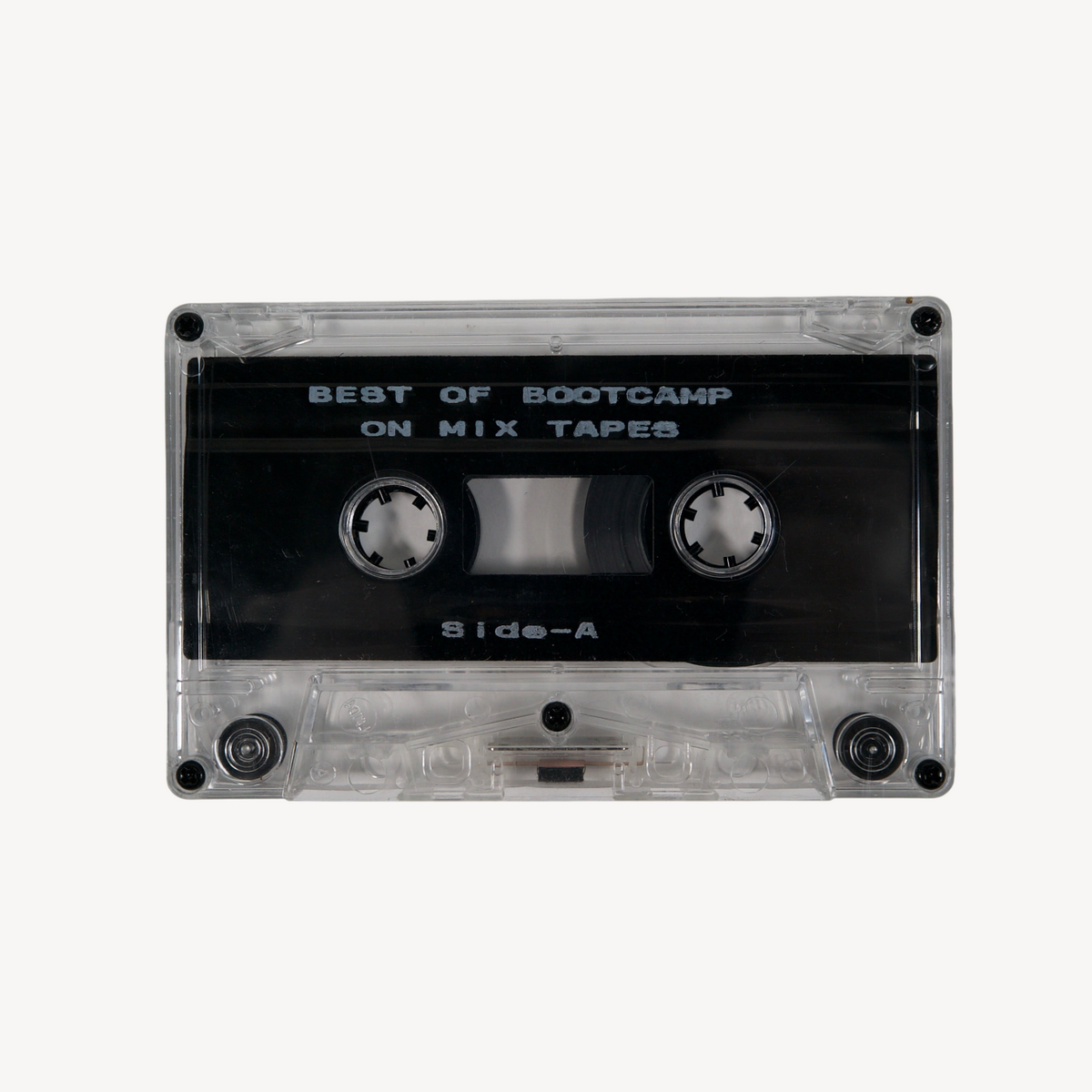
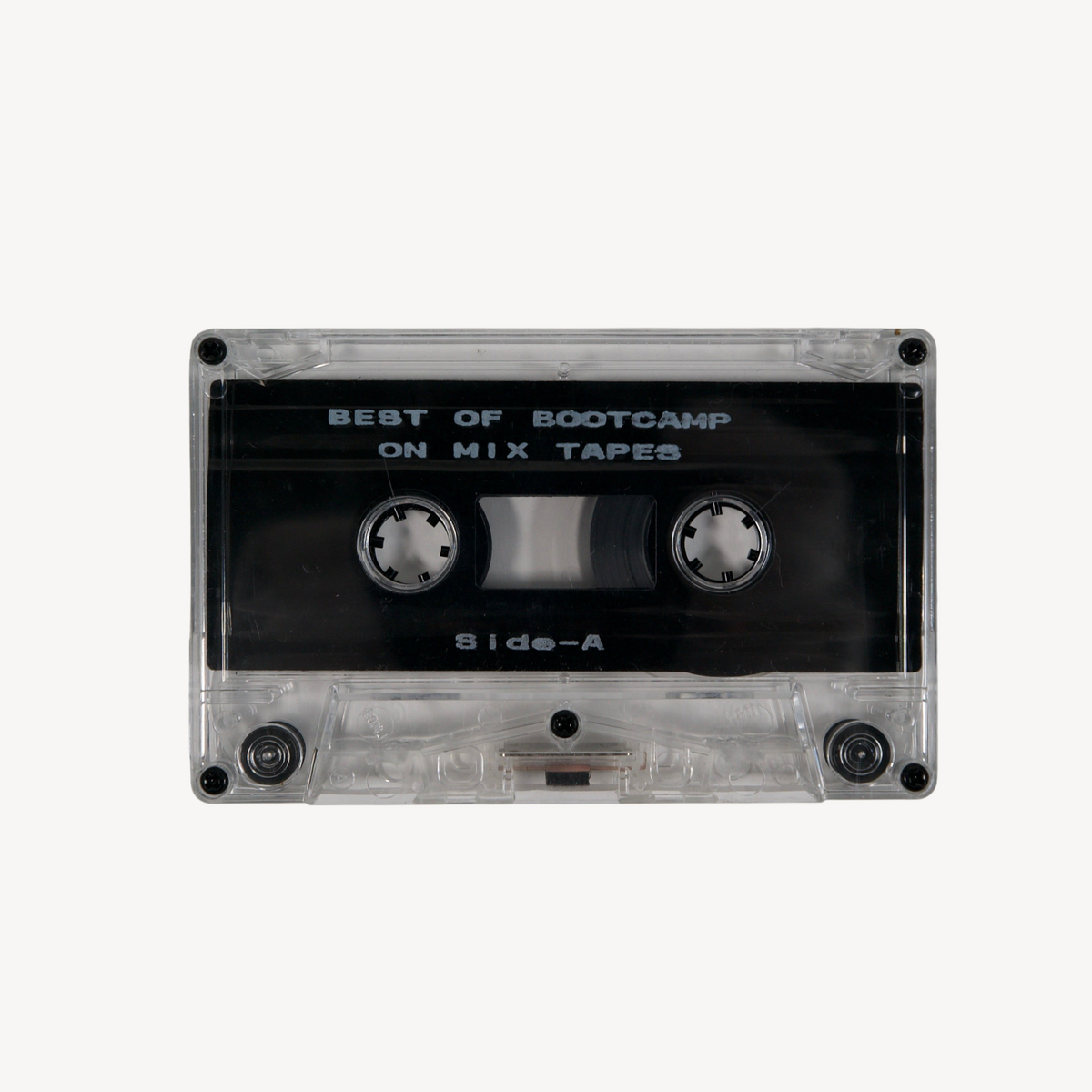
Duck Down / Boot Camp Clik street team promotional cassette
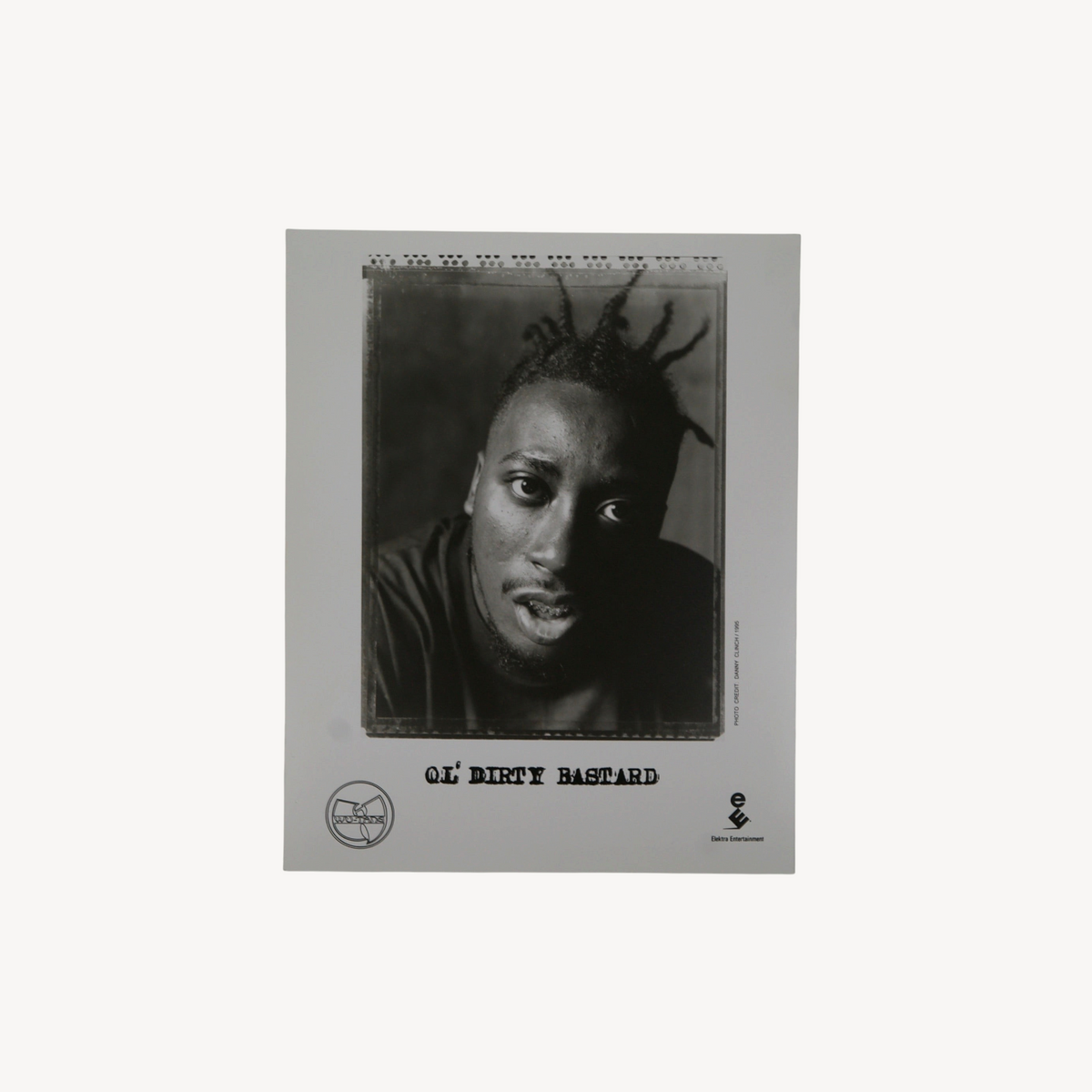
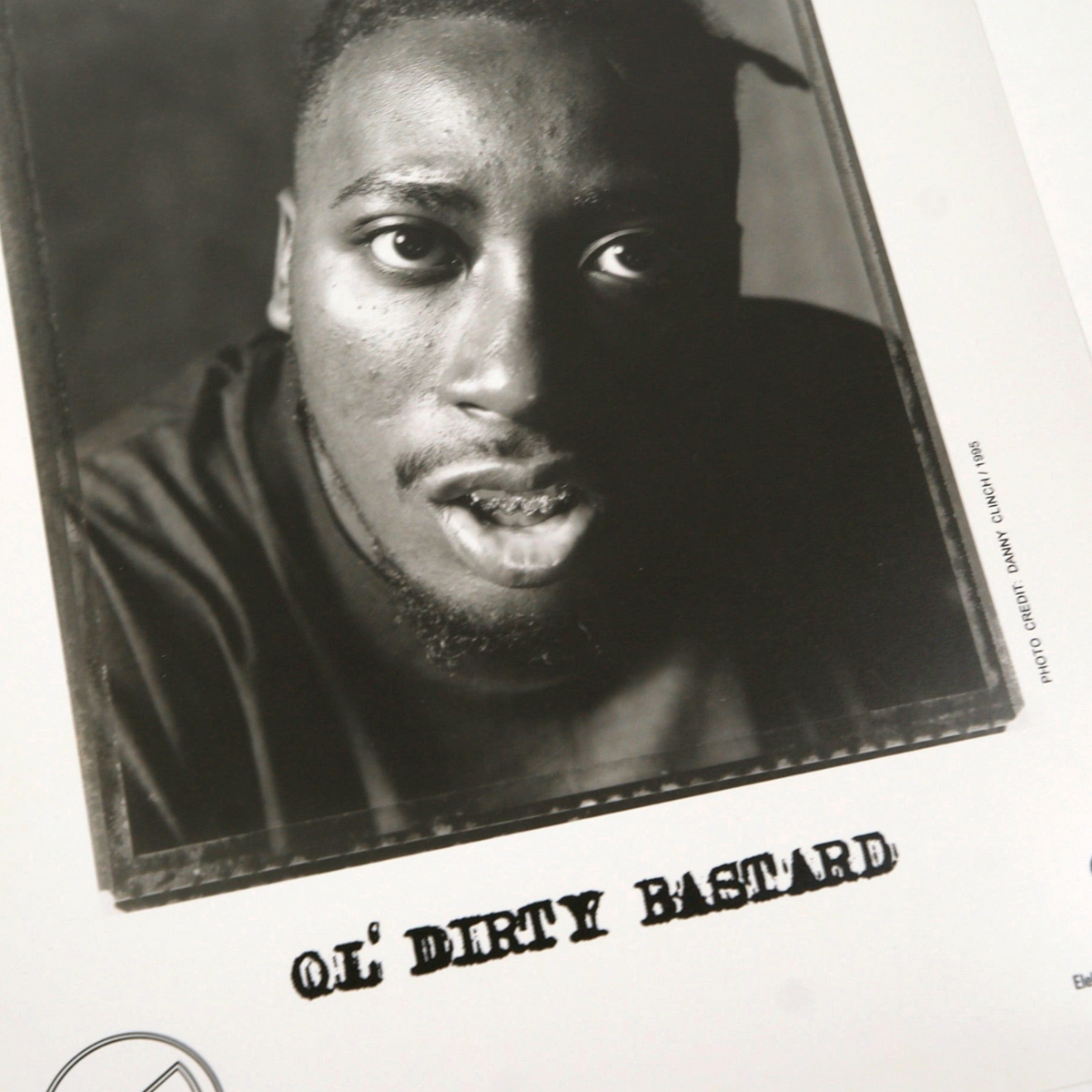
Ol’ Dirty Bastard promotional photograph by Danny Clinch (1995)
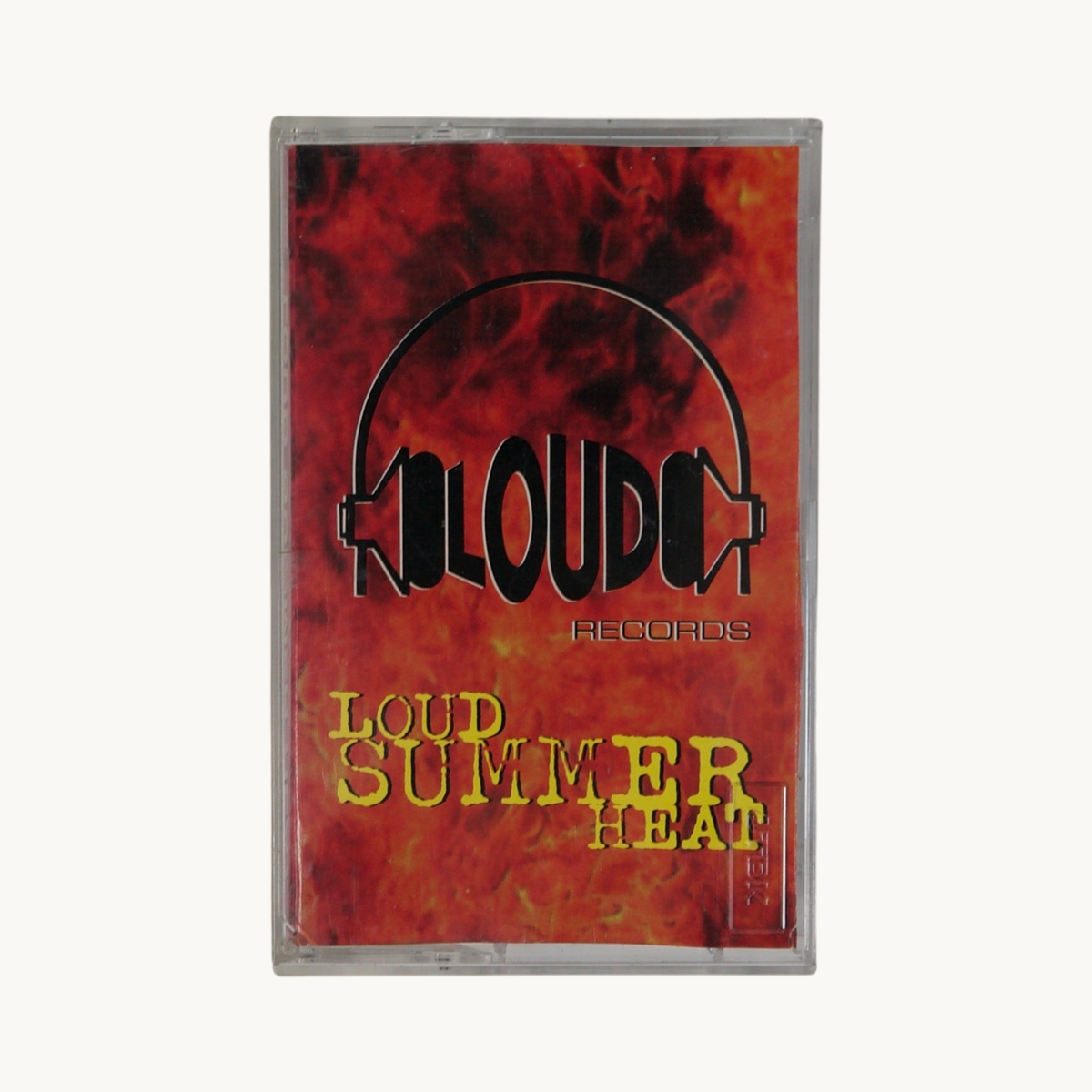
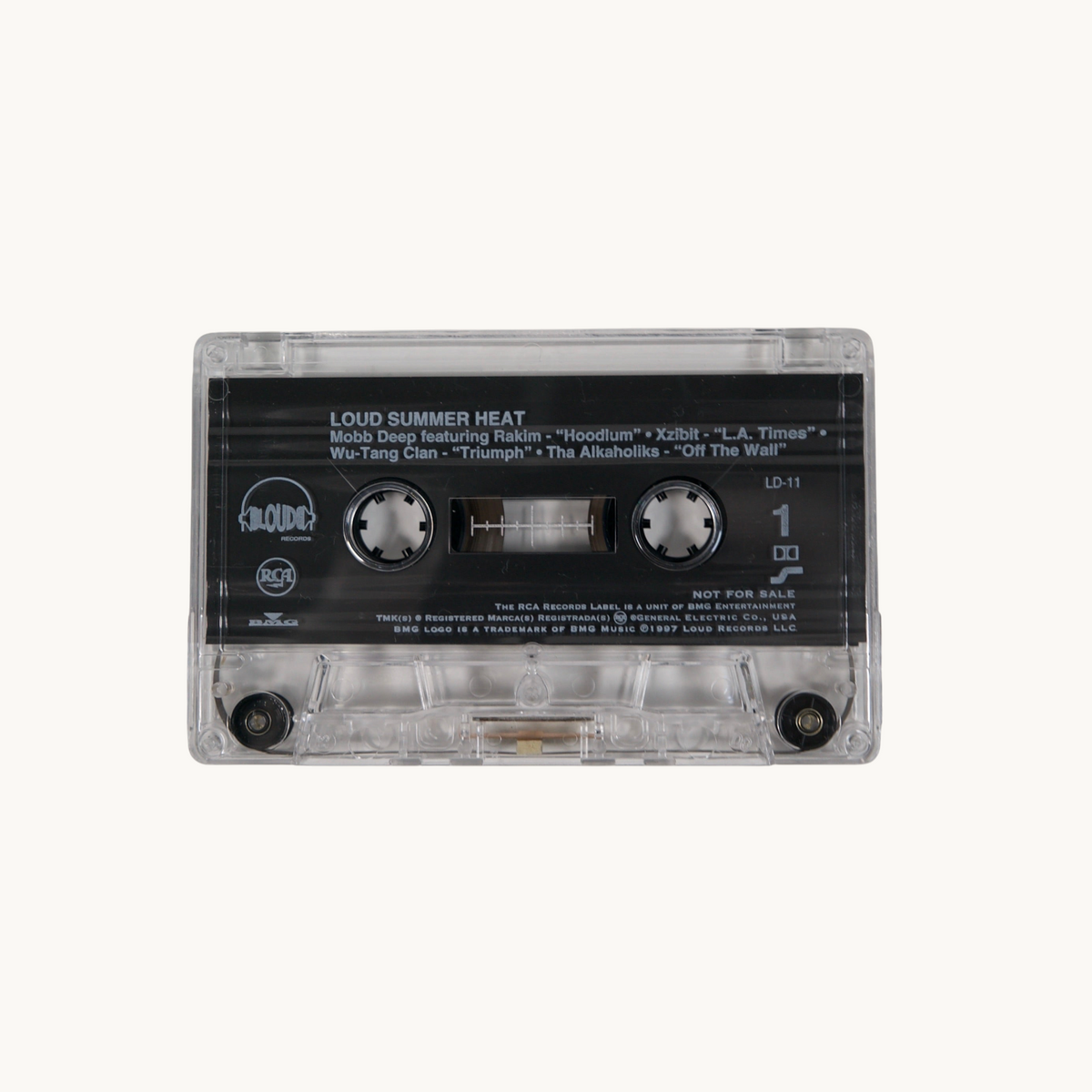
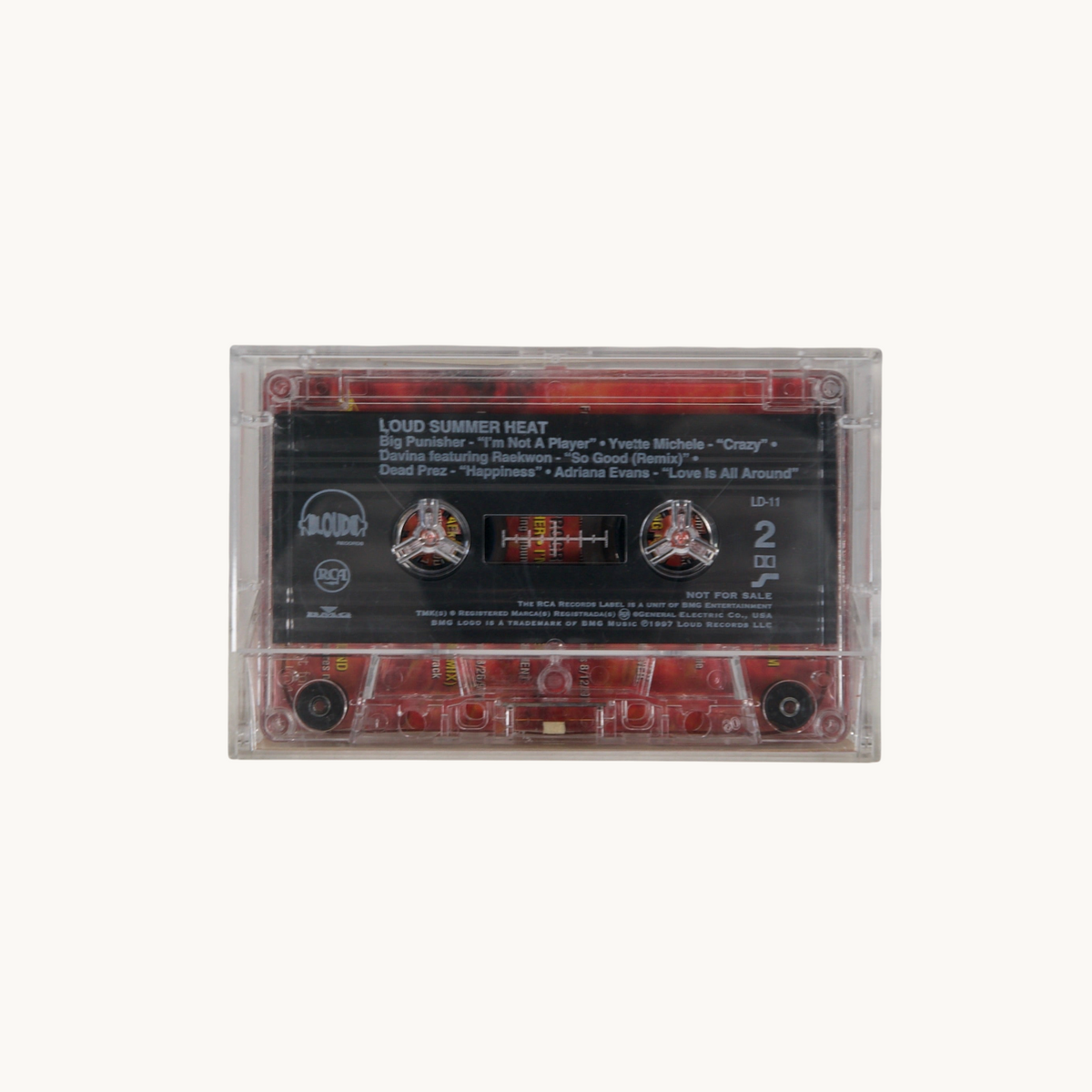
Loud Records Summer Heat promotional cassette (1997)
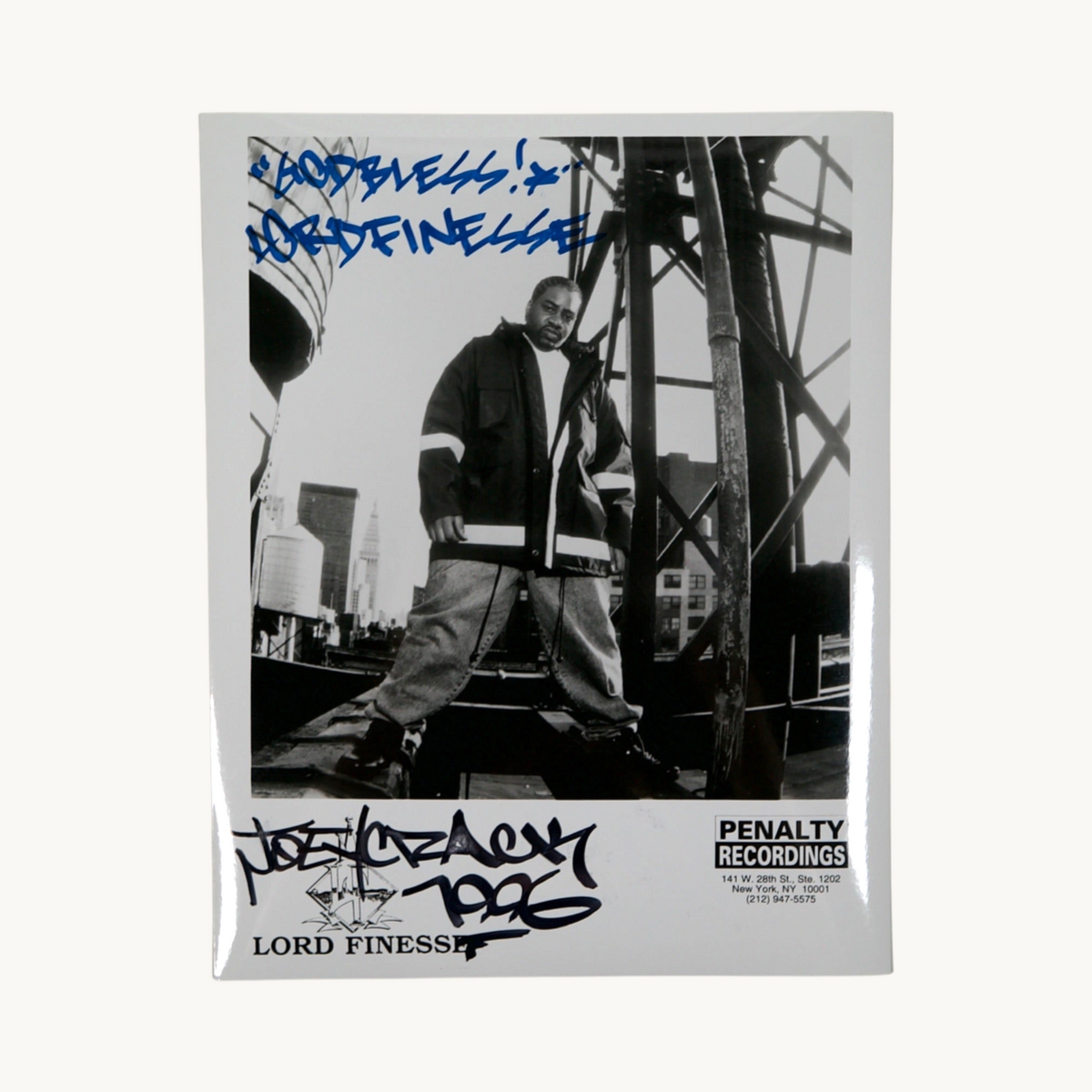
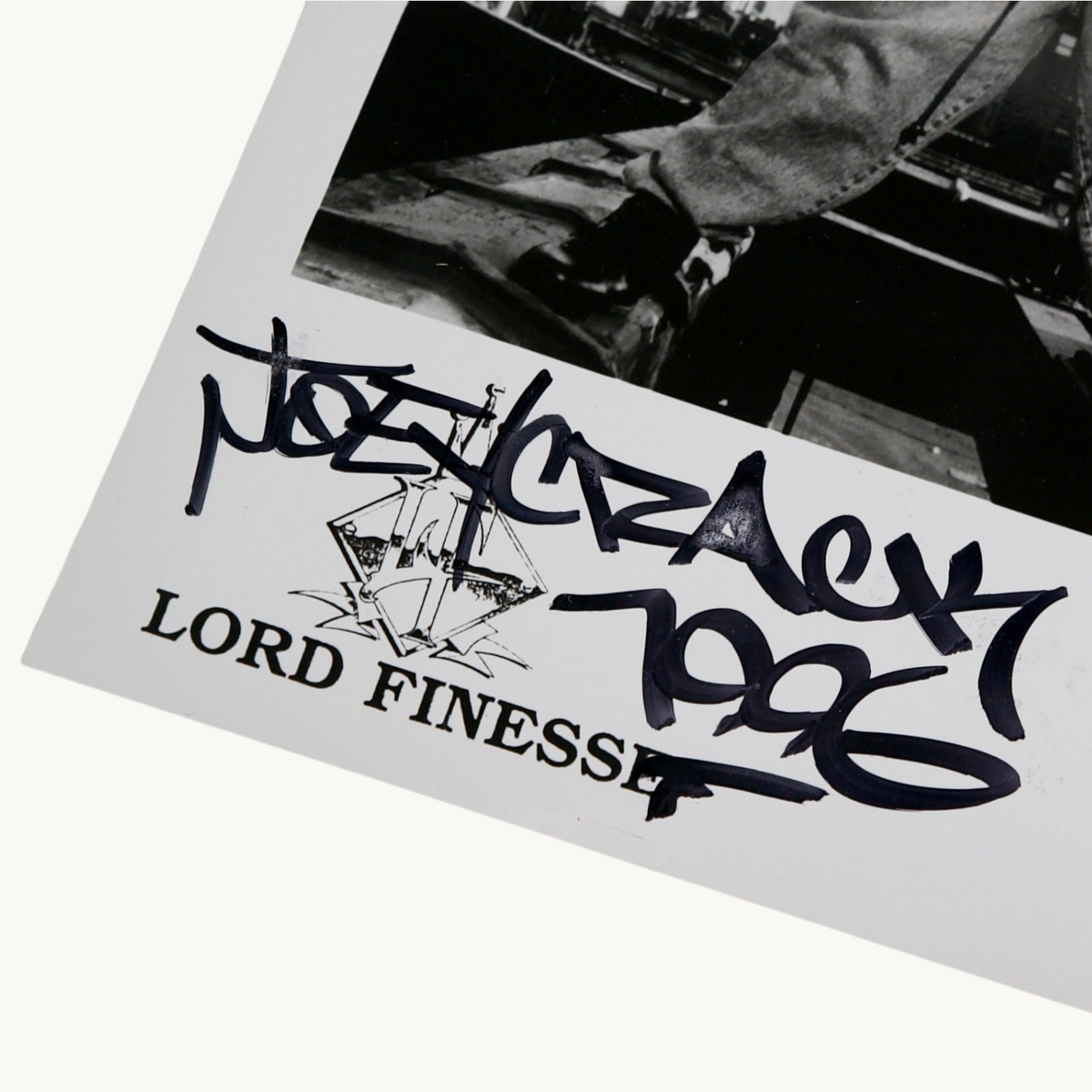
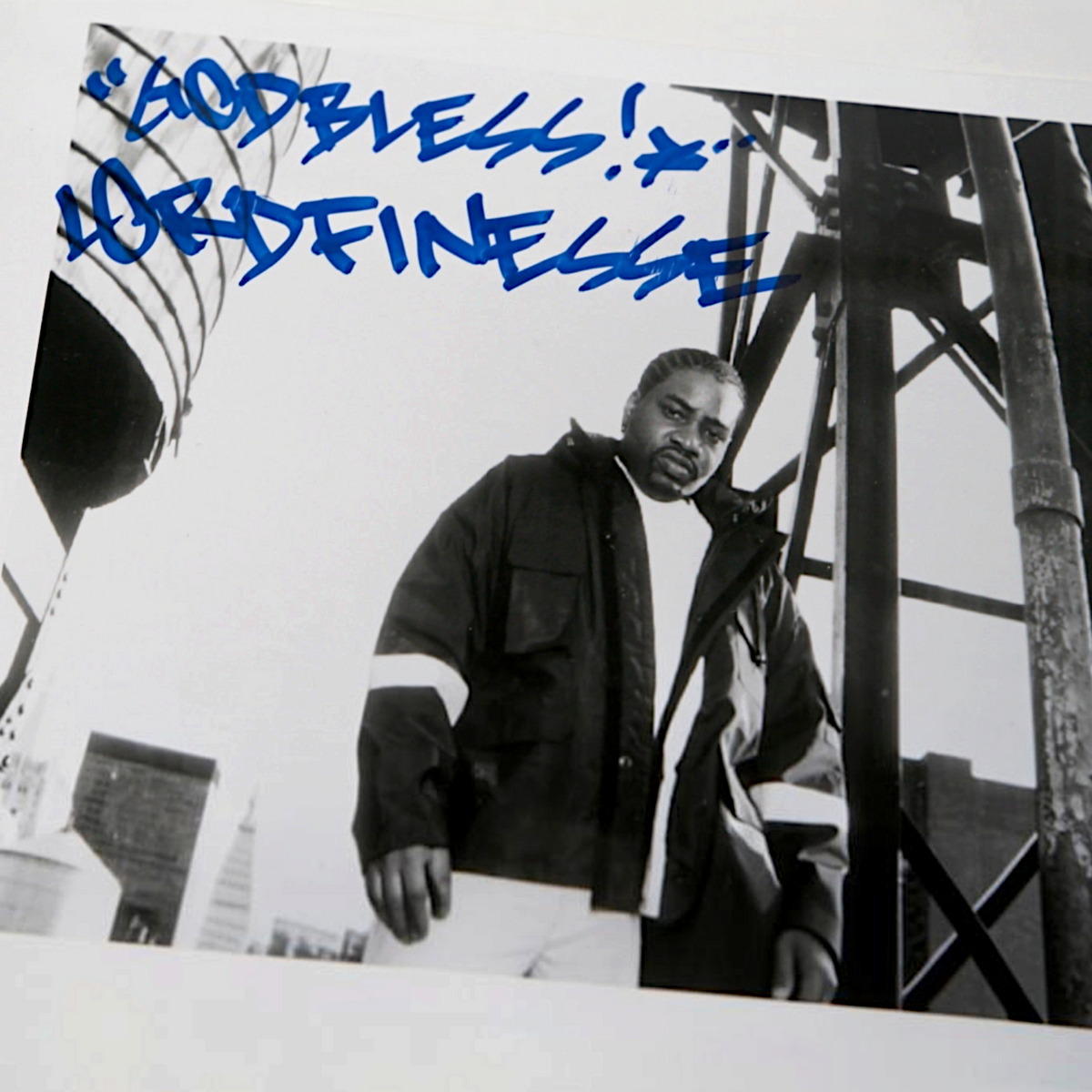
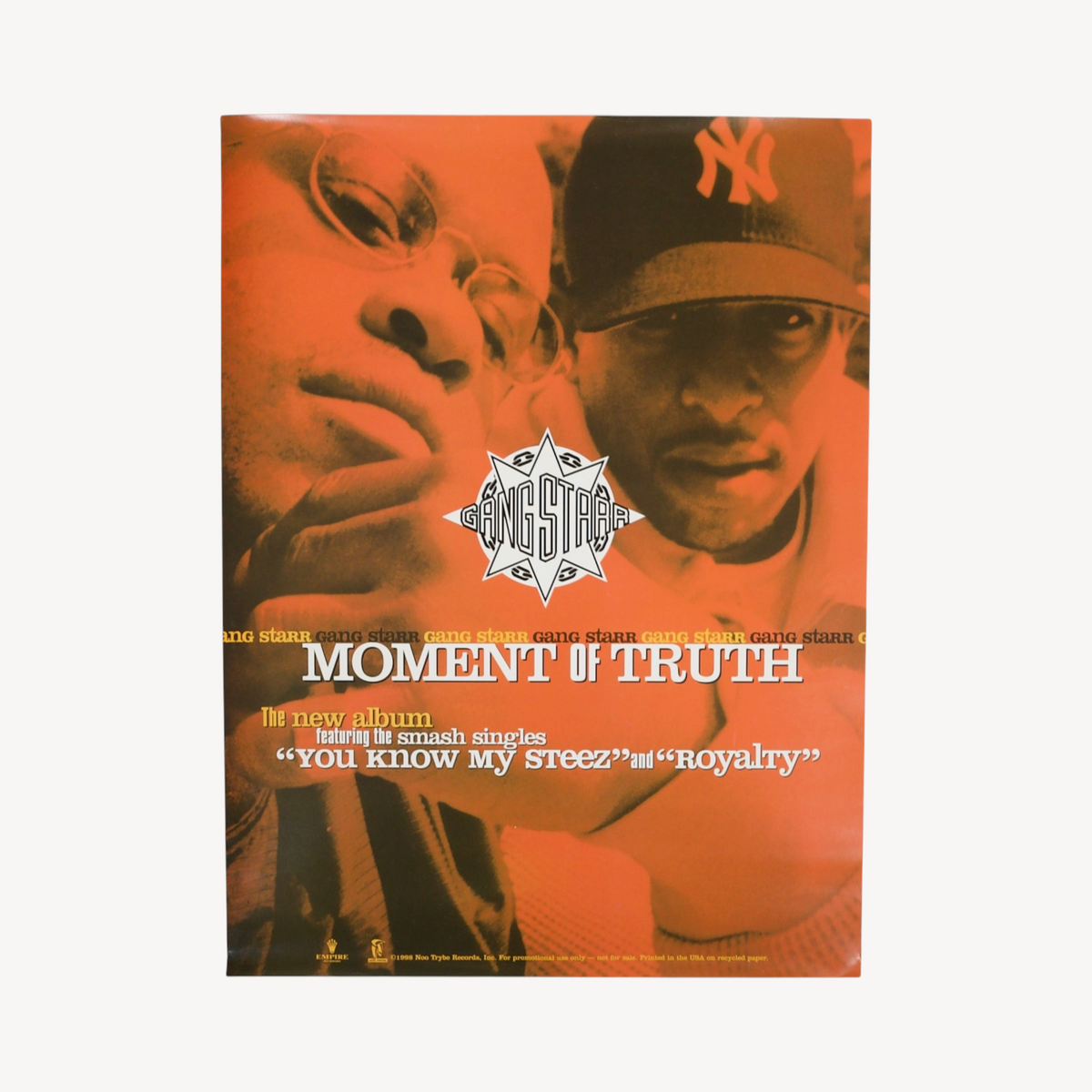
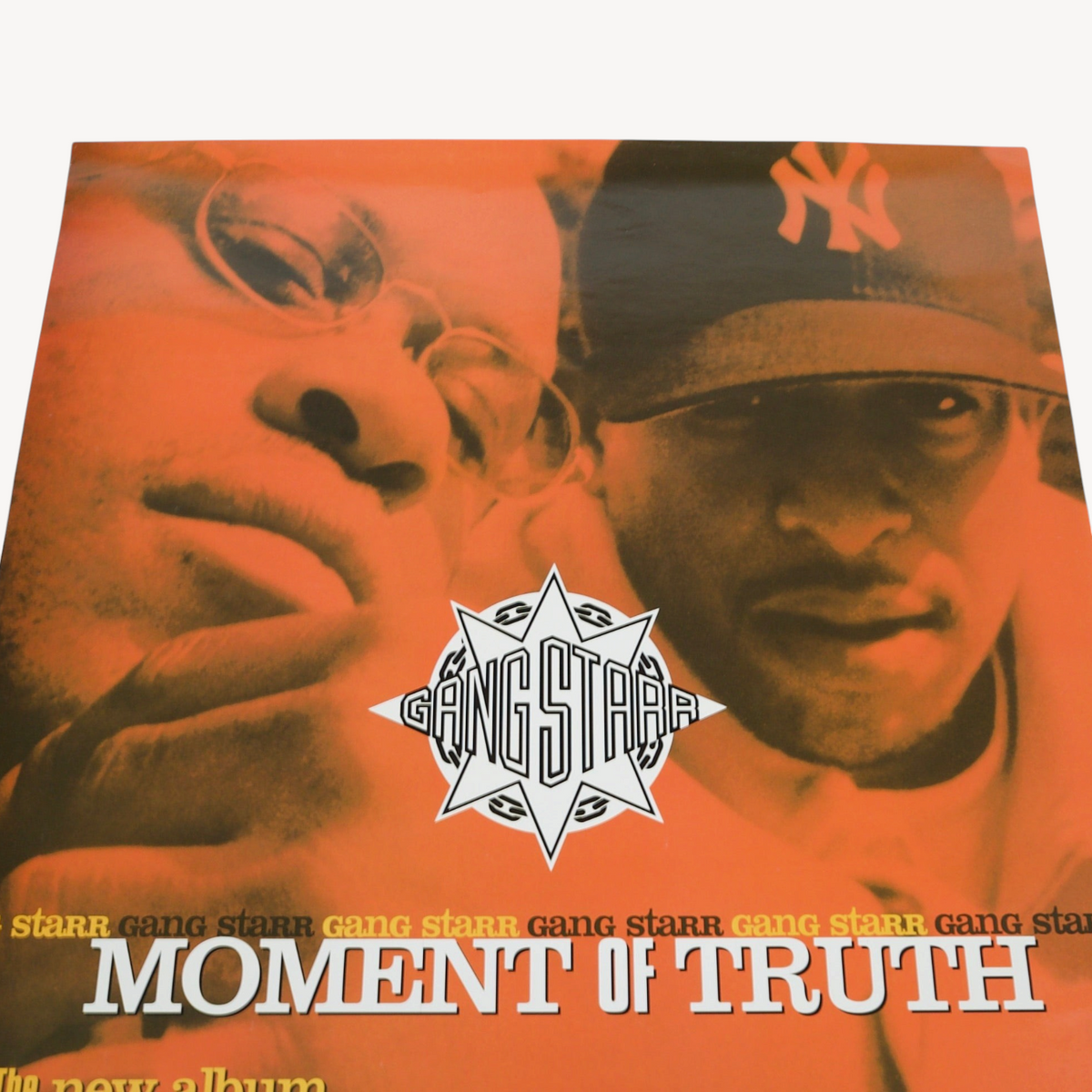
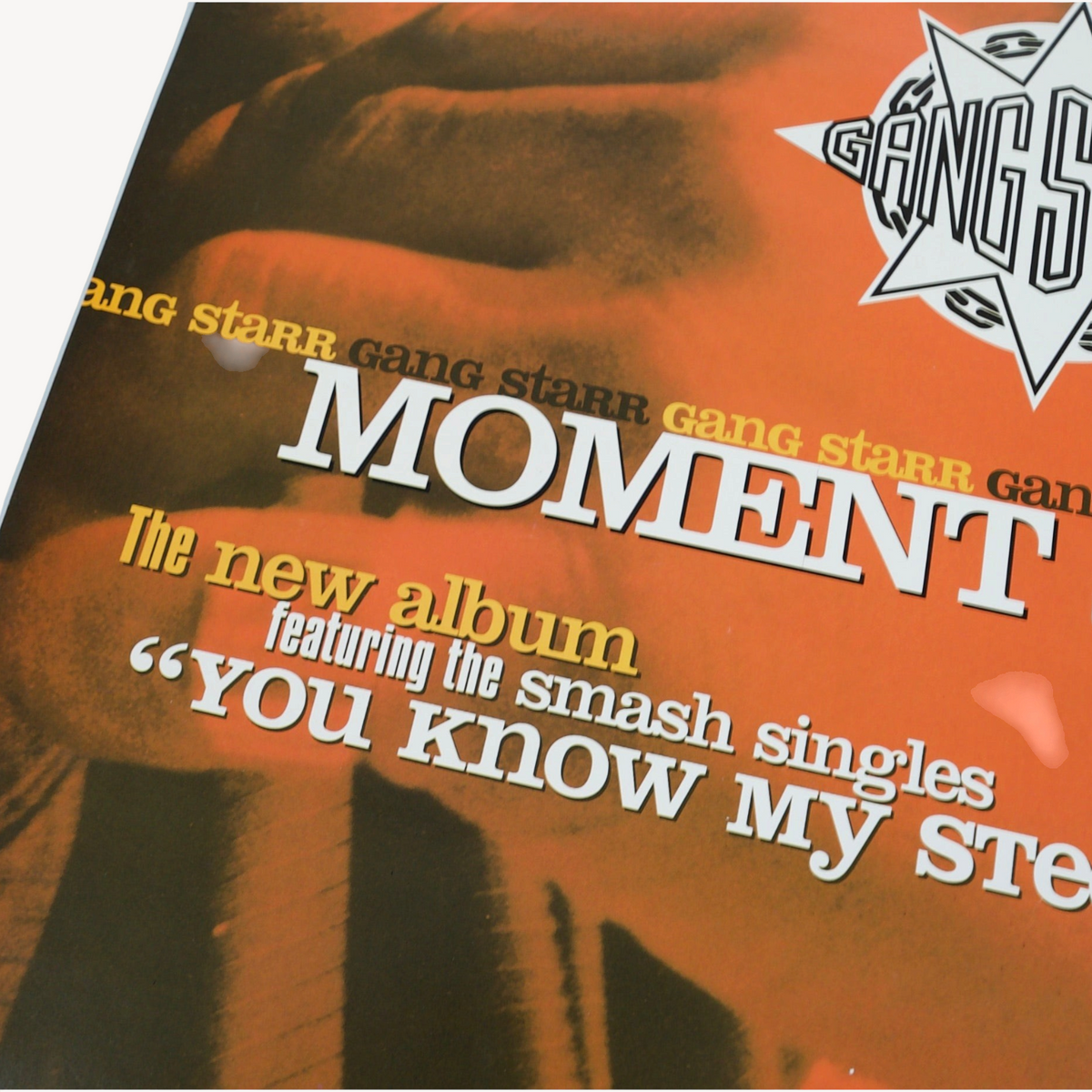
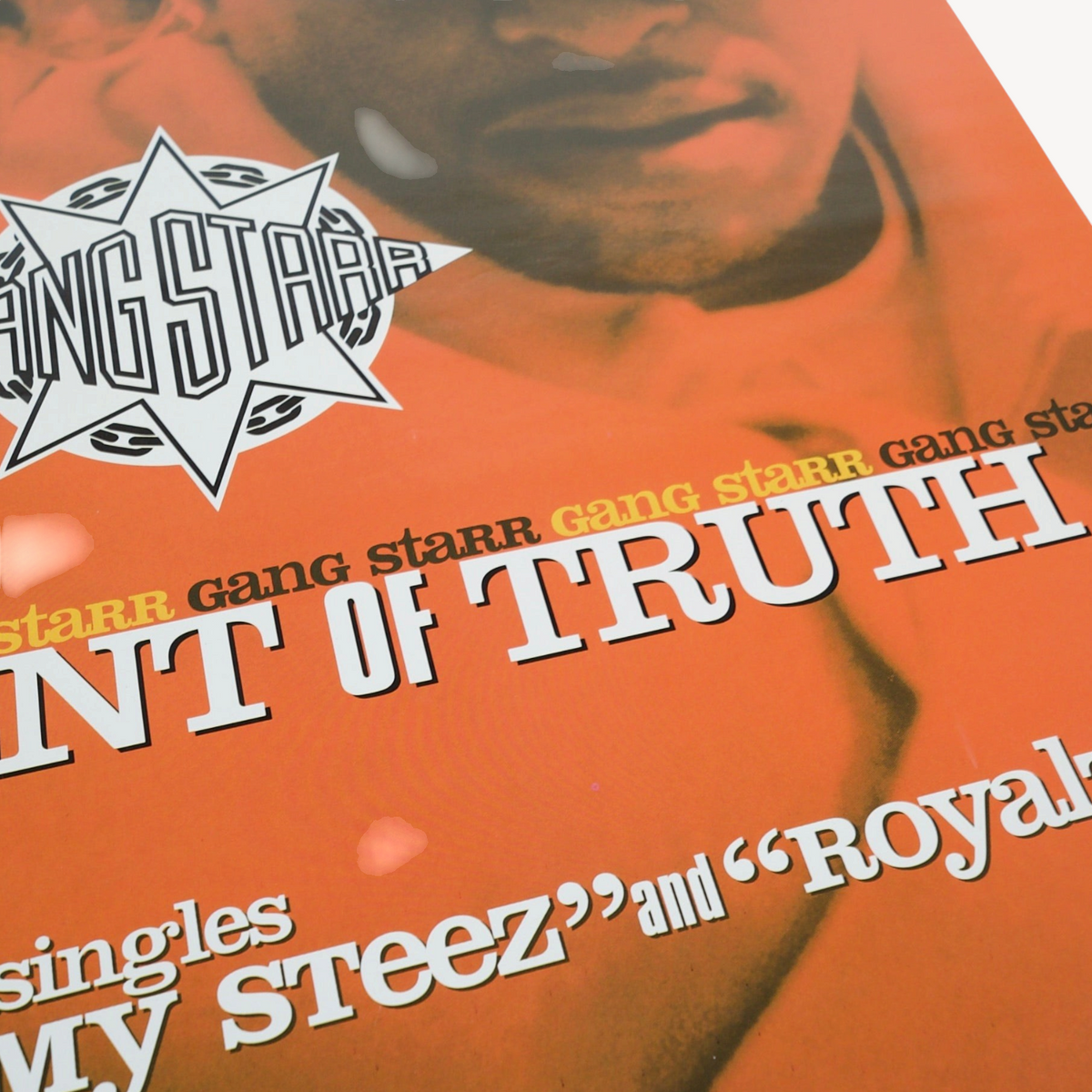
Gang Starr Moment of Truth promotional poster
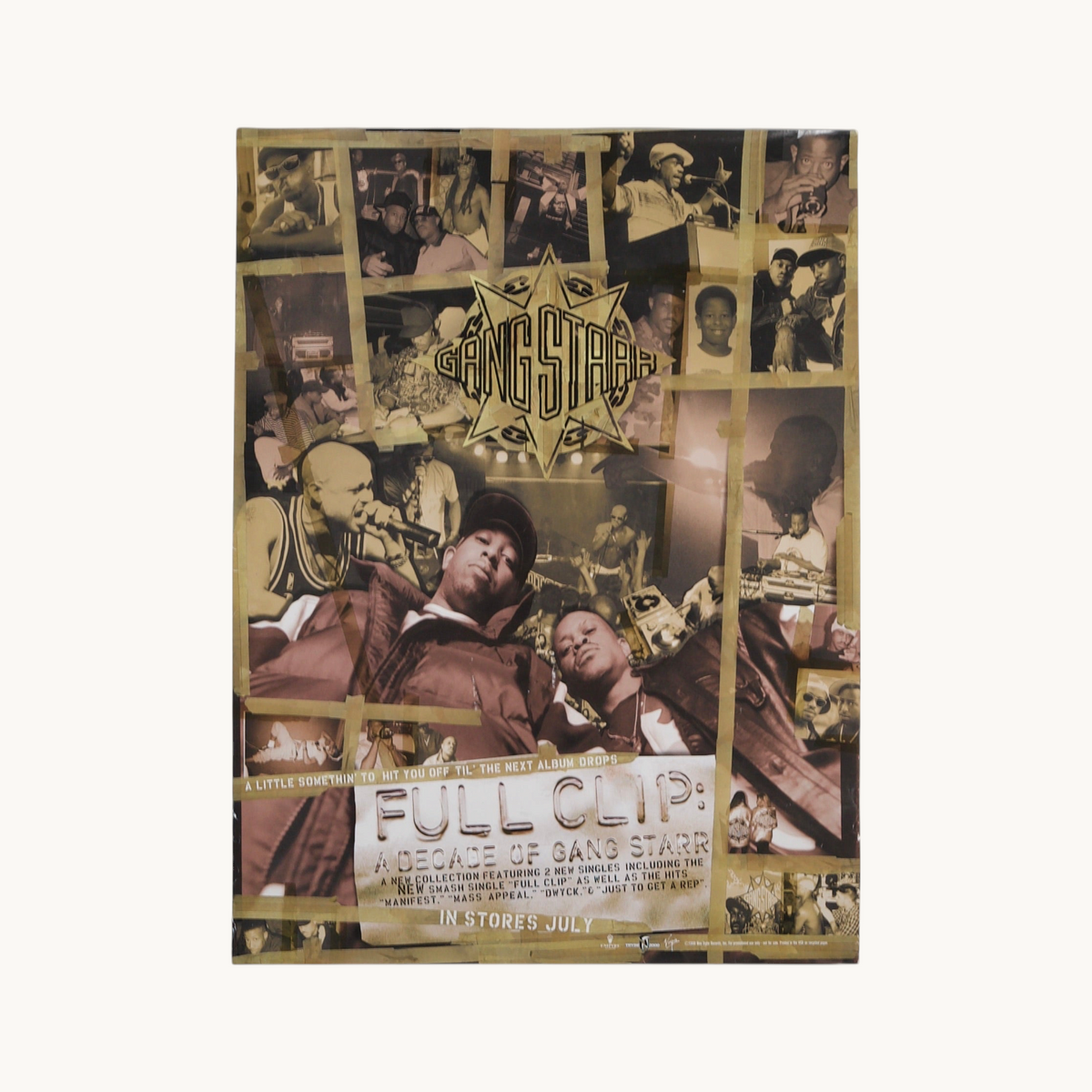
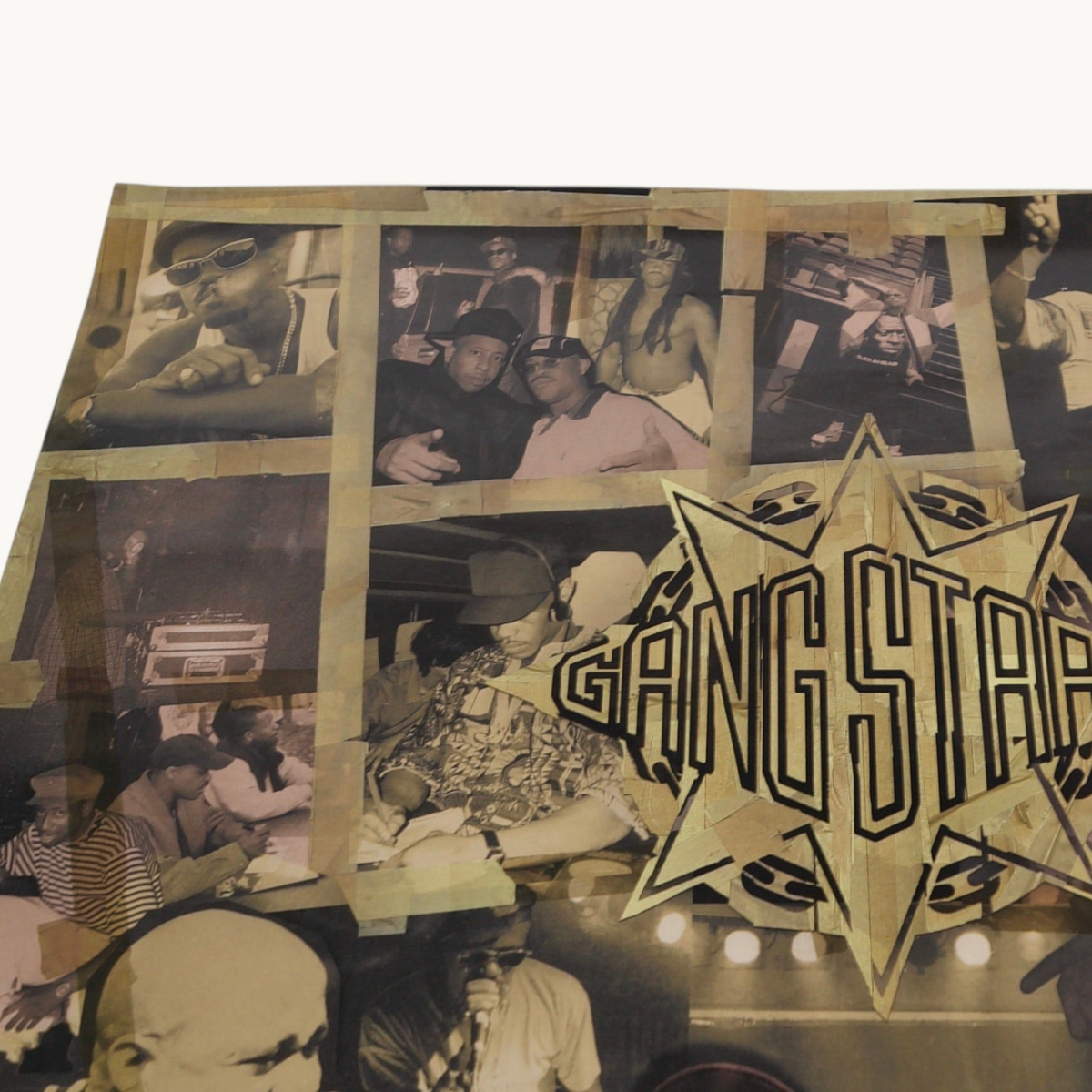
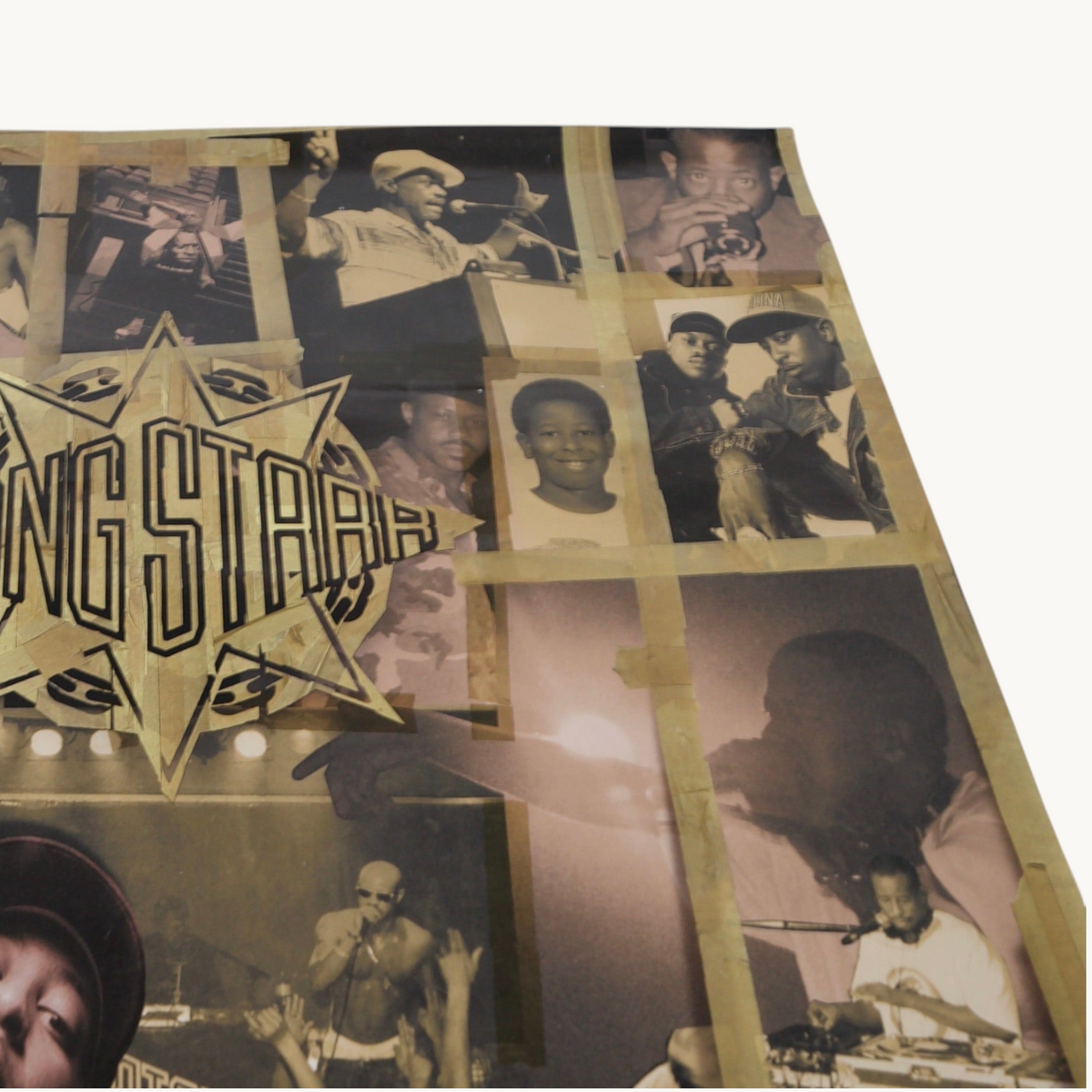
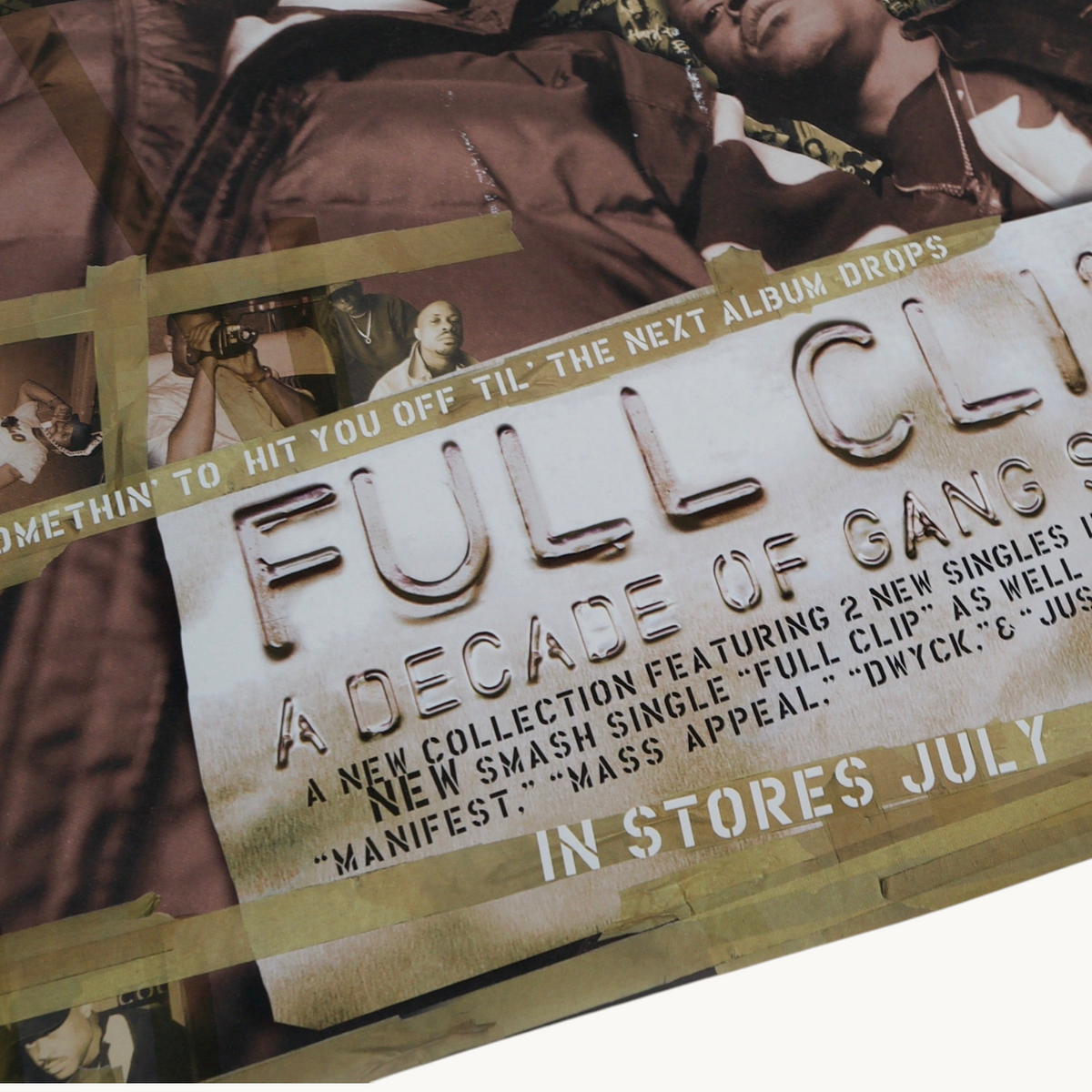
Gang Starr A Full Clip promotional poster
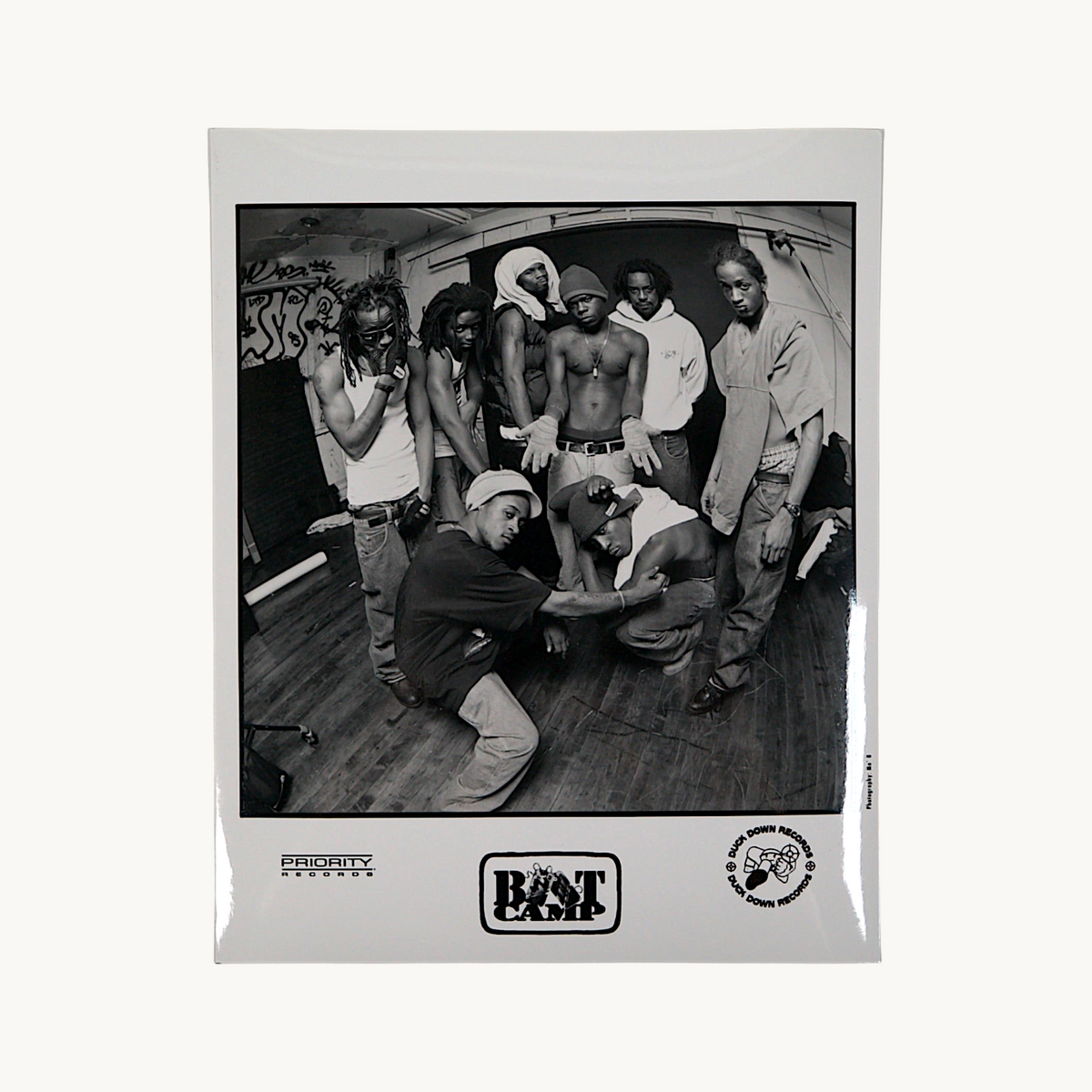
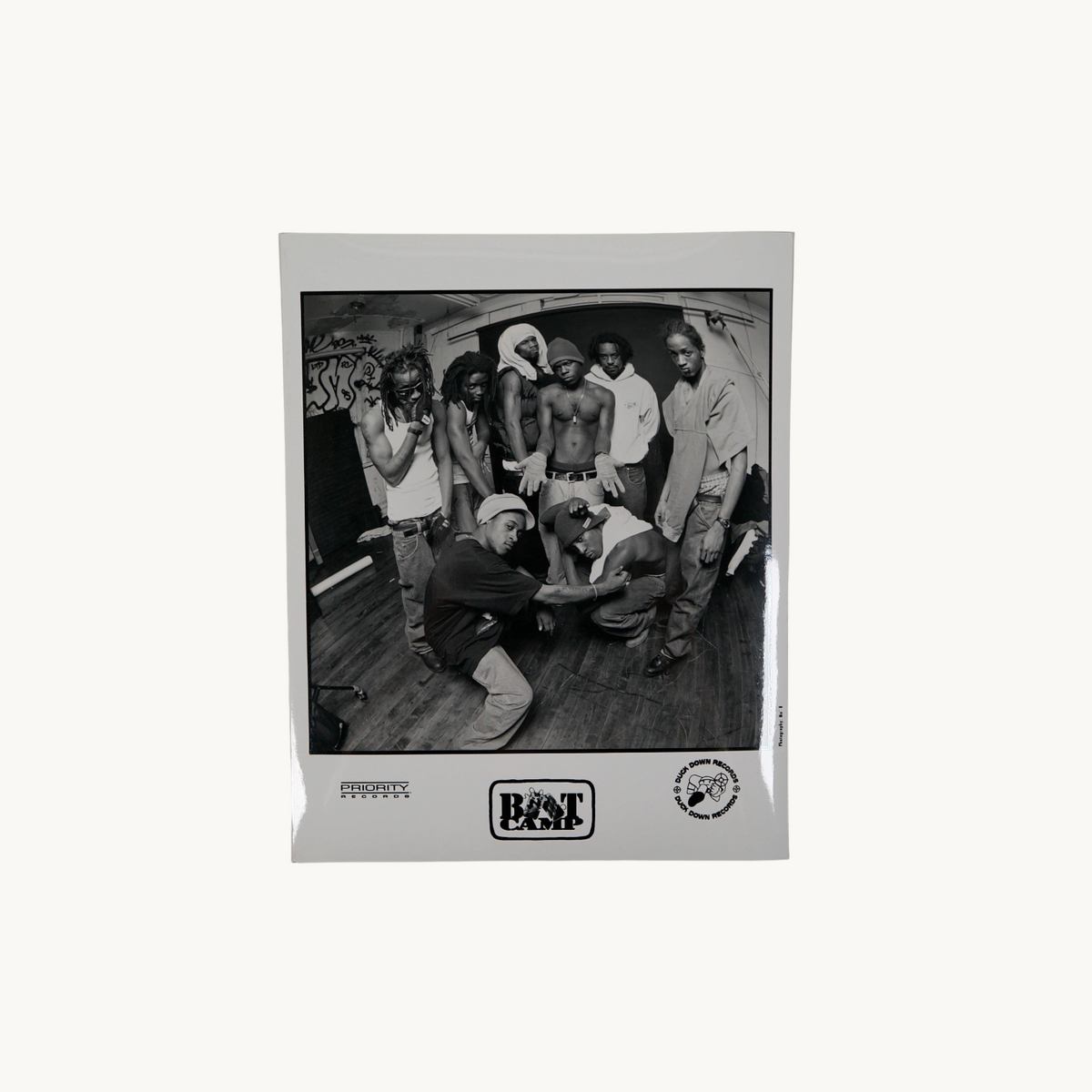
Boot Camp Clik promotional photograph
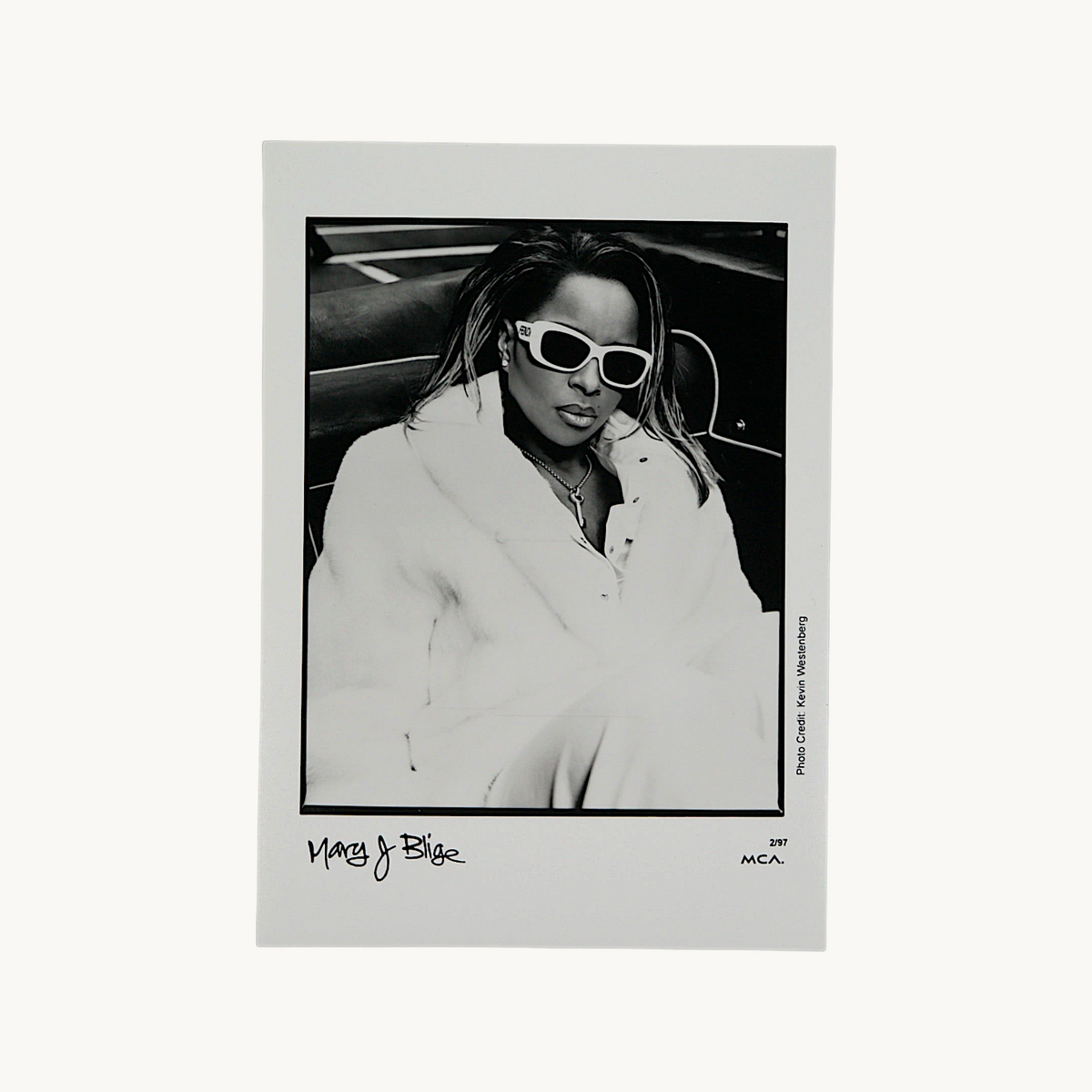

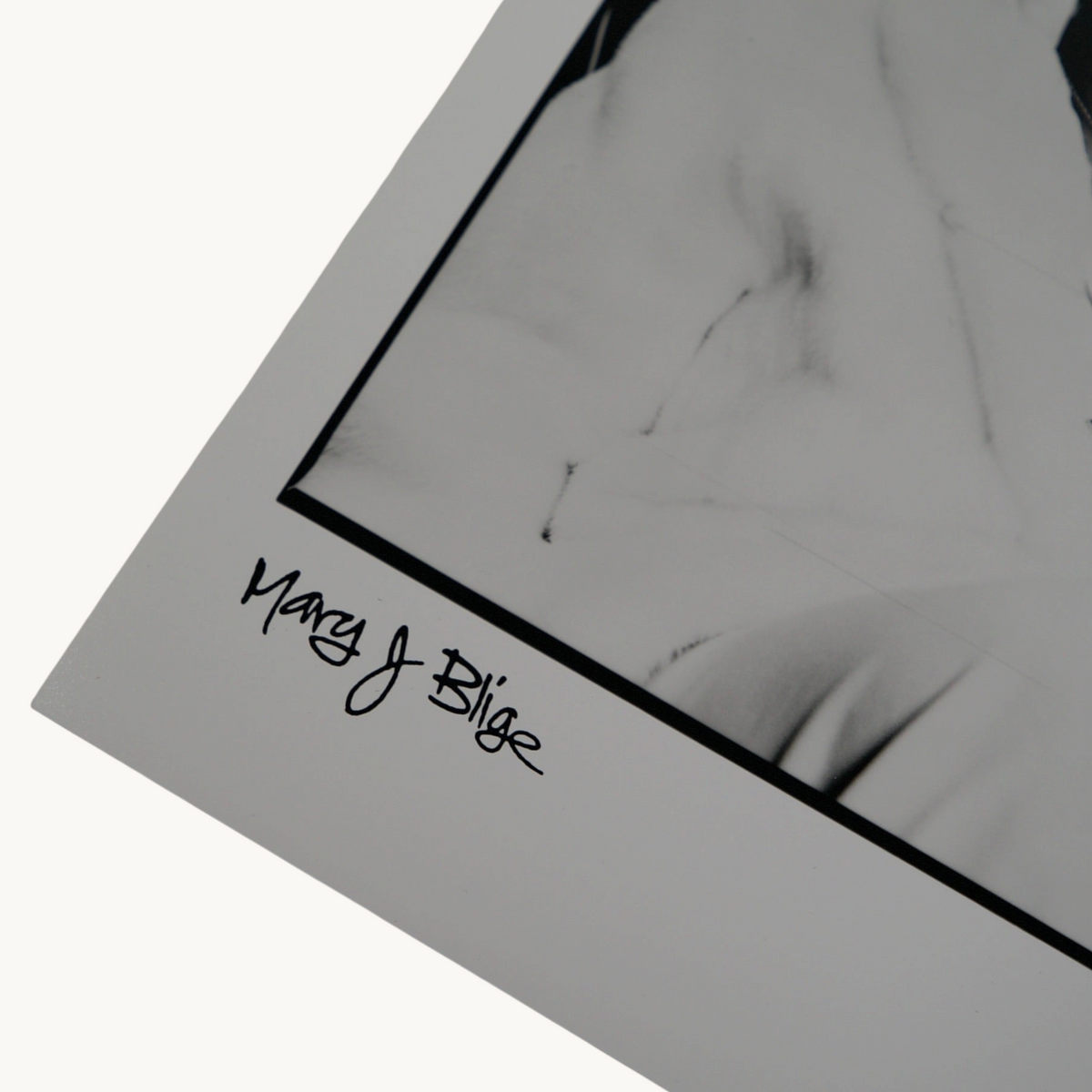
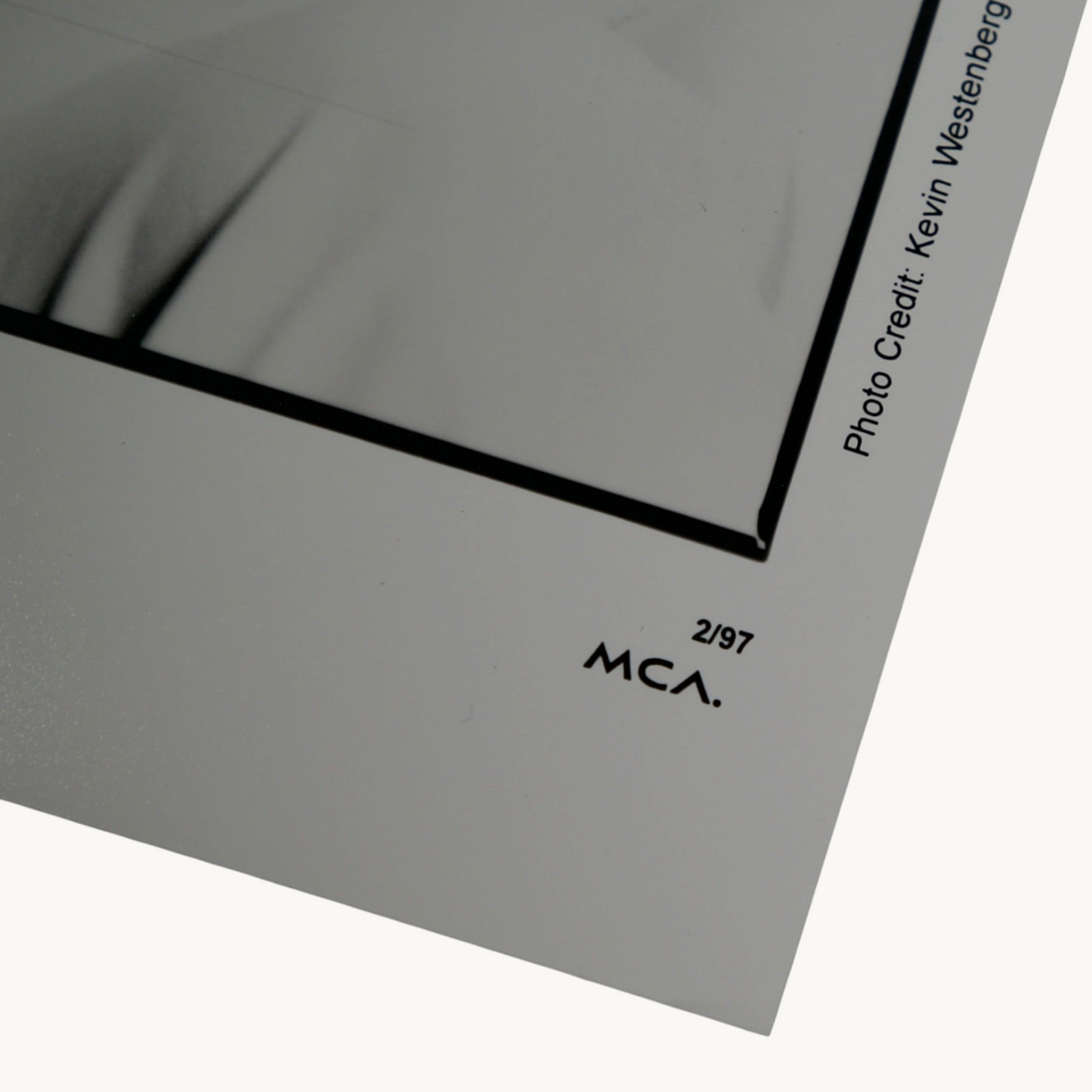
Mary J. Blige promotional photograph by Karen Westenberg (1997)

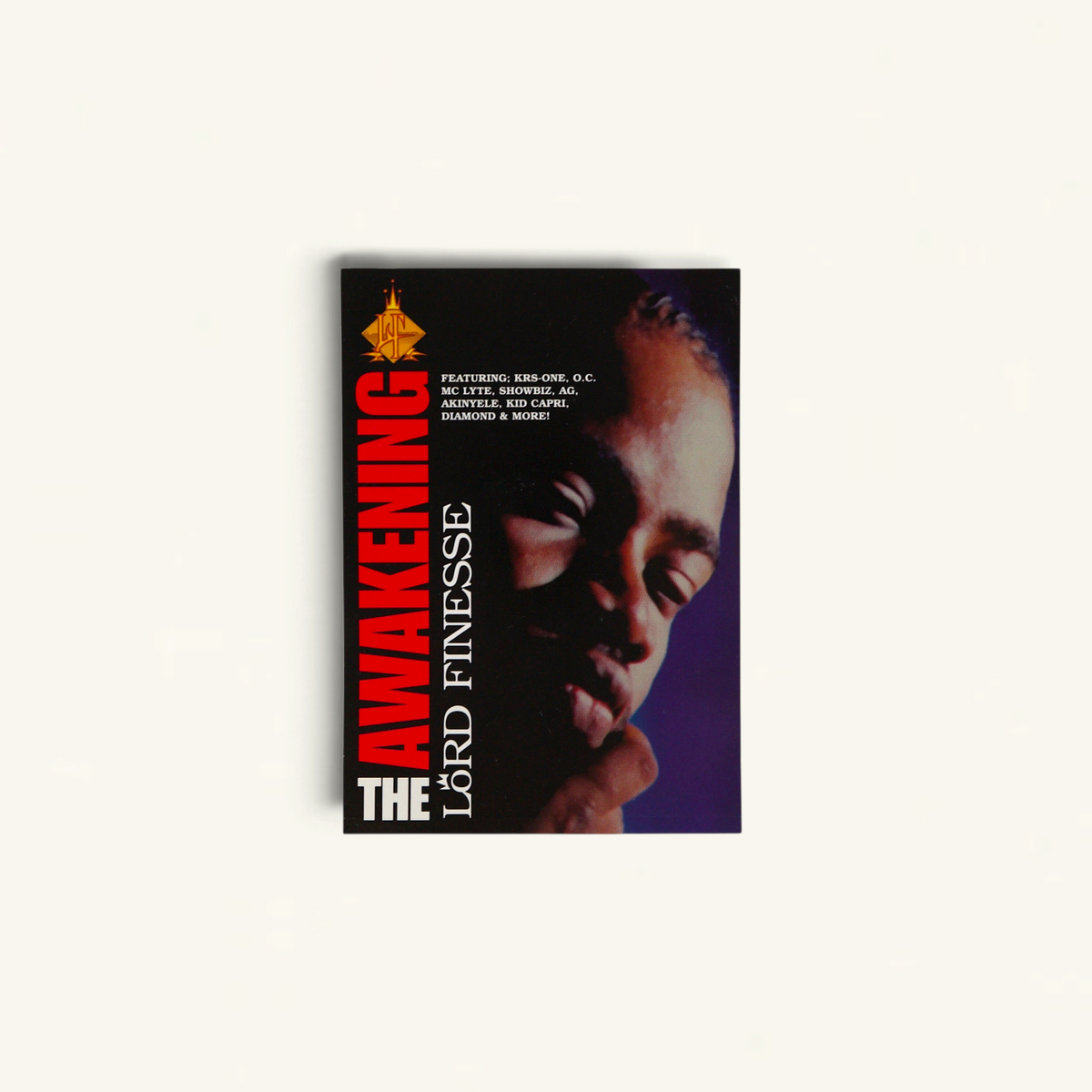
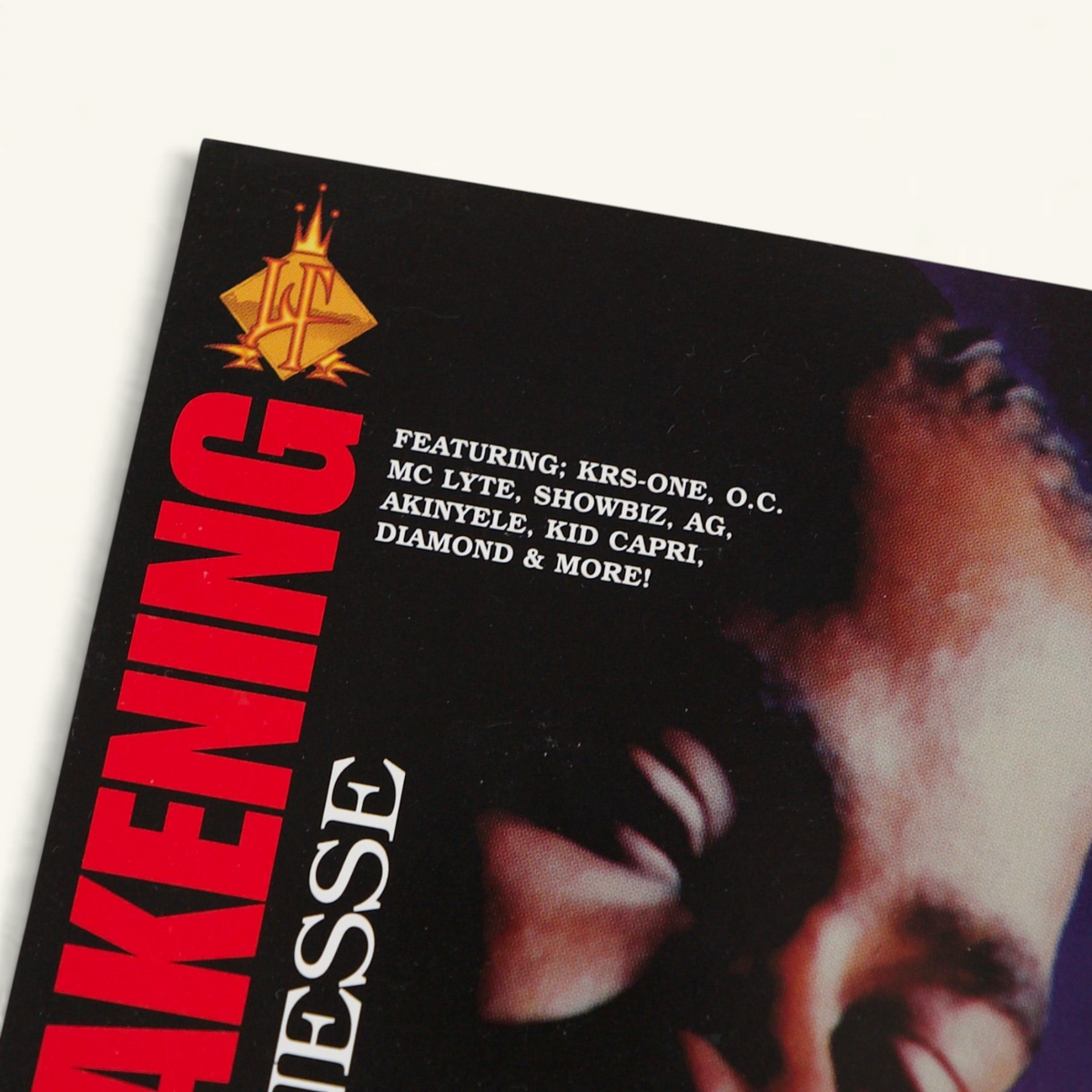
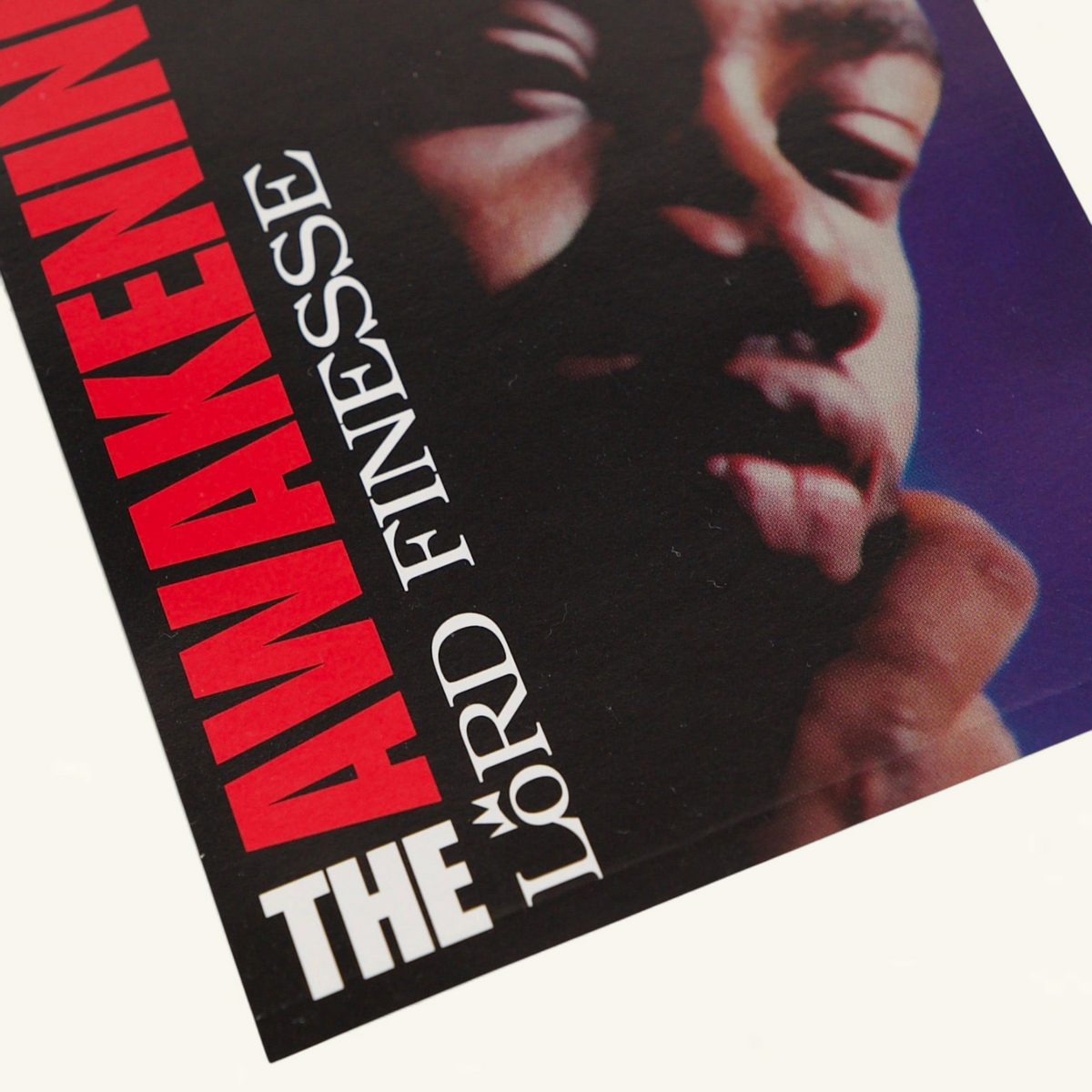
What's coming up
Sign up to our upcoming auctions and drops.
Ministry of Sound 35th Anniversary Auction
Opens Thursday 29 October · Speaker stacks, flyers and awards from 35 years at Gaunt Street.
country acetates
Opens Thursday 5 November · Original acetates from Dolly Parton, K. D. Lang & more.
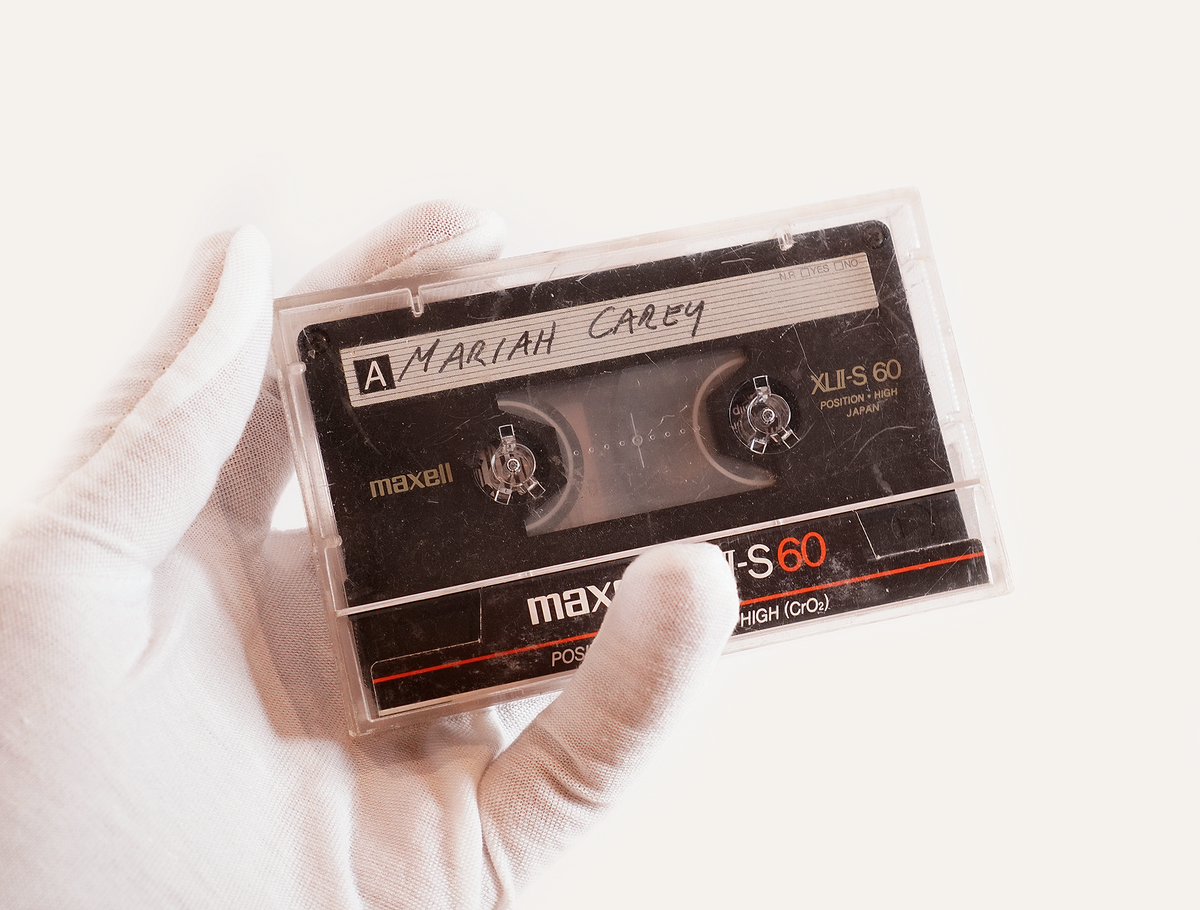
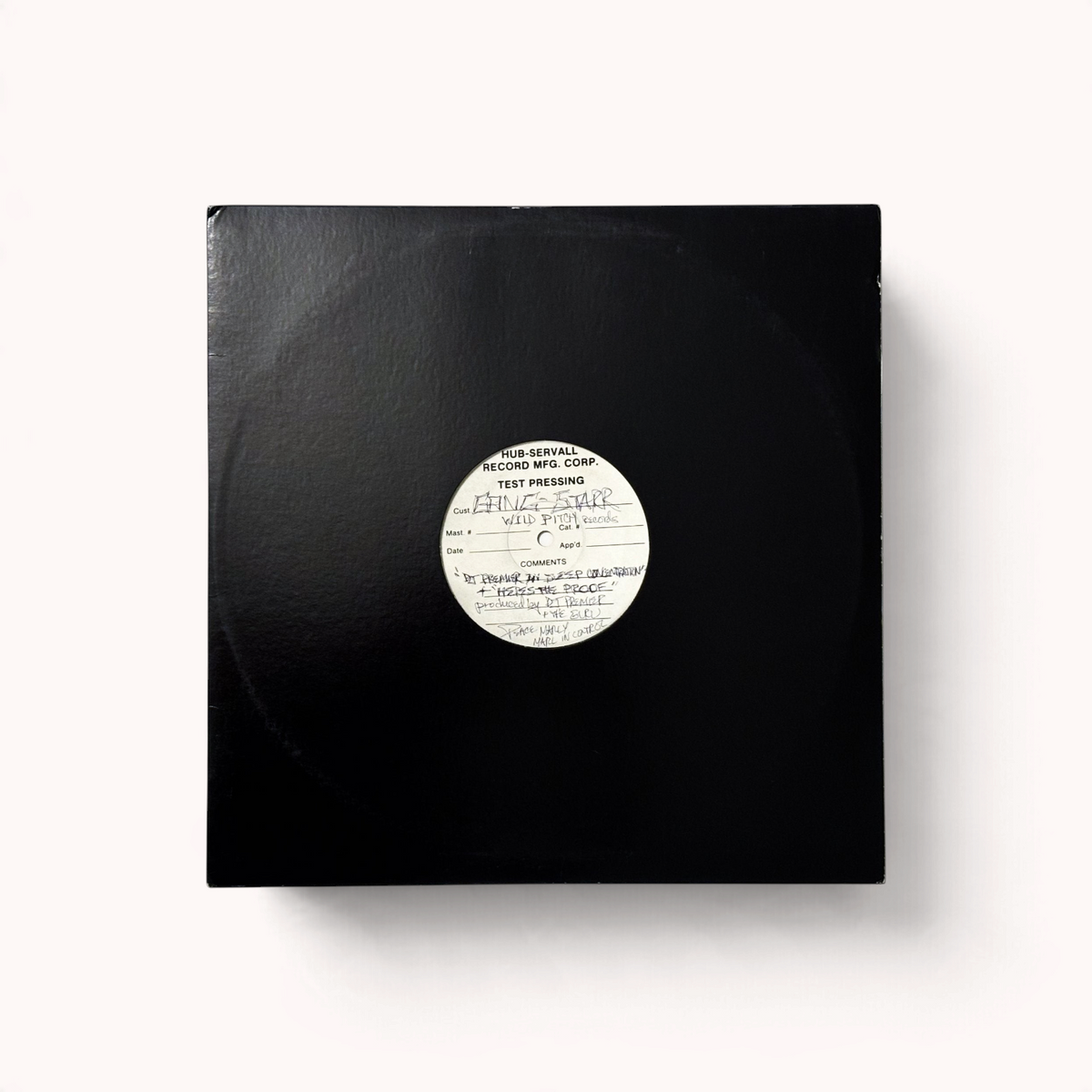
Gang Starr - ‘Words I Manifest’ 12-Inch Test Pressing, Inscribed by Guru to Marley Marl
Gang Starr’s “Words I Manifest” was released by Wild Pitch Records in 1989 as a single from the group’s debut album, No More Mr. Nice Guy. This is a 12-inch test pressing from the Hub-Servall Record Mfg. Corp., in a plain black sleeve, with details filled out by hand, by Guru.
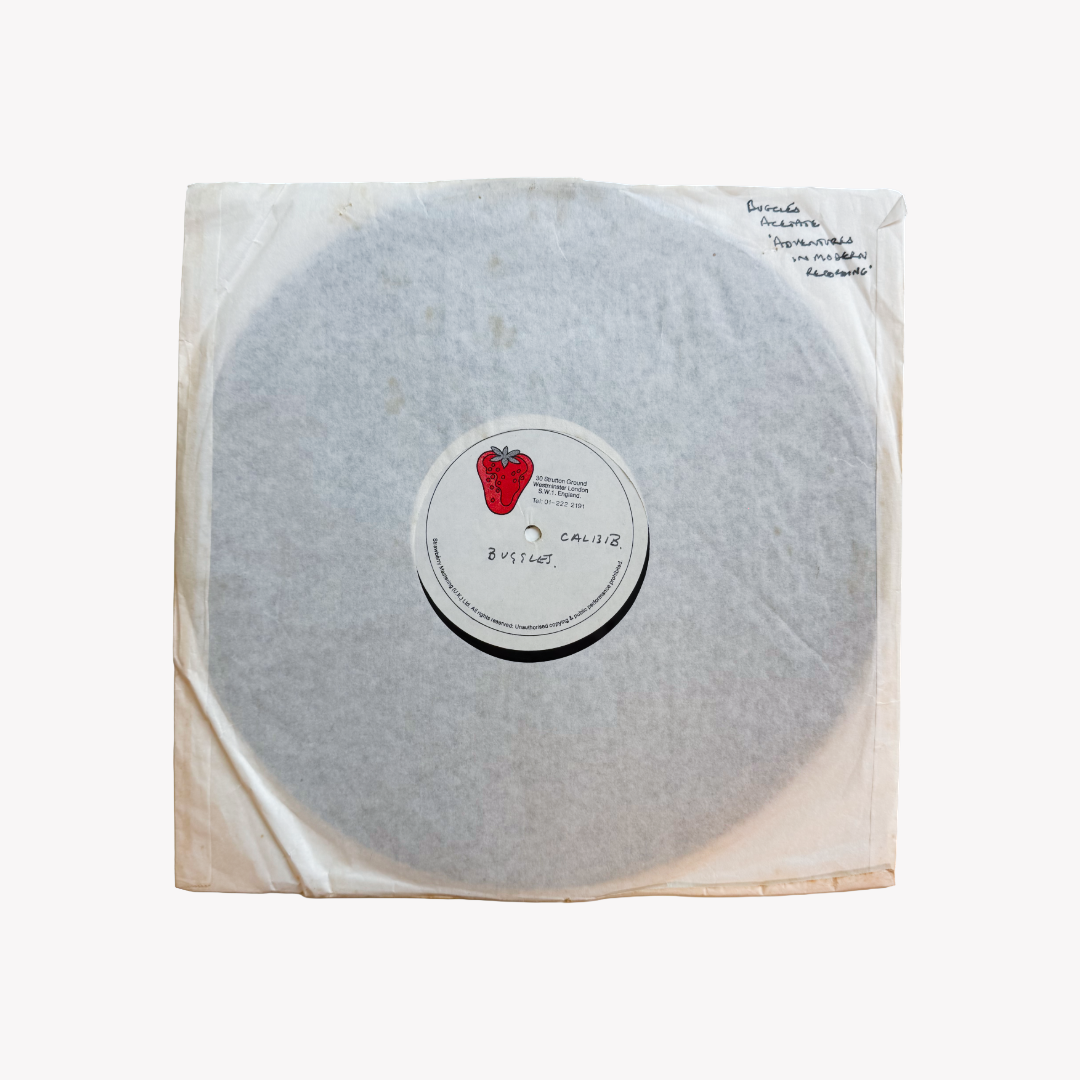
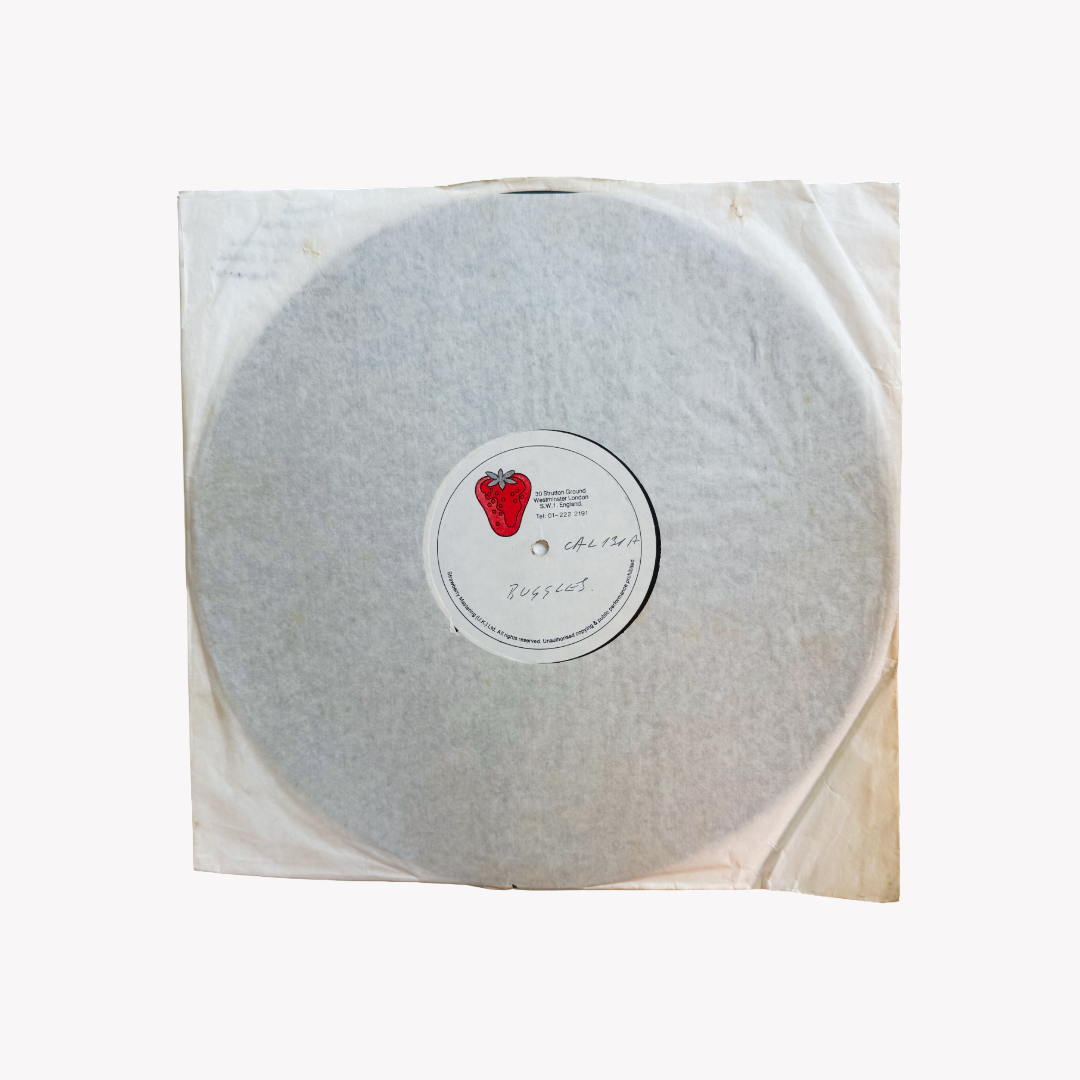
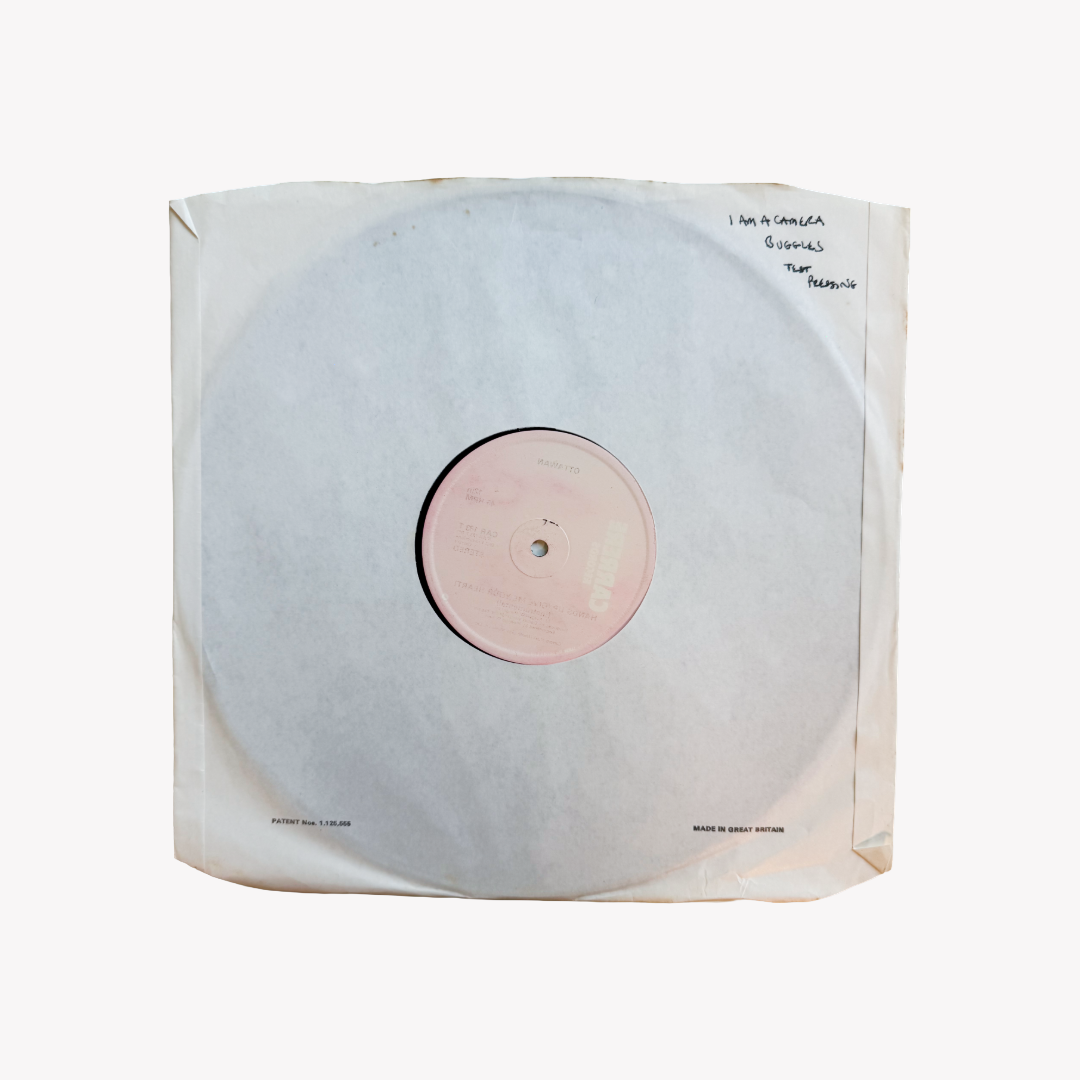
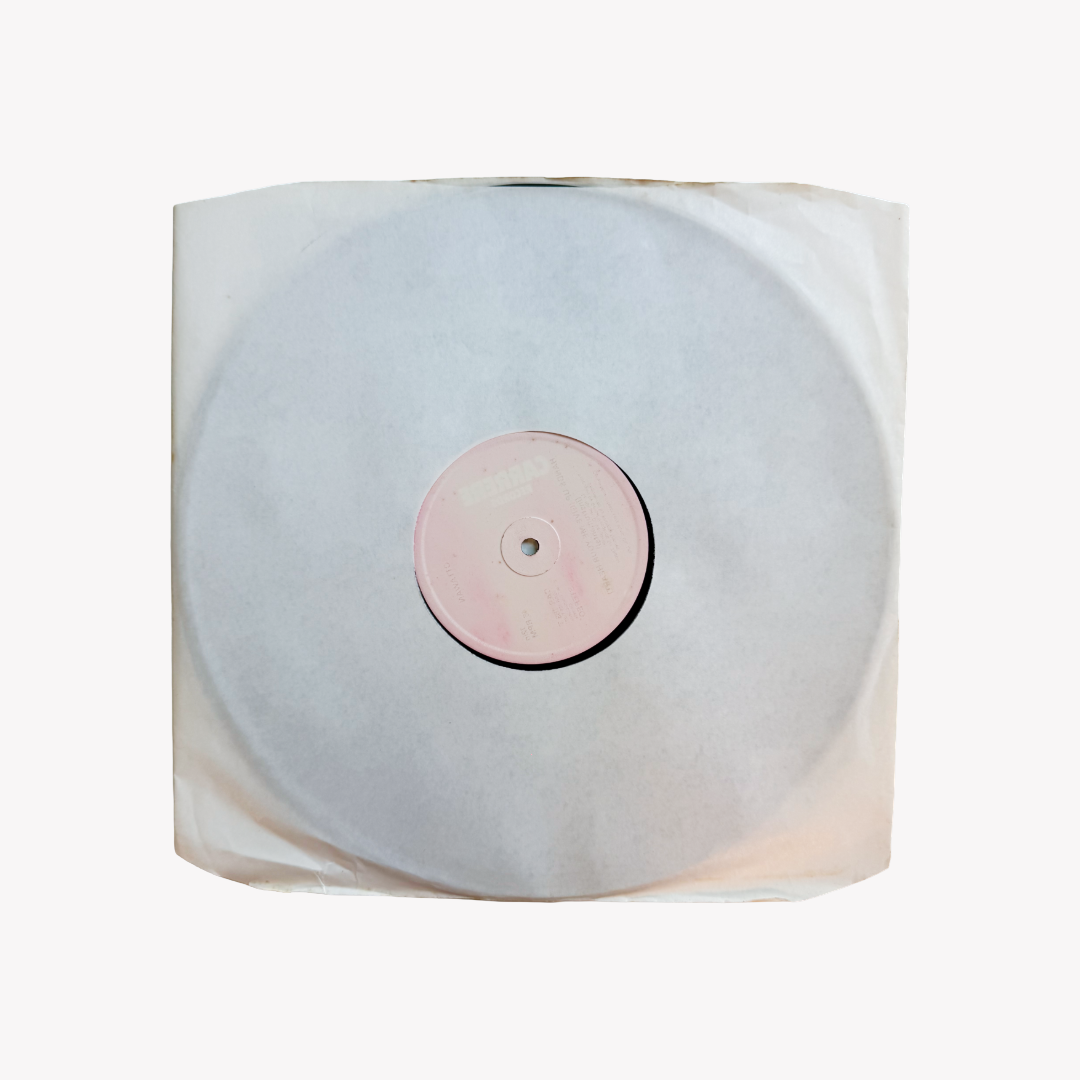
The Buggles - ‘Adventures in Modern Recording’ Acetate & ‘I Am a Camera’ Test Pressings
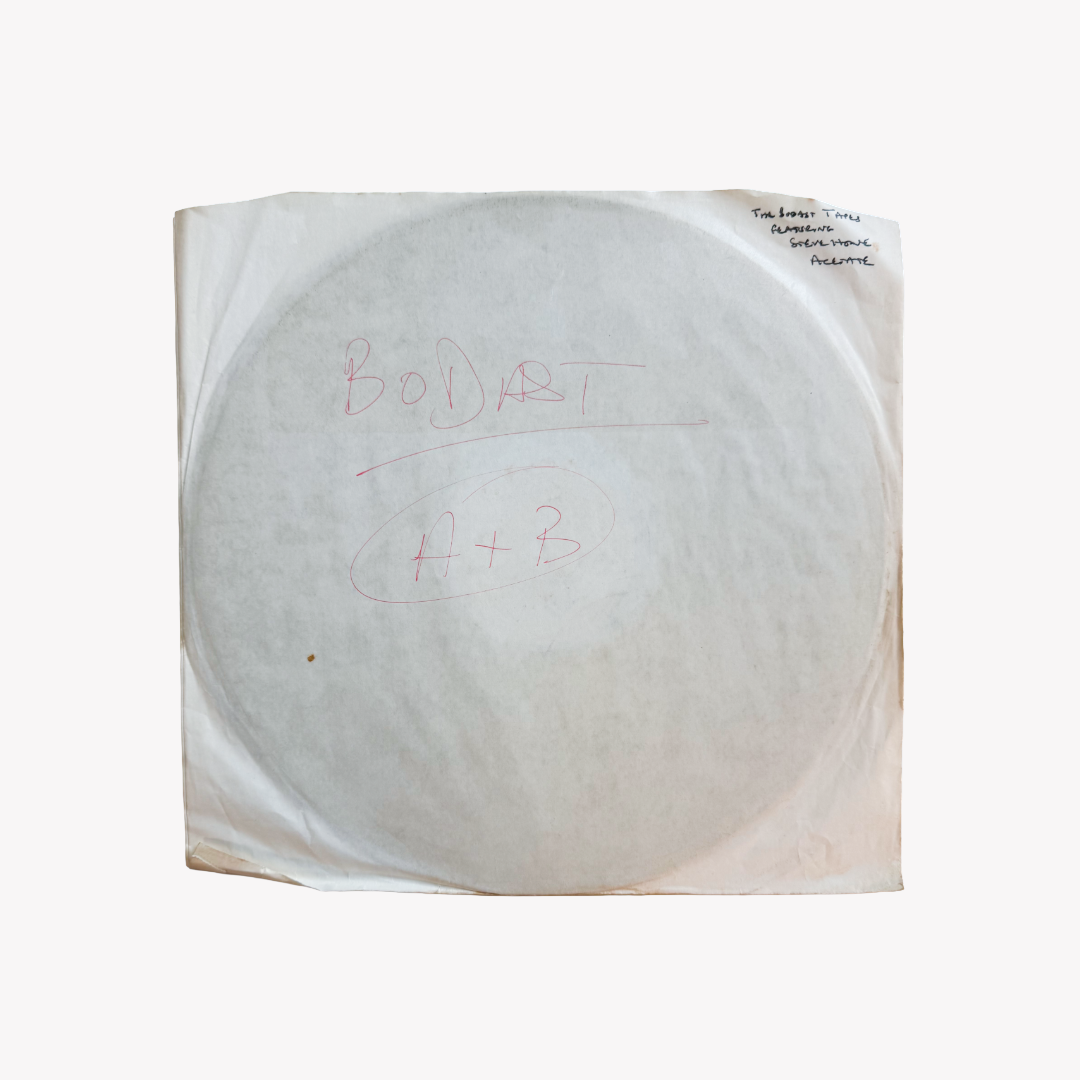
Bodast featuring Steve Howe - ‘The Bodast Tapes’ Acetate
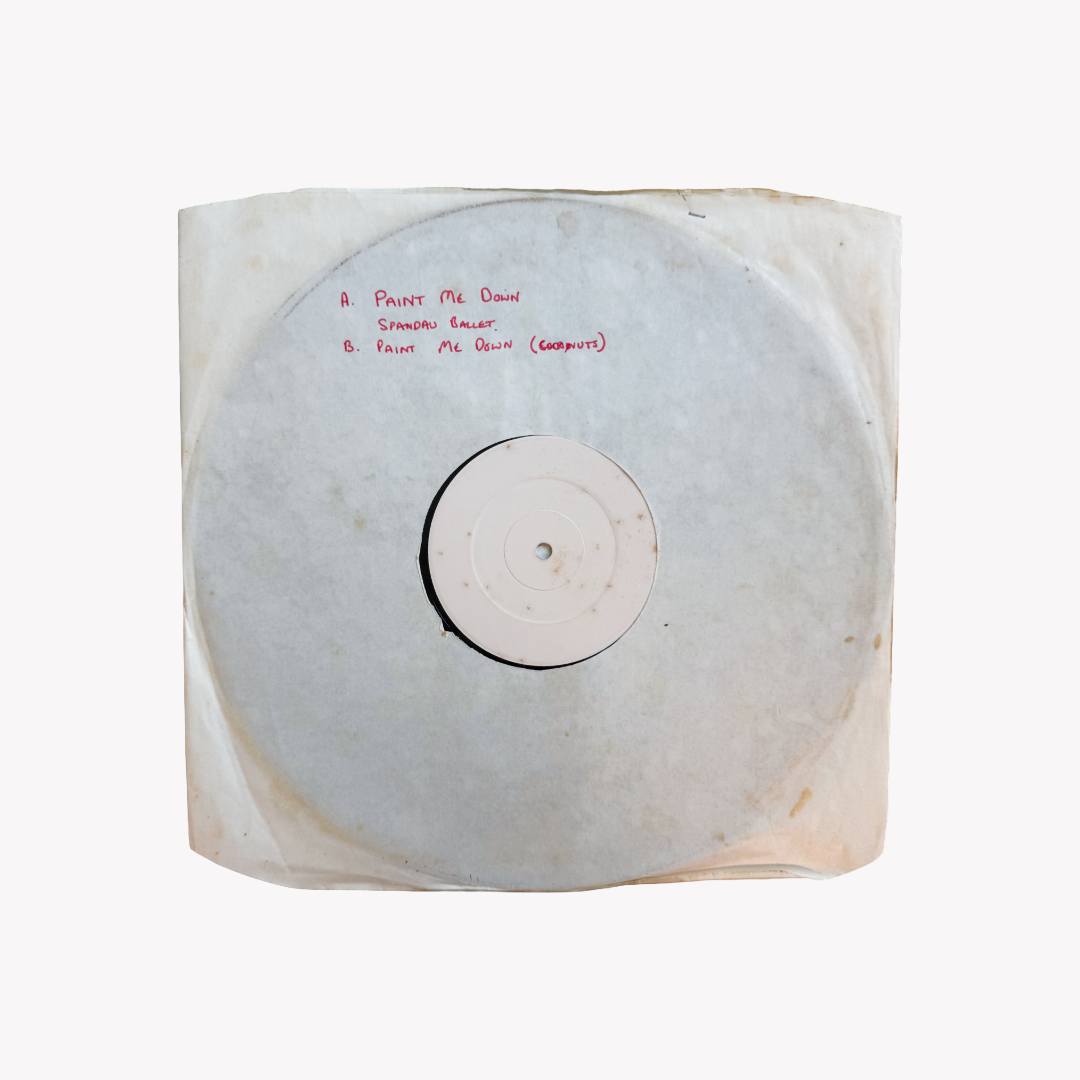
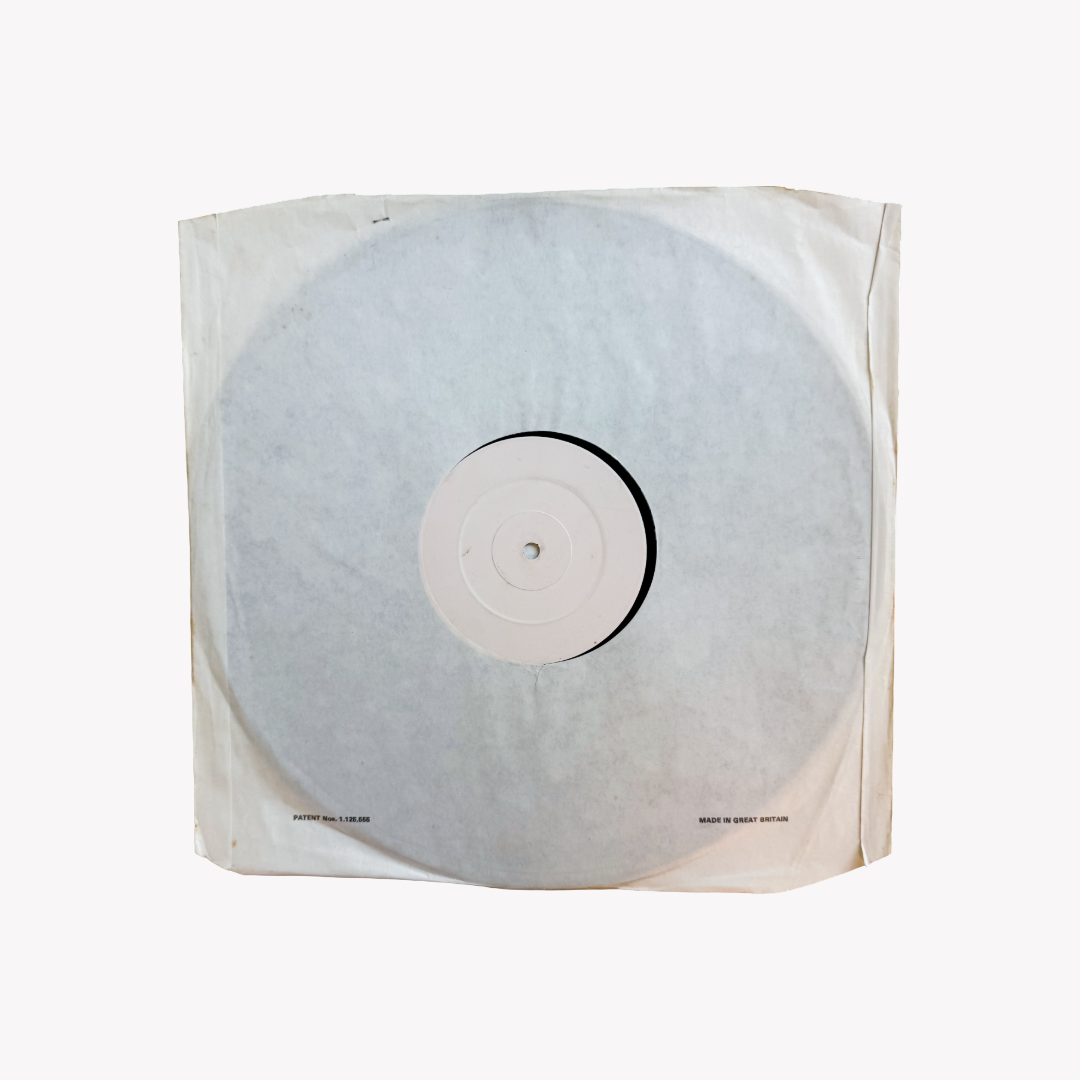
Spandau Ballet - ‘Paint Me Down’ 12-Inch Test Pressing
Wu-Tang Clan street team promotional cassette (Wu)
DJ X-Cell mixtape featuring rare/unreleased Wu-Tang affiliate material
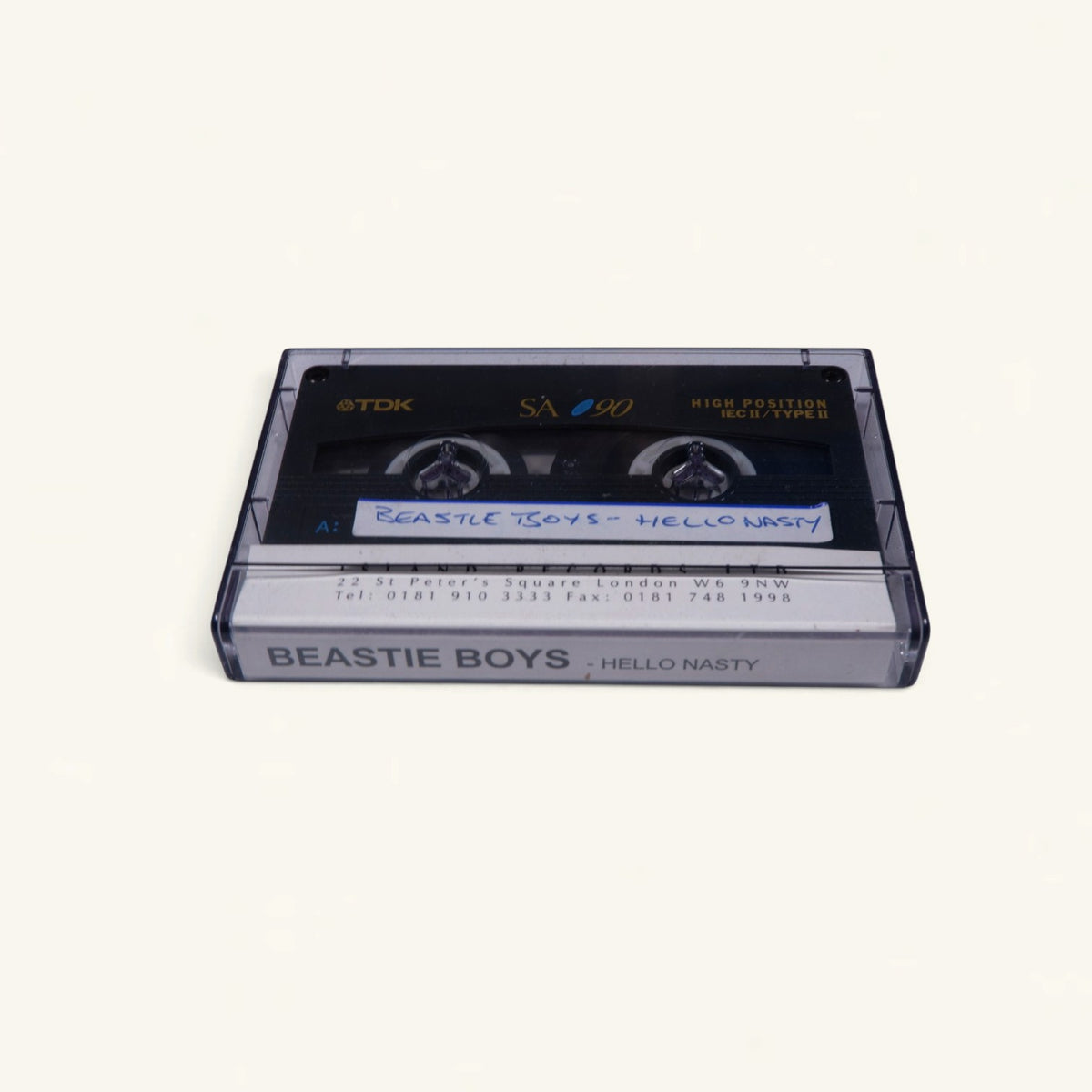
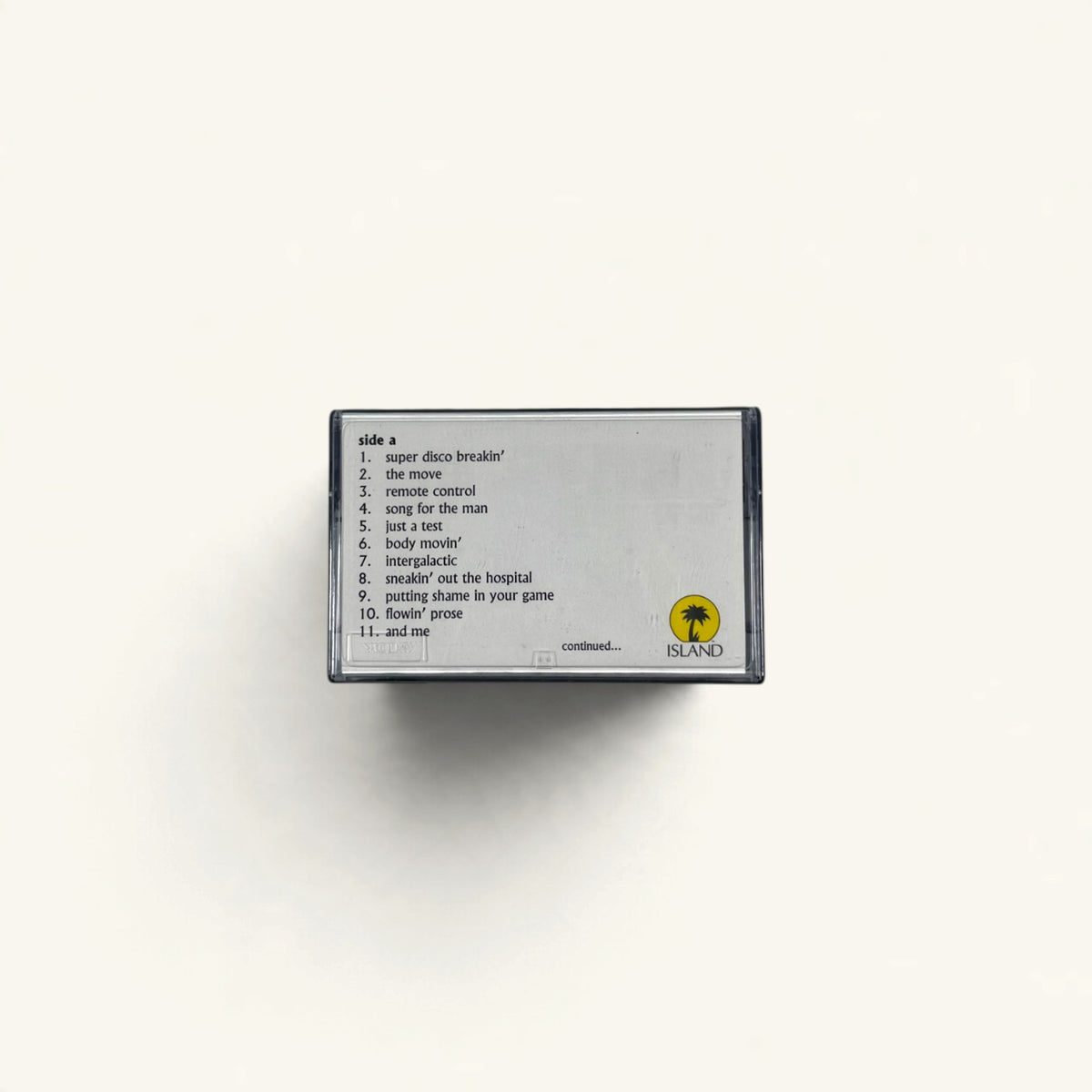
Beastie Boys - ‘Hello Nasty’ Island Records Advance Cassette
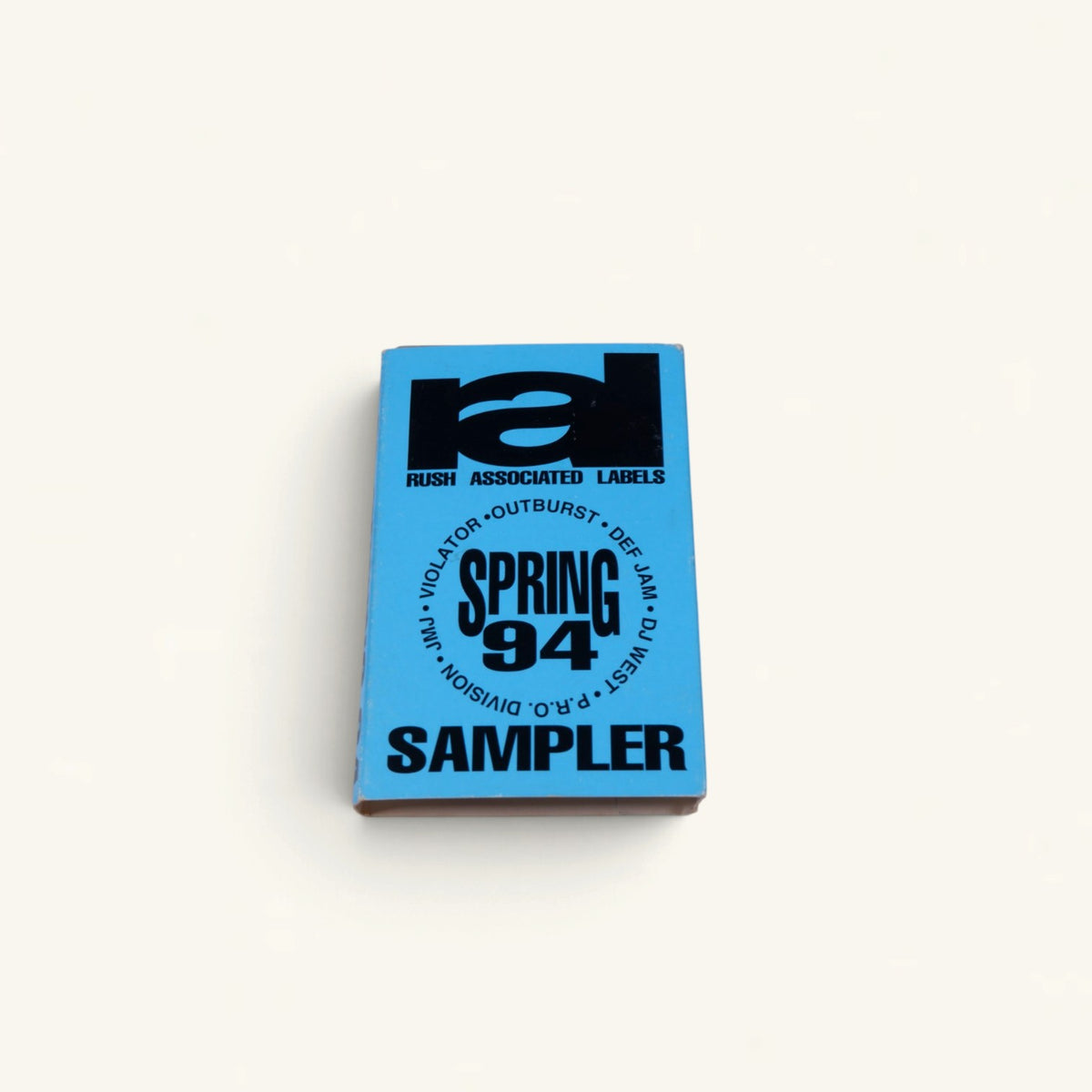
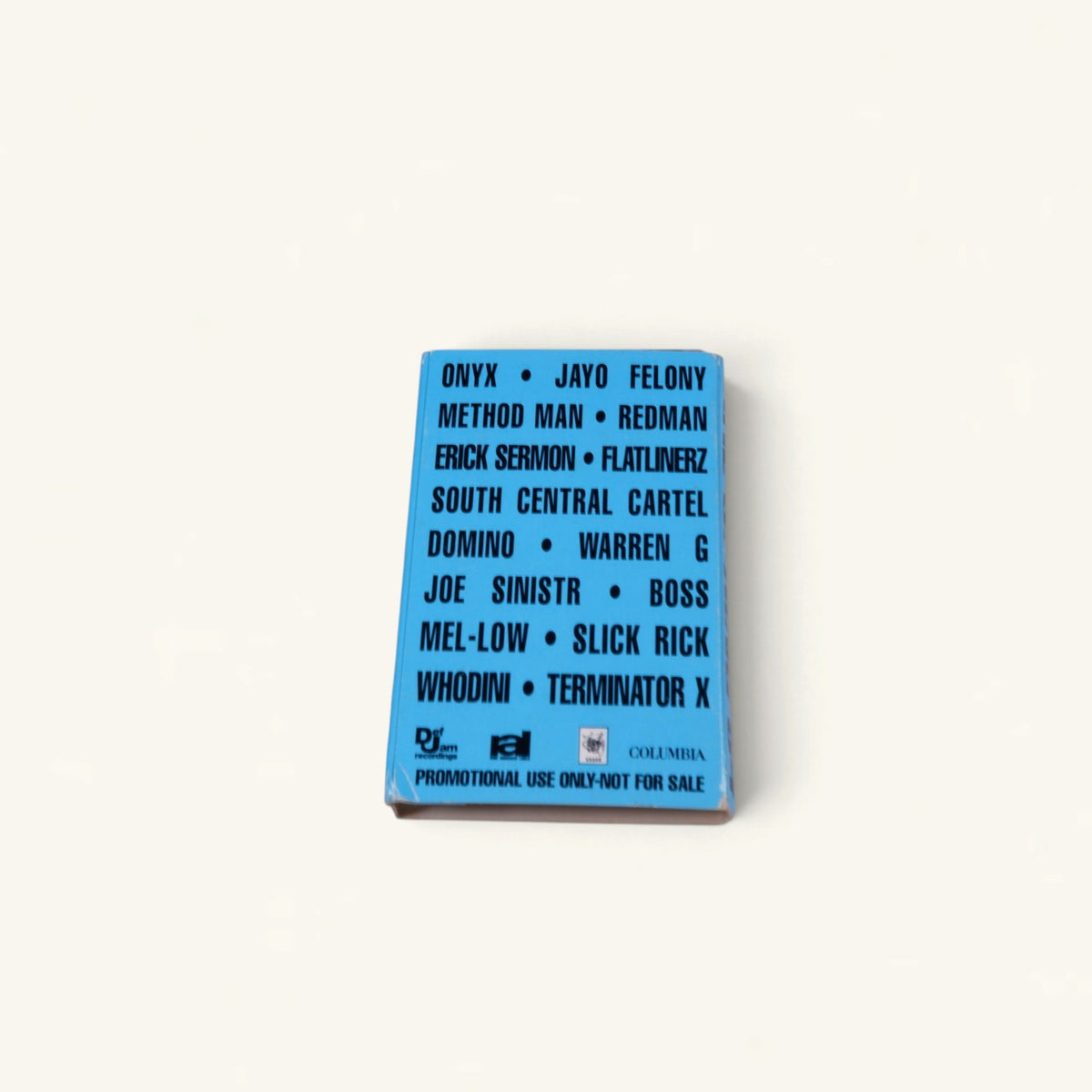
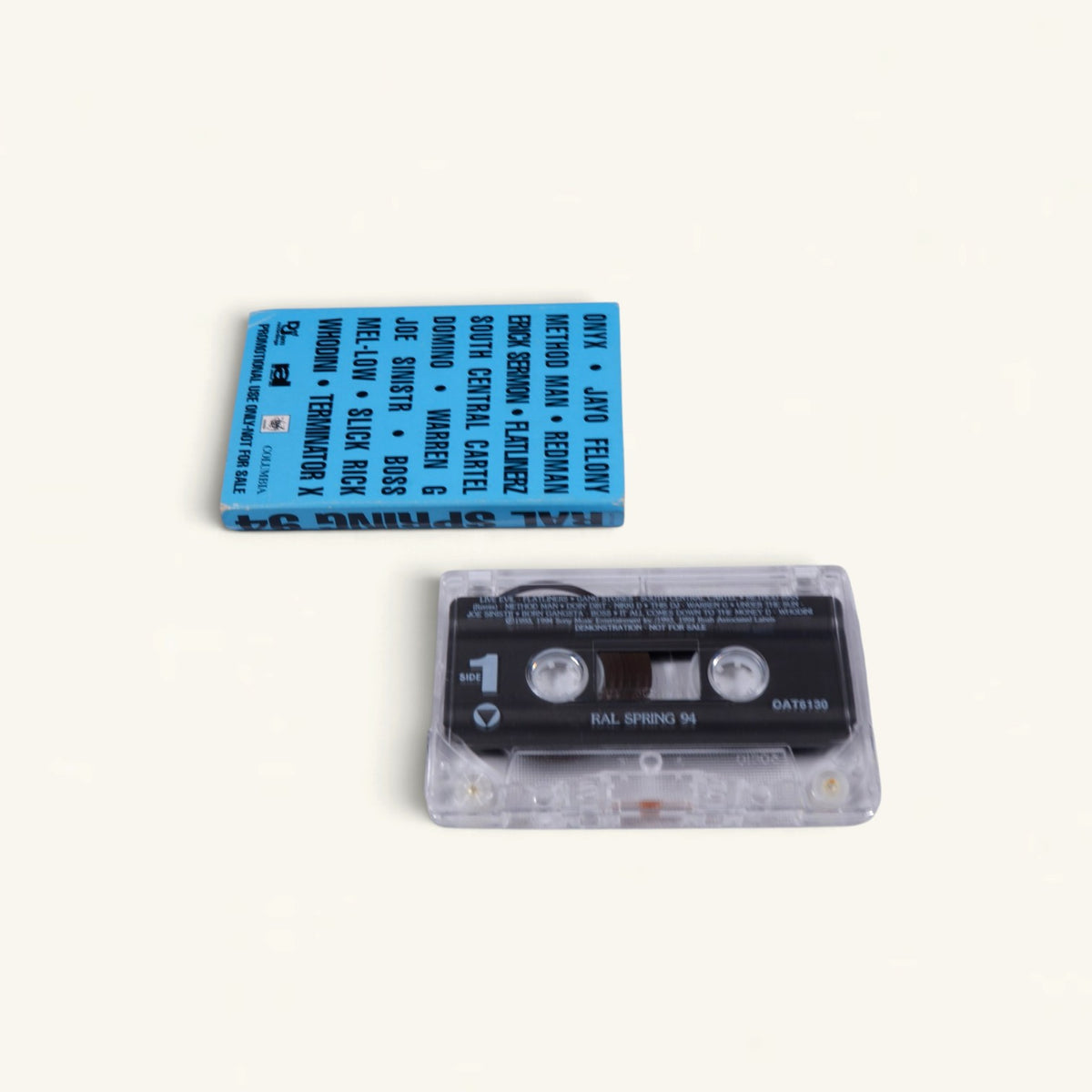
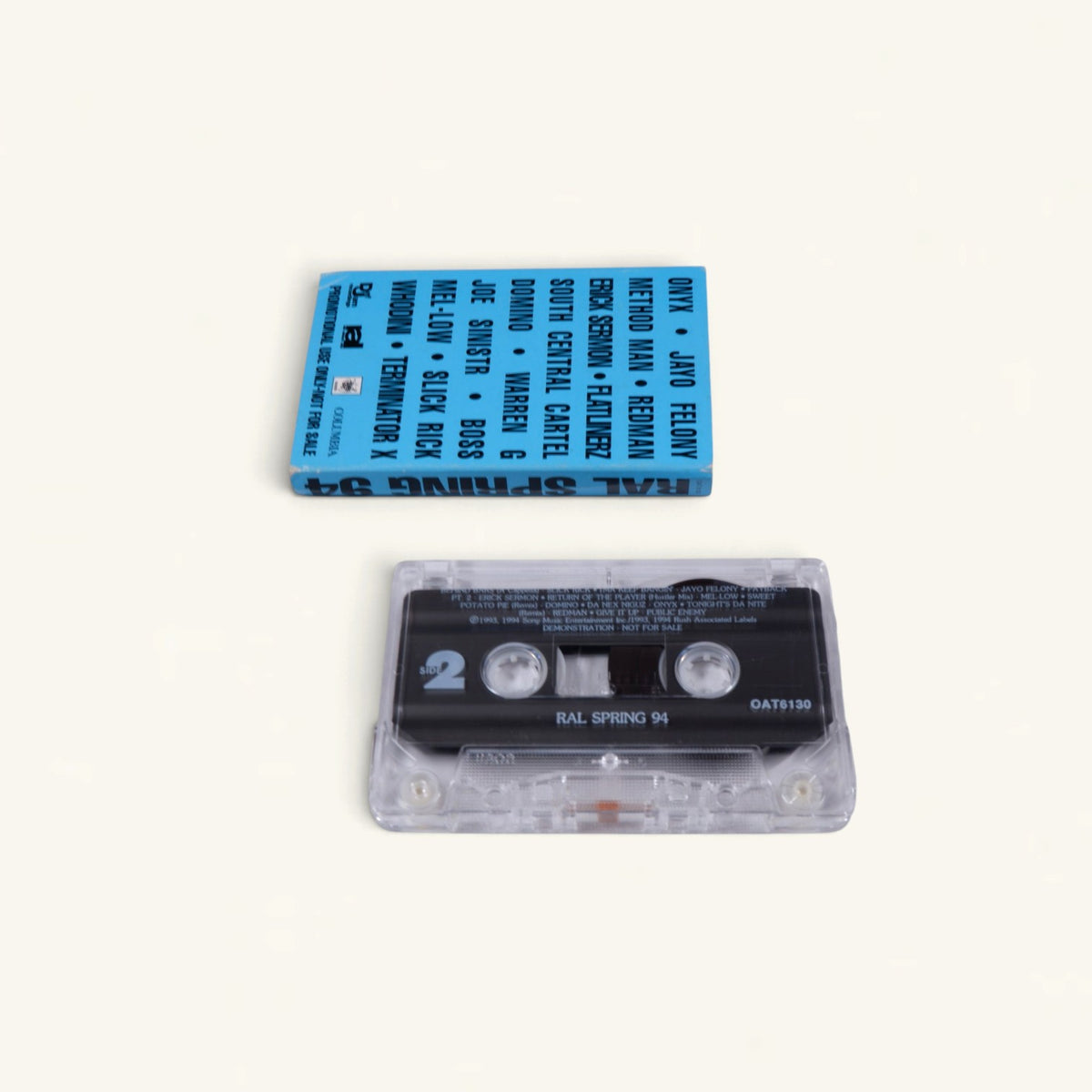
RAL Spring ’94 Sampler - Promo Cassette (Def Jam / Columbia)
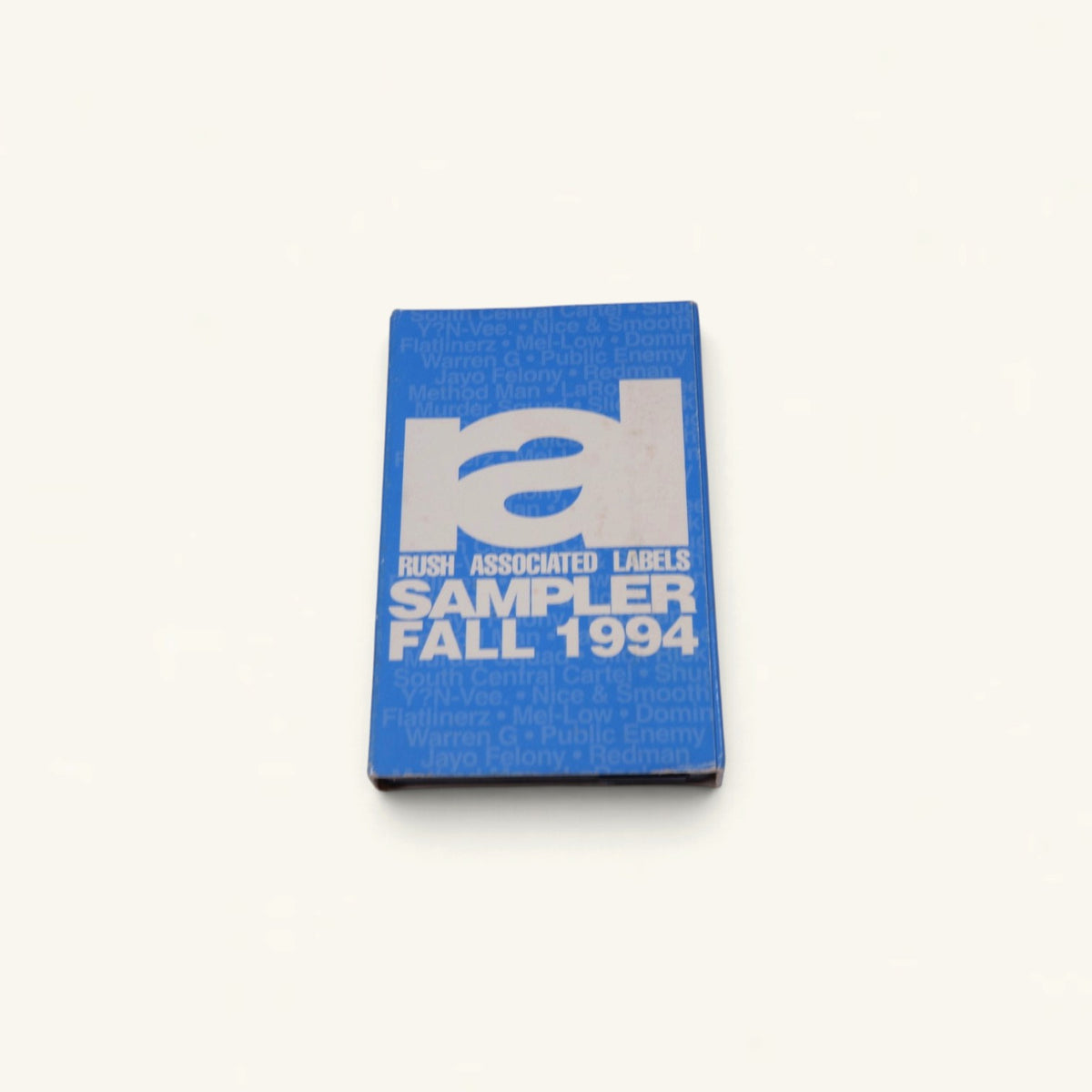
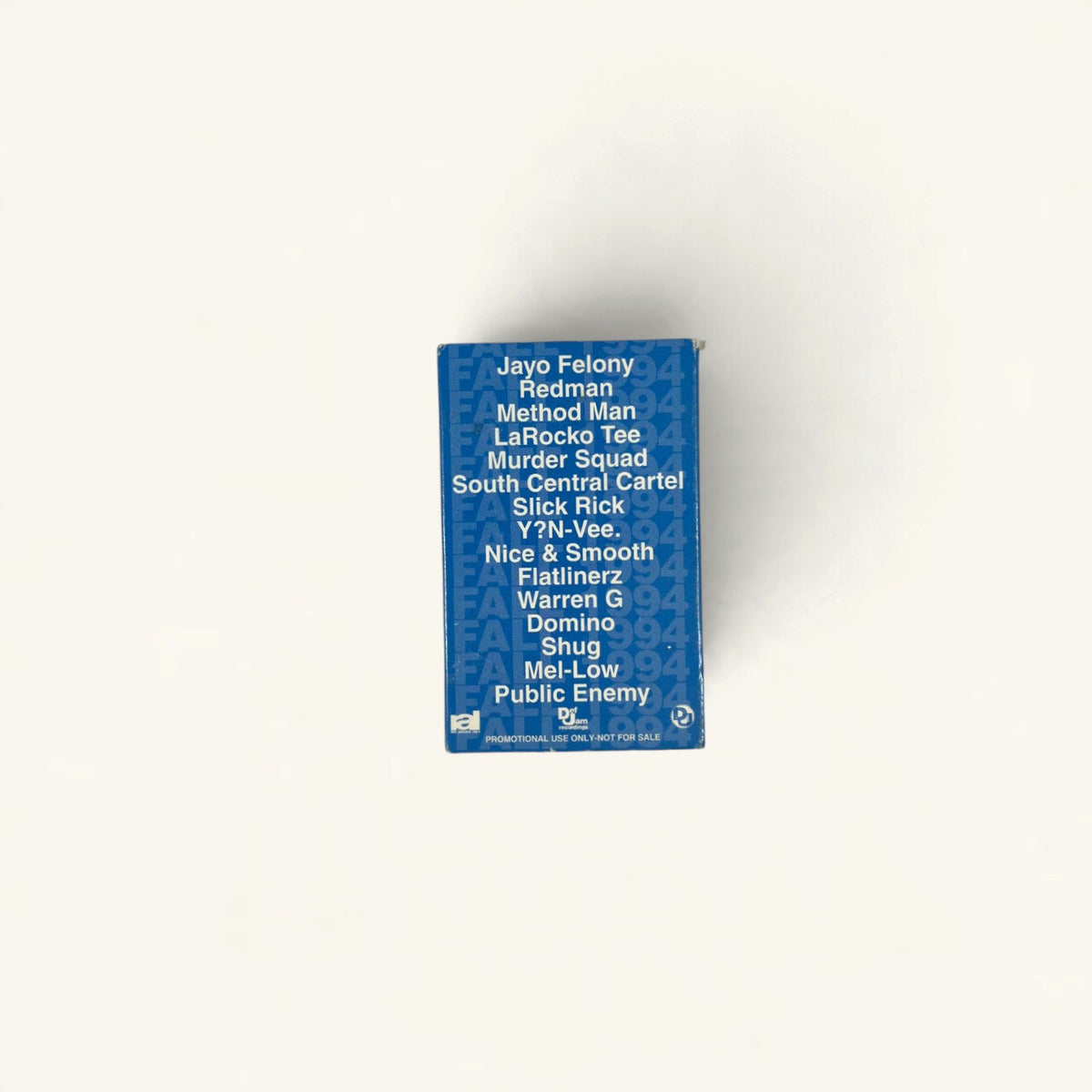
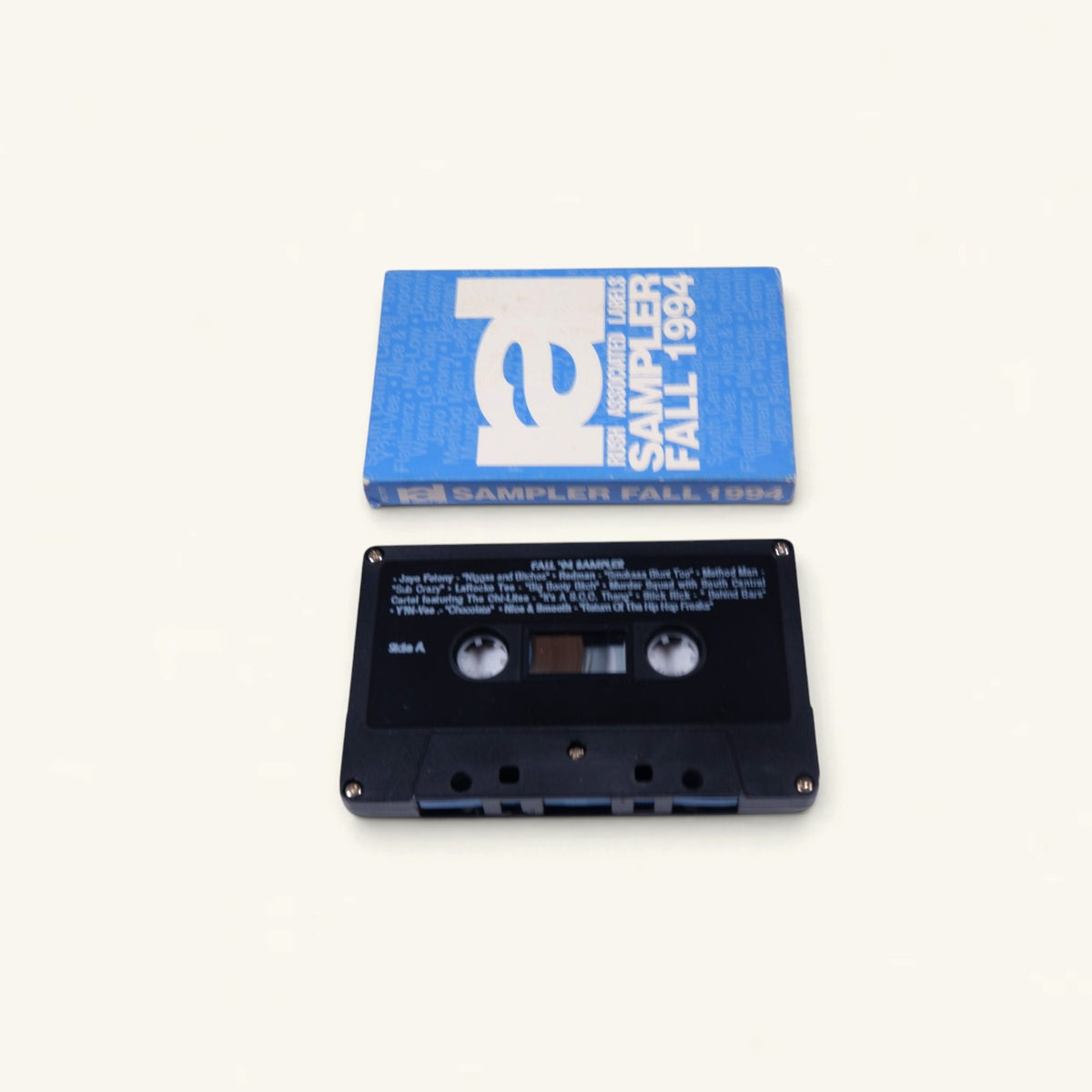
Rush Associated Labels (RAL) - Sampler Fall 1994 Promo Cassette
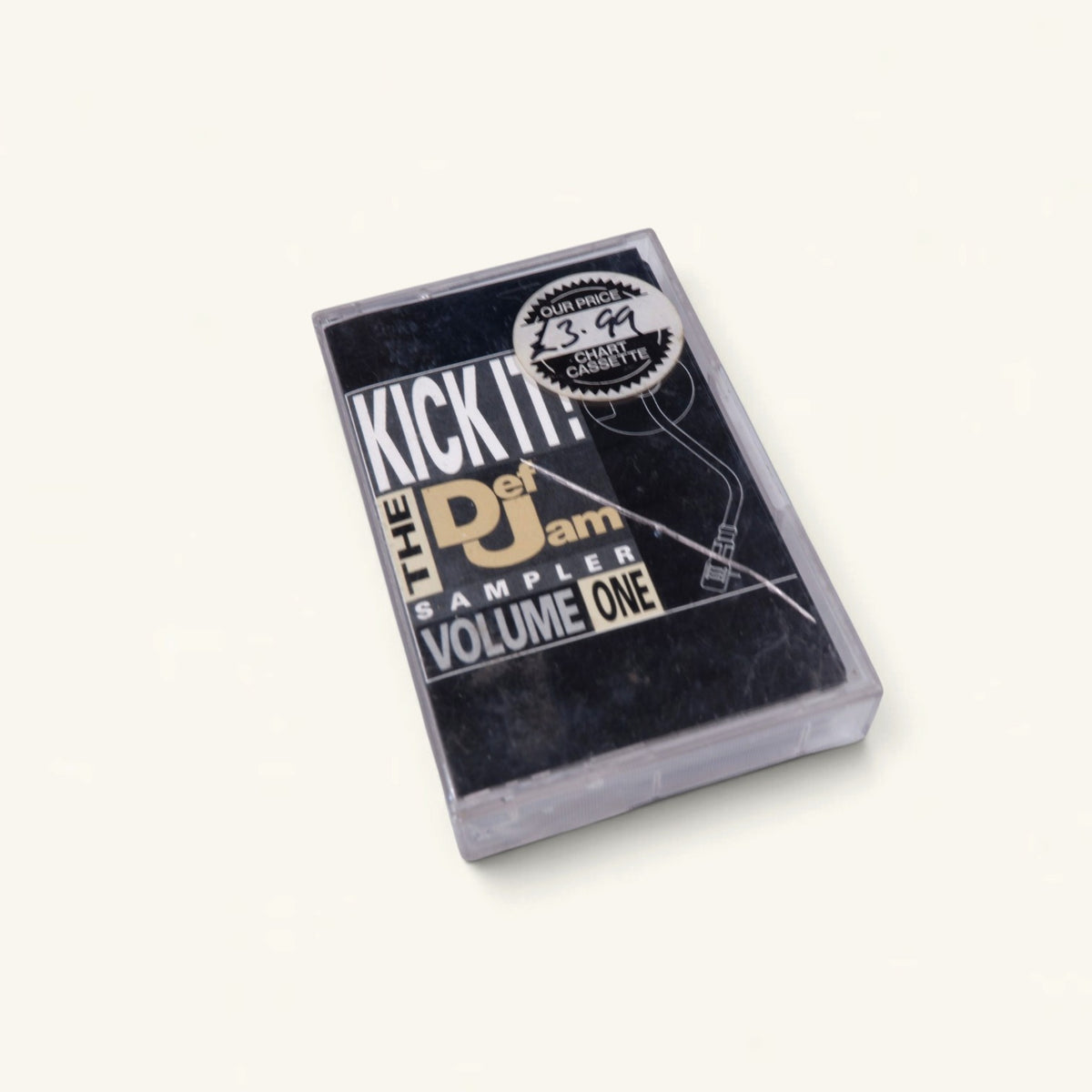
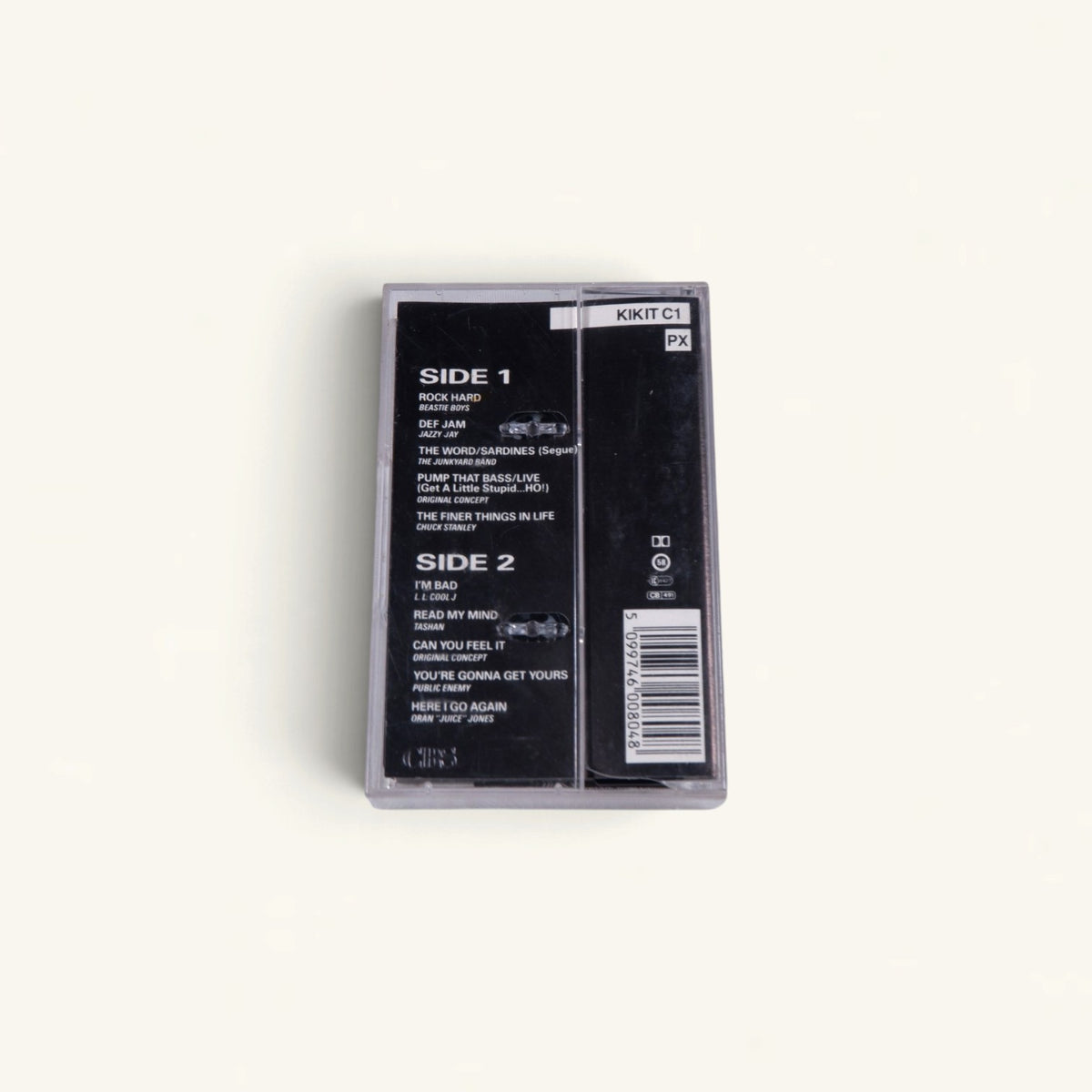
Kick It! The Def Jam Sampler Volume One - Cassette (CBS, 1987)

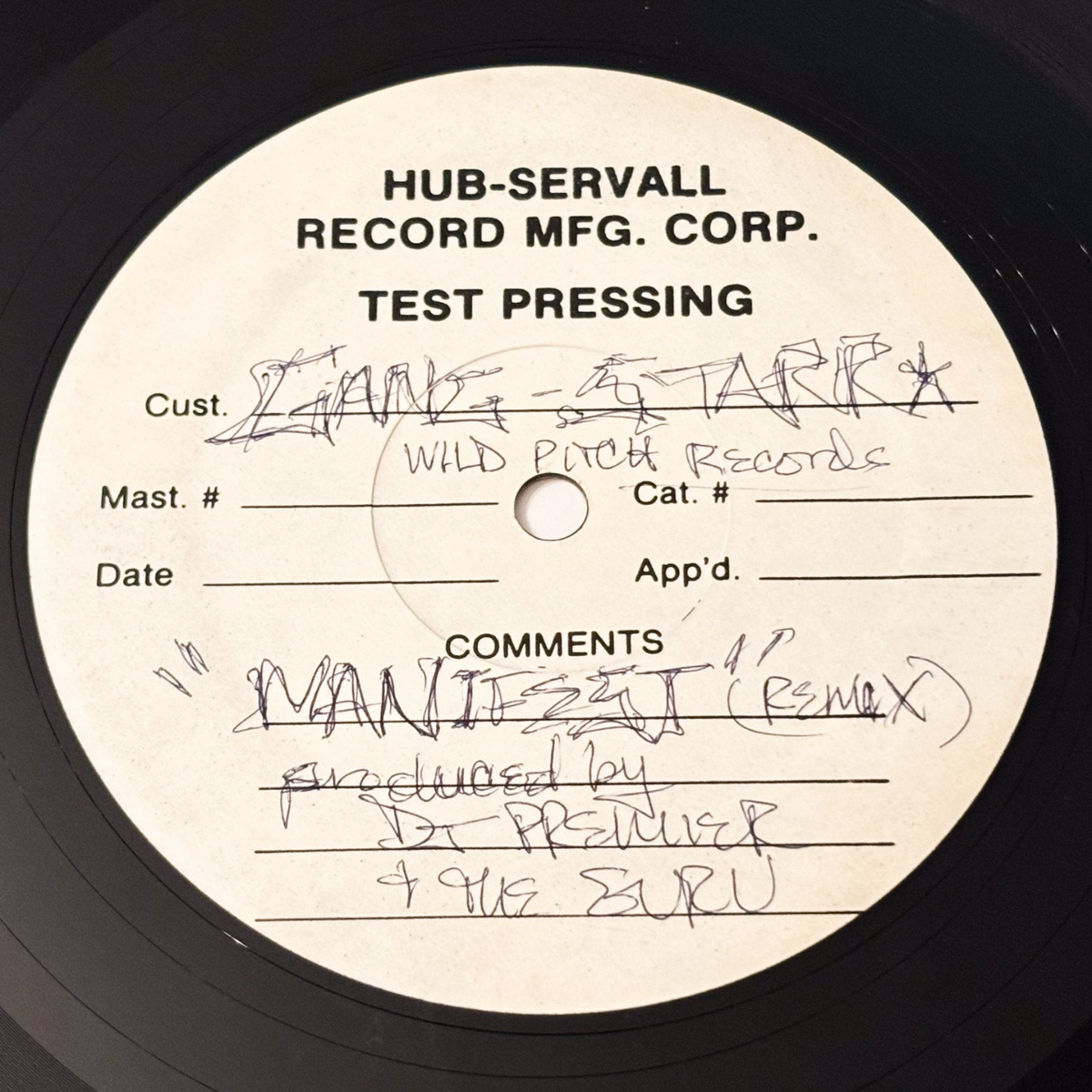

Gang Starr - ‘Words I Manifest’ 12-Inch Test Pressing, Inscribed by Guru to Marley Marl
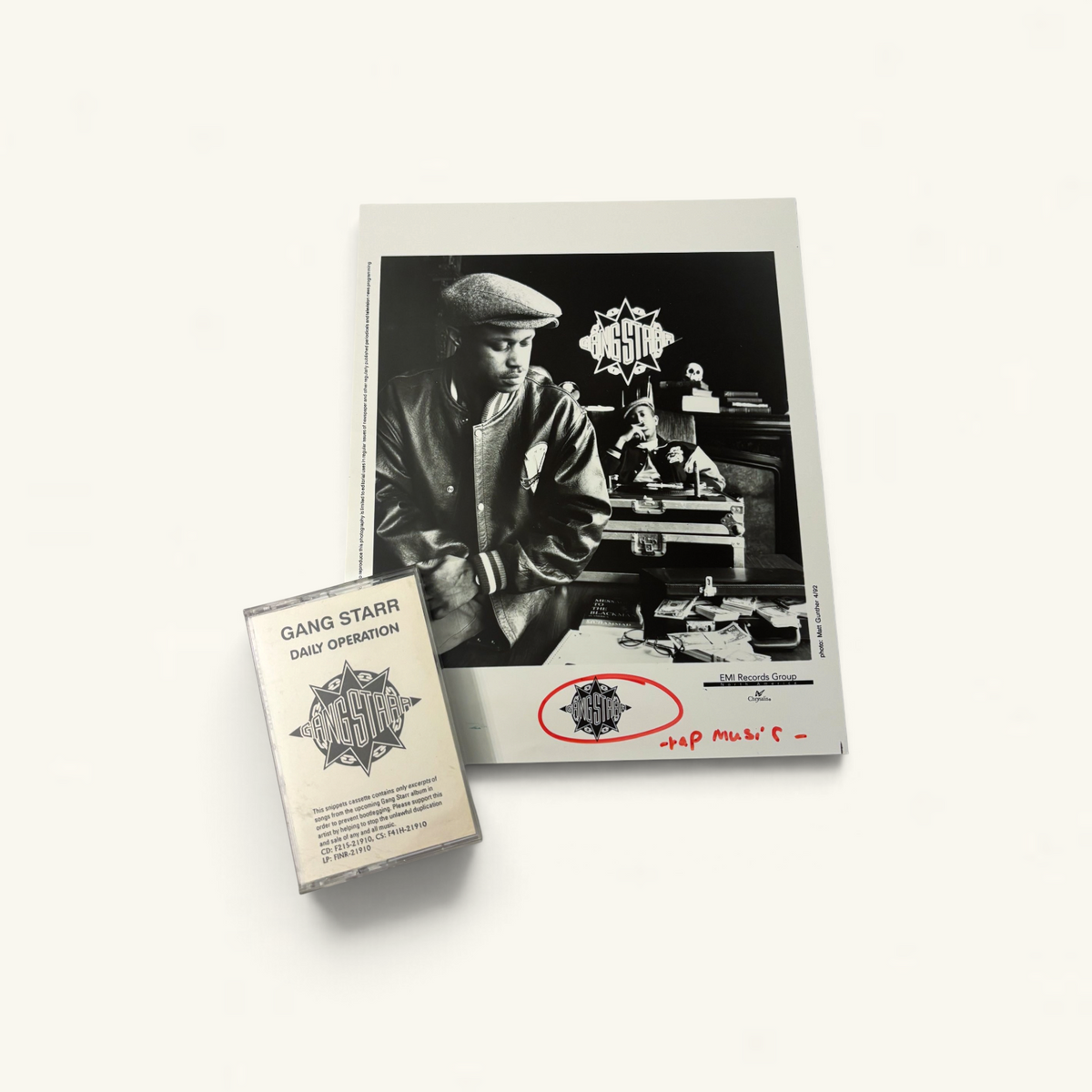
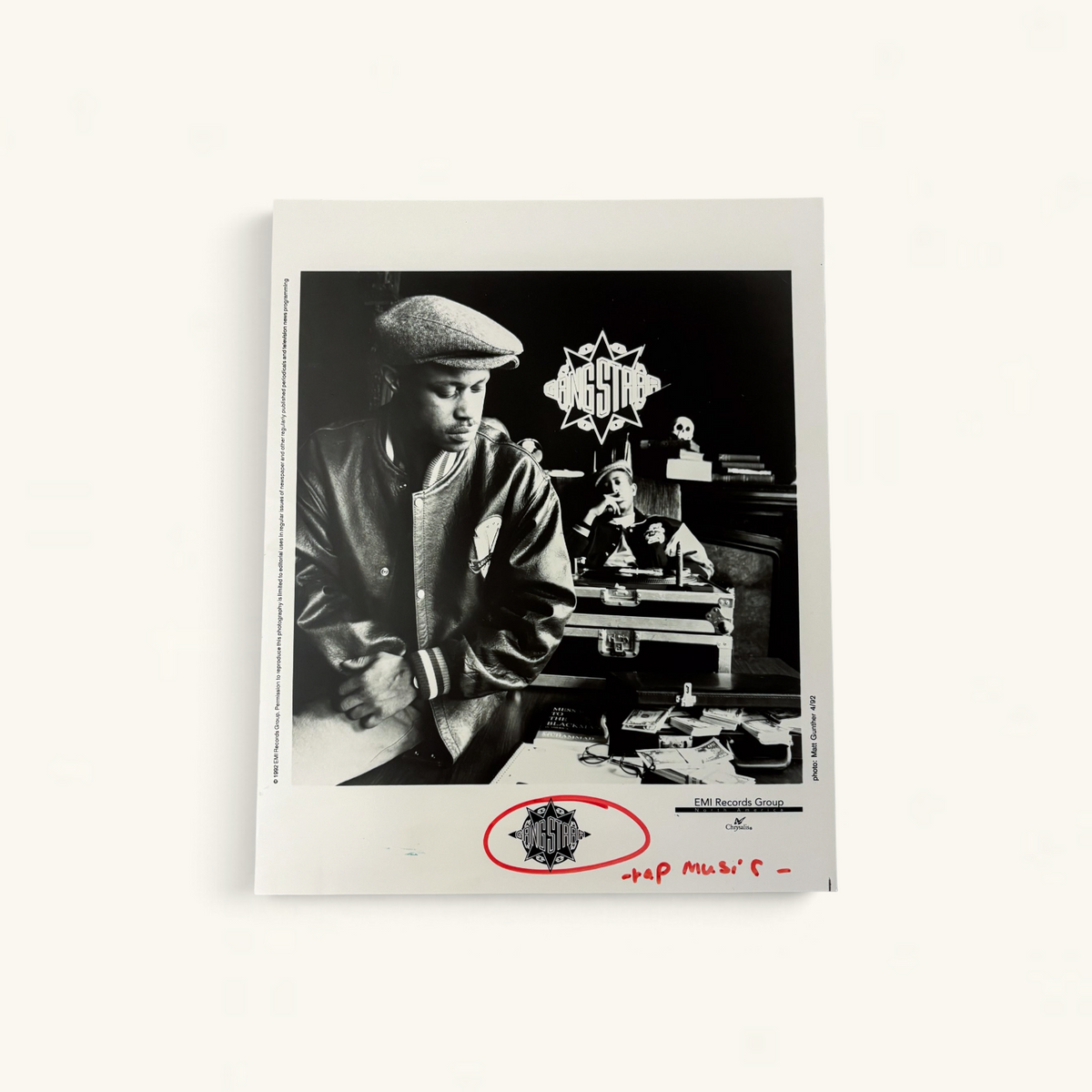
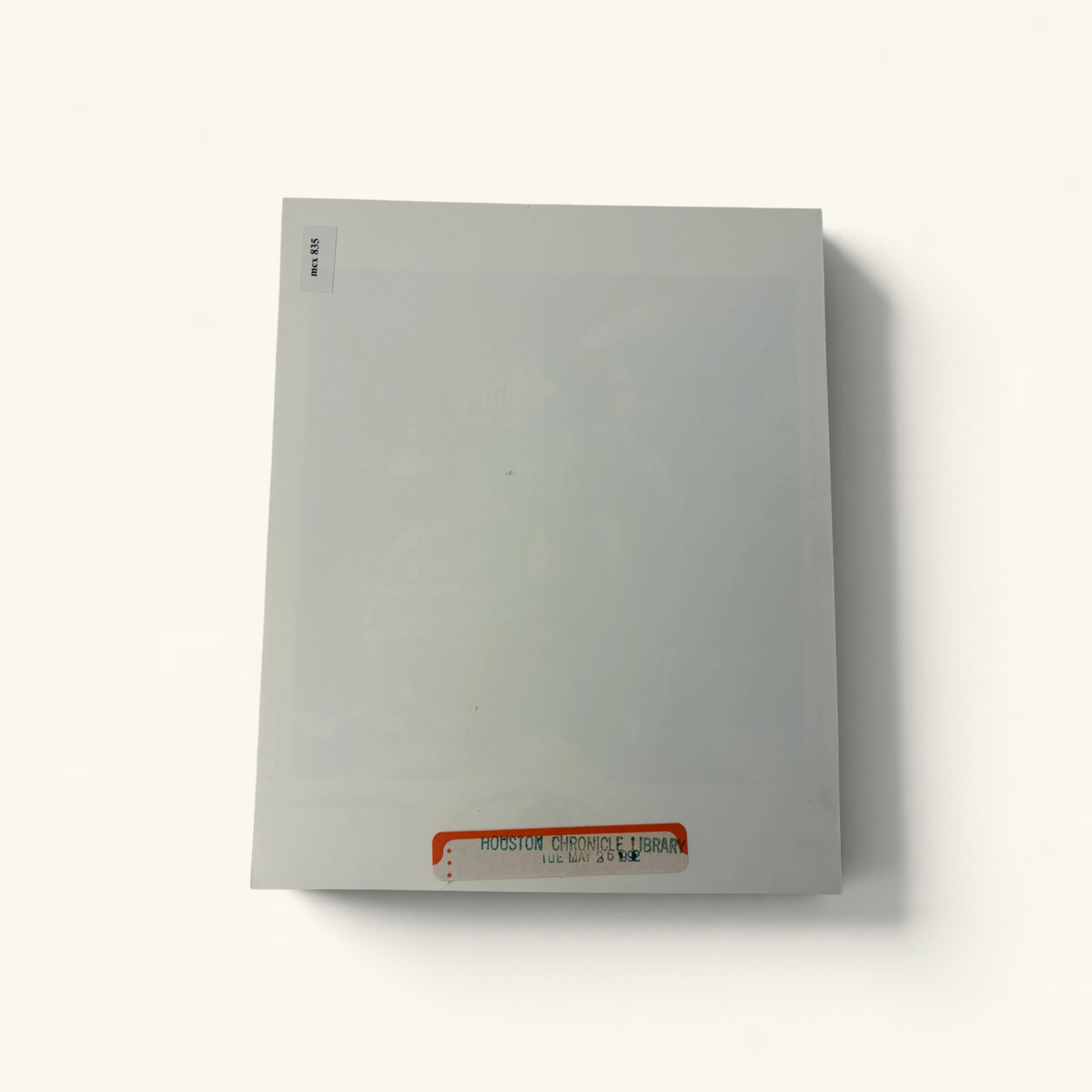
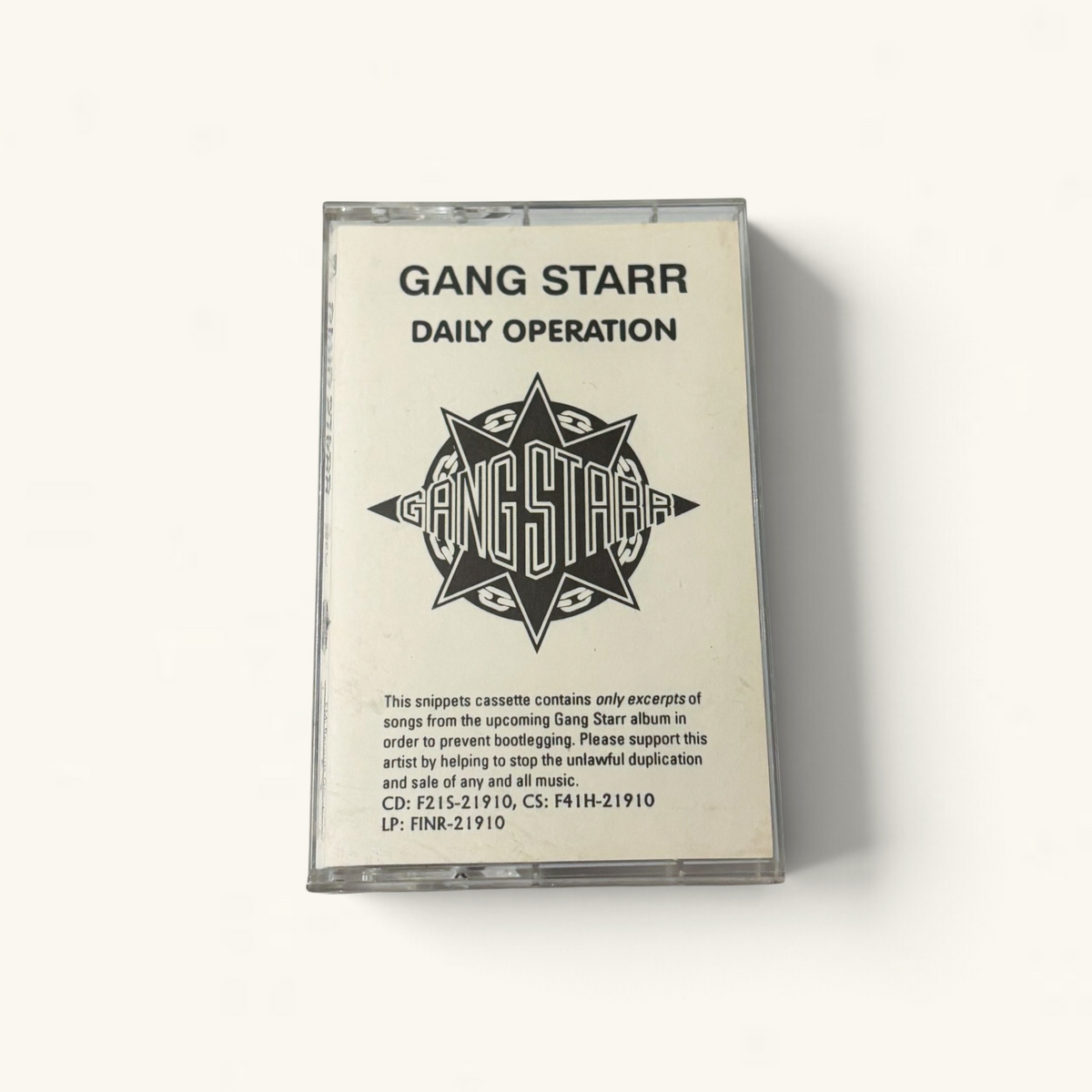
Gang Starr - ‘Daily Operation’ Press Kit Photo and Cassette
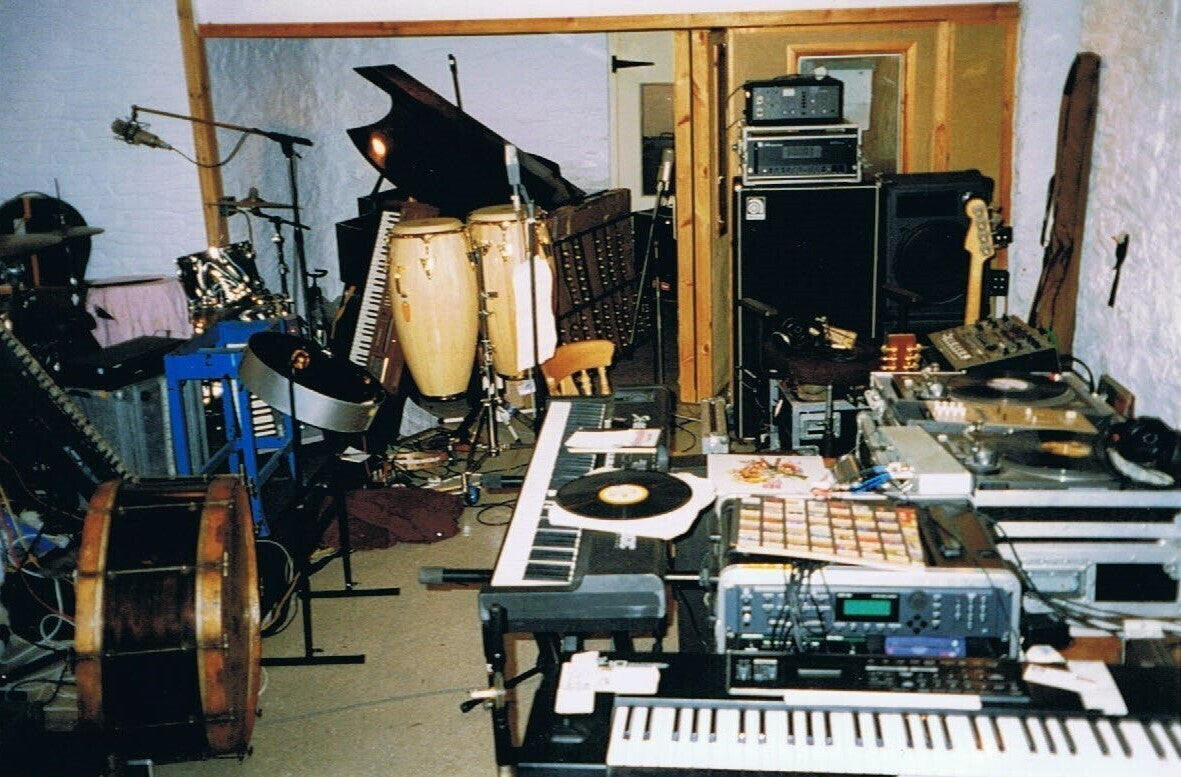
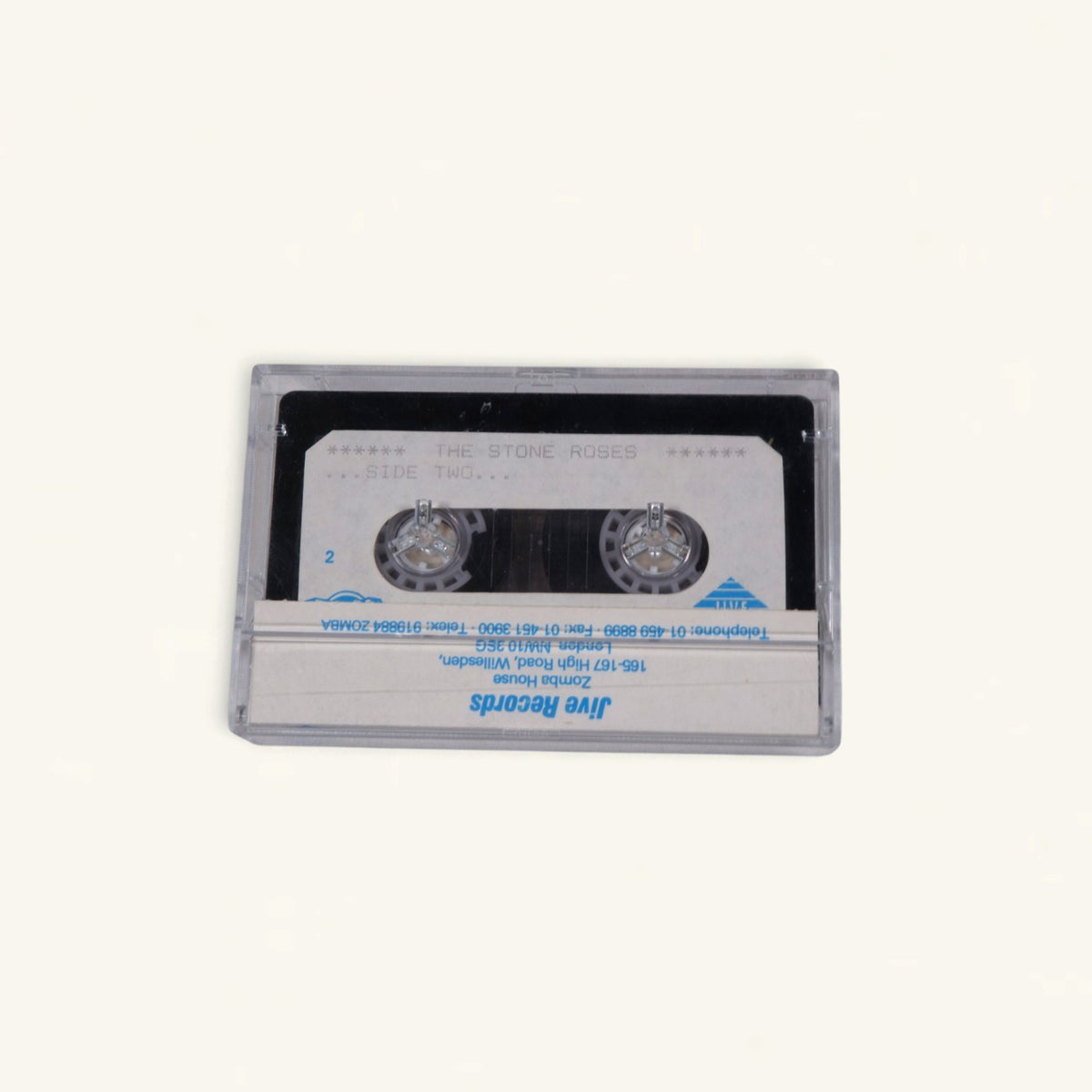
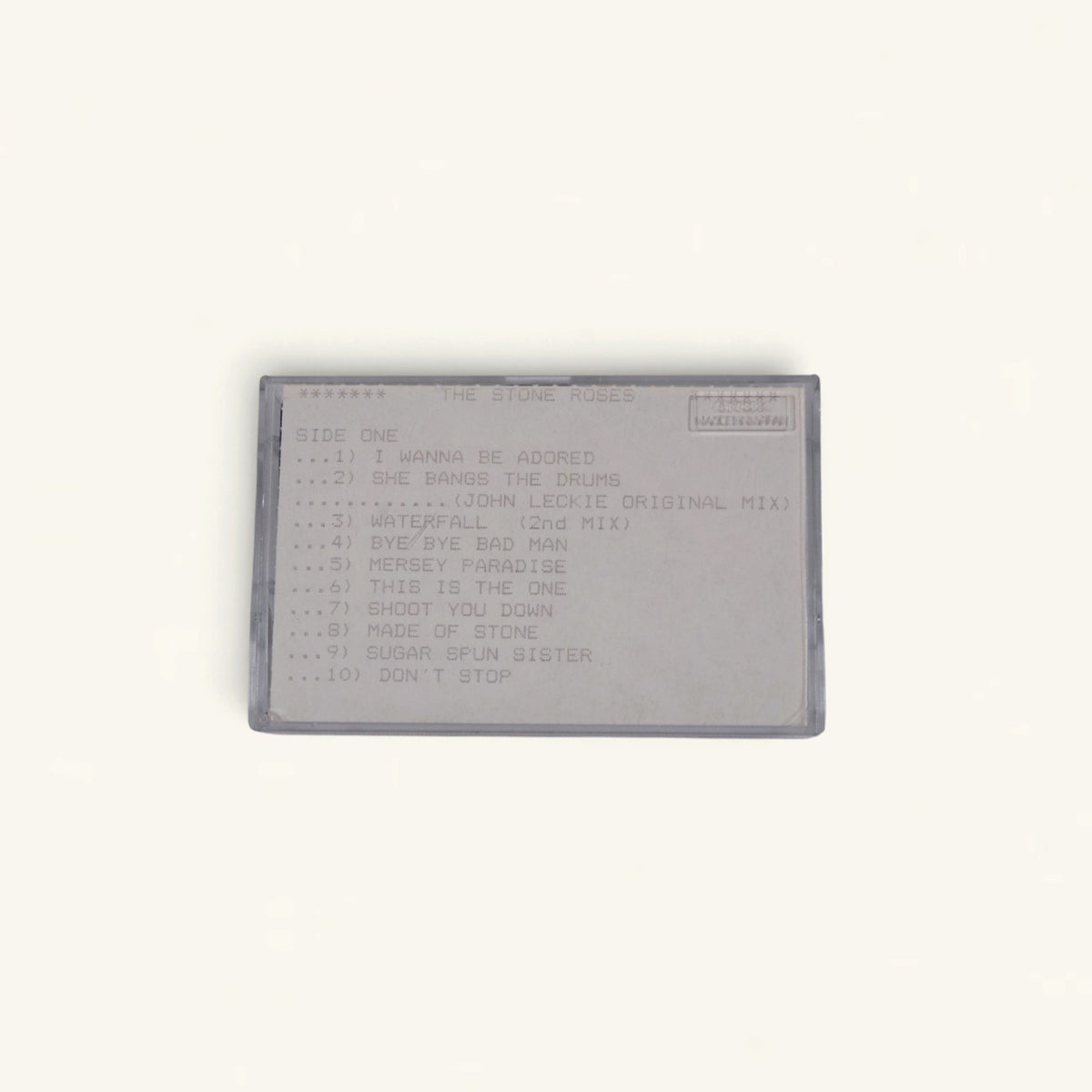
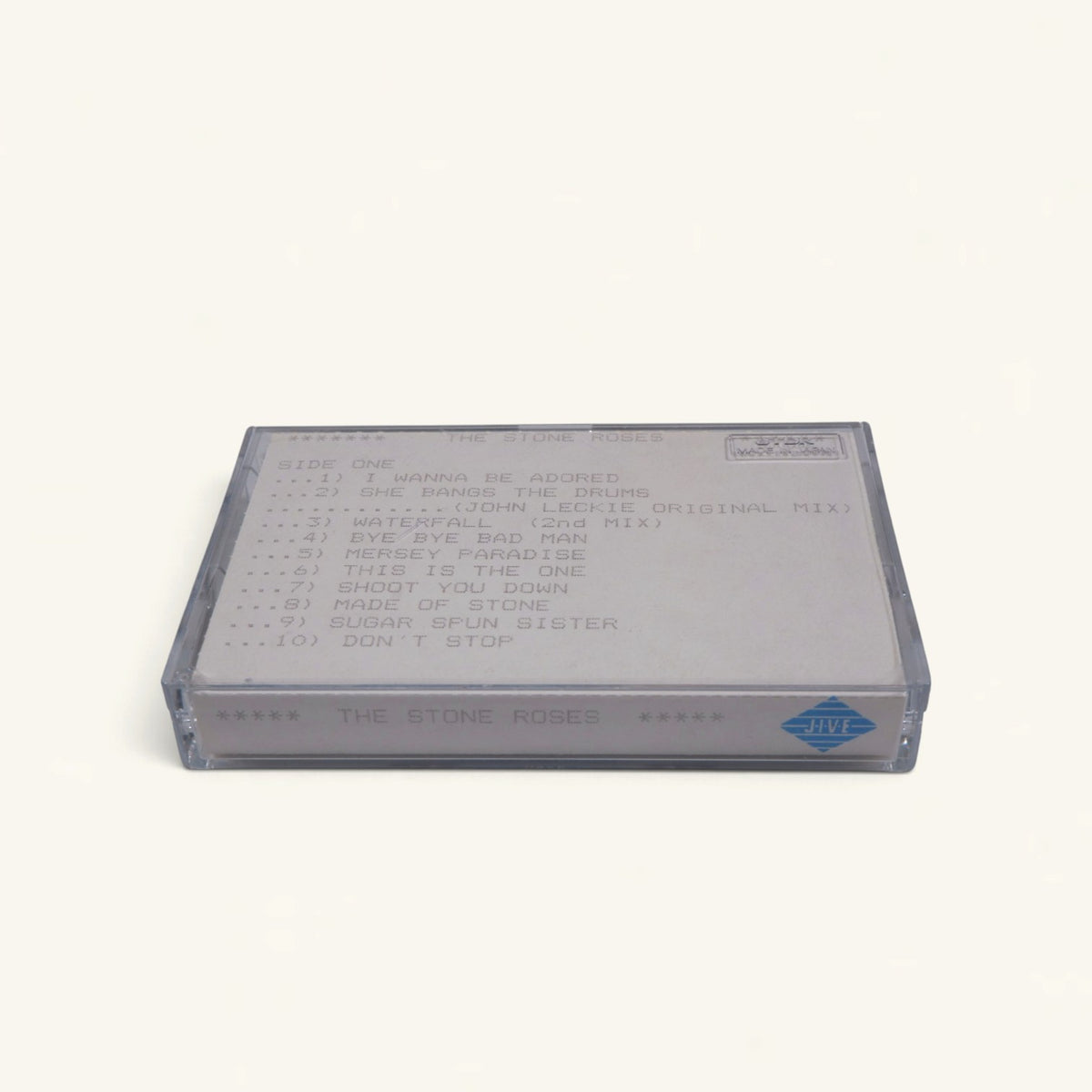
The Stone Roses - Early Mixes and Alternate Running Order of Their Debut Album
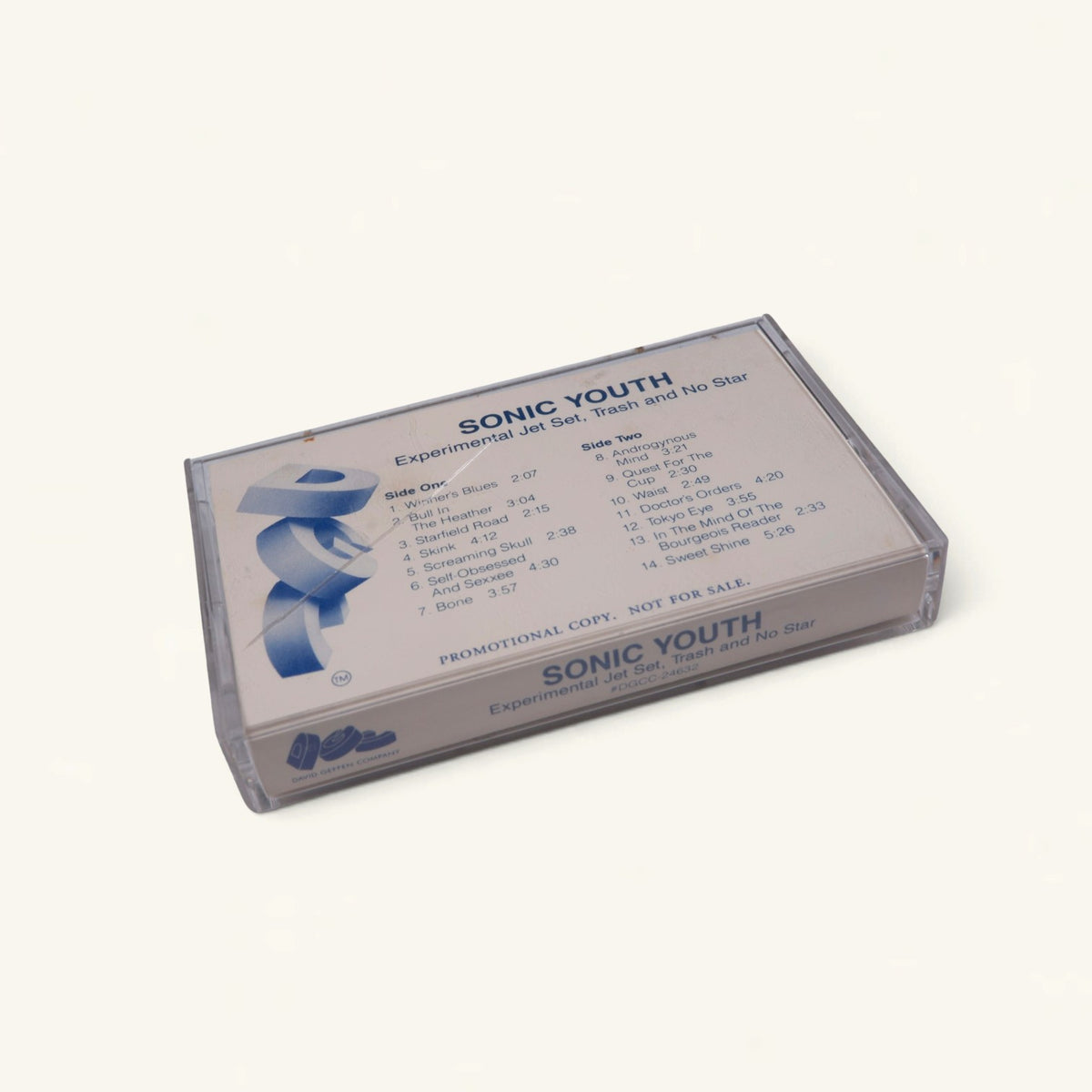
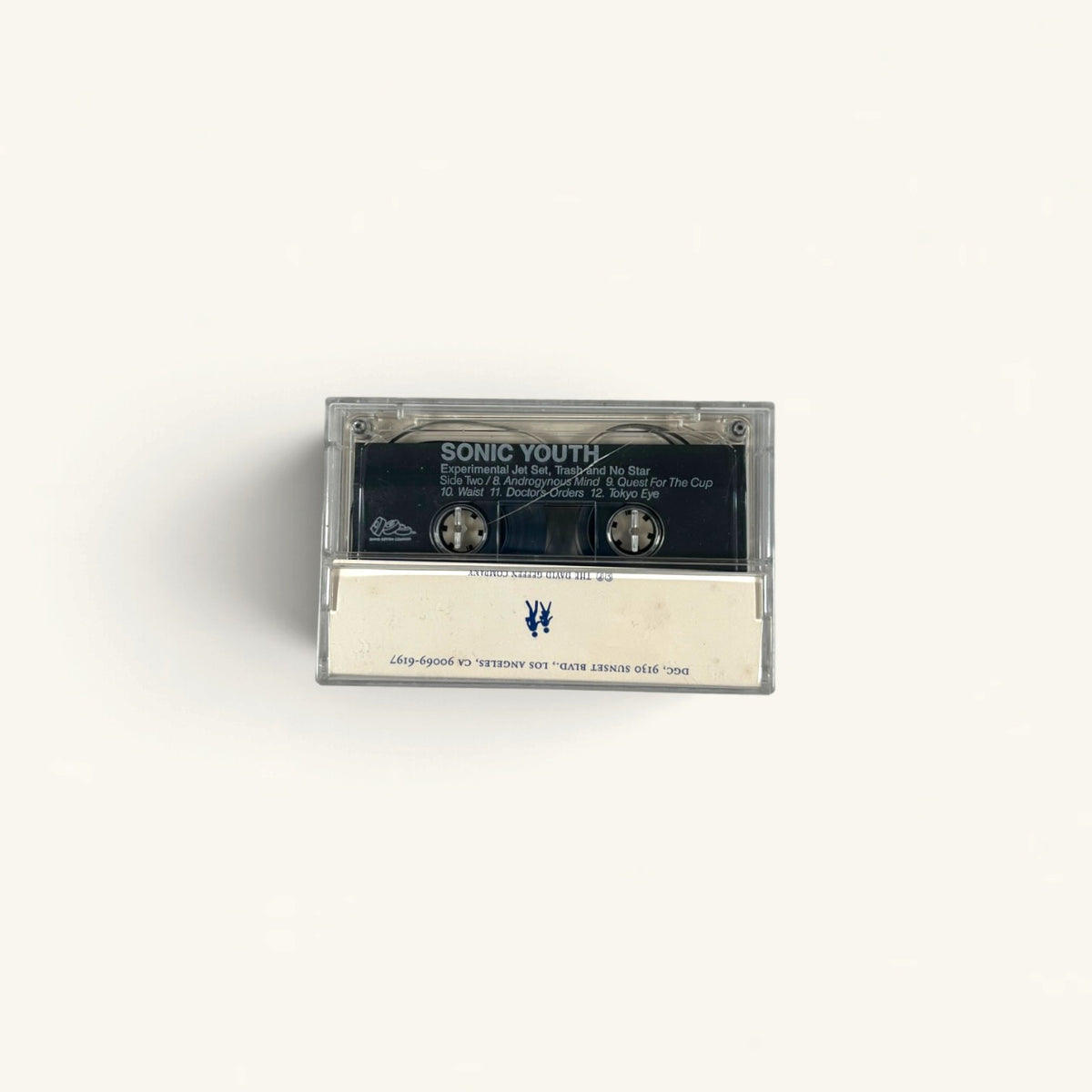
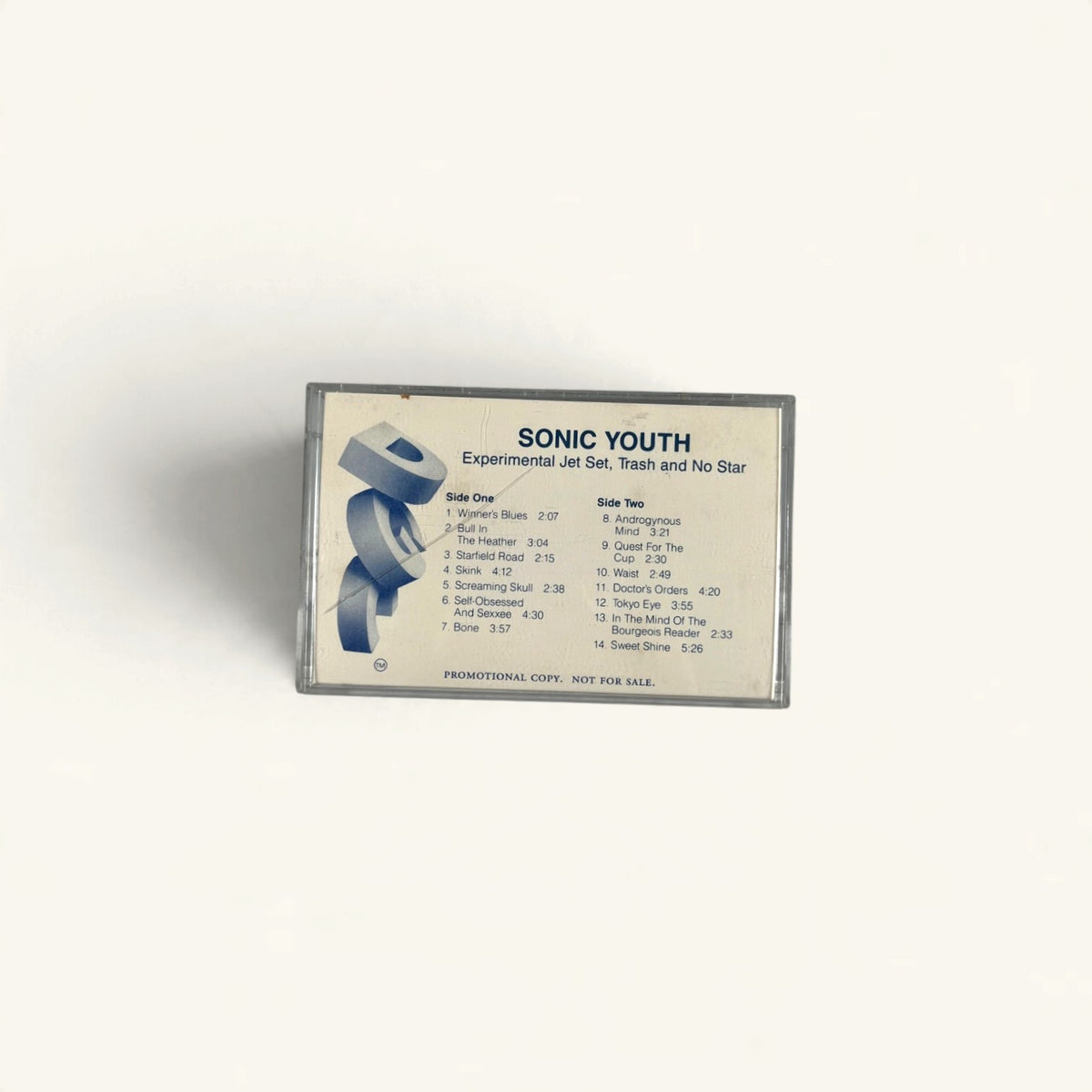
Sonic Youth - ‘Experimental Jet Set, Trash and No Star’ Promo Cassette
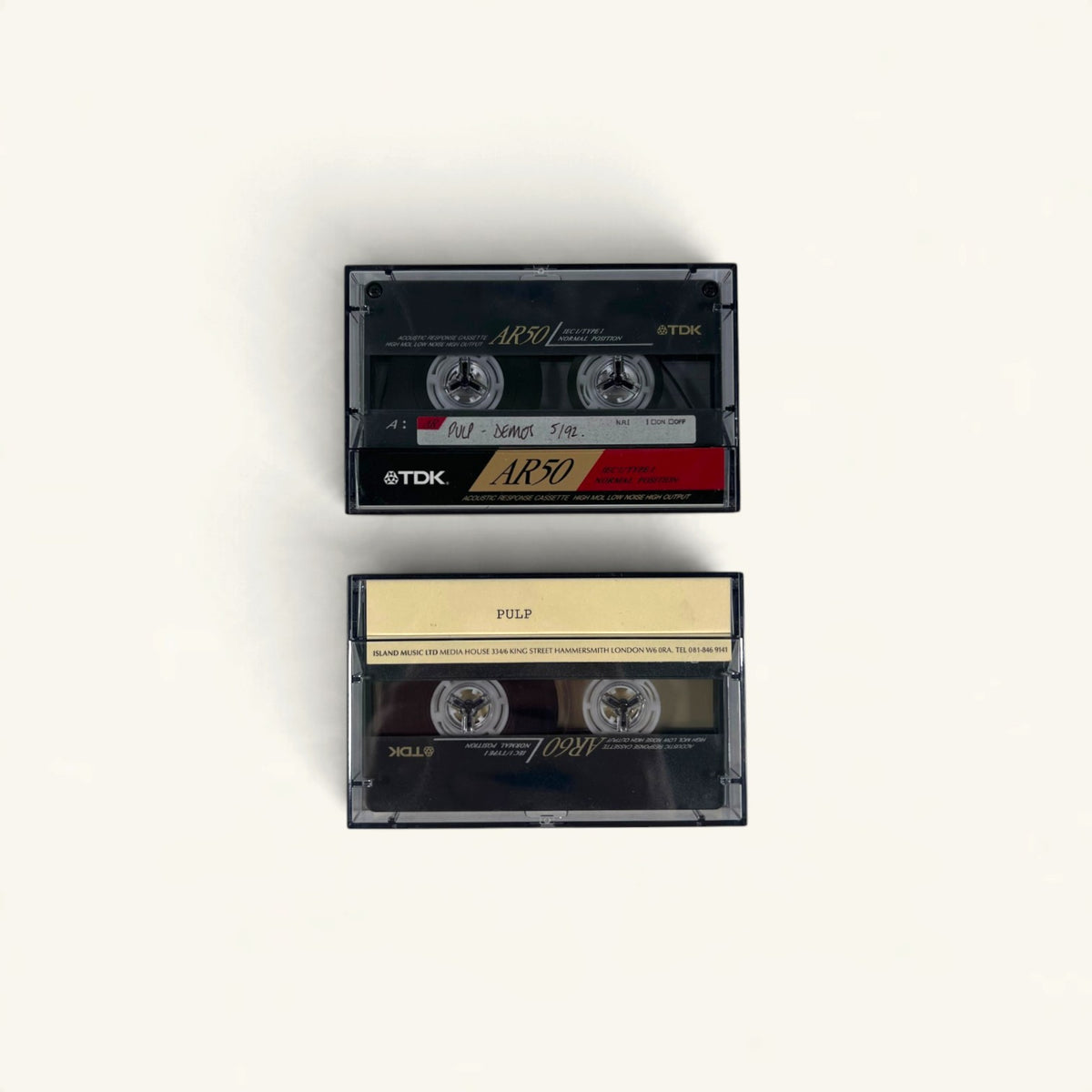
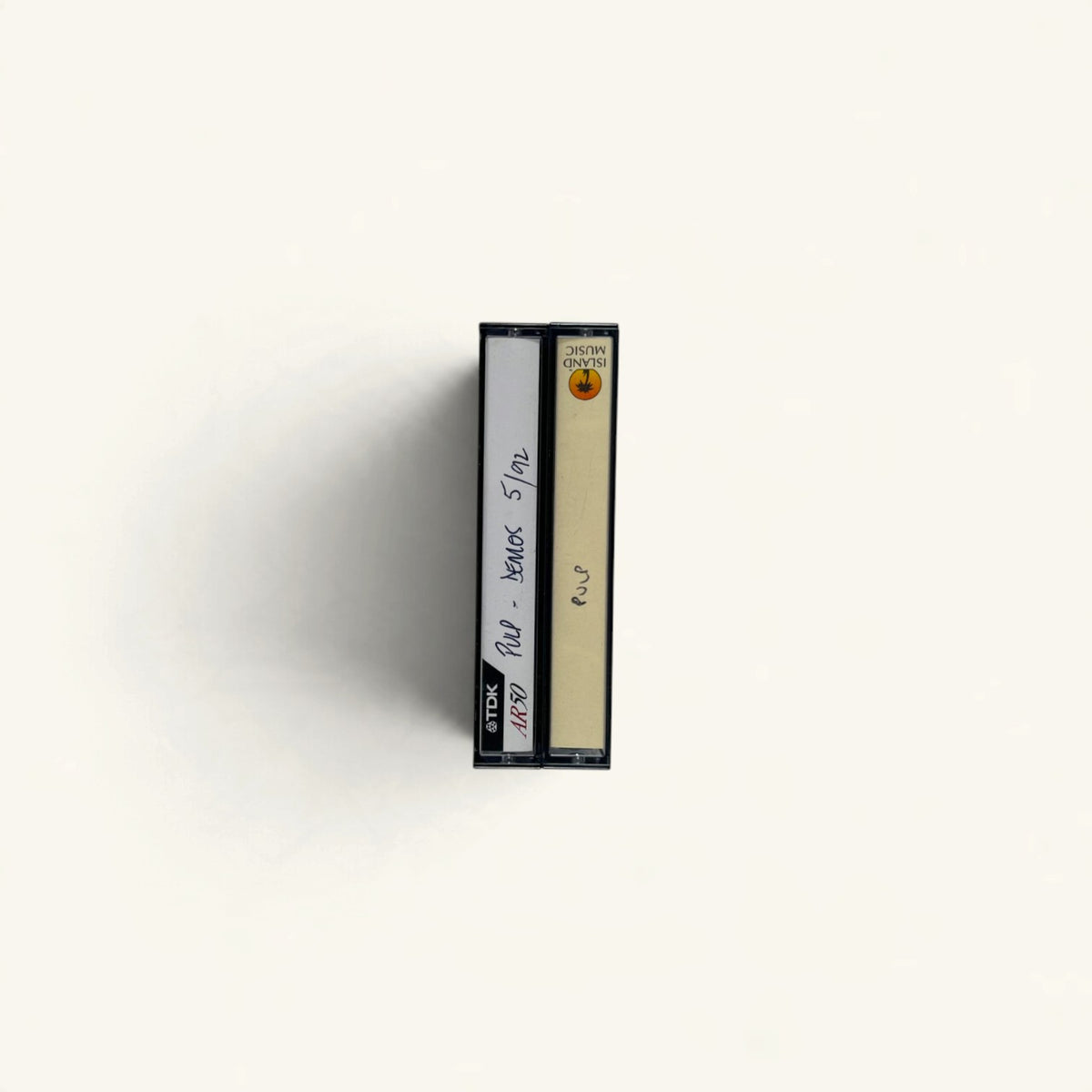
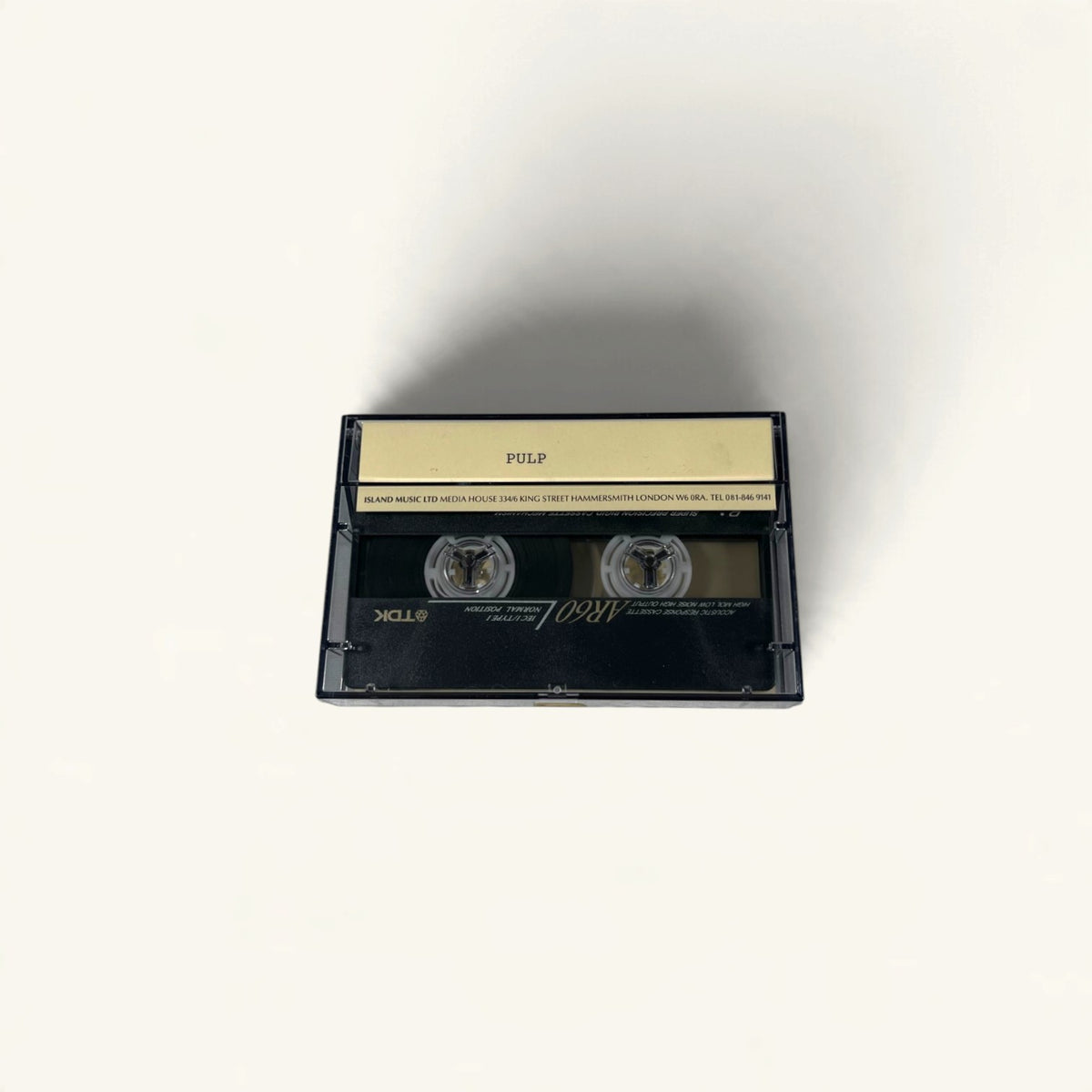
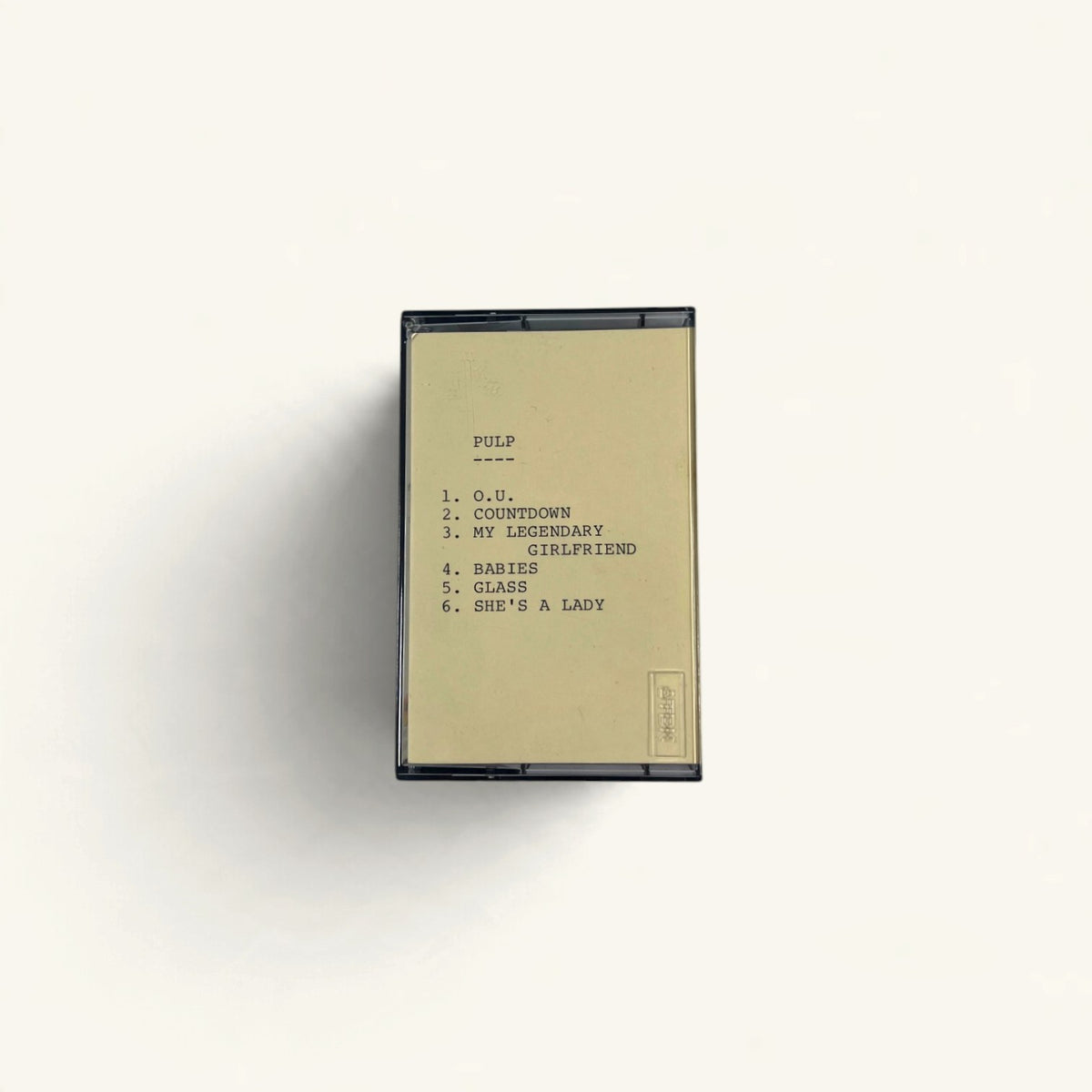
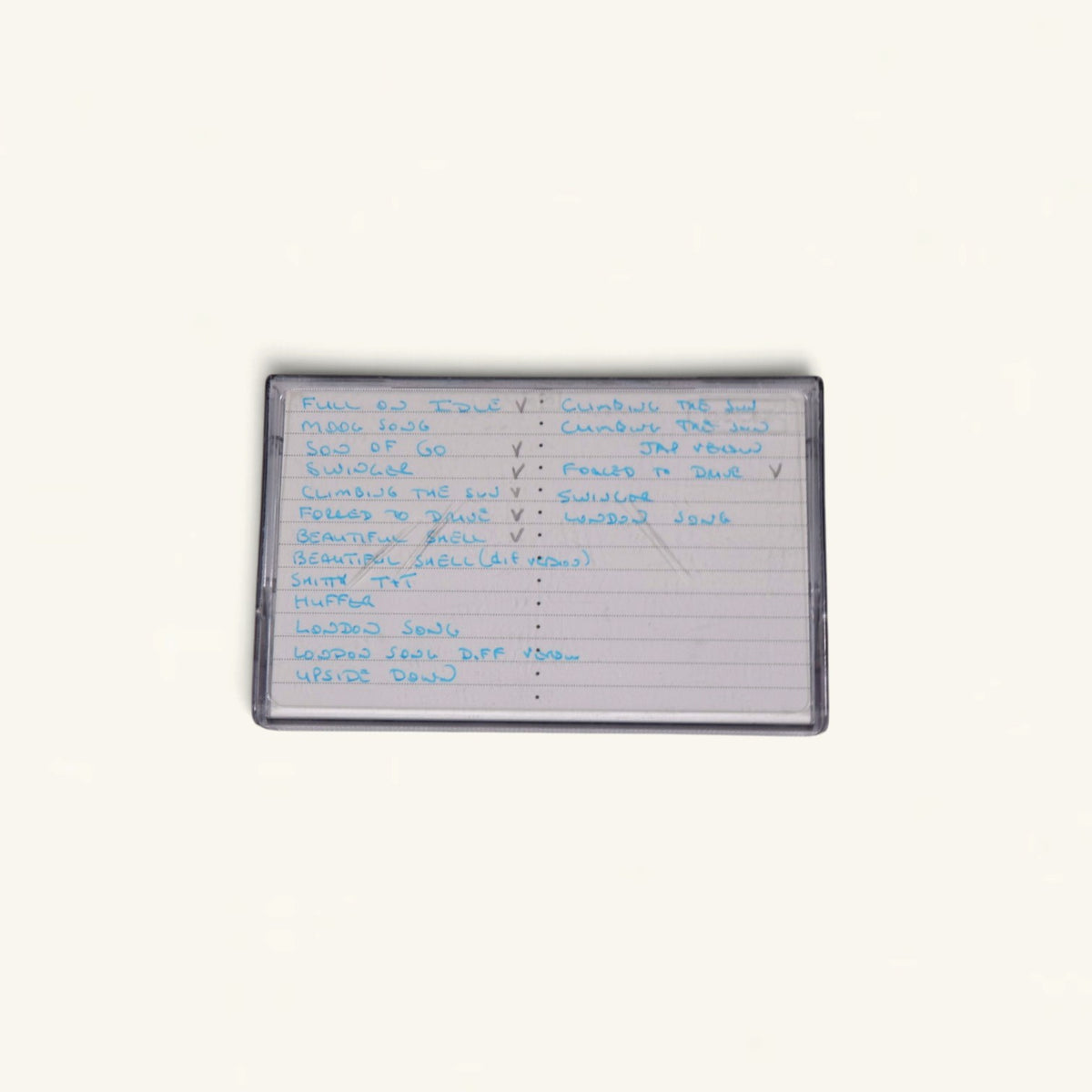
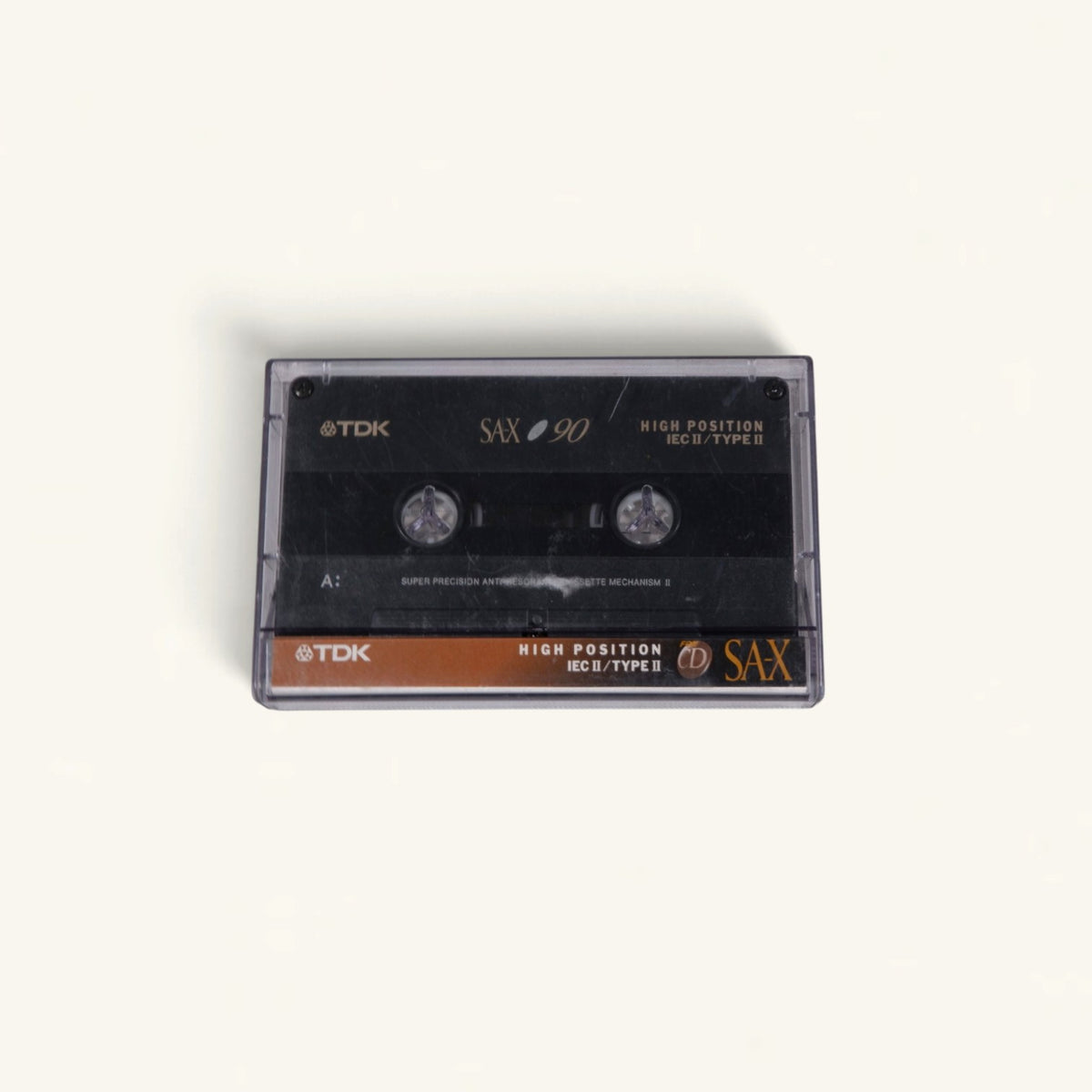
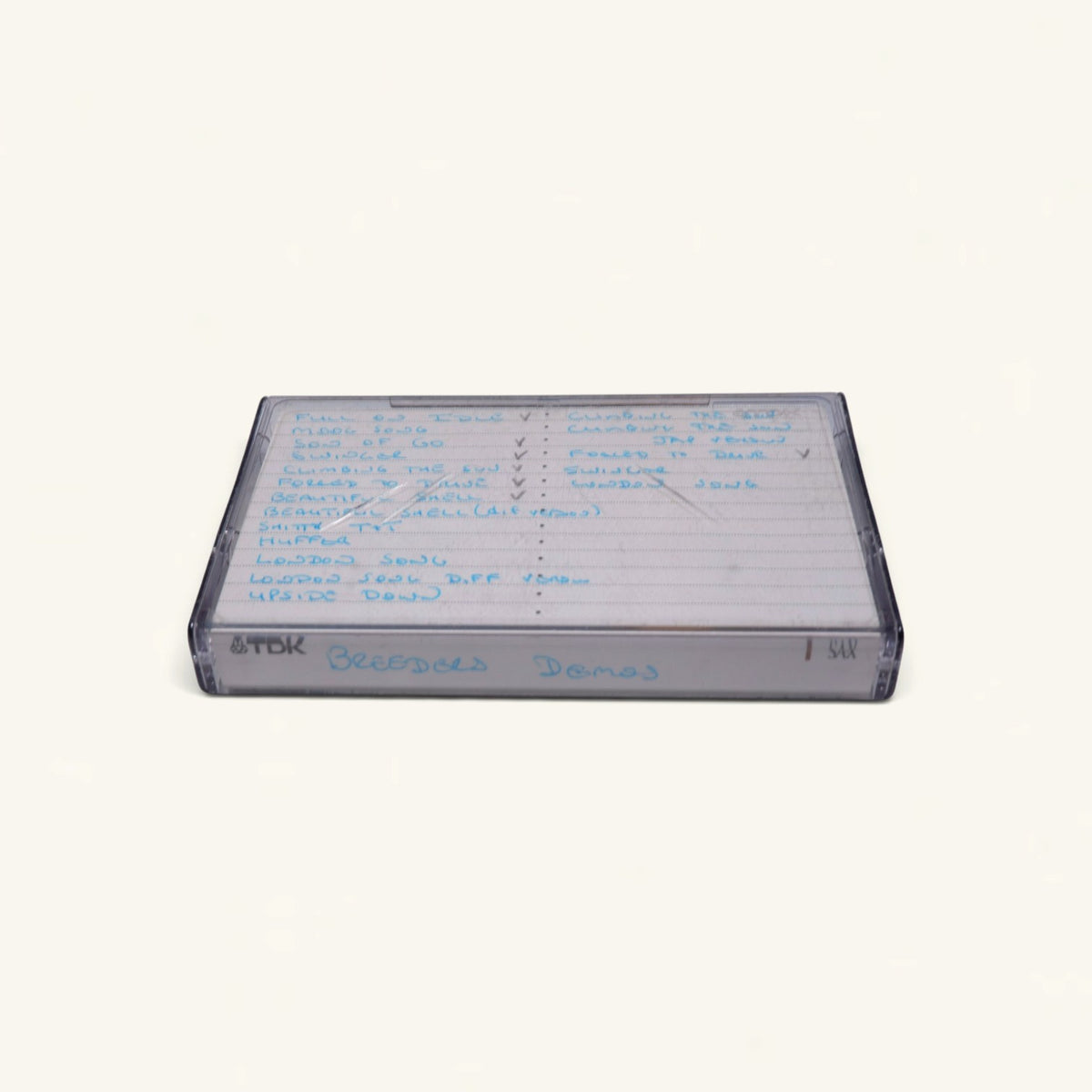
The Breeders - ‘Breeders Demos’ Cassette
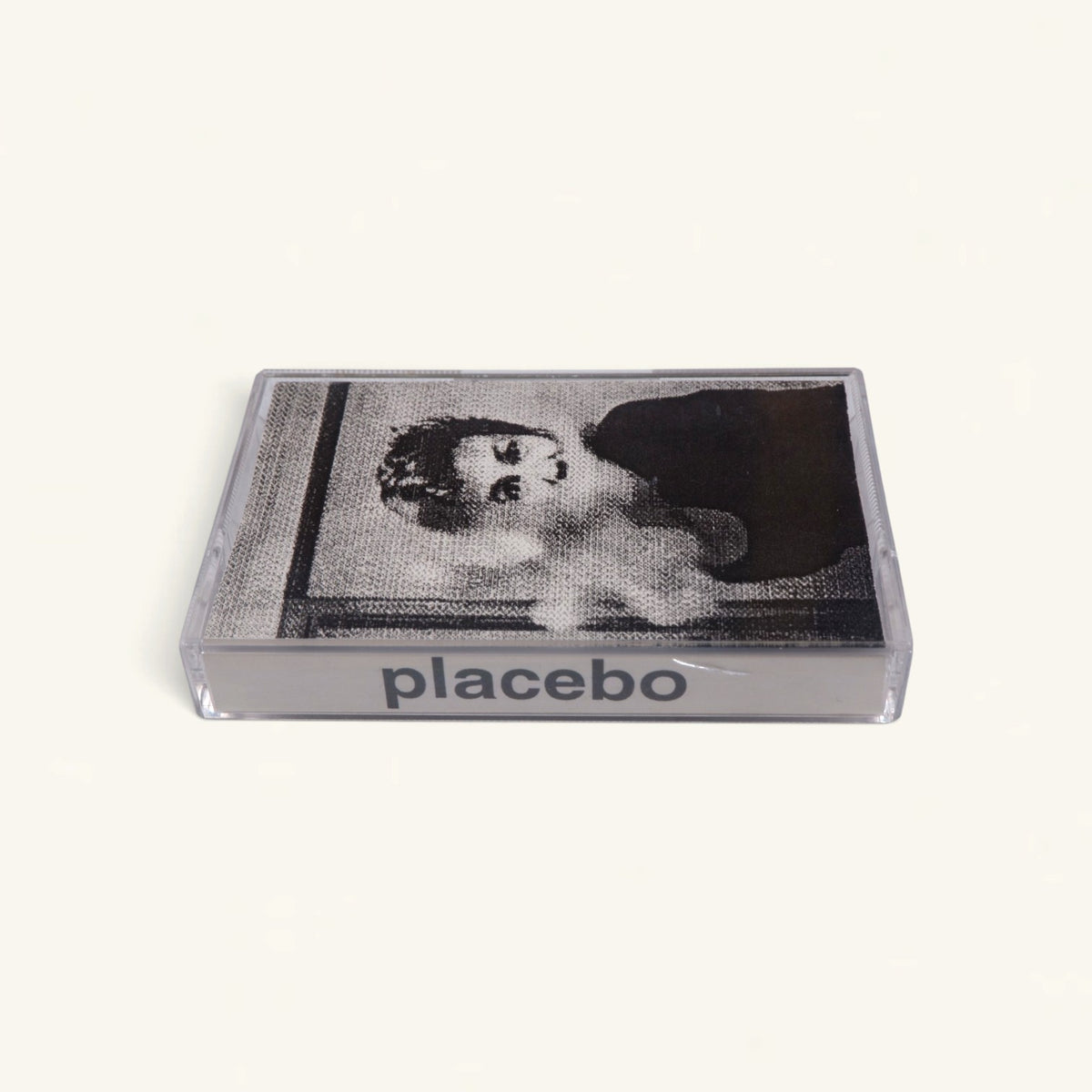
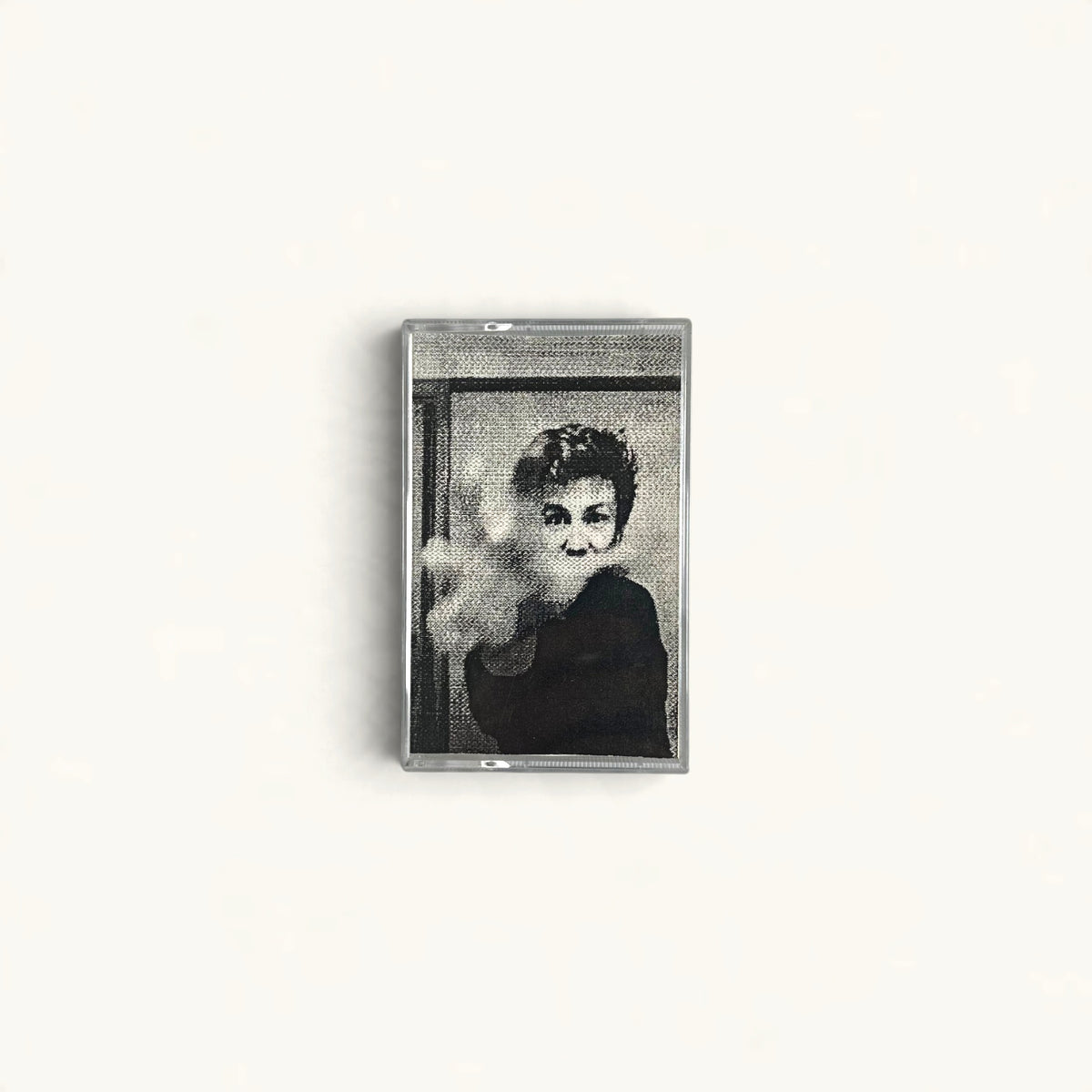
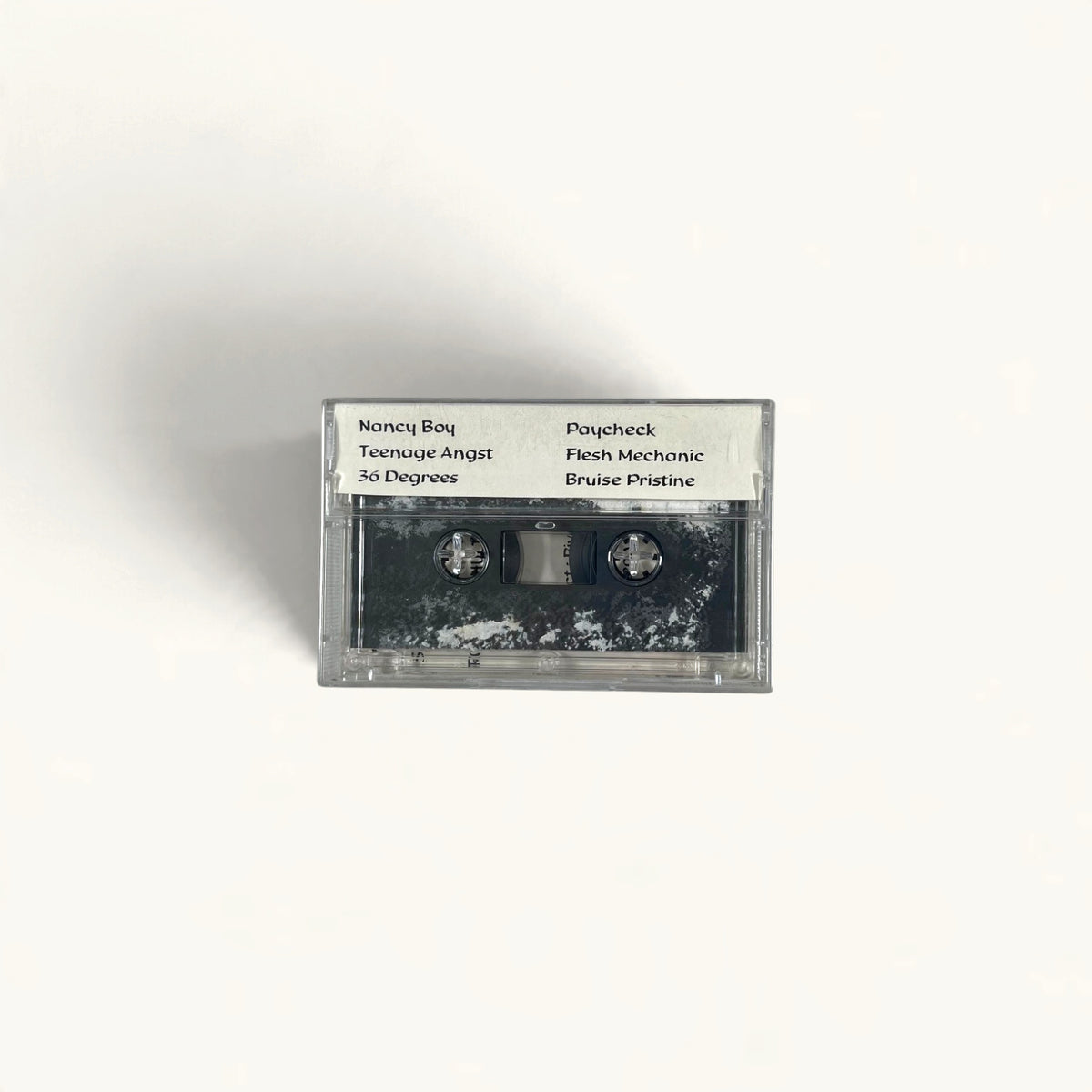
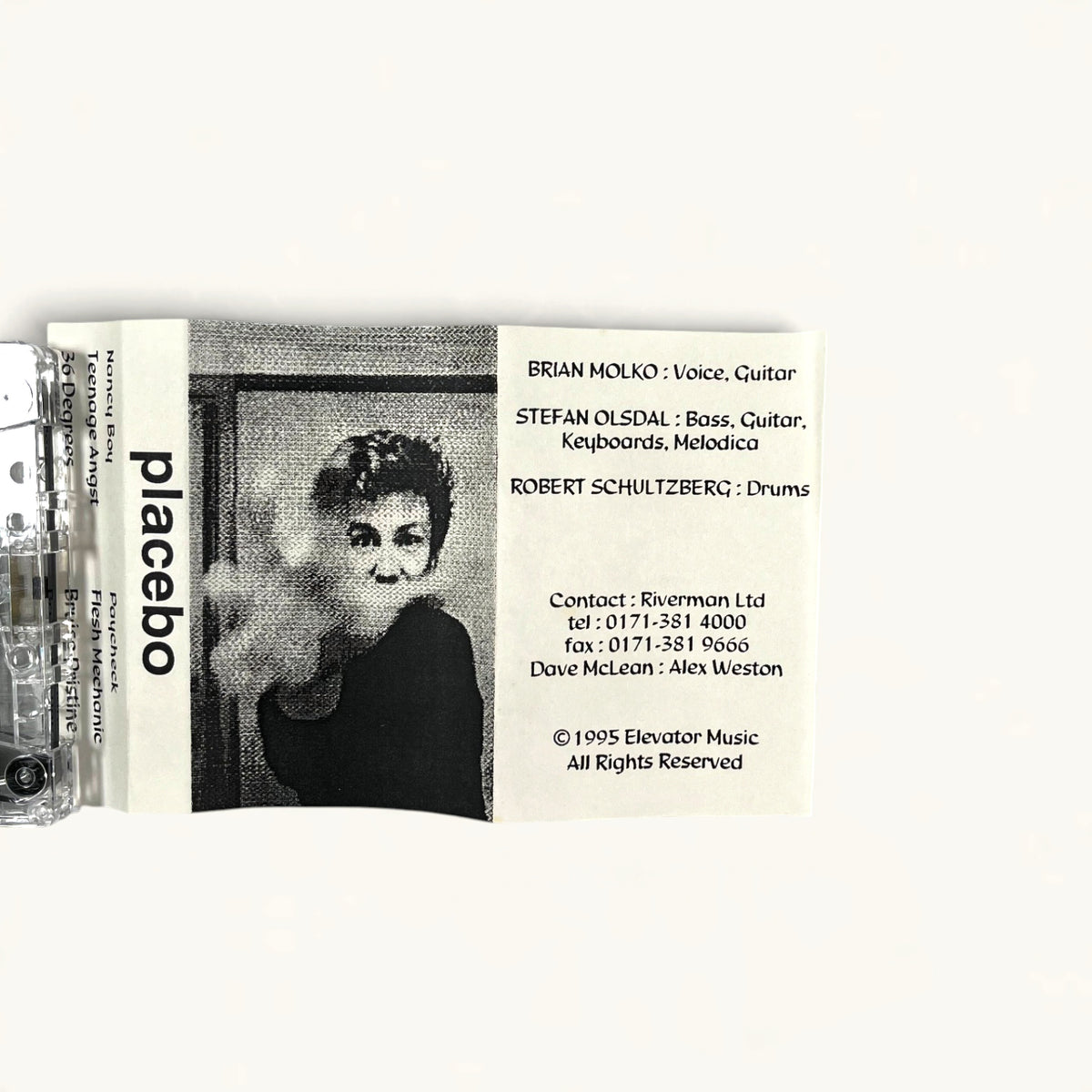
Placebo - Early Demo Cassette (‘Nancy Boy,’ ‘Teenage Angst,’ ‘36 Degrees’)
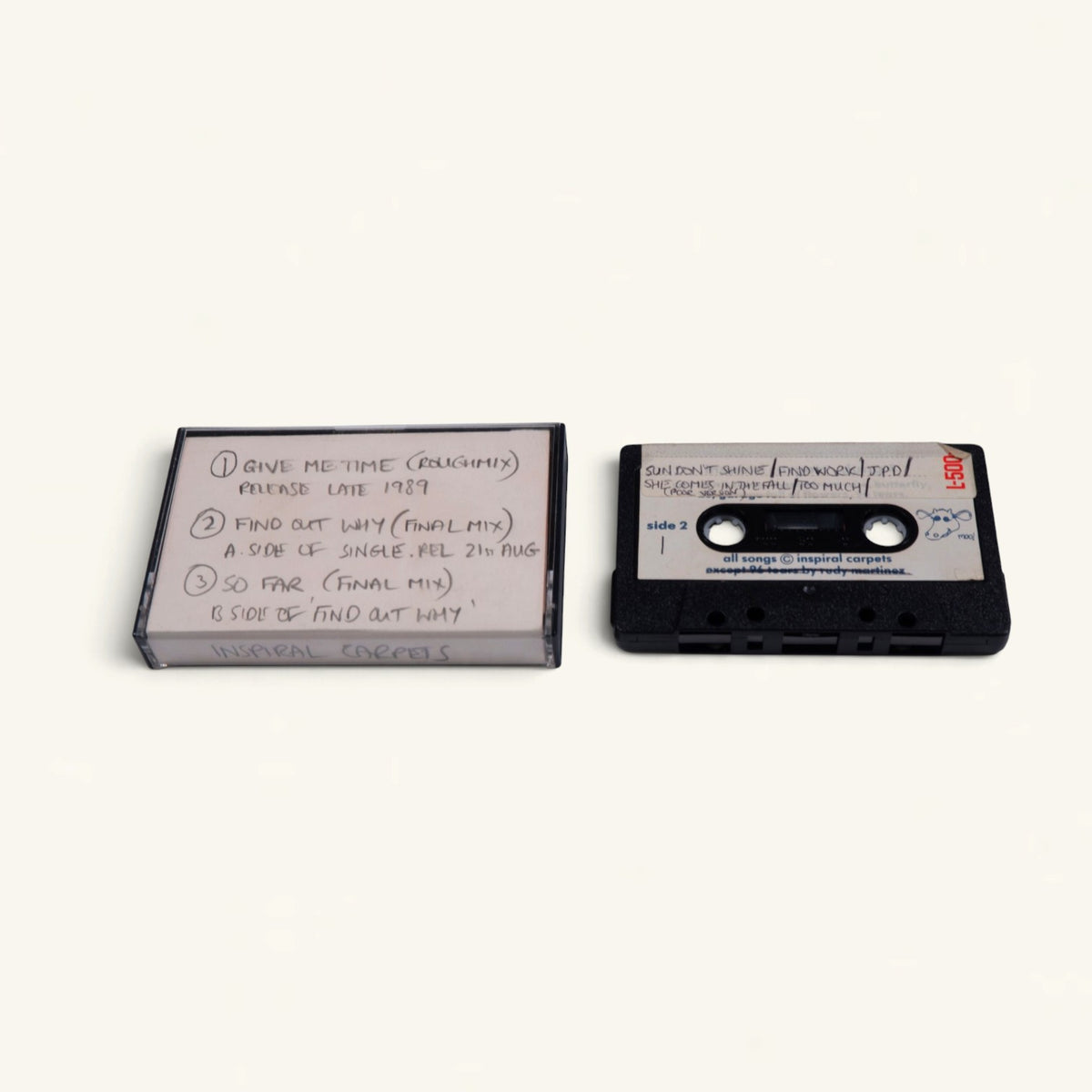
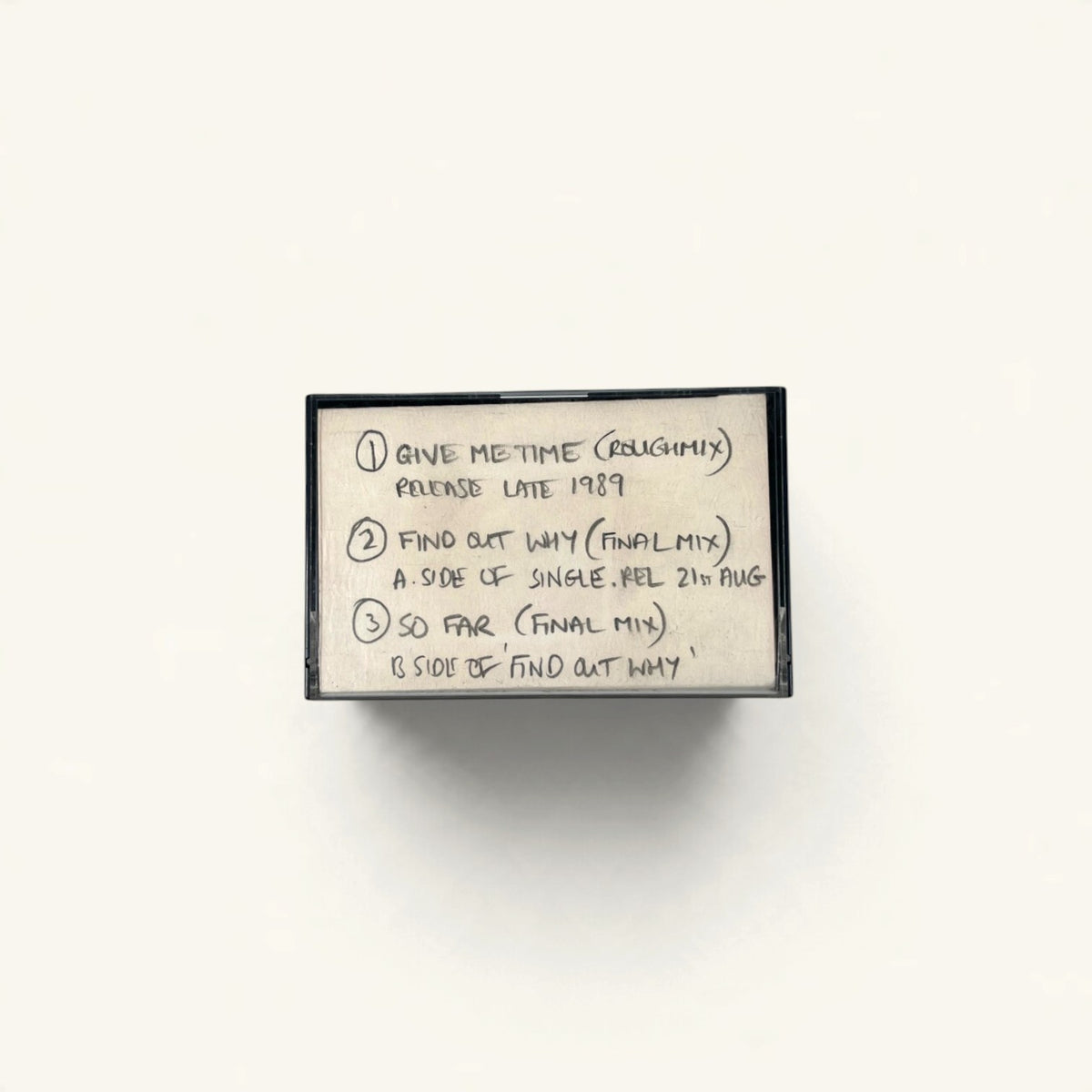
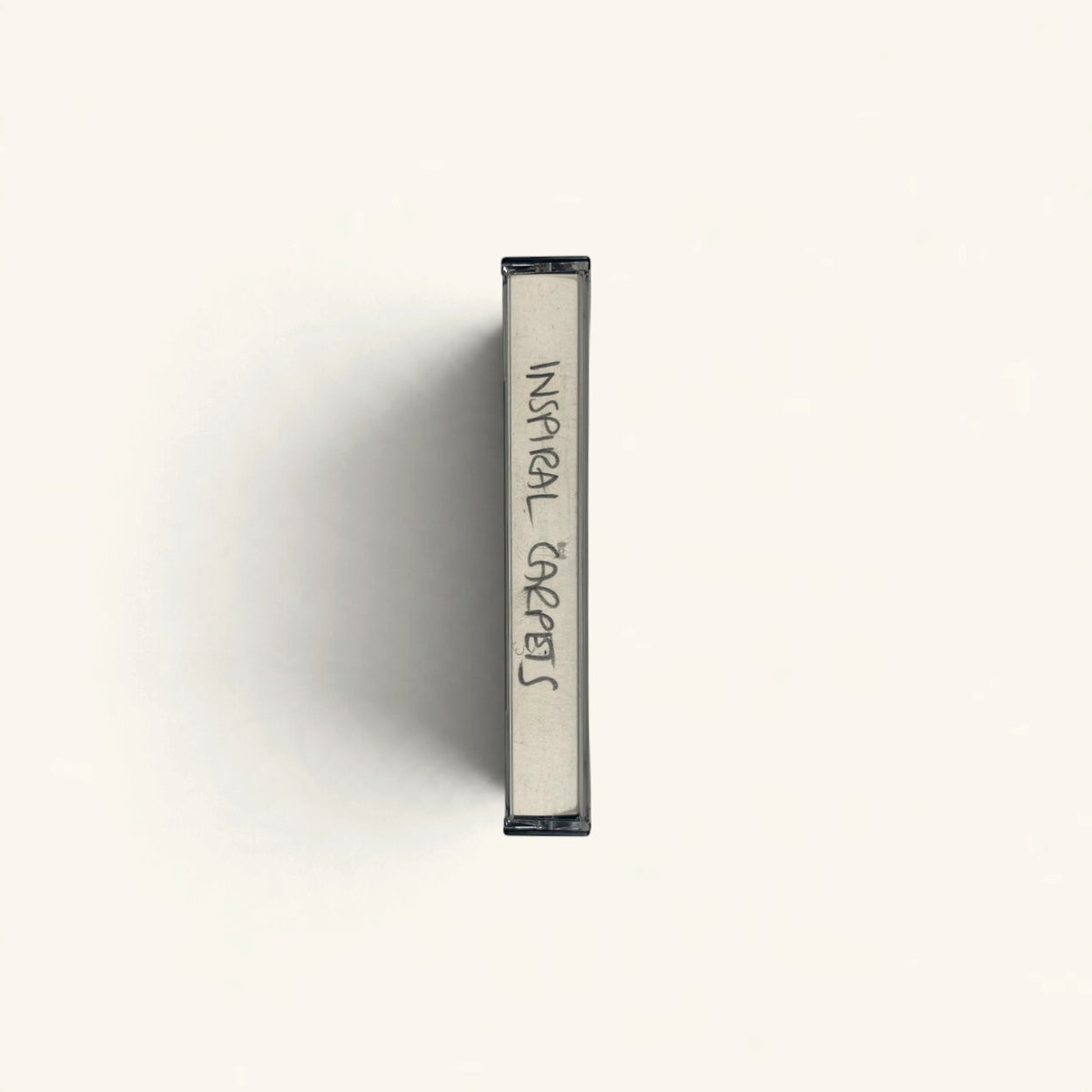
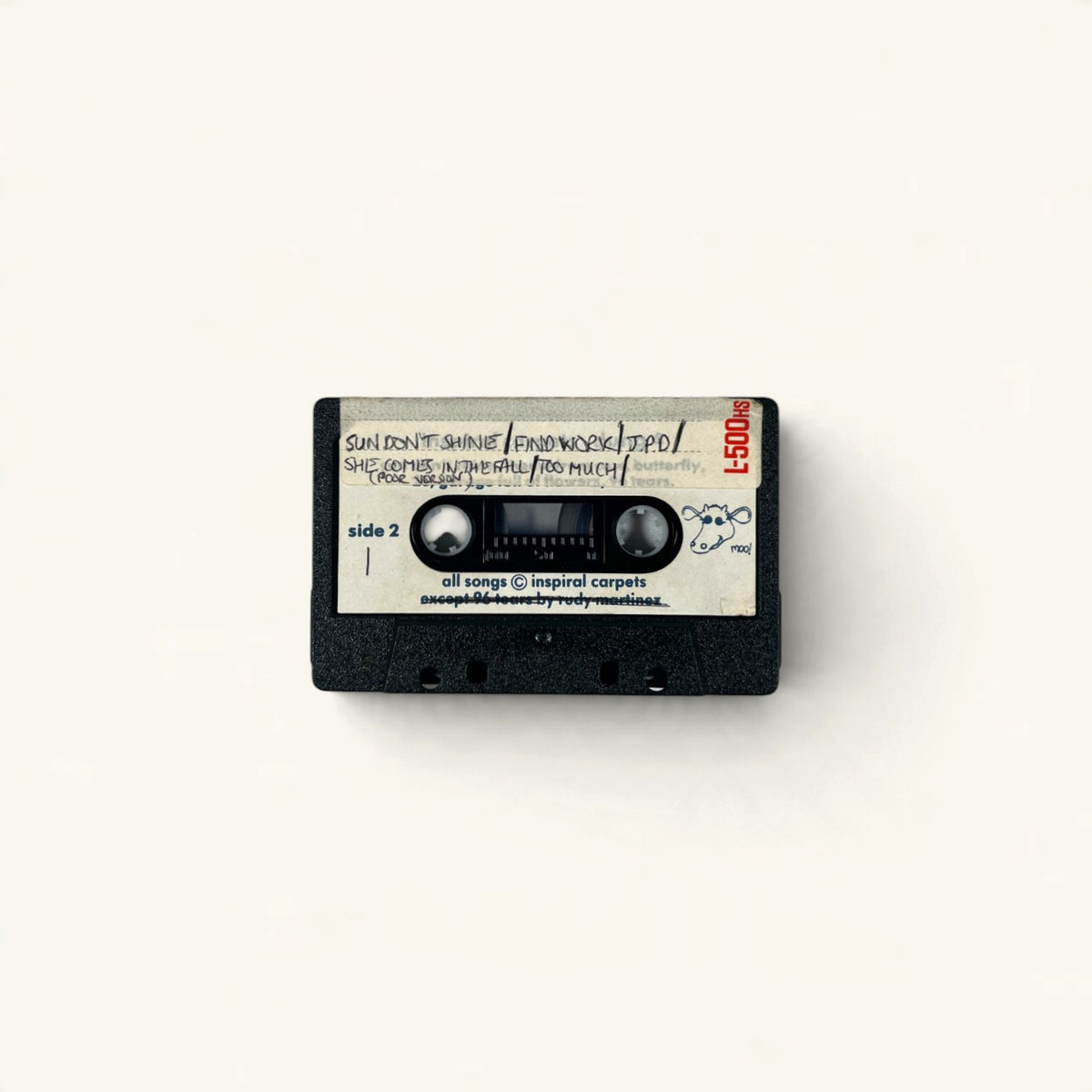
Inspiral Carpets - Two Cassettes: Early Demos + ‘Find Out Why’ Final Mixes
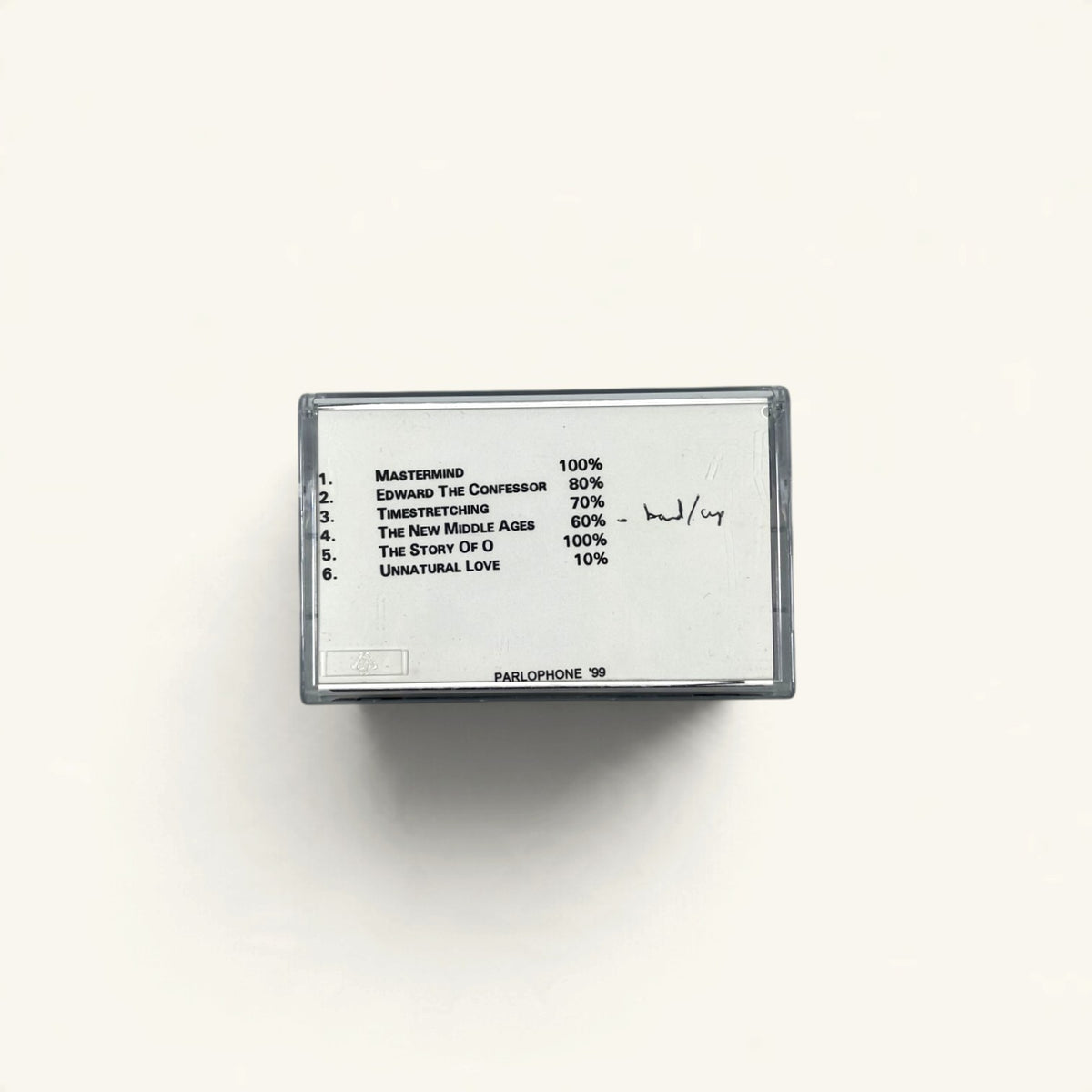
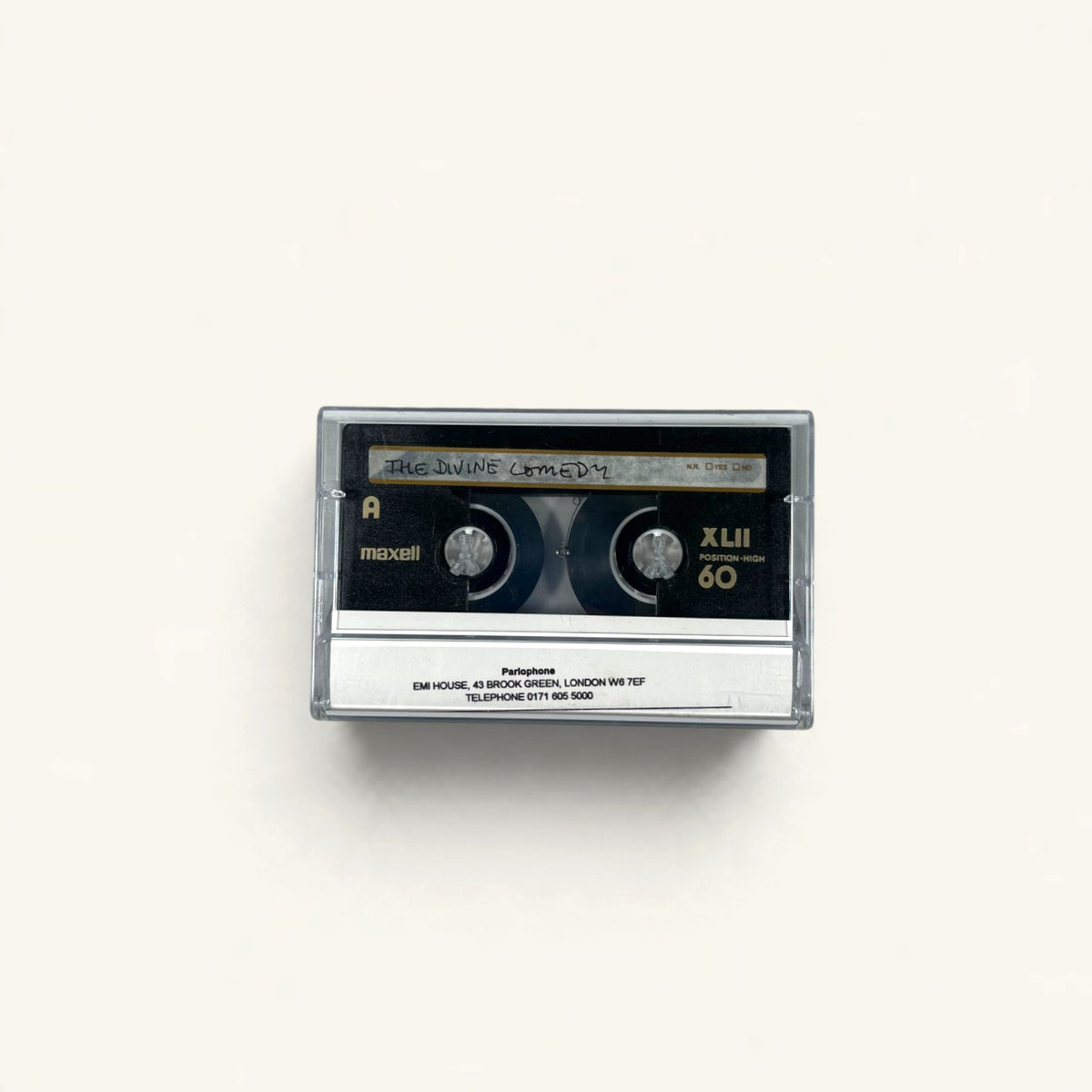
The Divine Comedy - Parlophone ’99 LP Demos Cassette
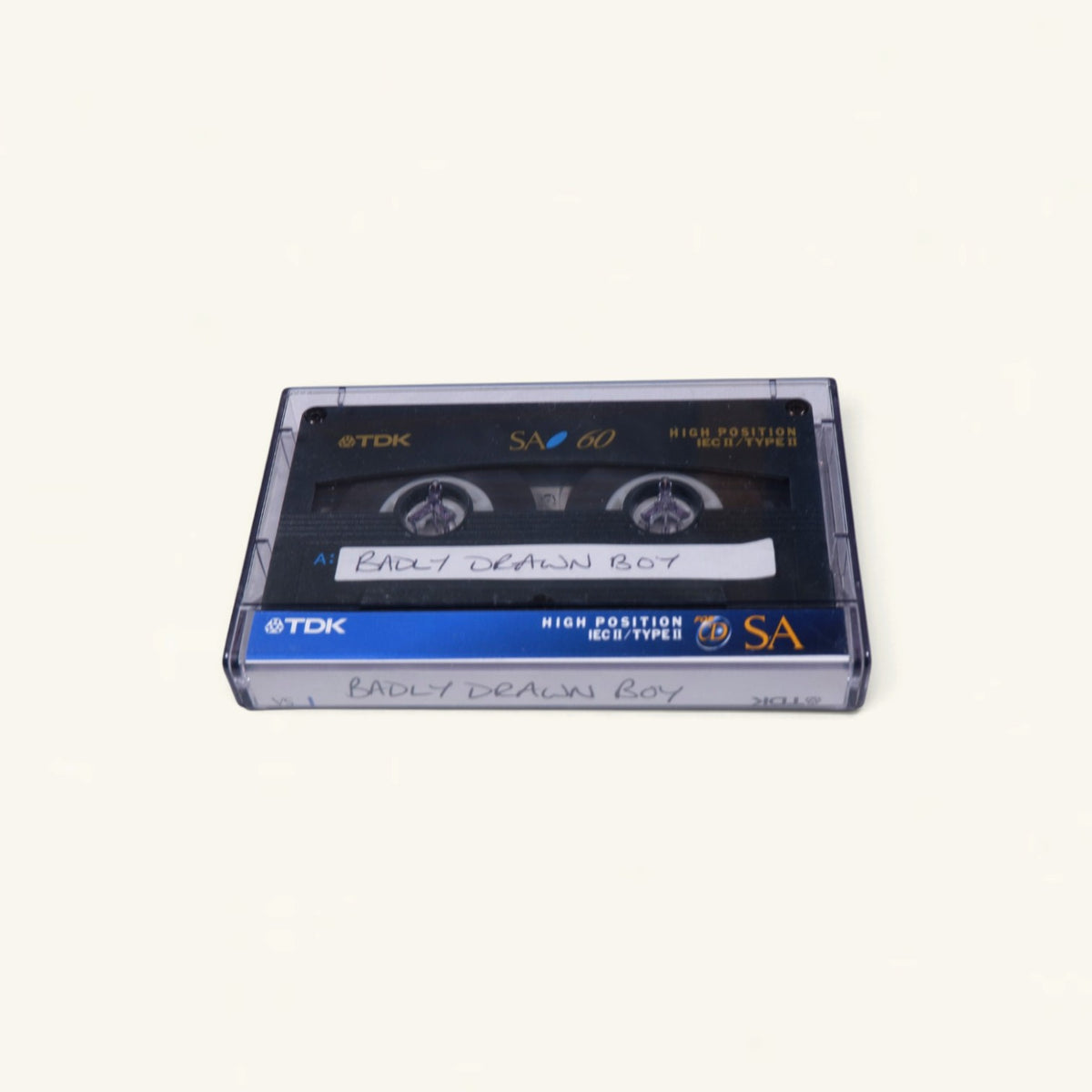
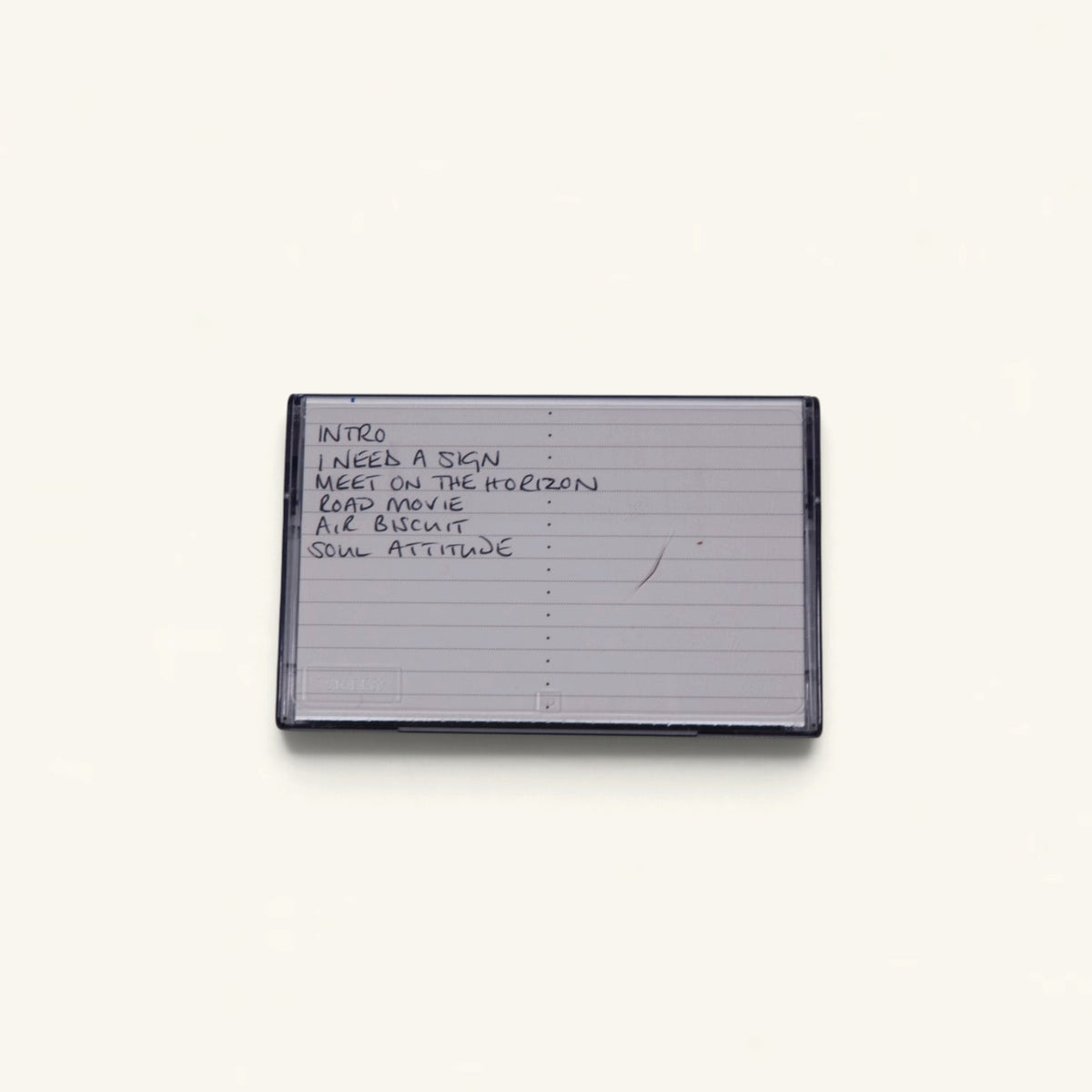
Badly Drawn Boy - Early Demo Cassette
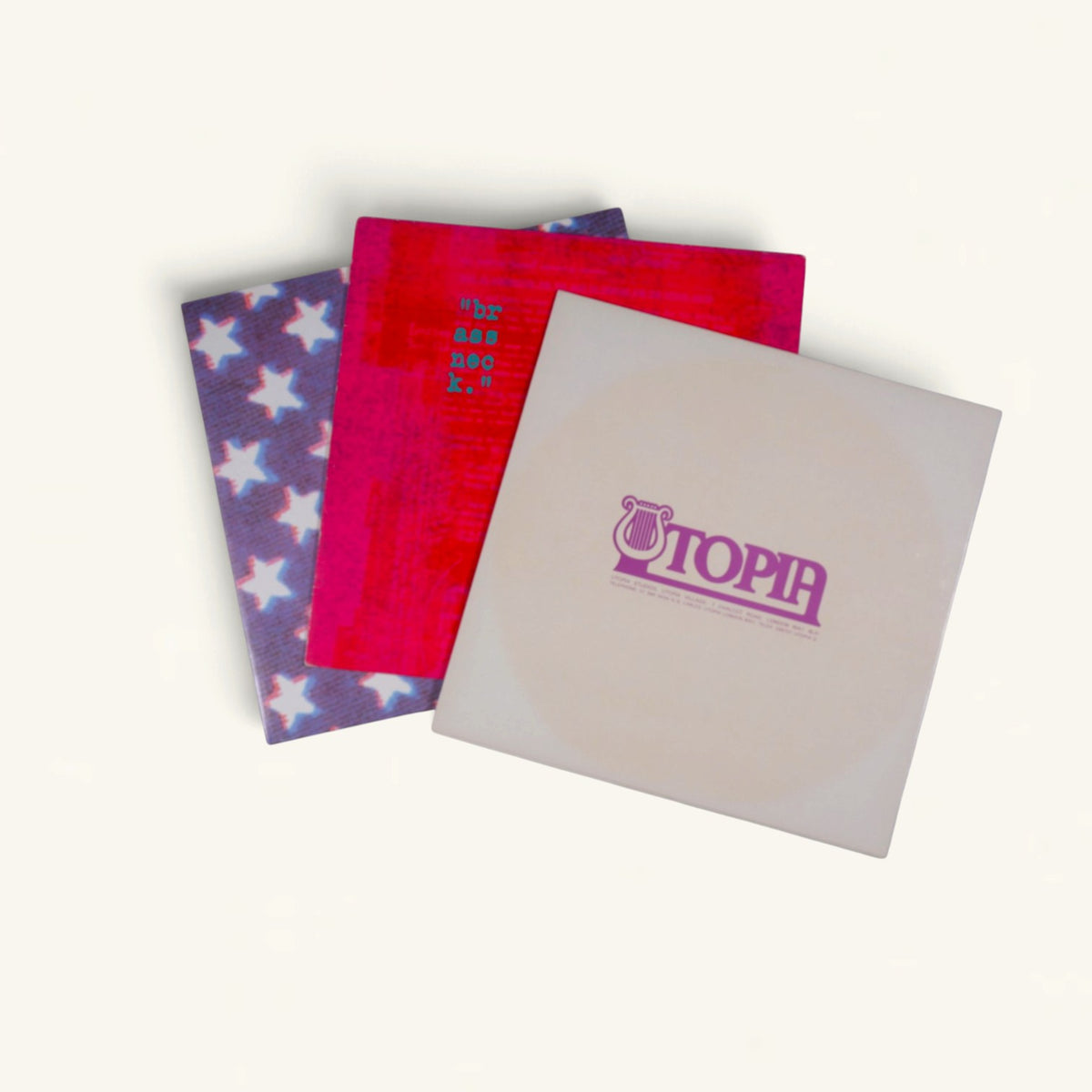
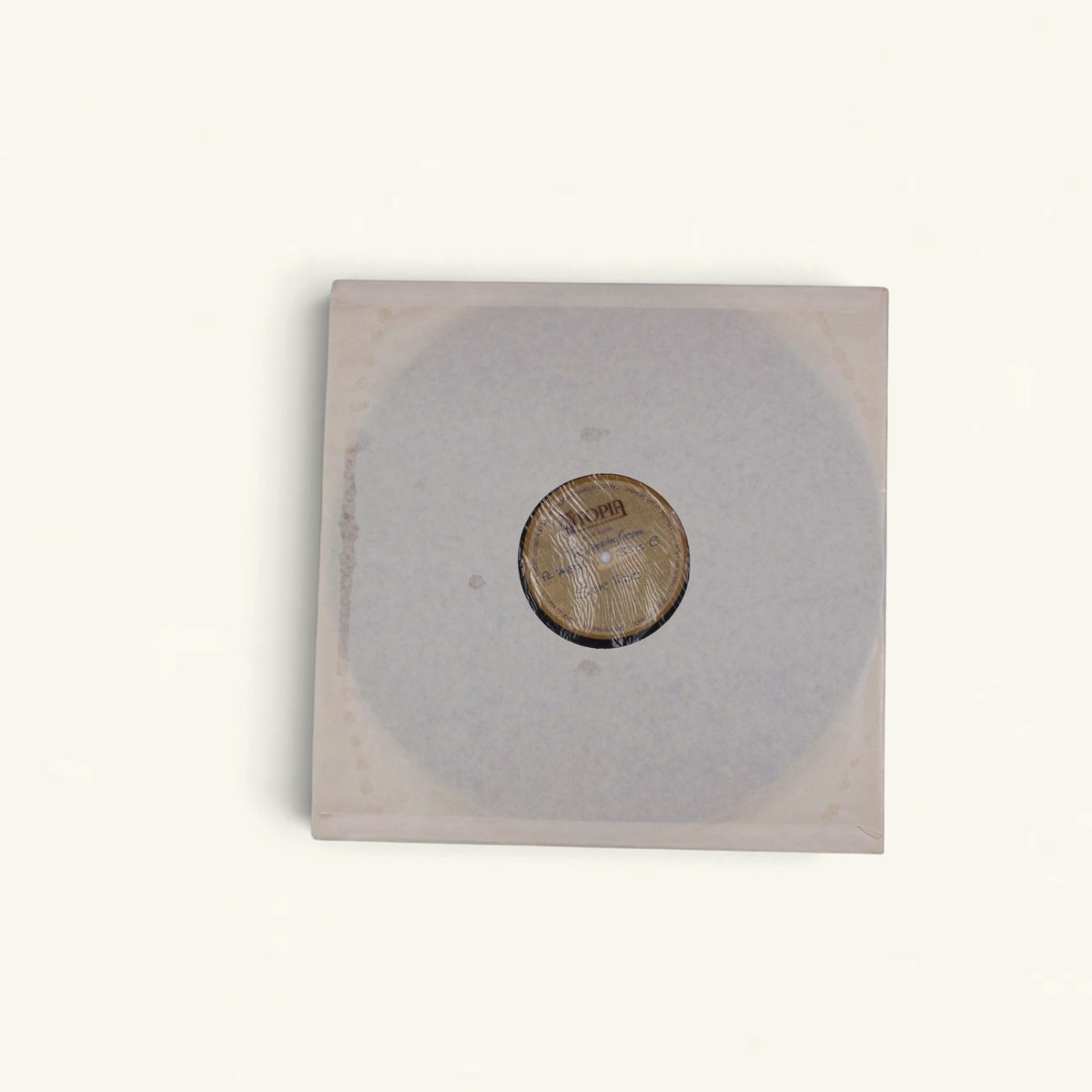
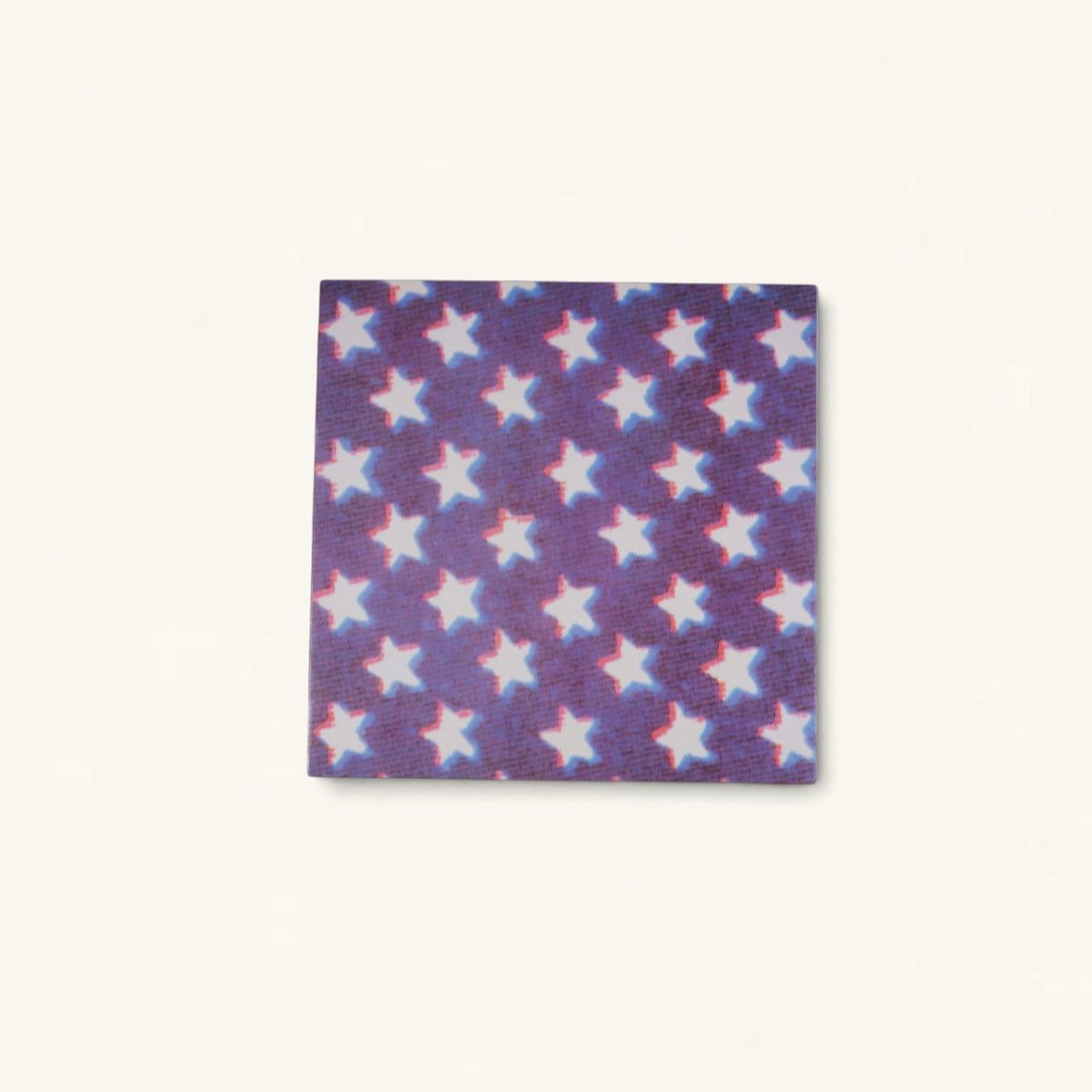
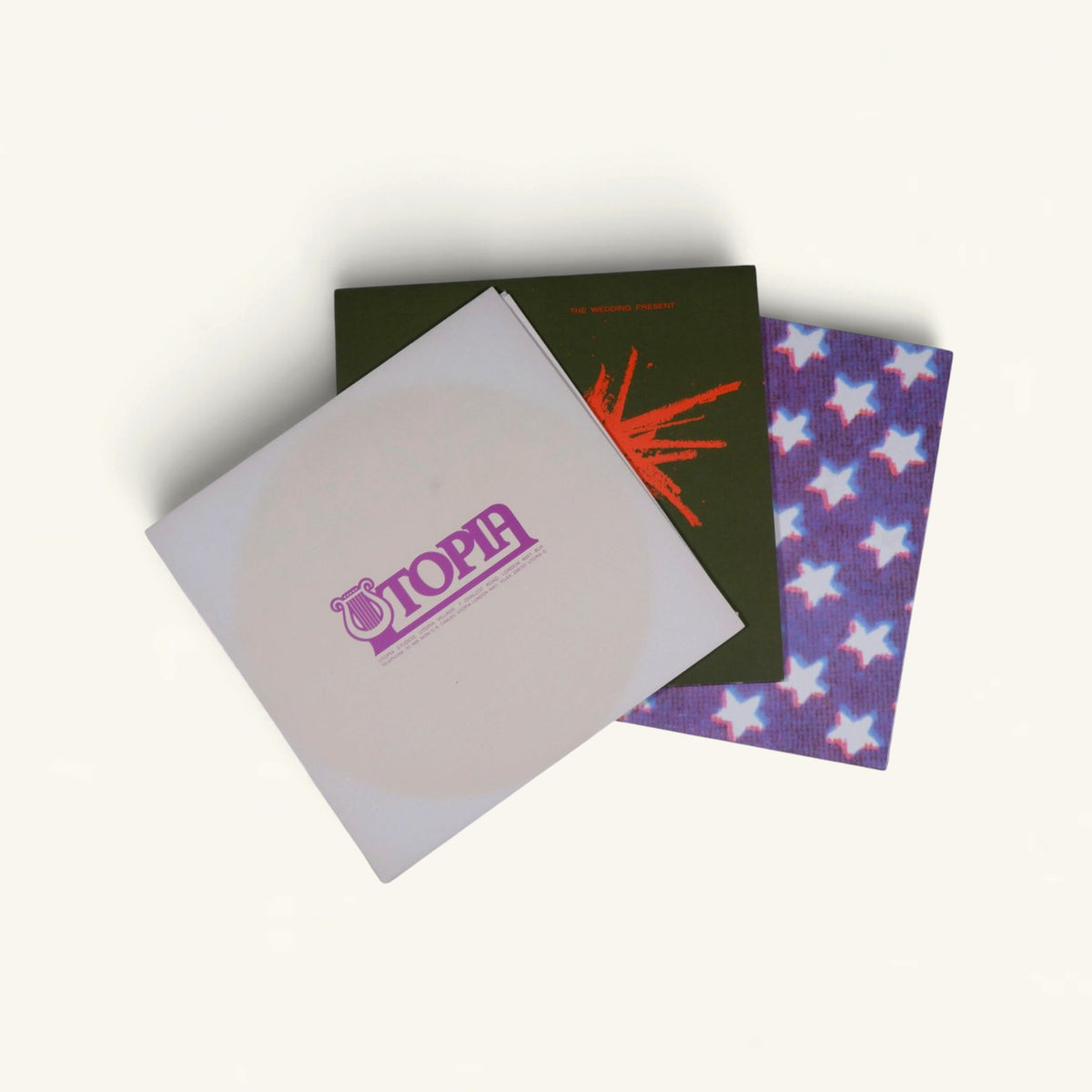
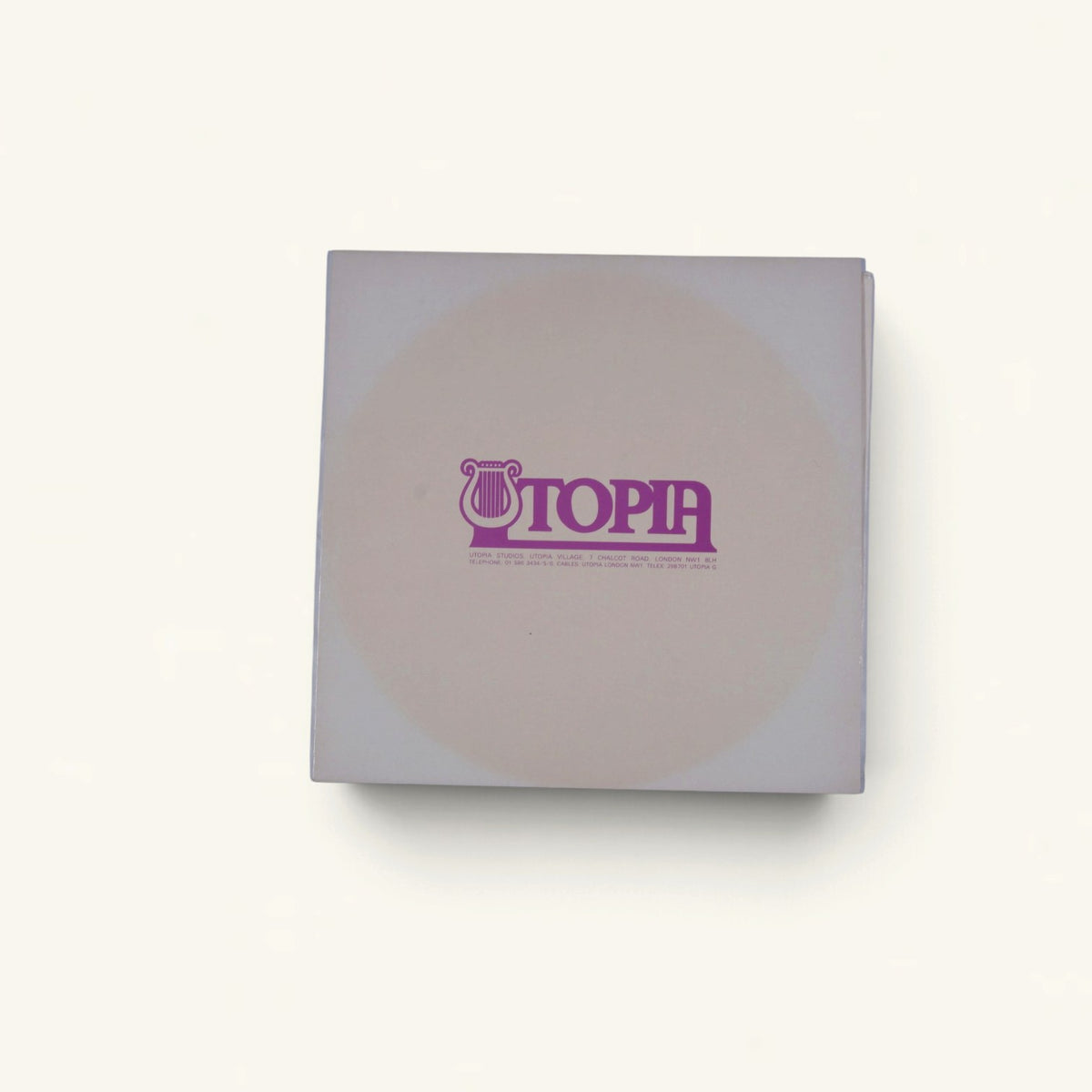
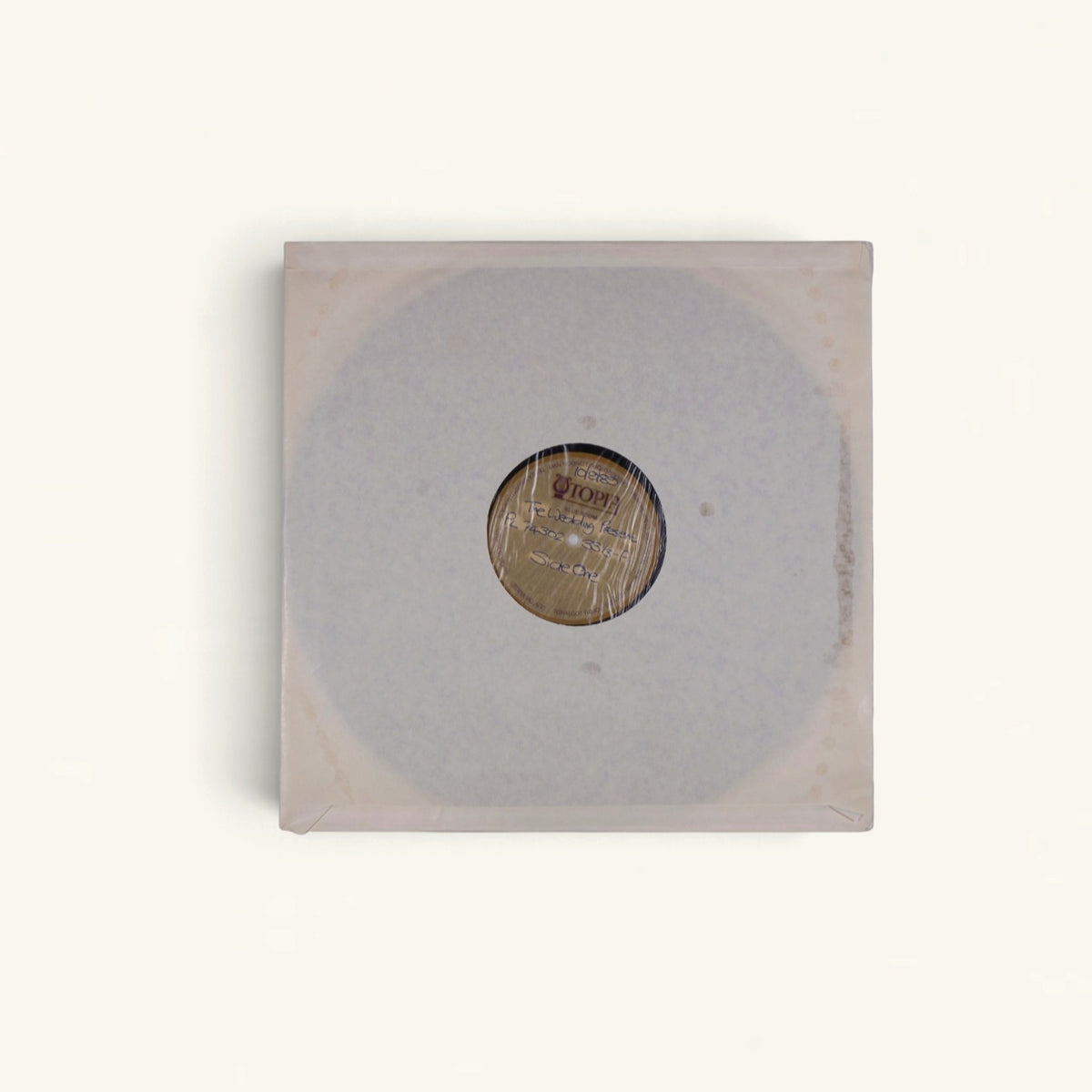
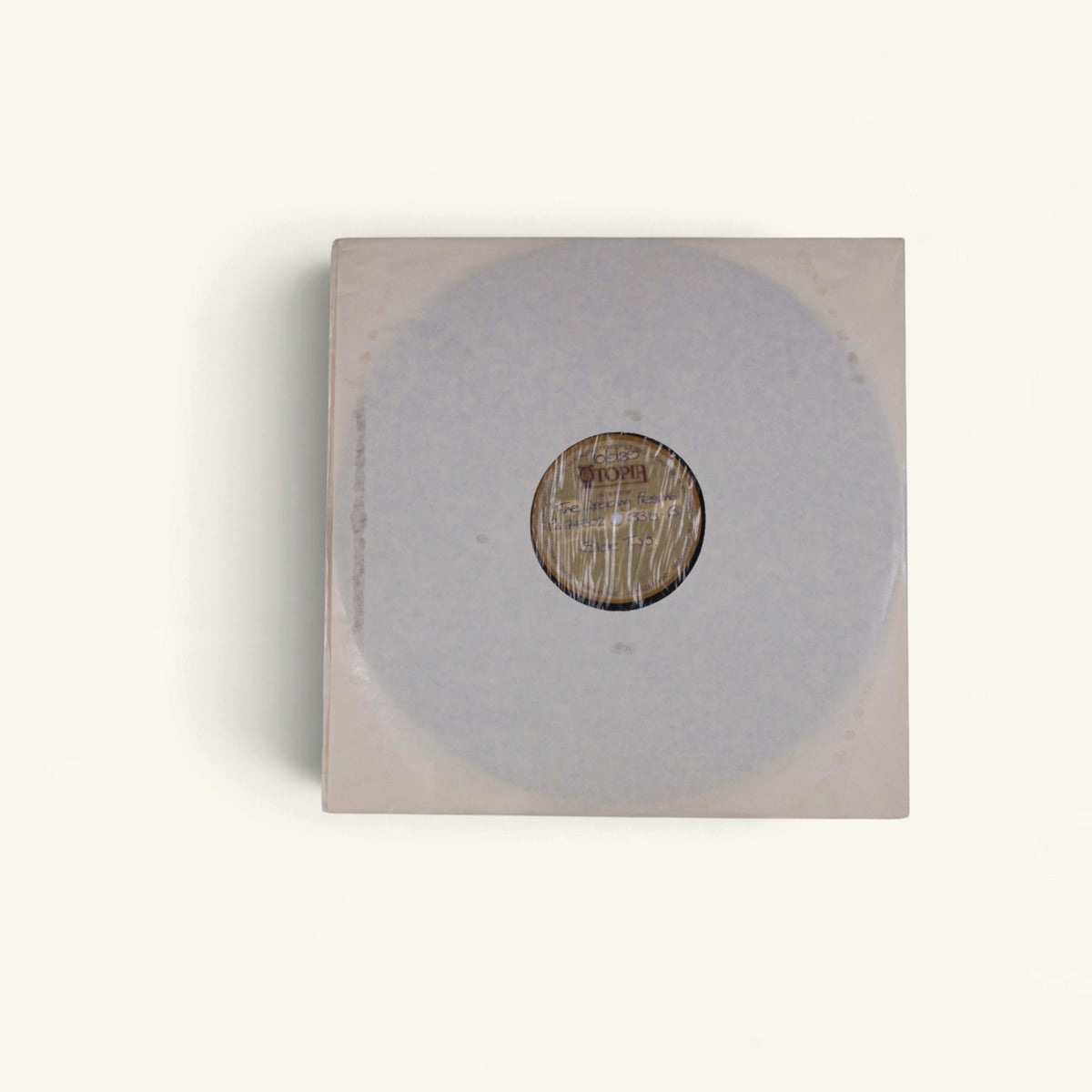
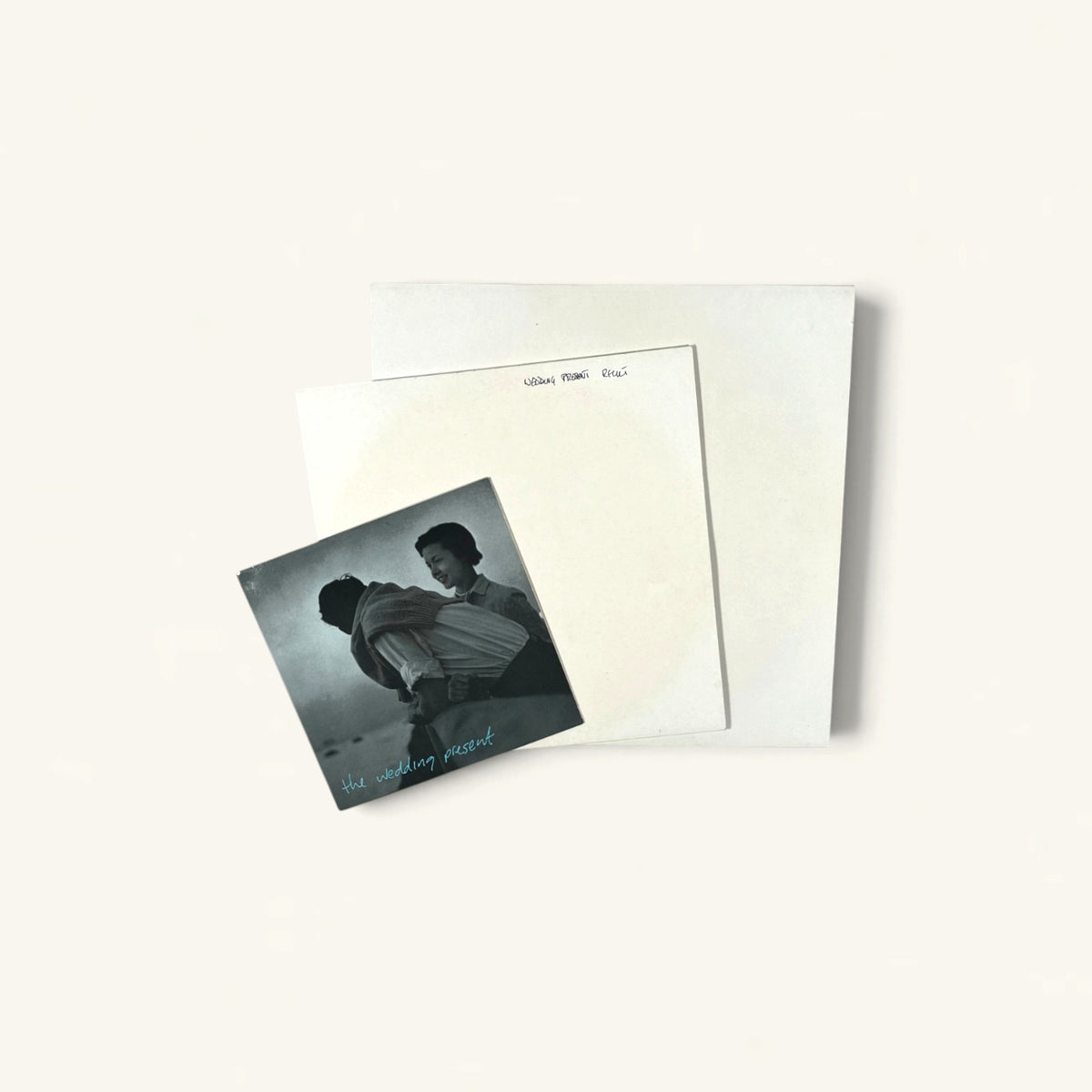
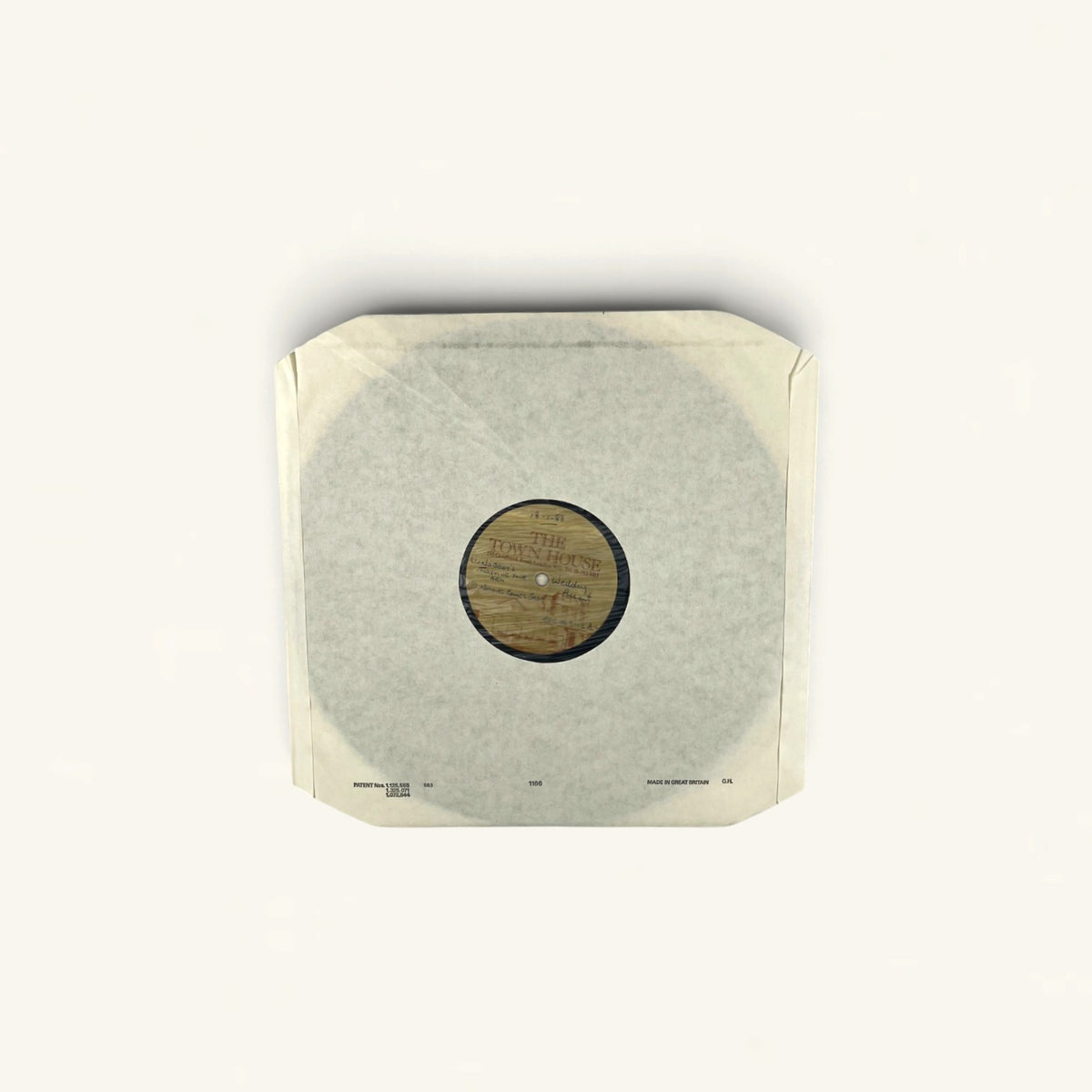
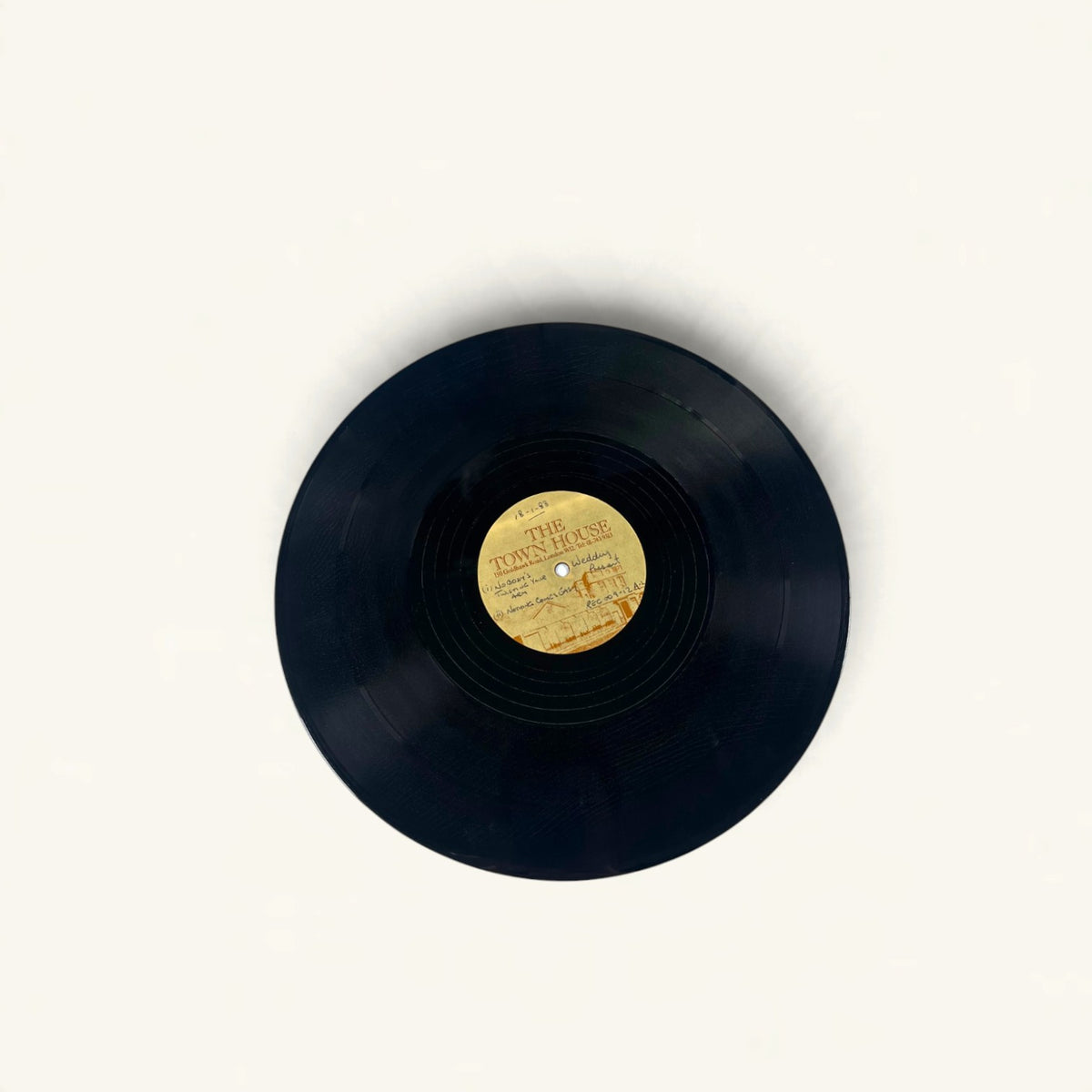
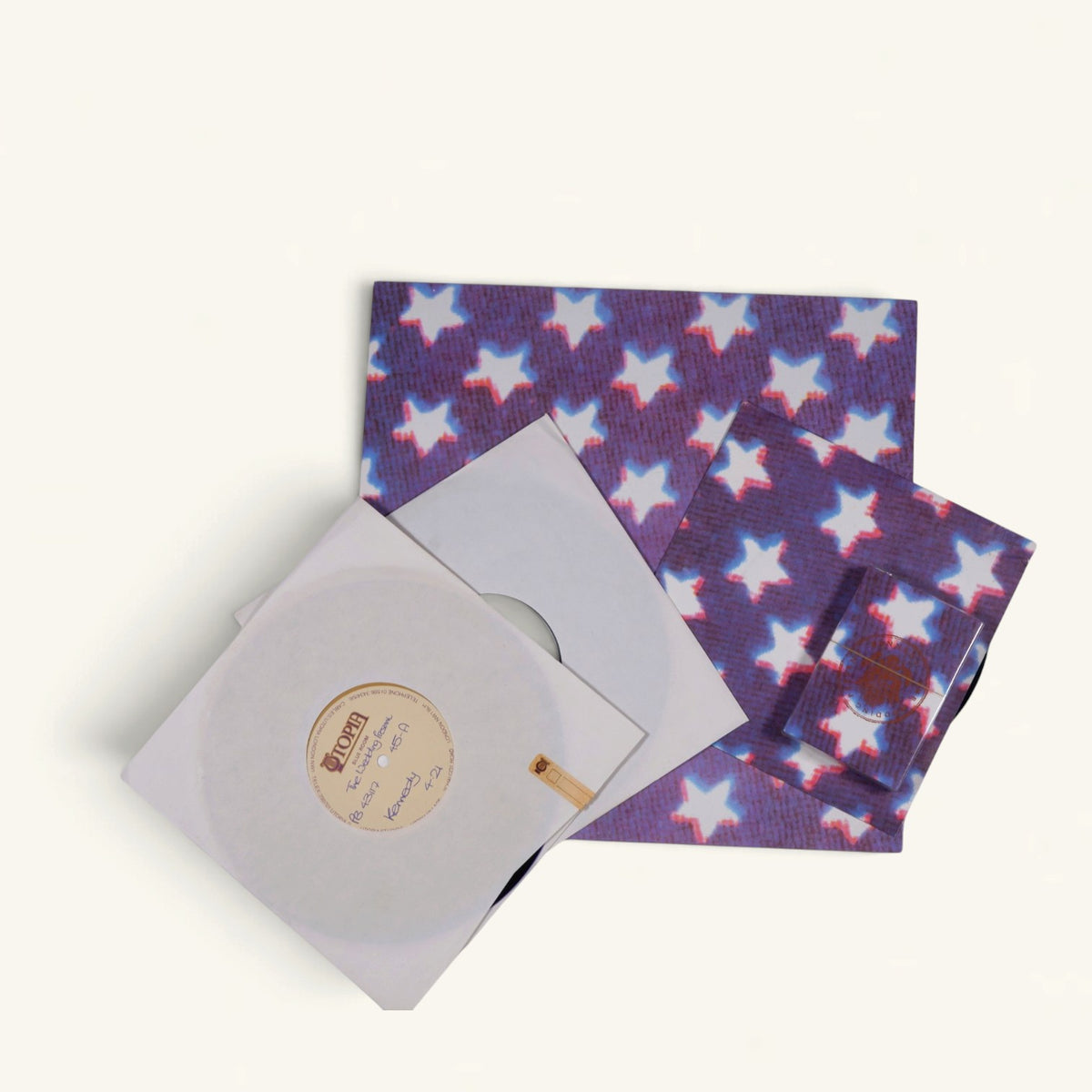
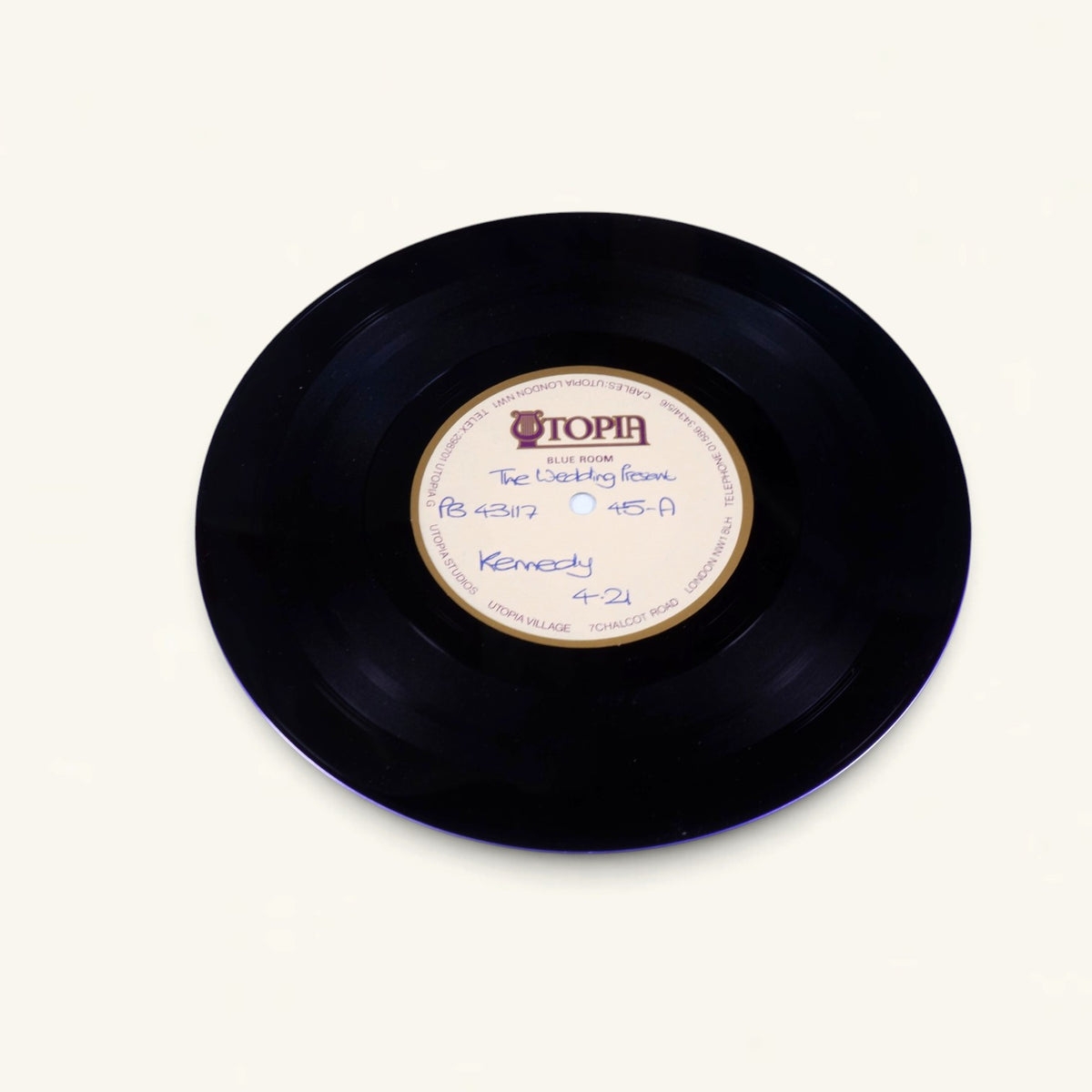
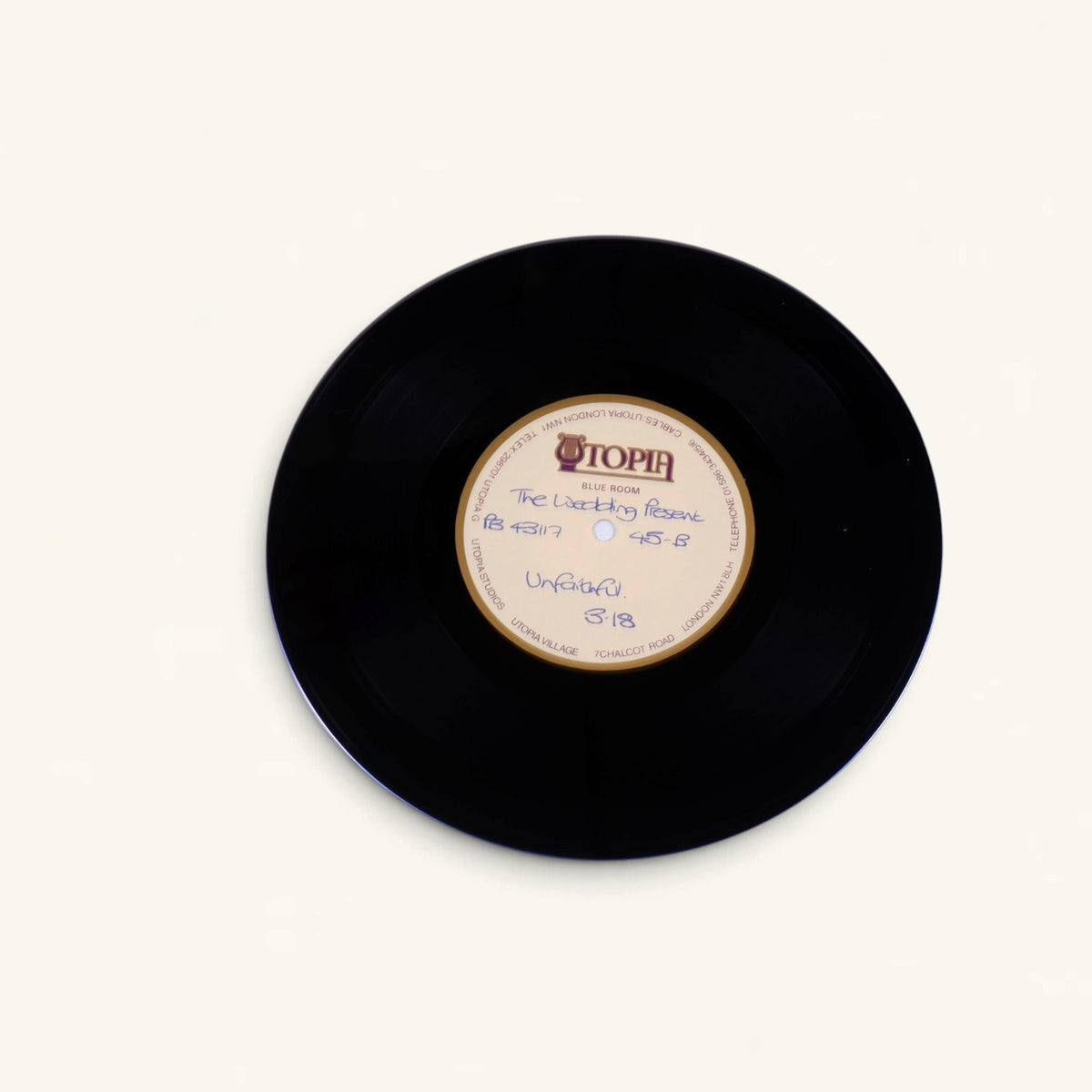
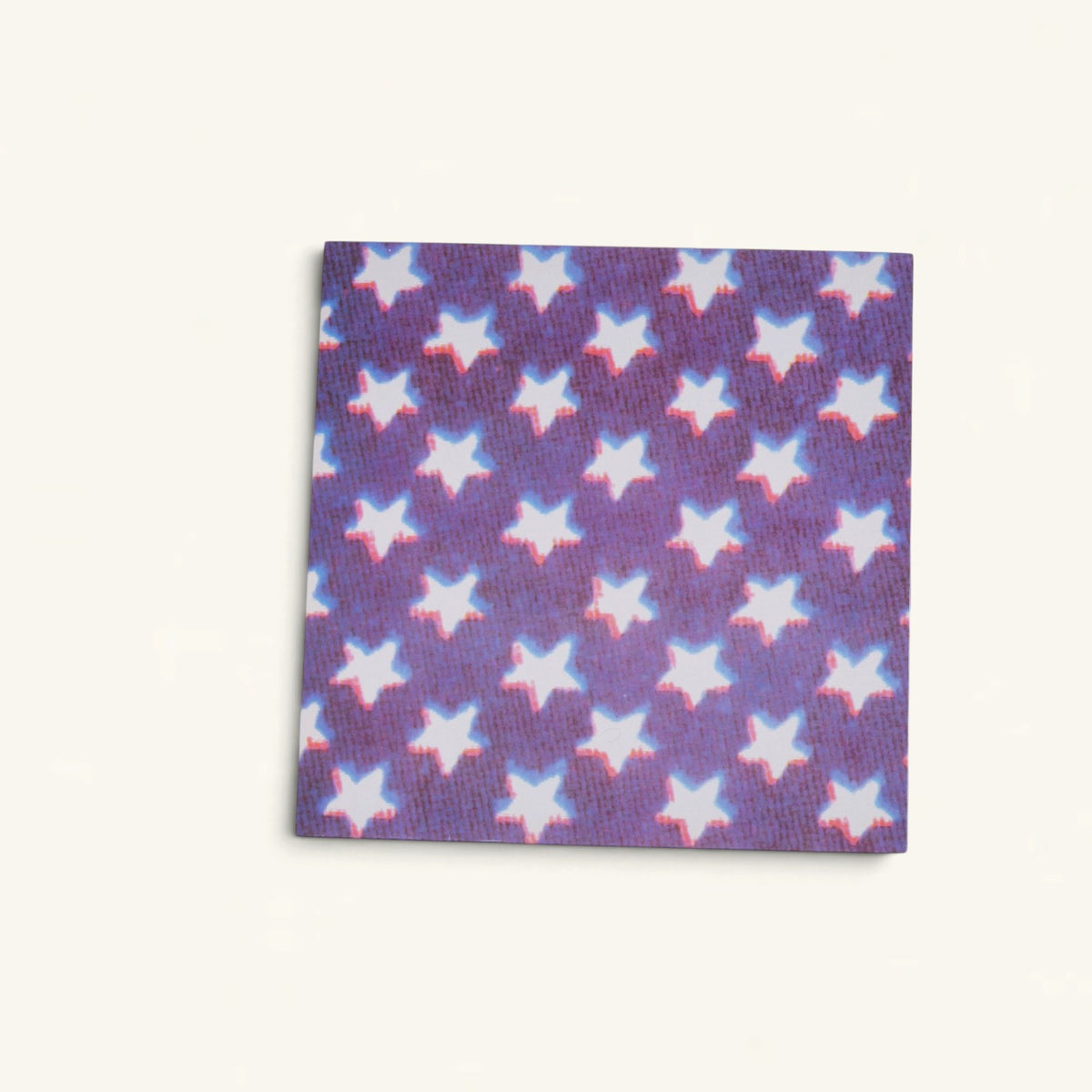
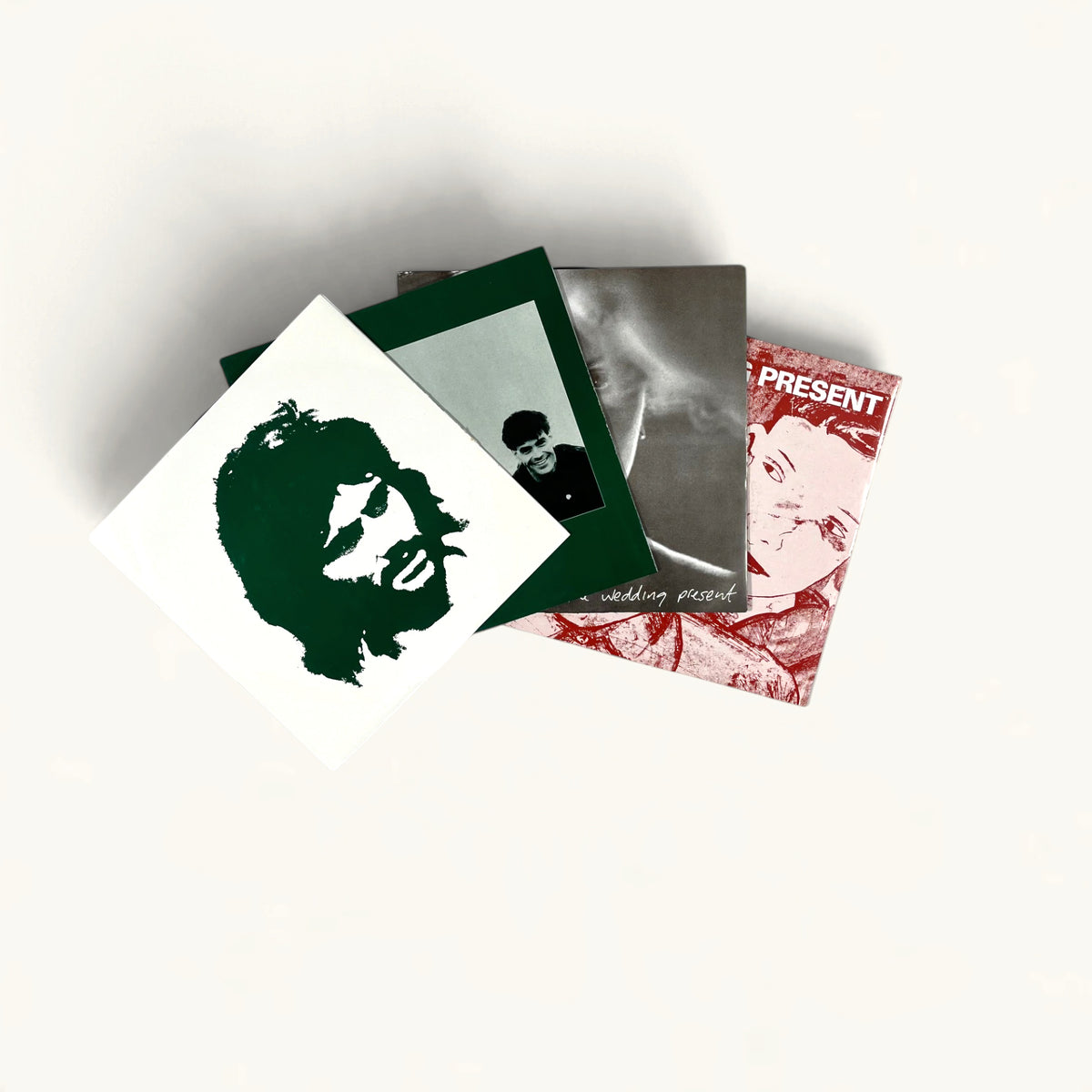
The Wedding Present - ‘Kennedy’ / ‘Unfaithful’ 7-Inch Utopia Acetates + Release Bundle
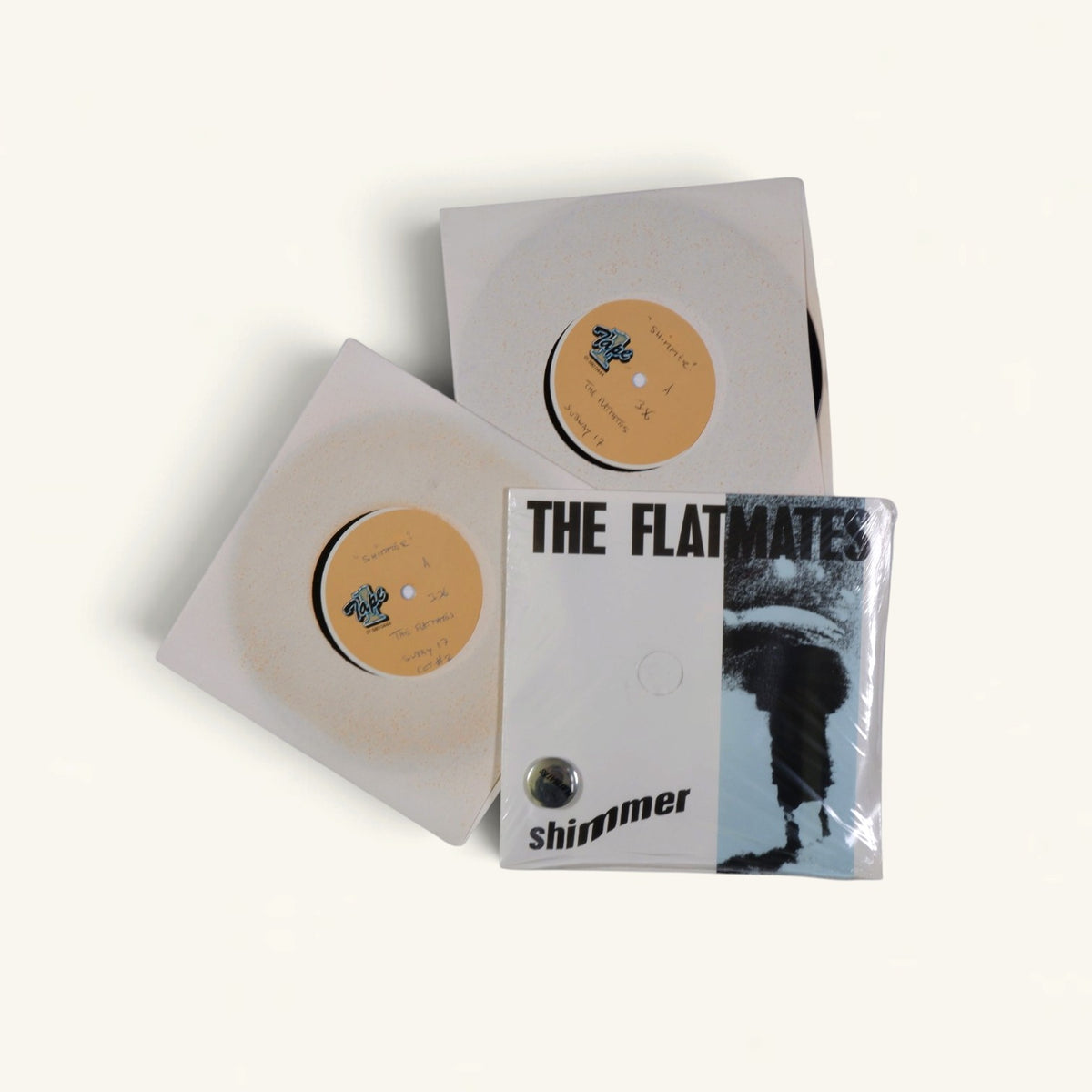
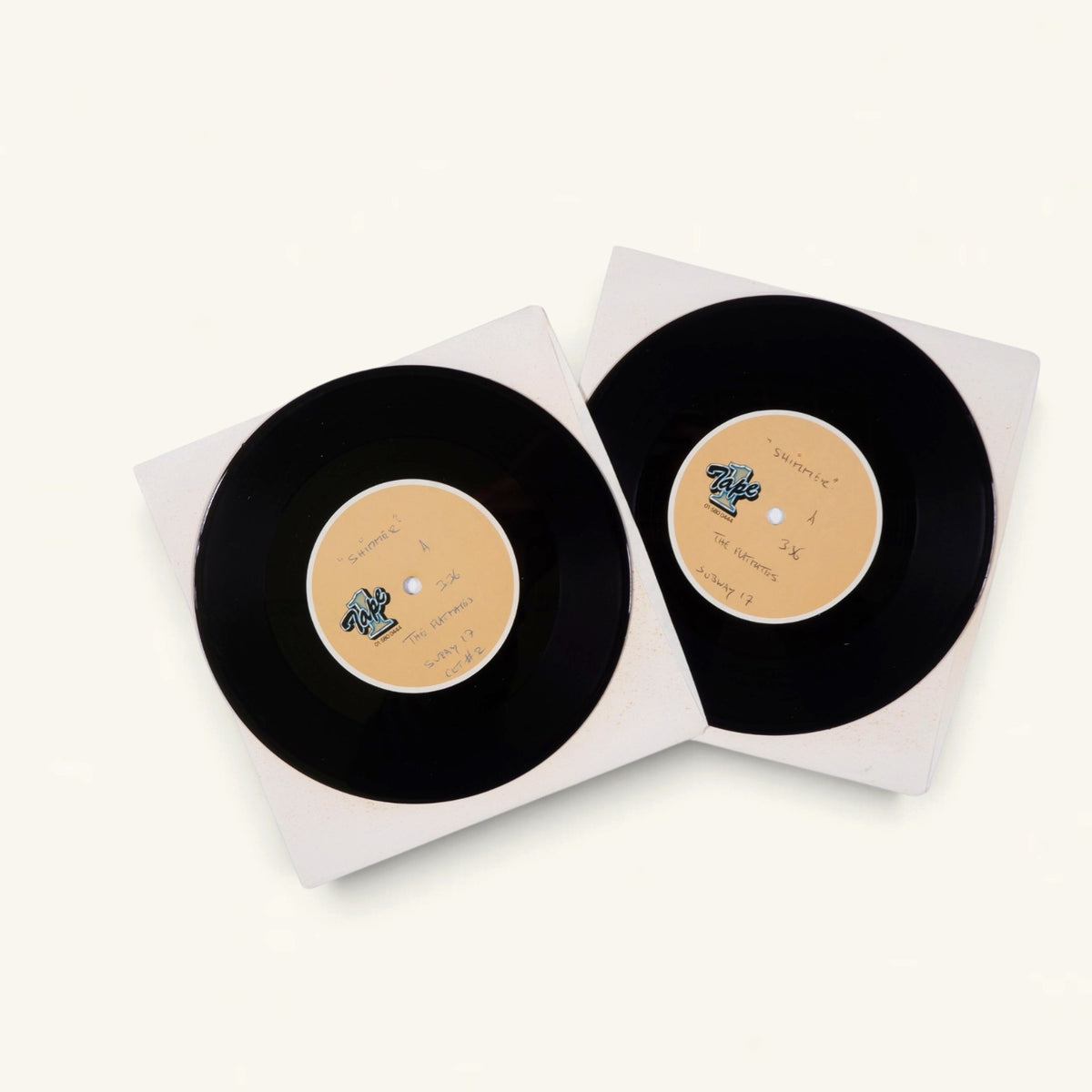
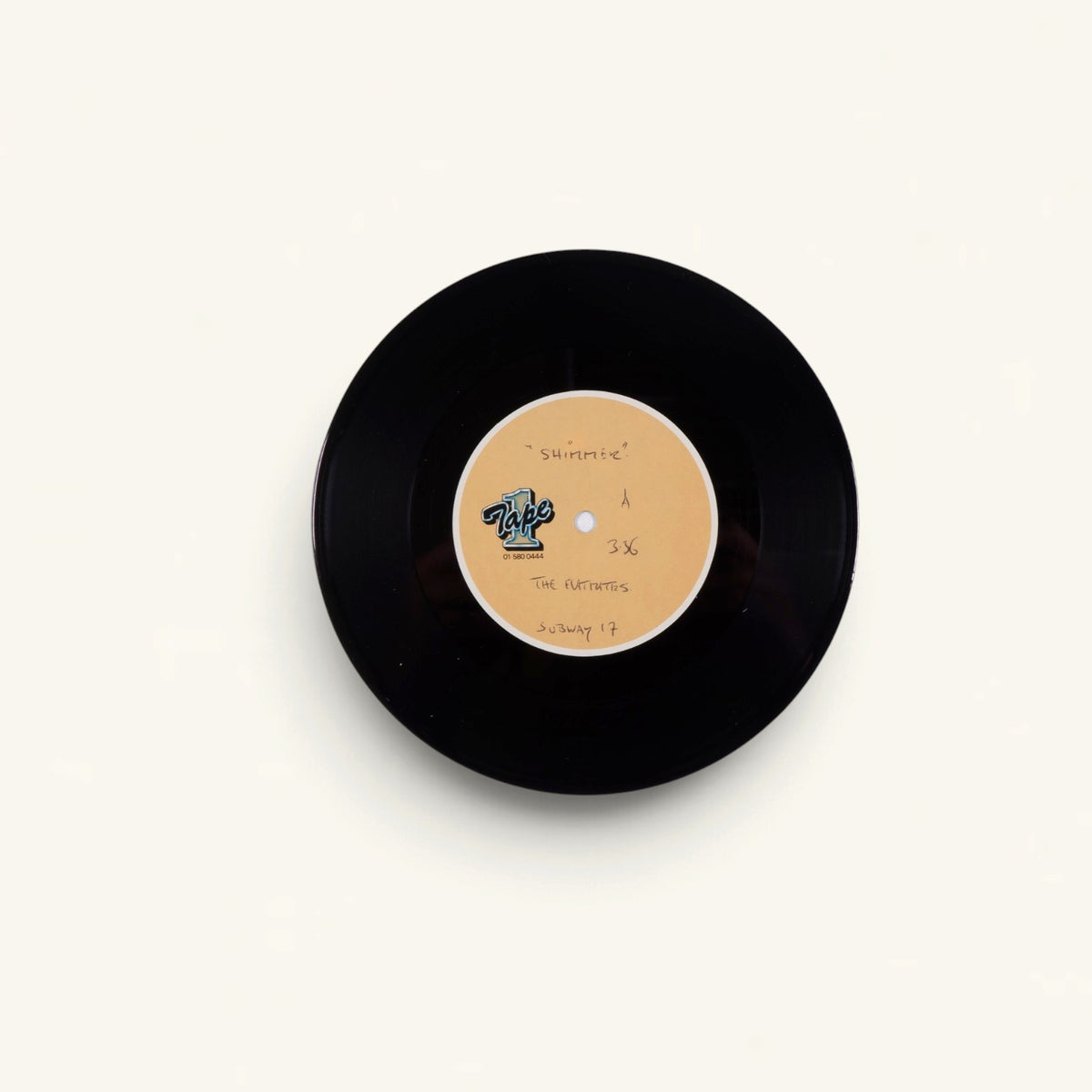
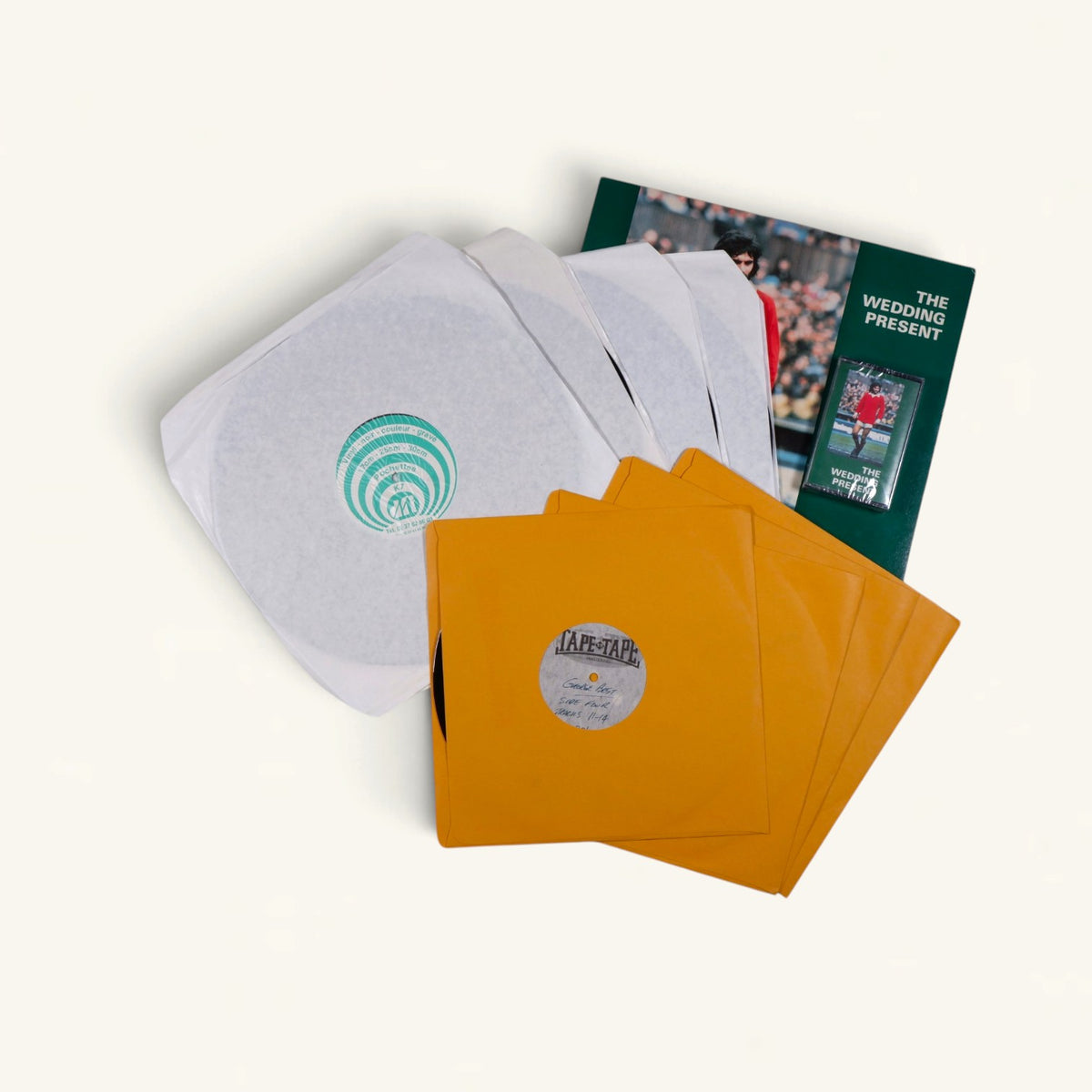
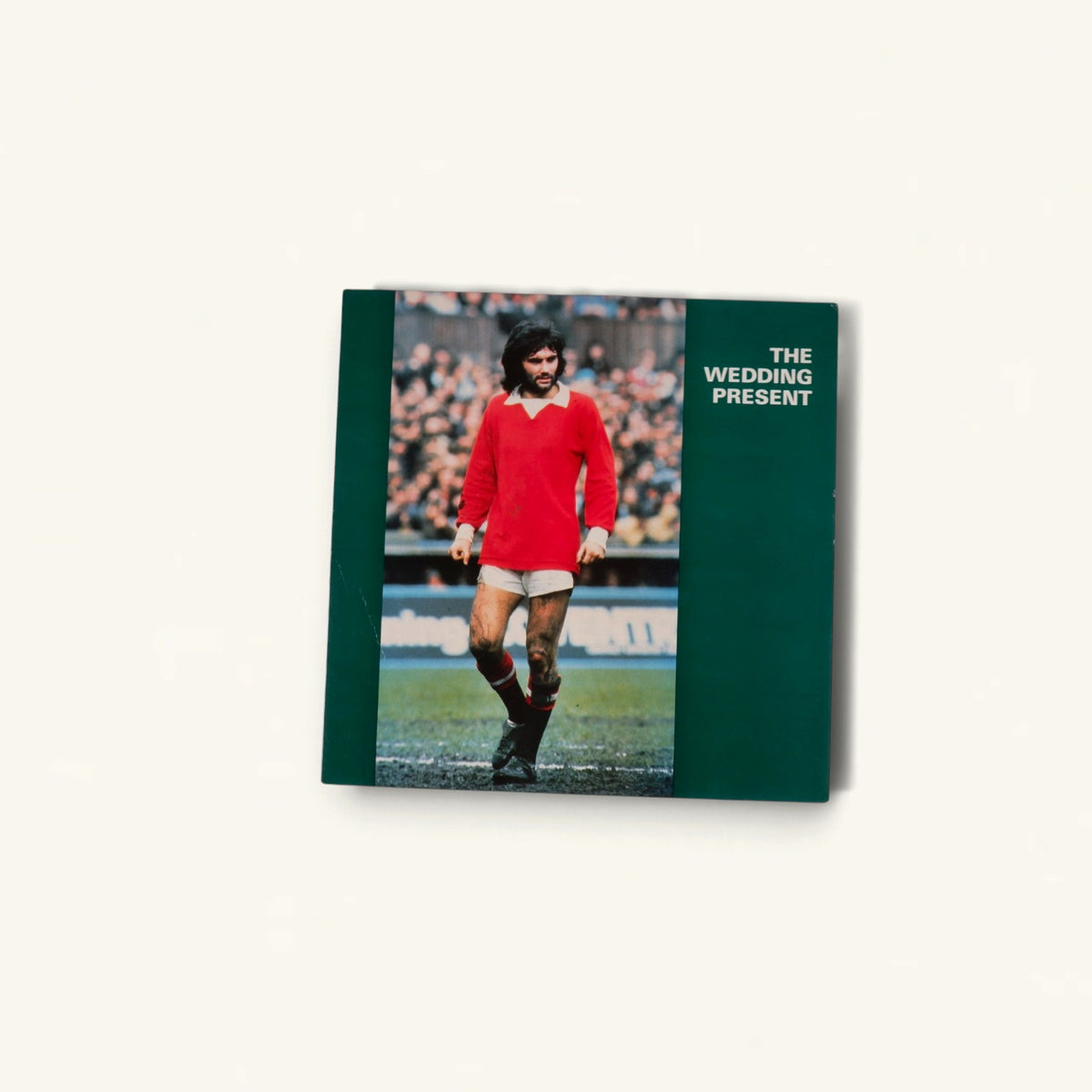
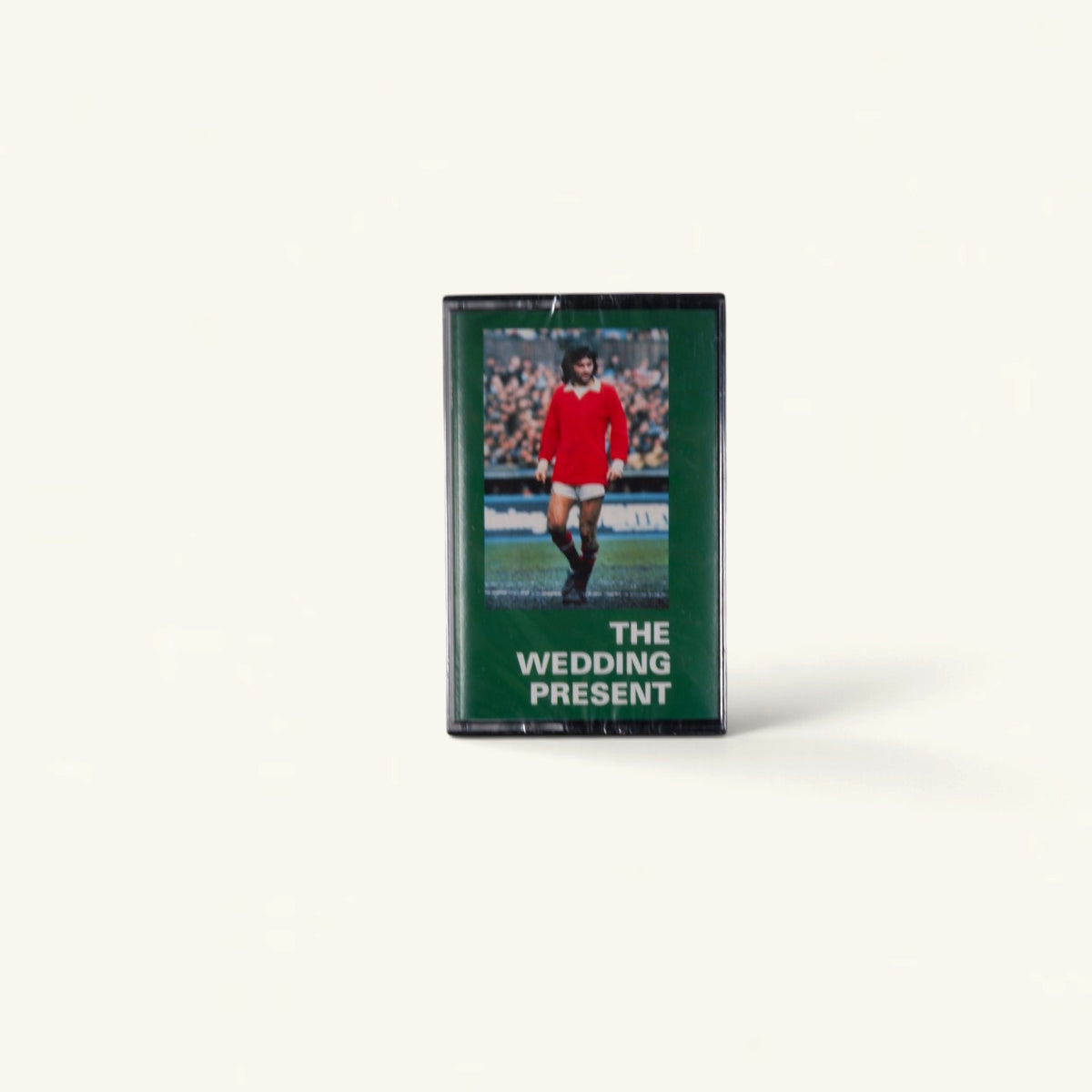
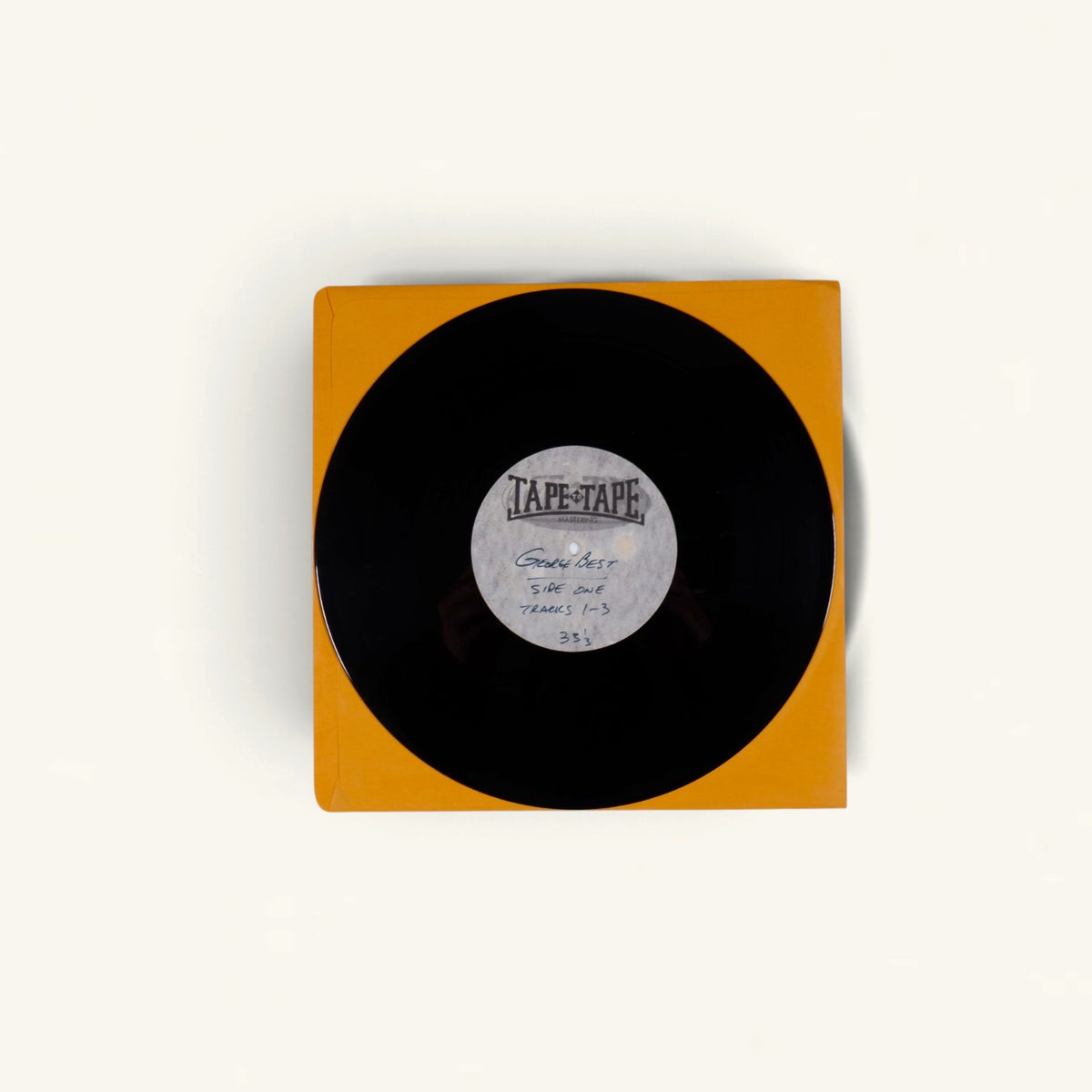
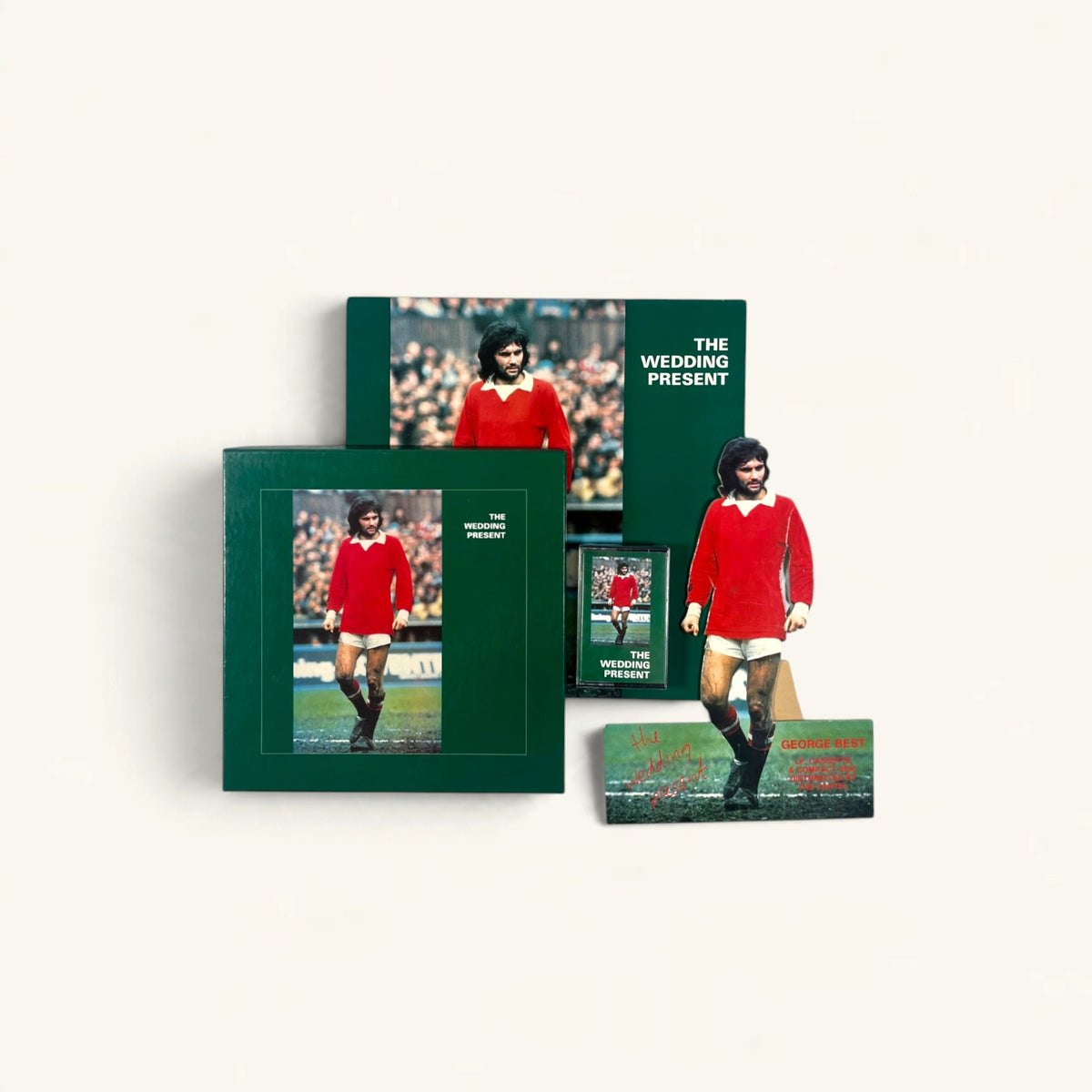
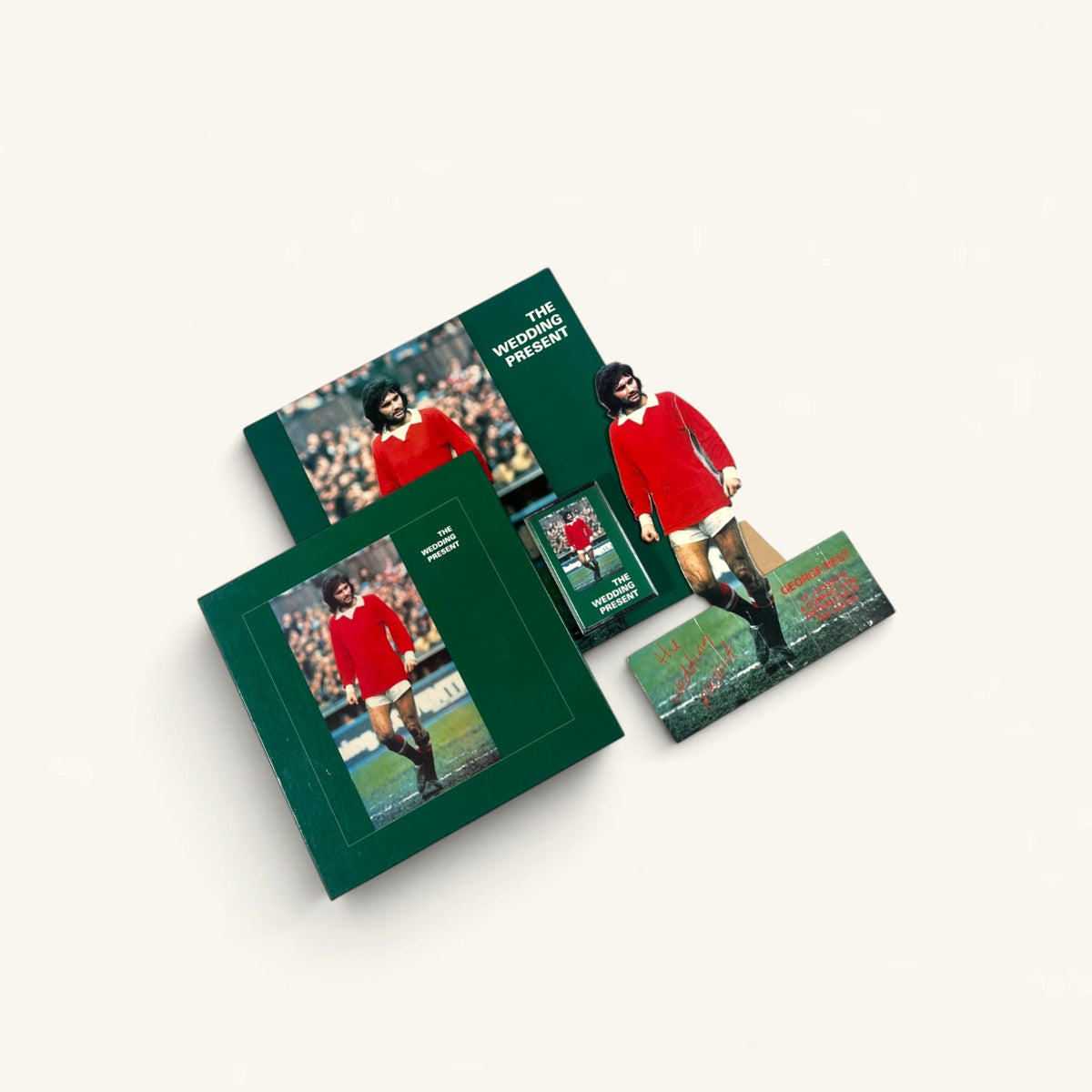
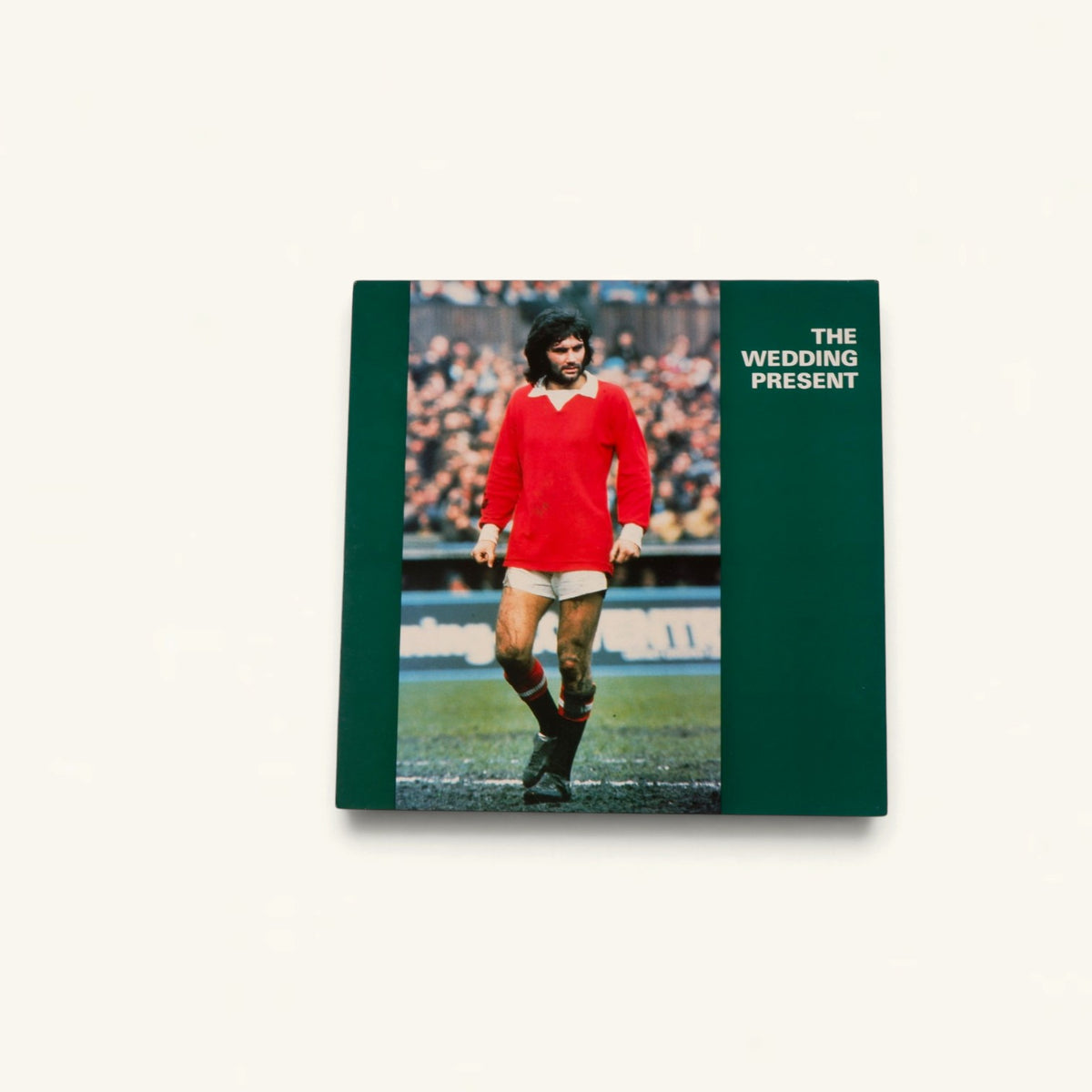
The Wedding Present - George Best Plus Test-Pressing Set + Full-Album 10-Inch Acetates
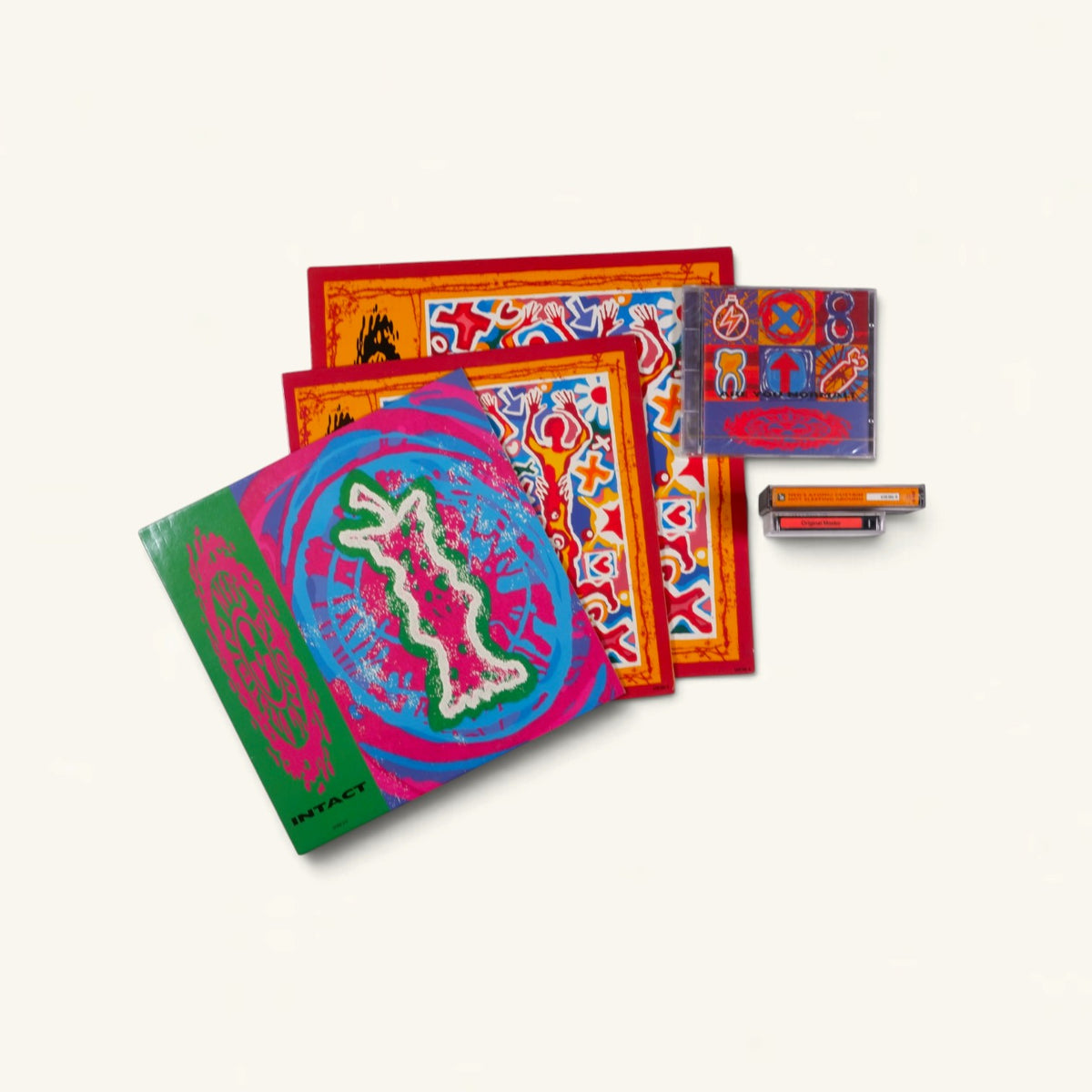
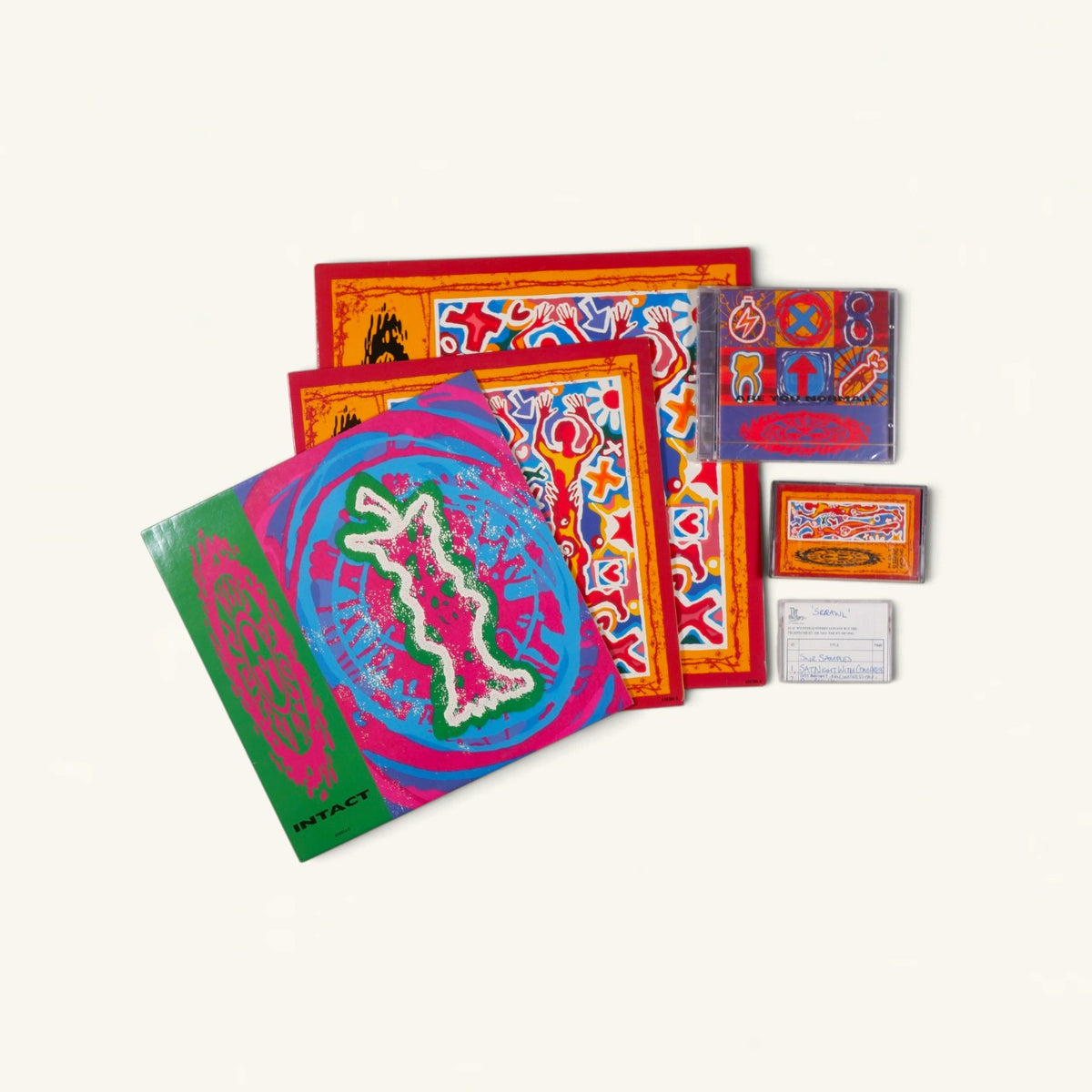
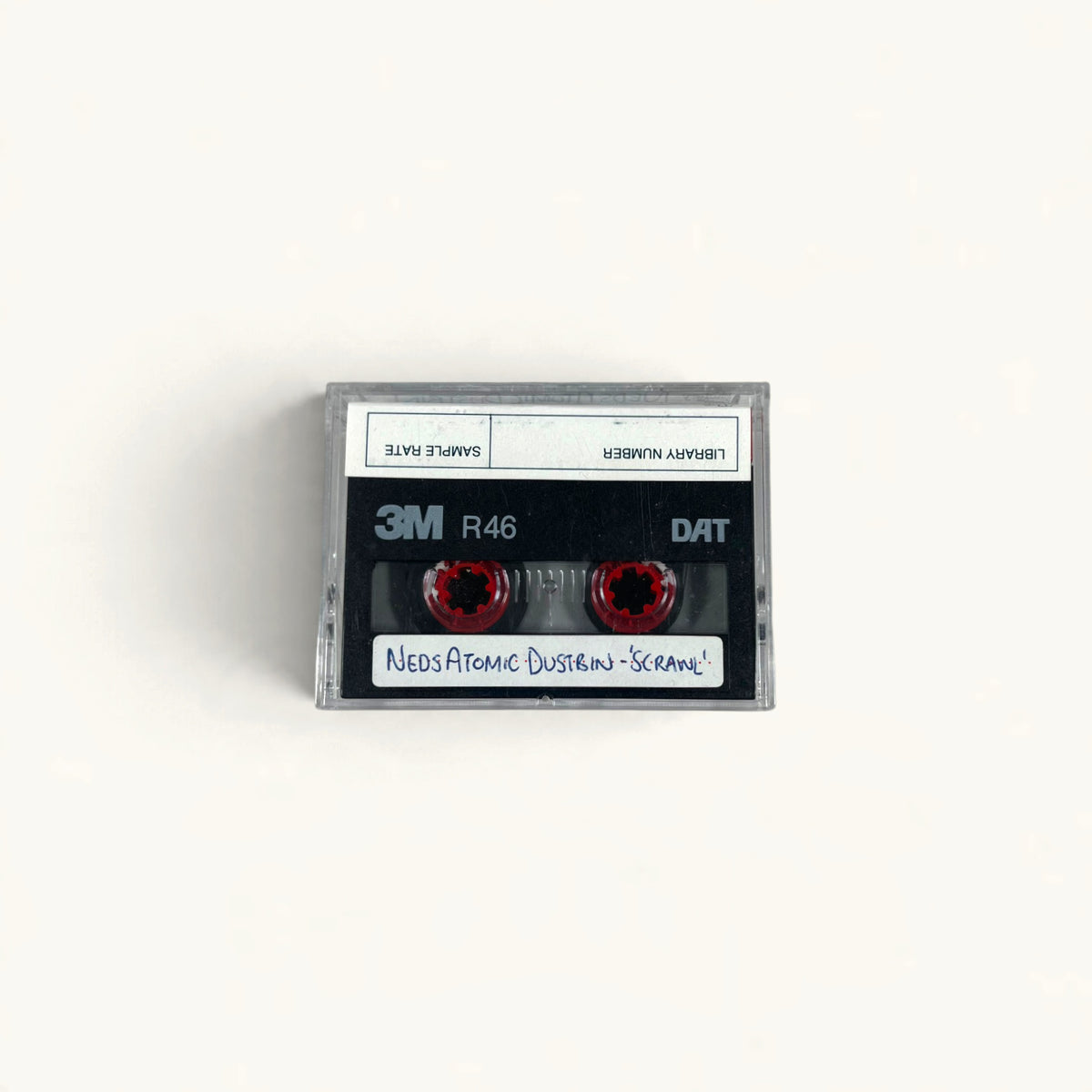
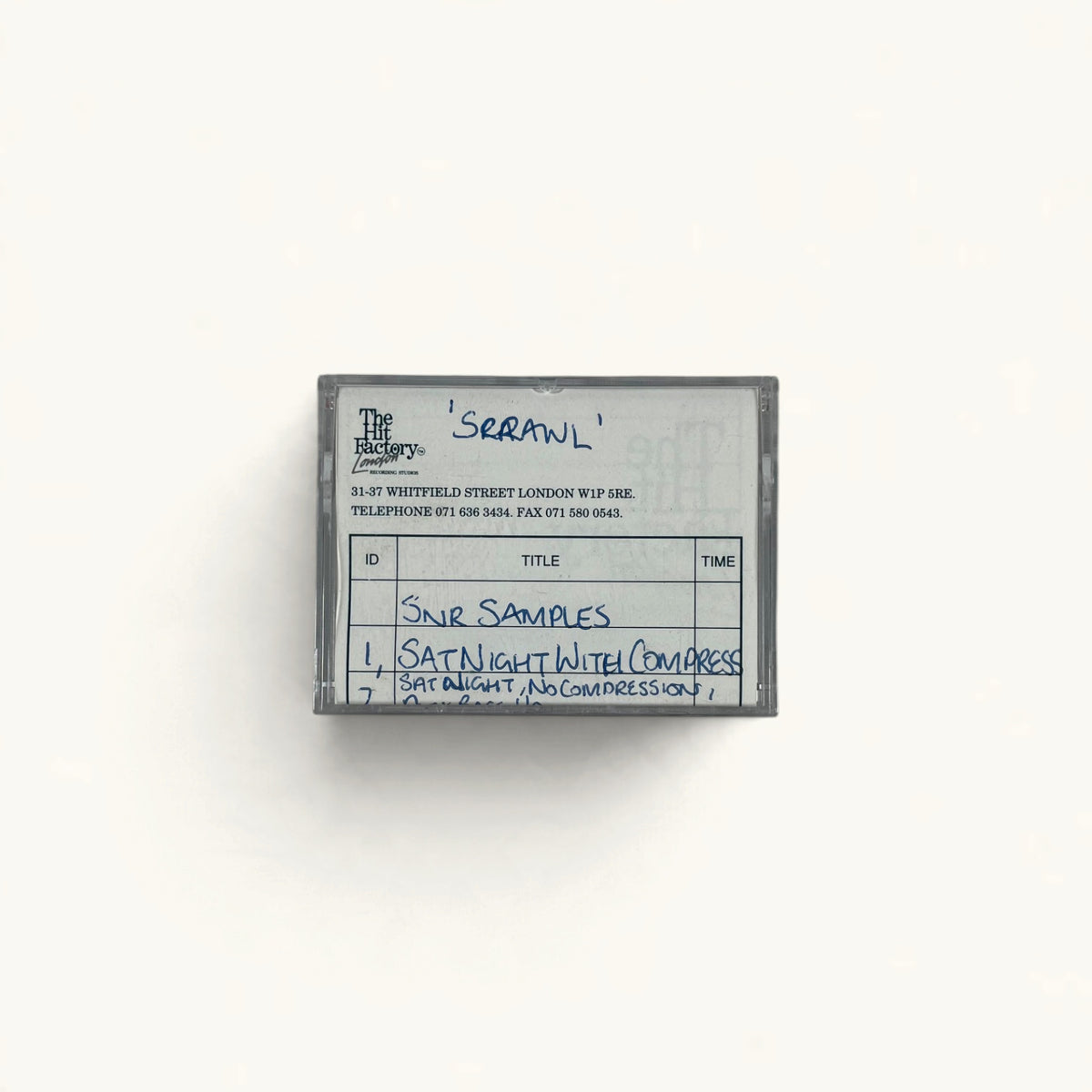
Ned’s Atomic Dustbin - ‘Scrawl’ Hit Factory Original Master DAT + Release Bundle
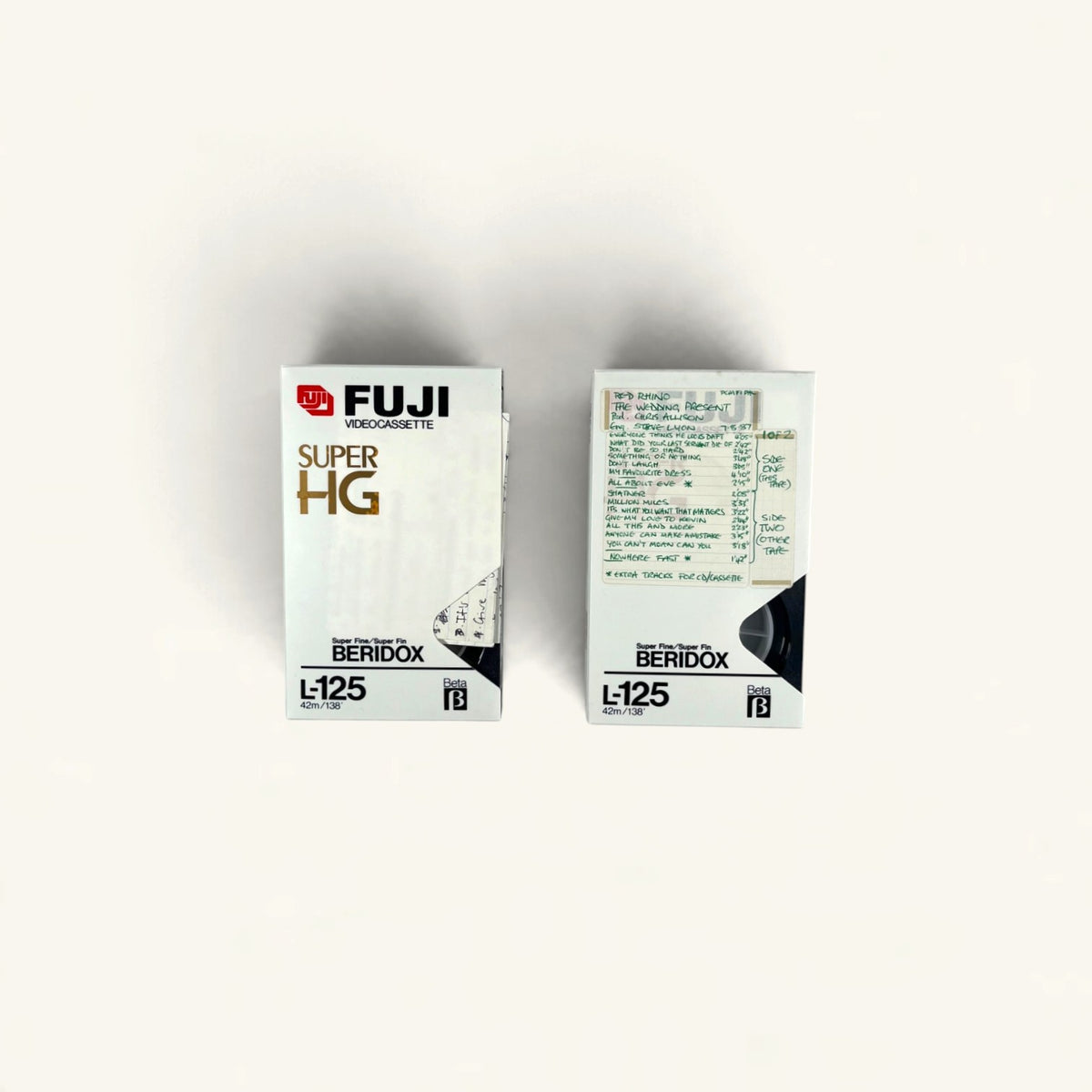
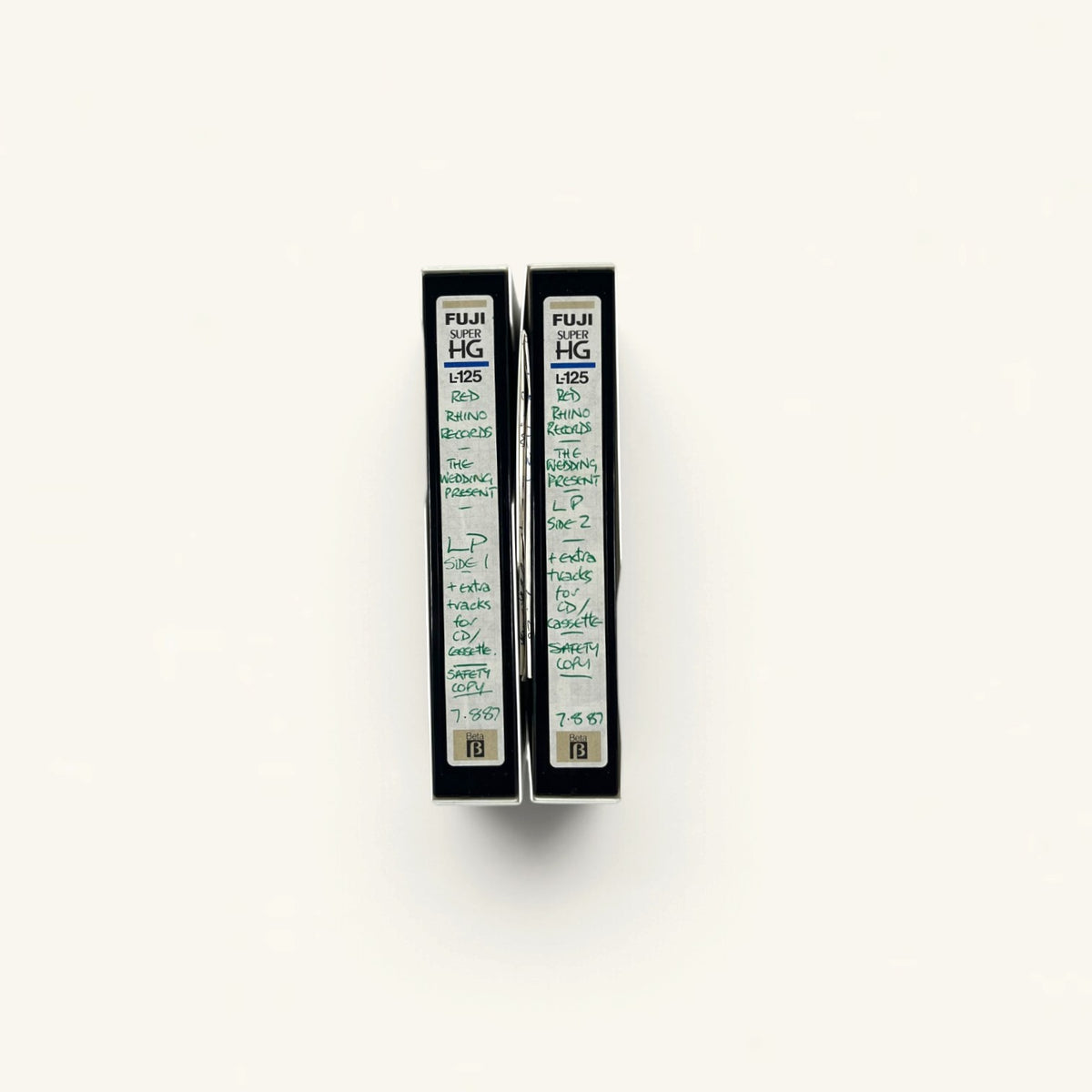
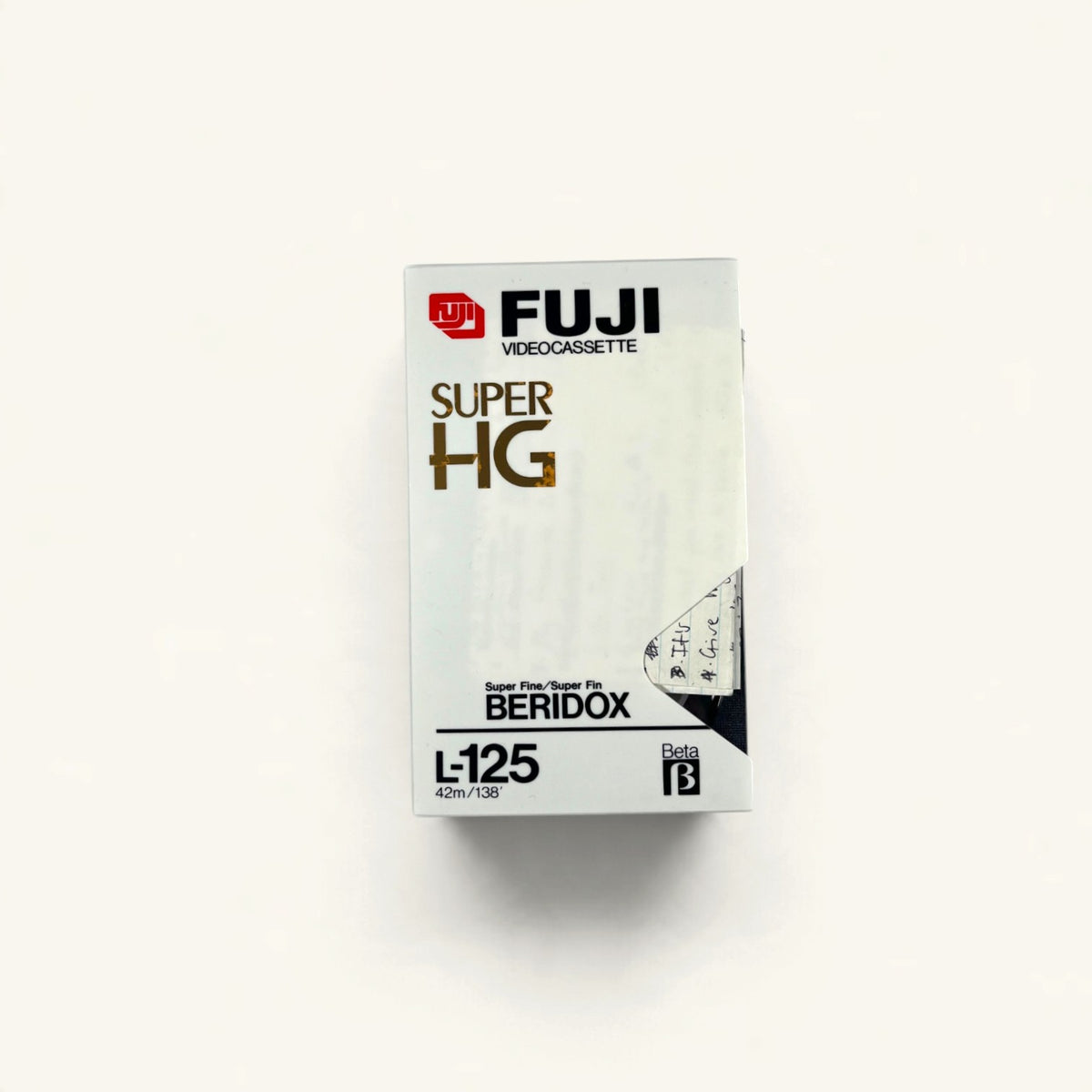
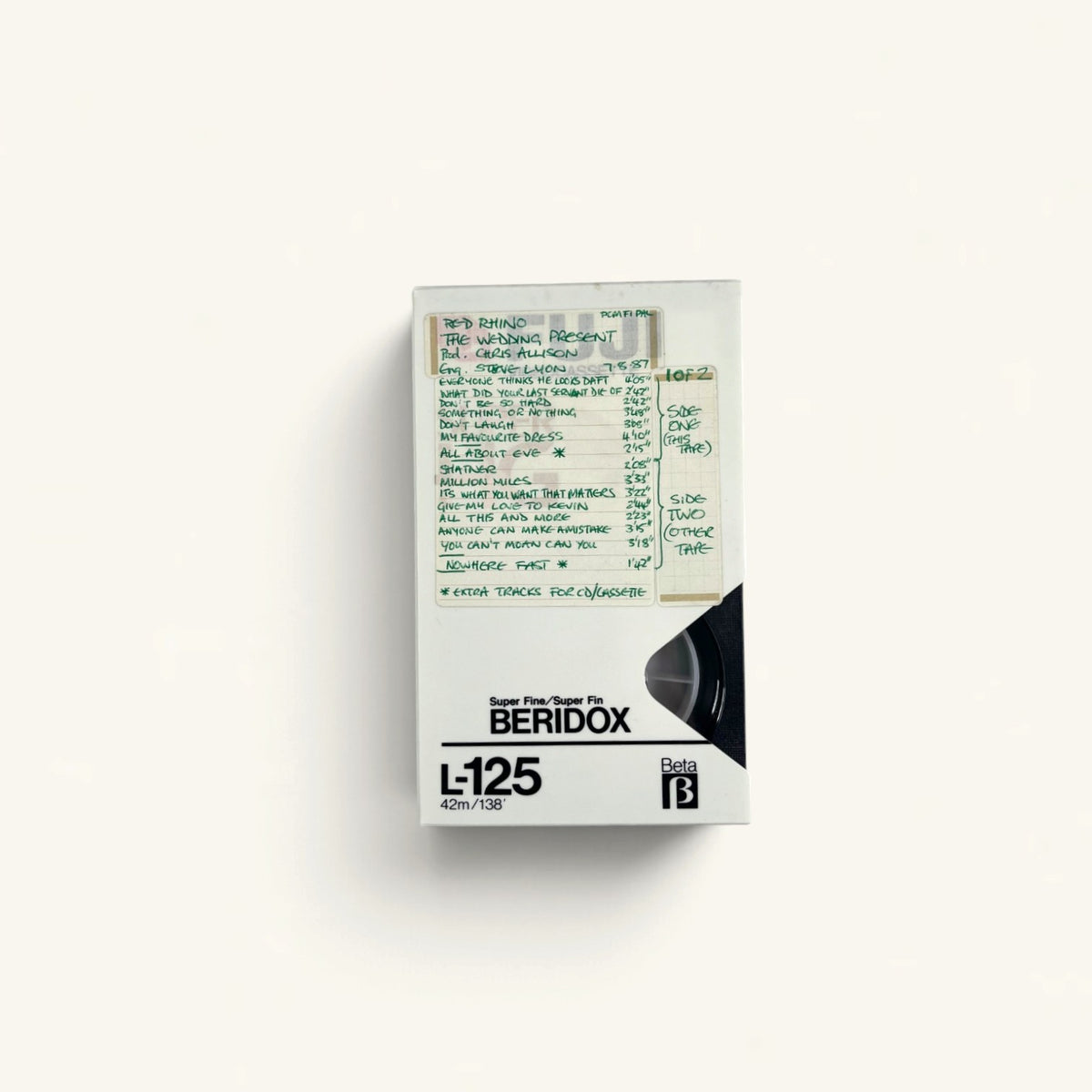
The Wedding Present - ‘George Best’ Mastered Betamax Safety Copies x2 (PCM-F1, 7.8.87)
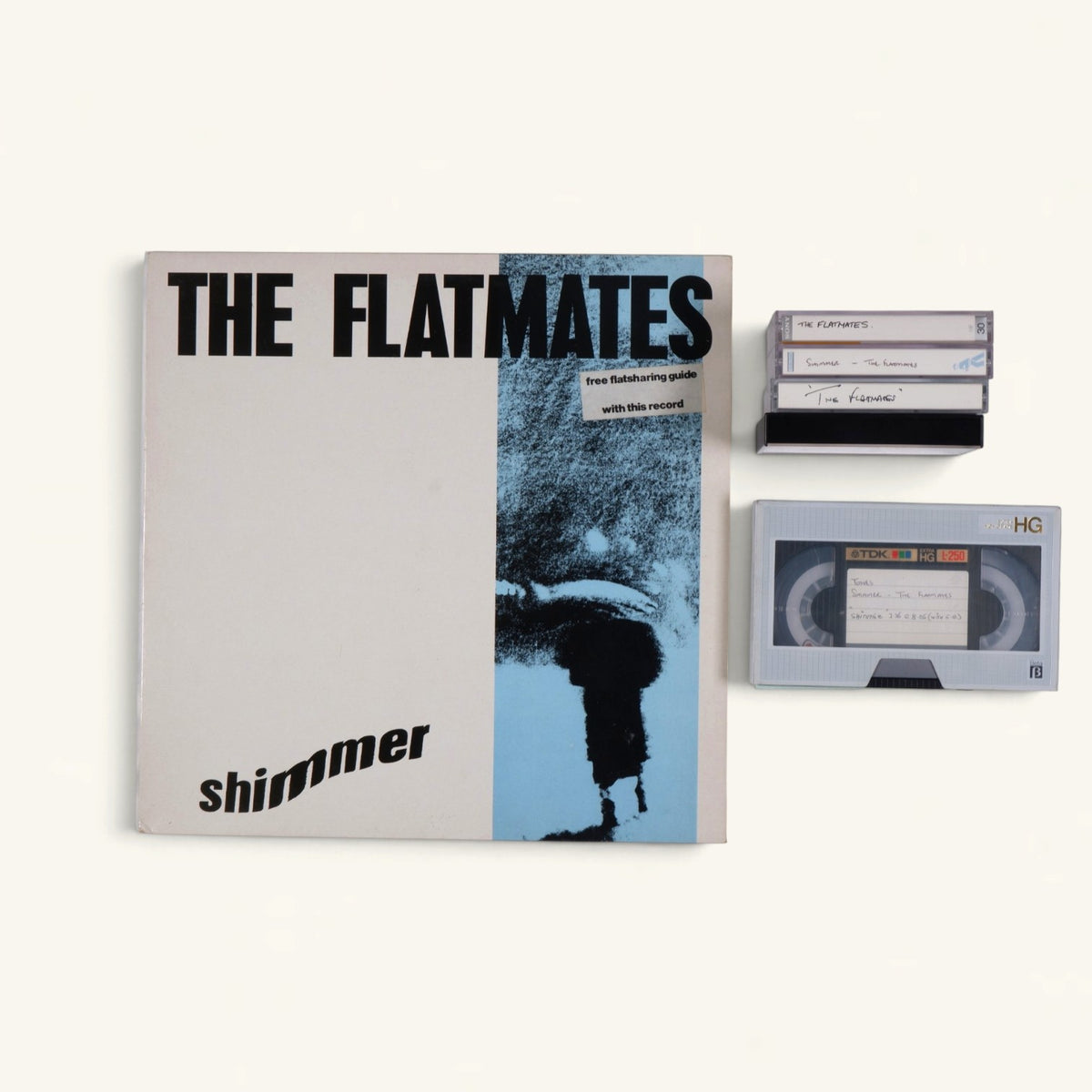
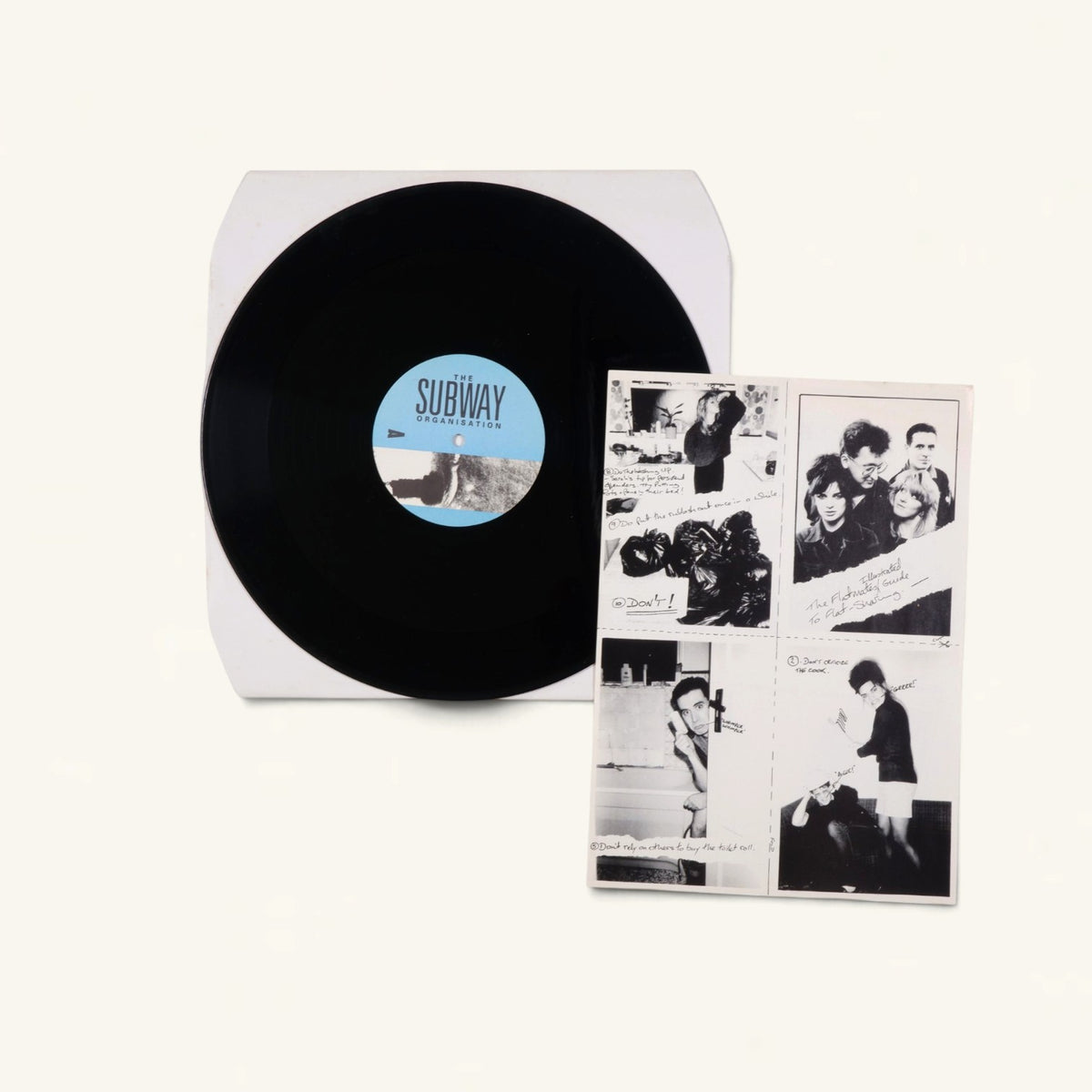
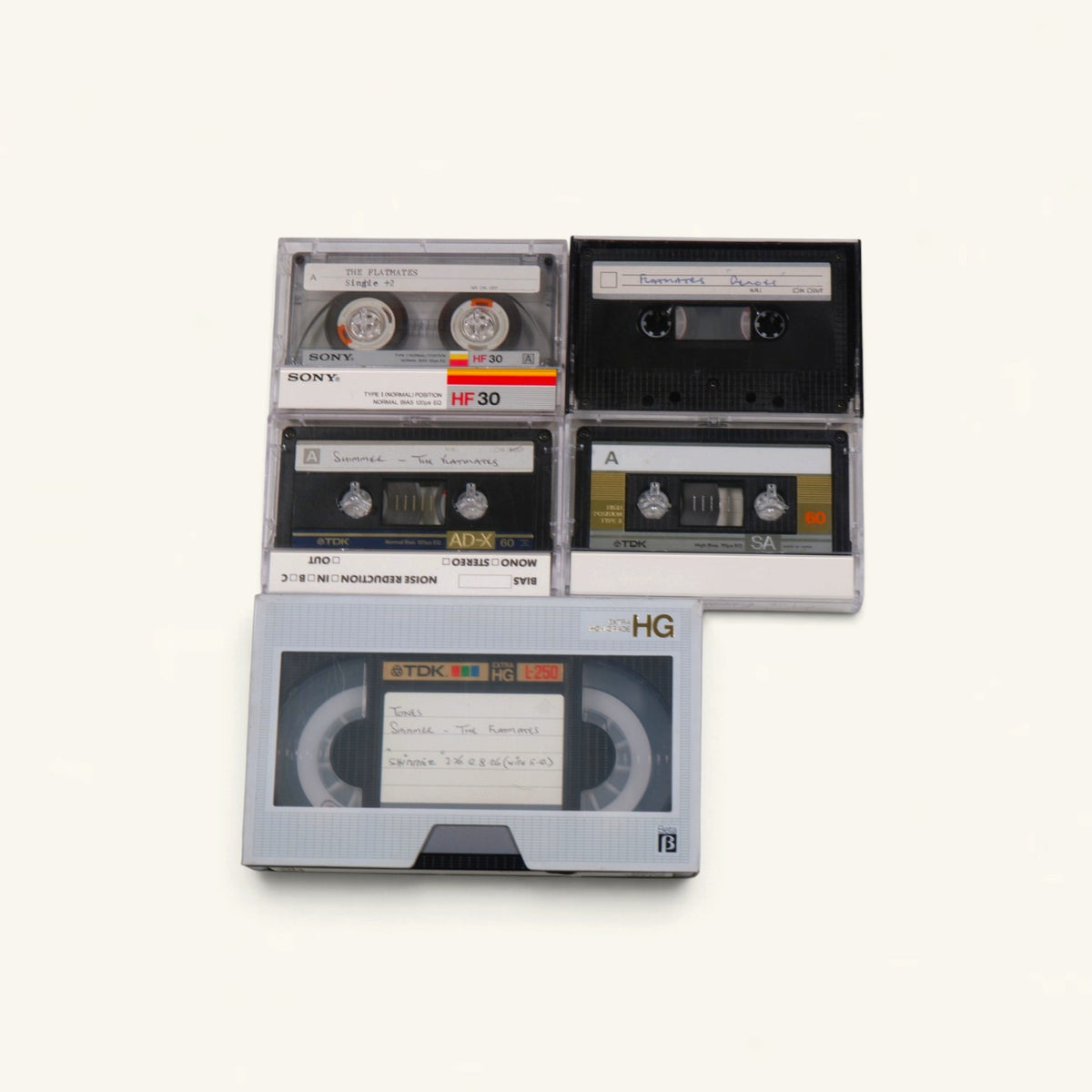
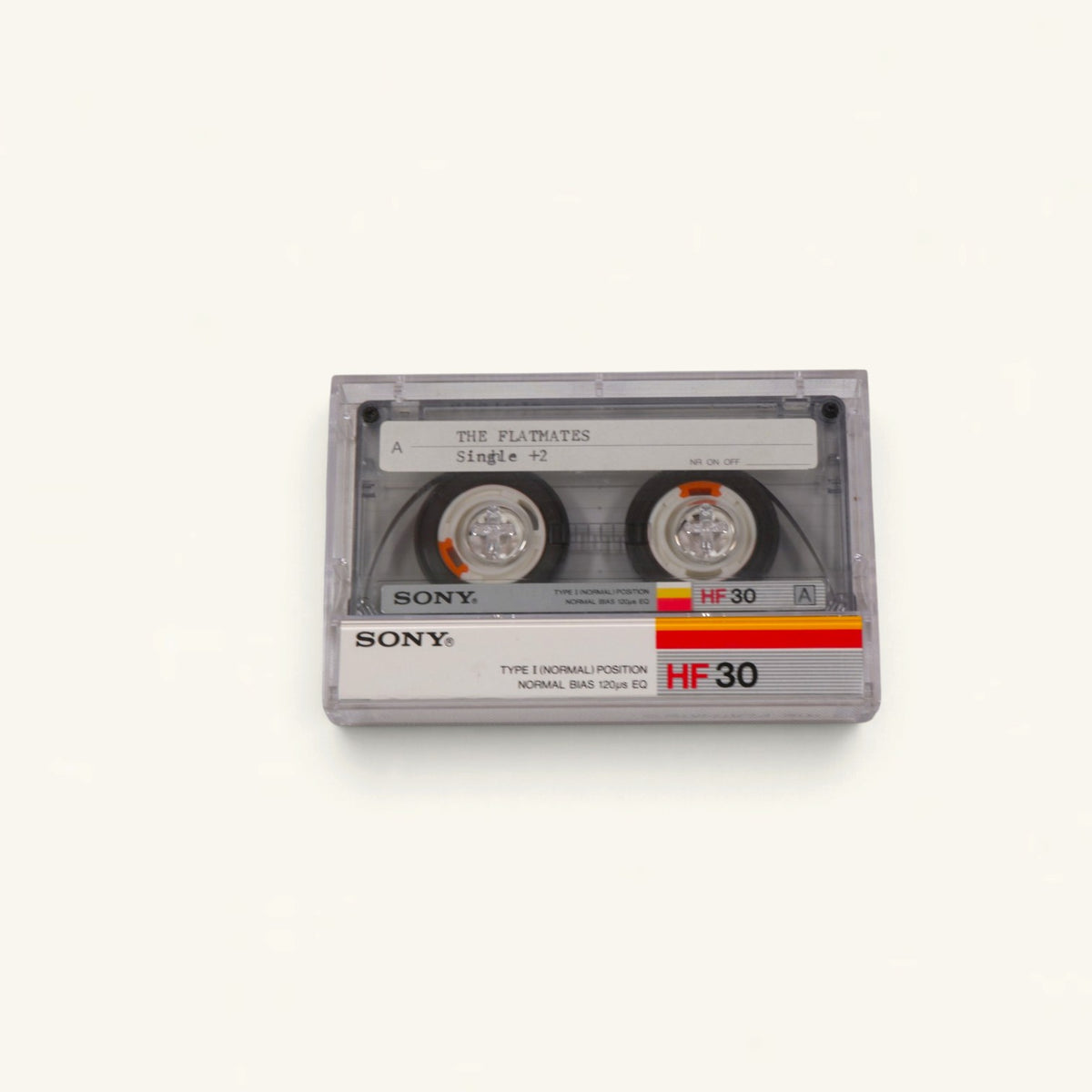
The Flatmates - ‘Shimmer’ Finished-Mix Betamax + Four Demo Tapes + ‘Shimmer’ 12-Inch
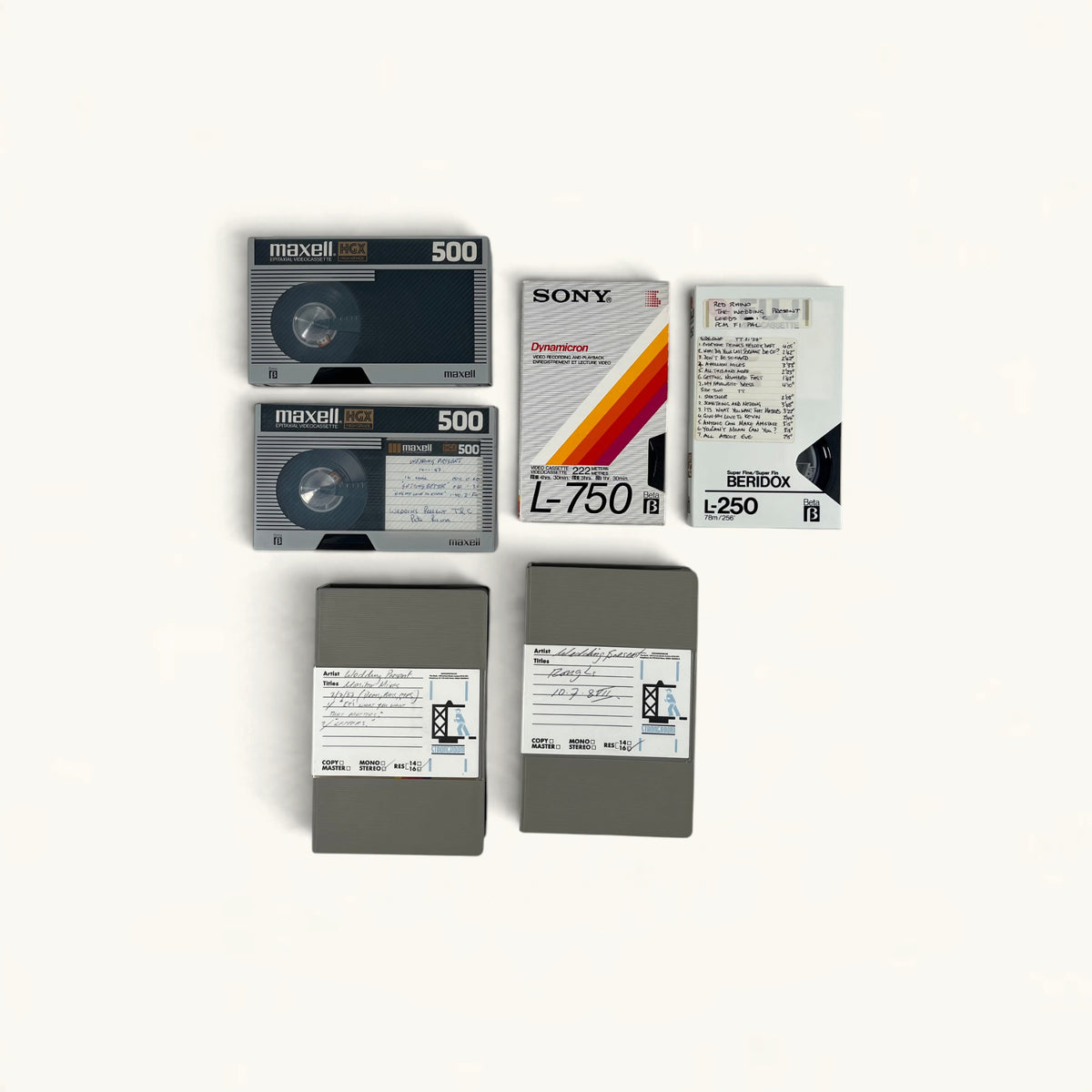
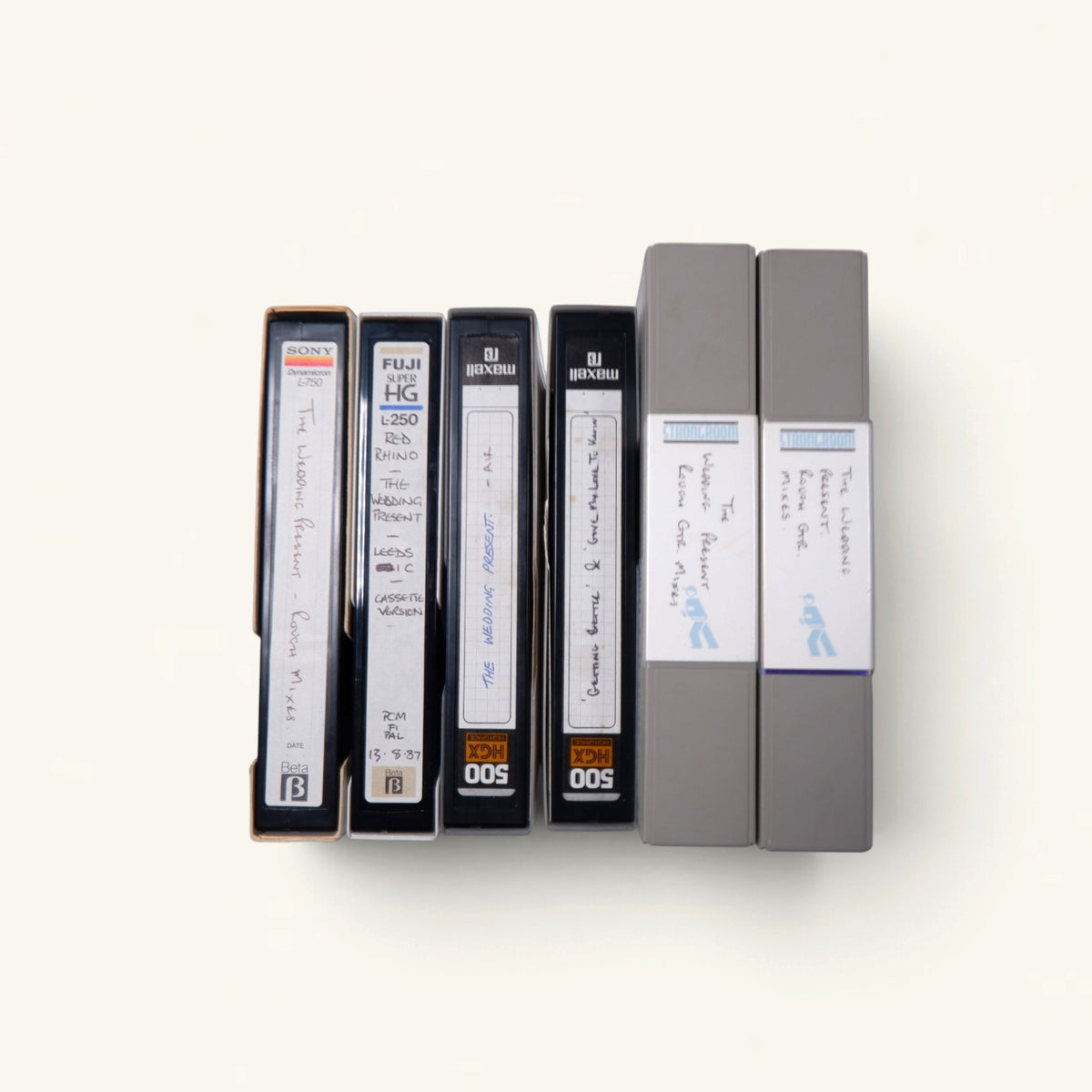
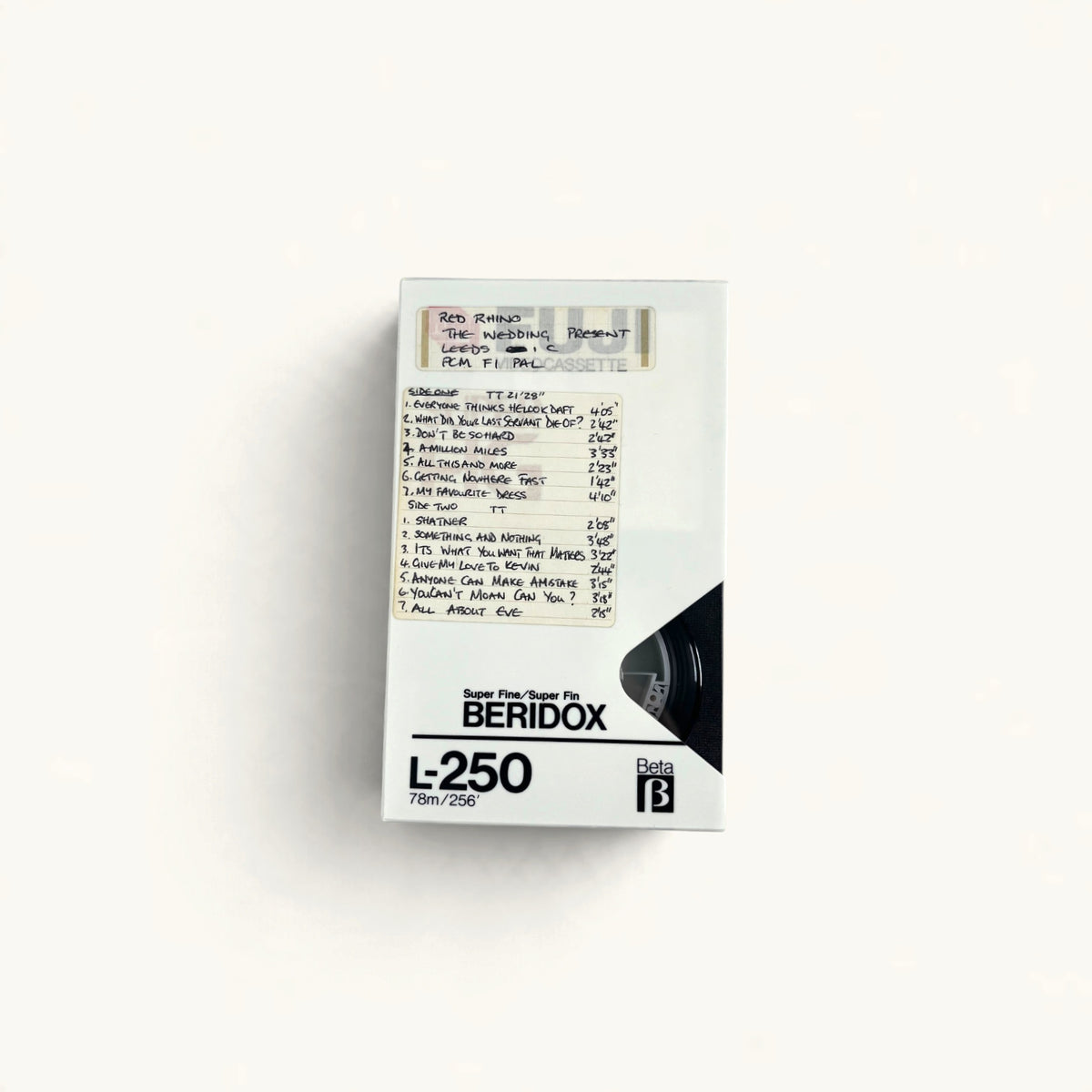
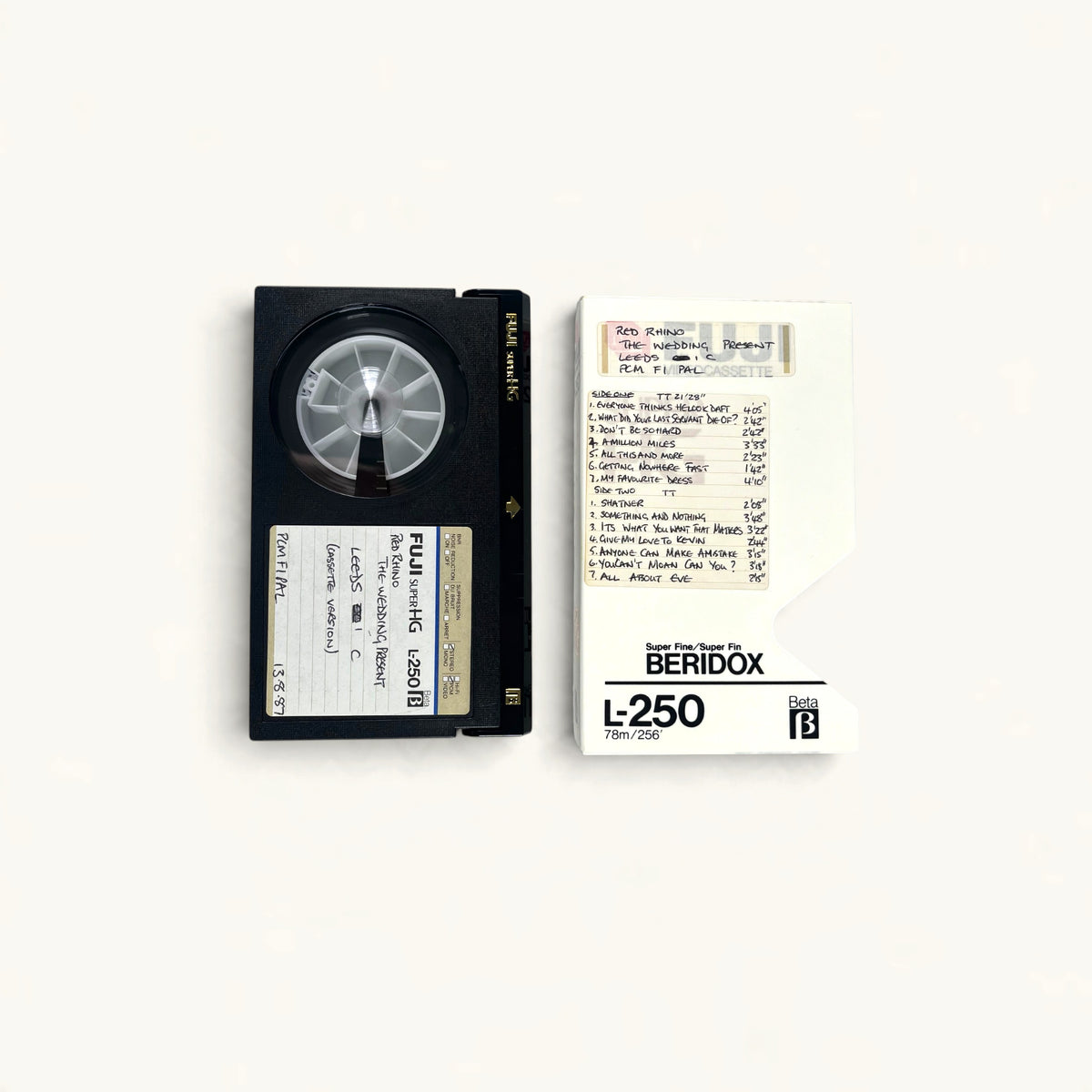
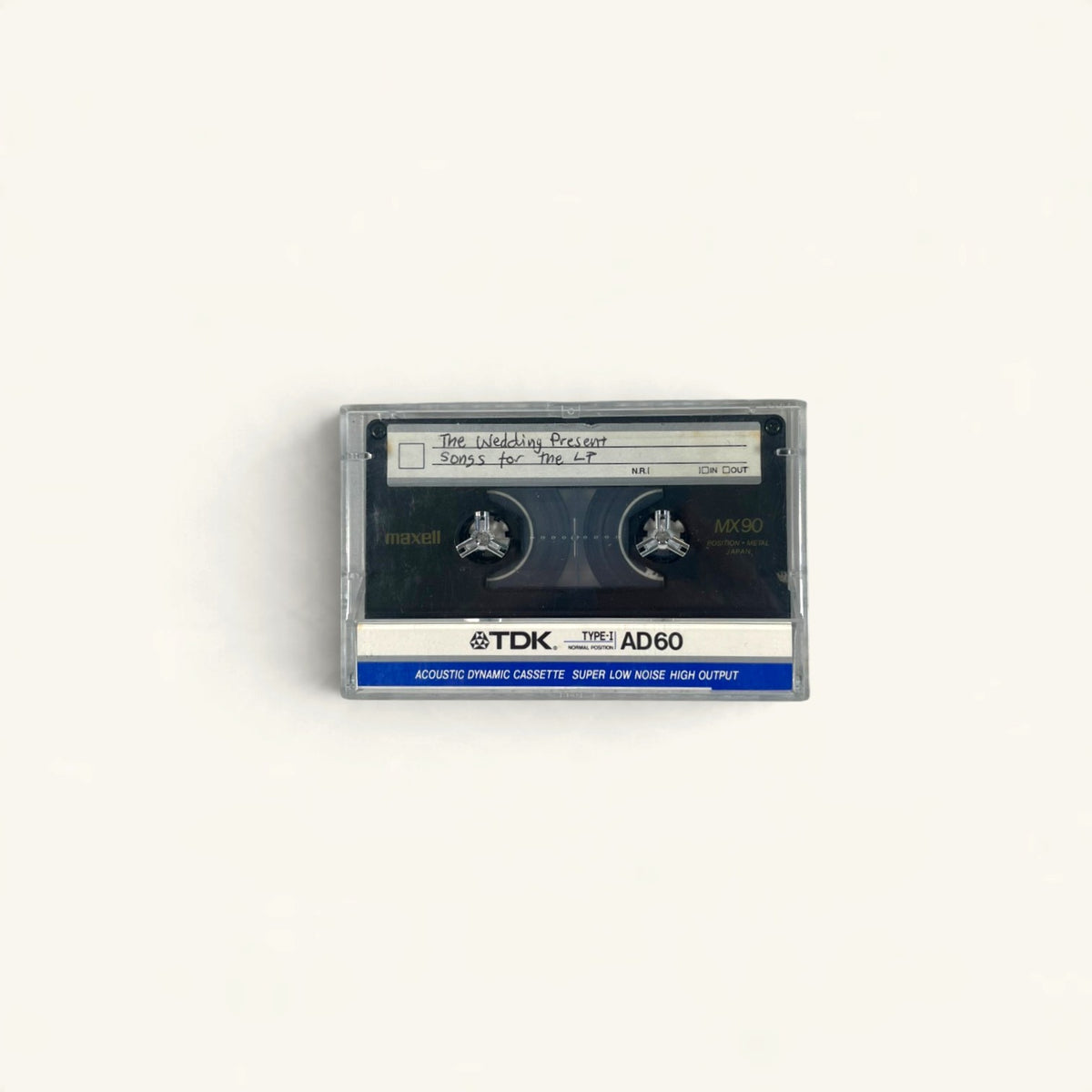
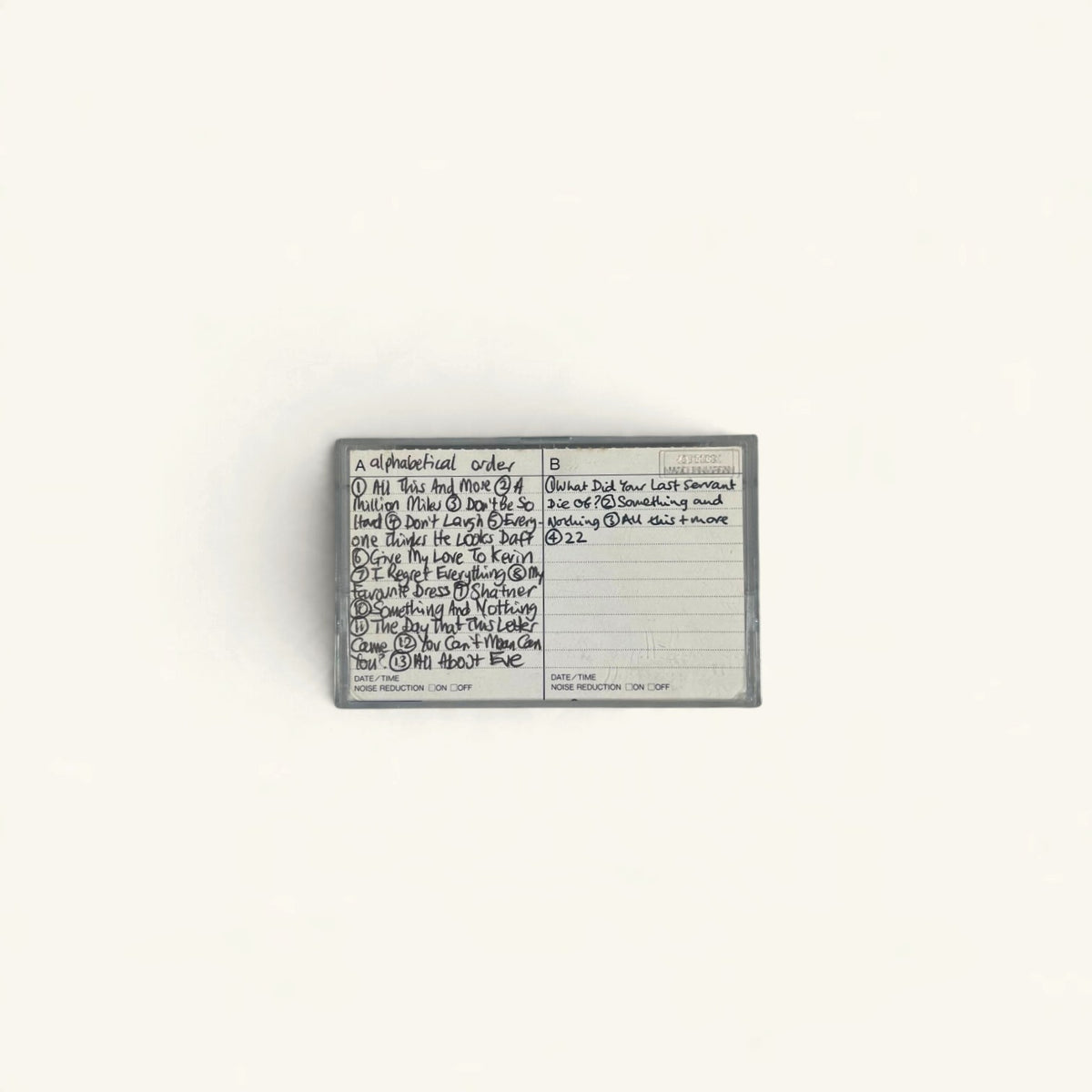
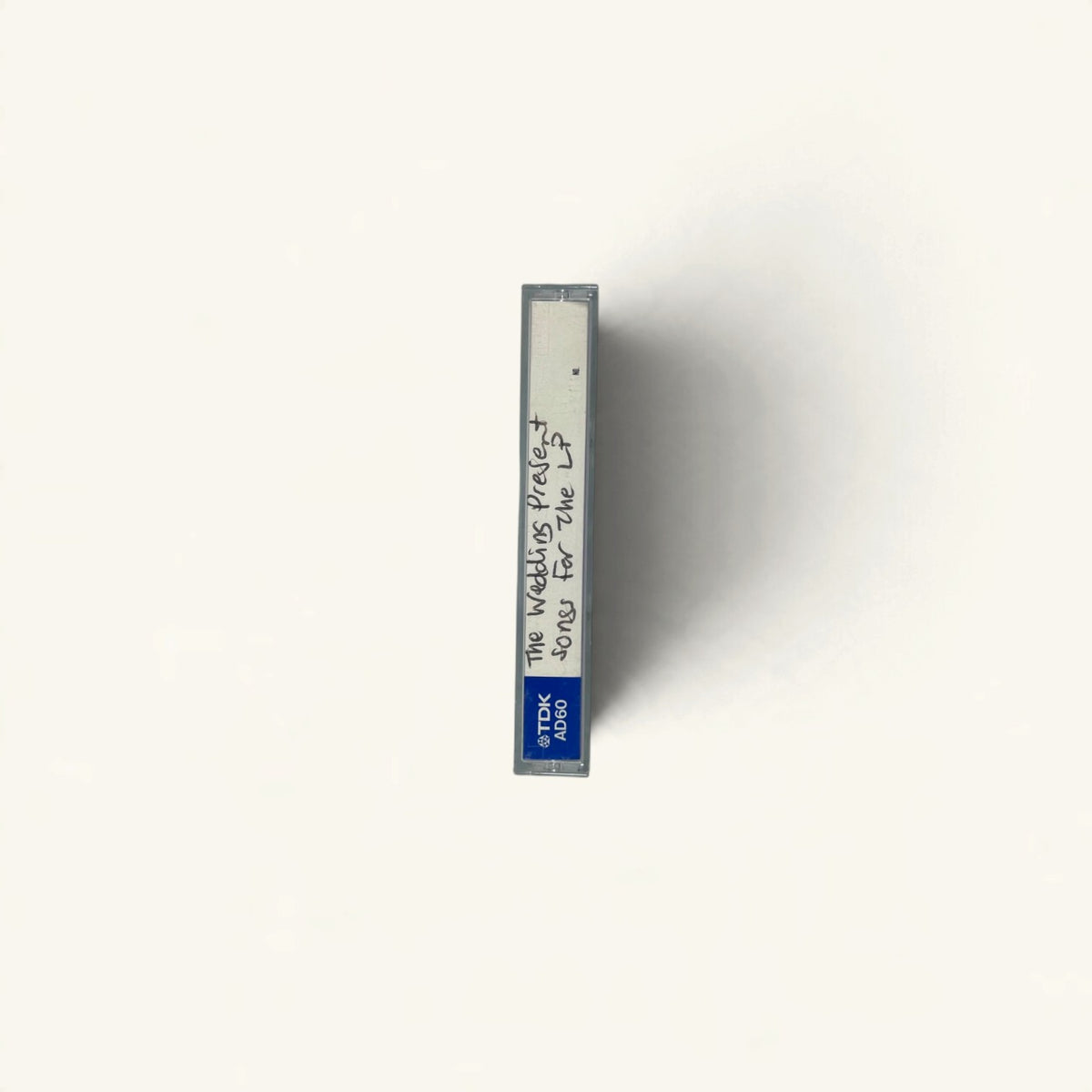
The Wedding Present - ‘Songs for the LP’ George Best Demo Tape
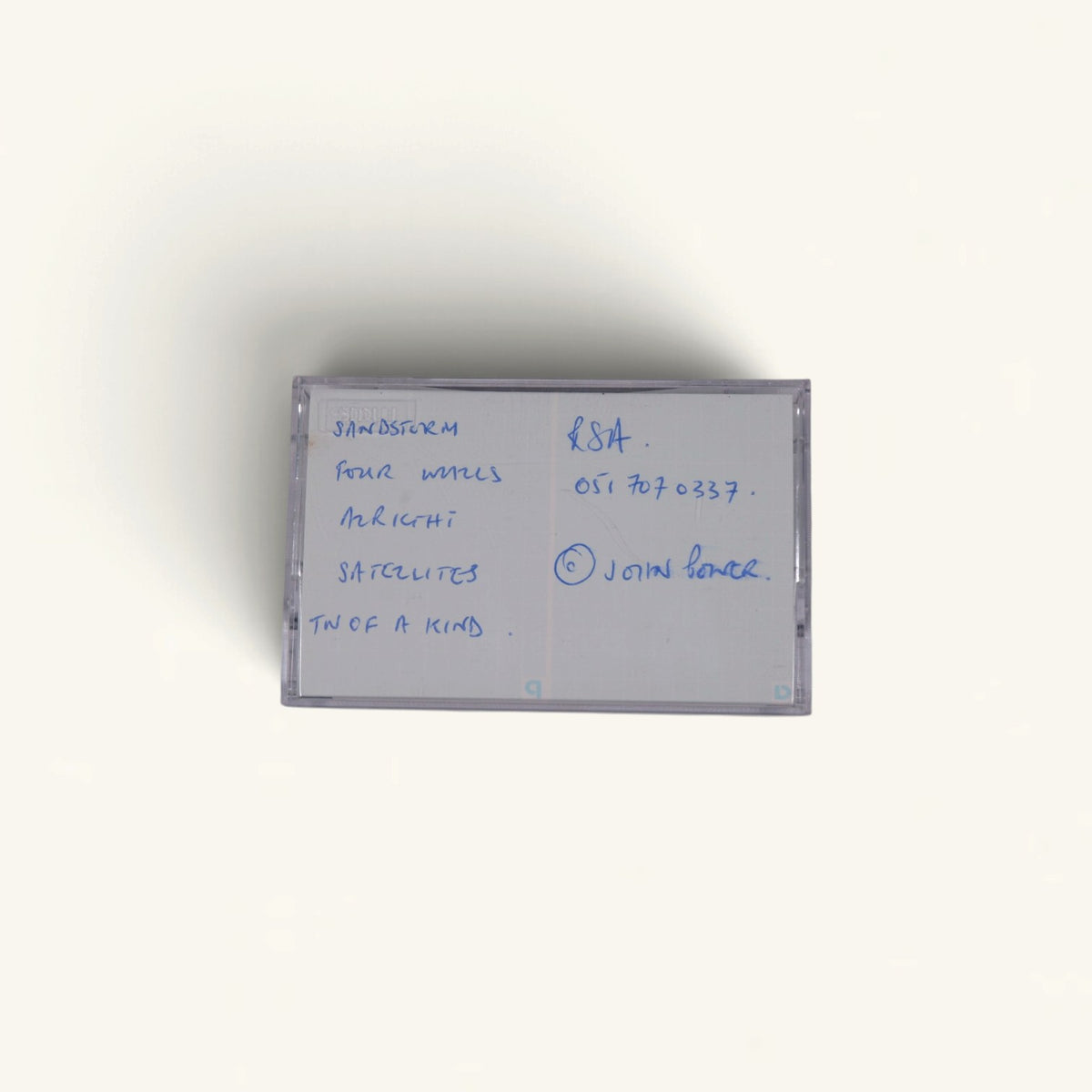
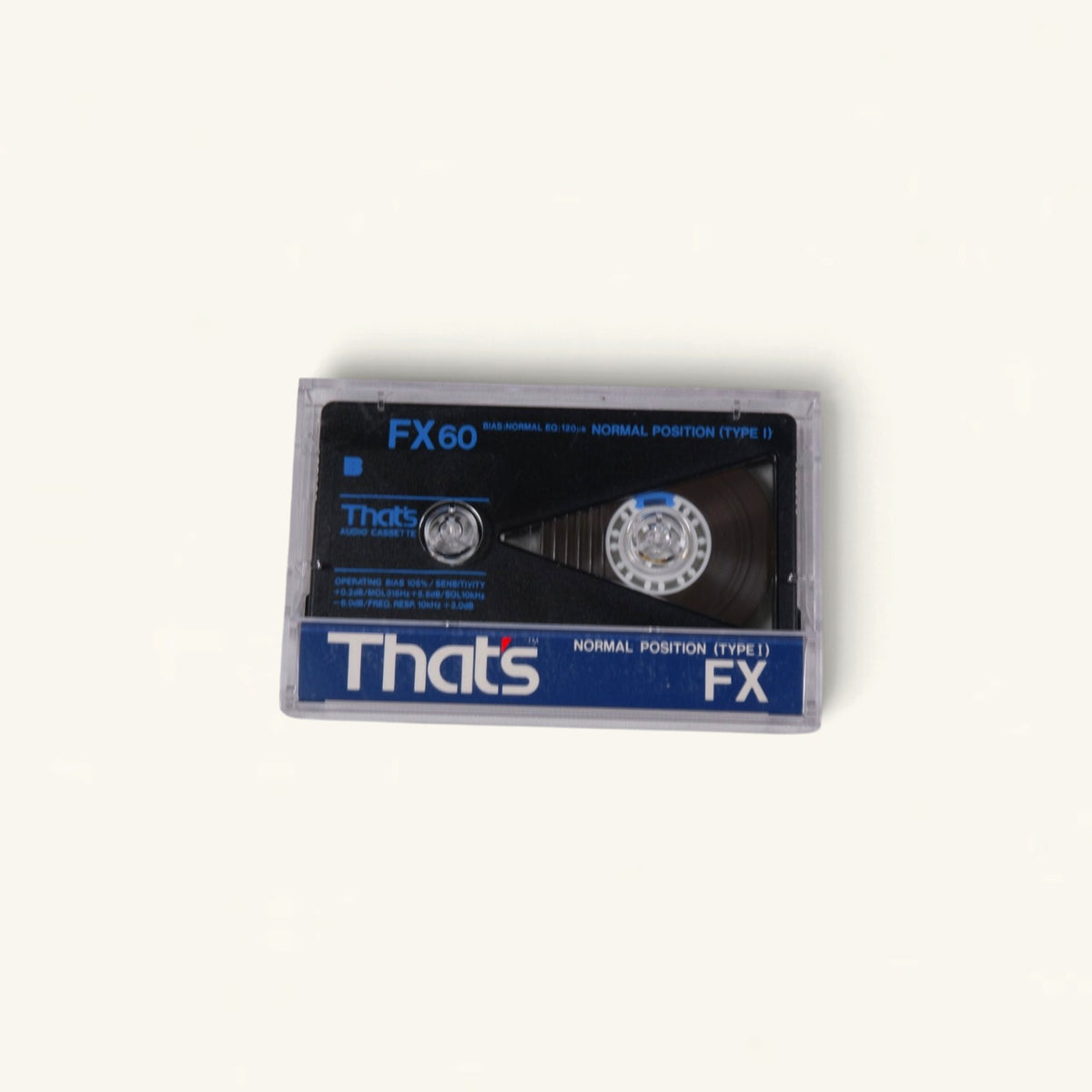
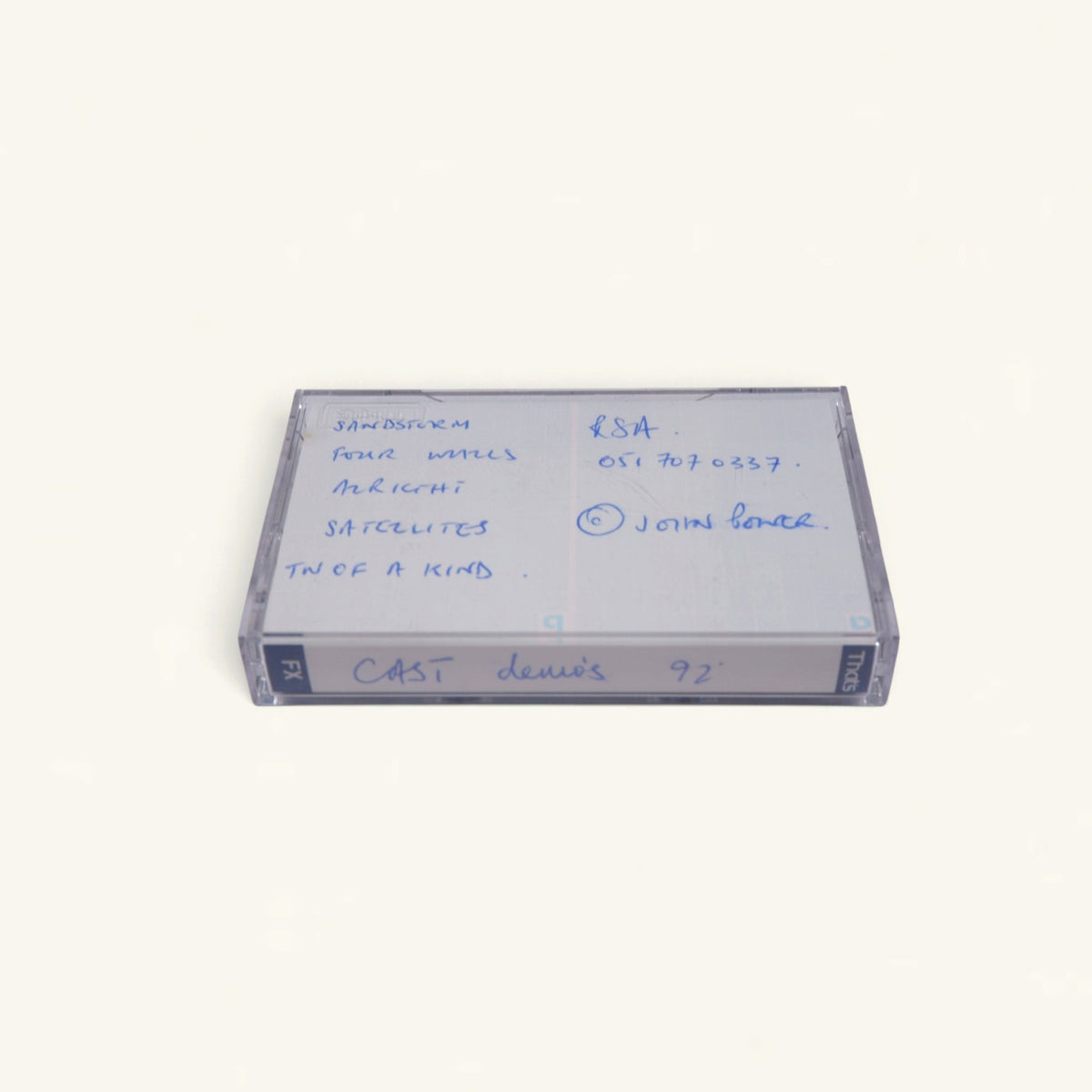
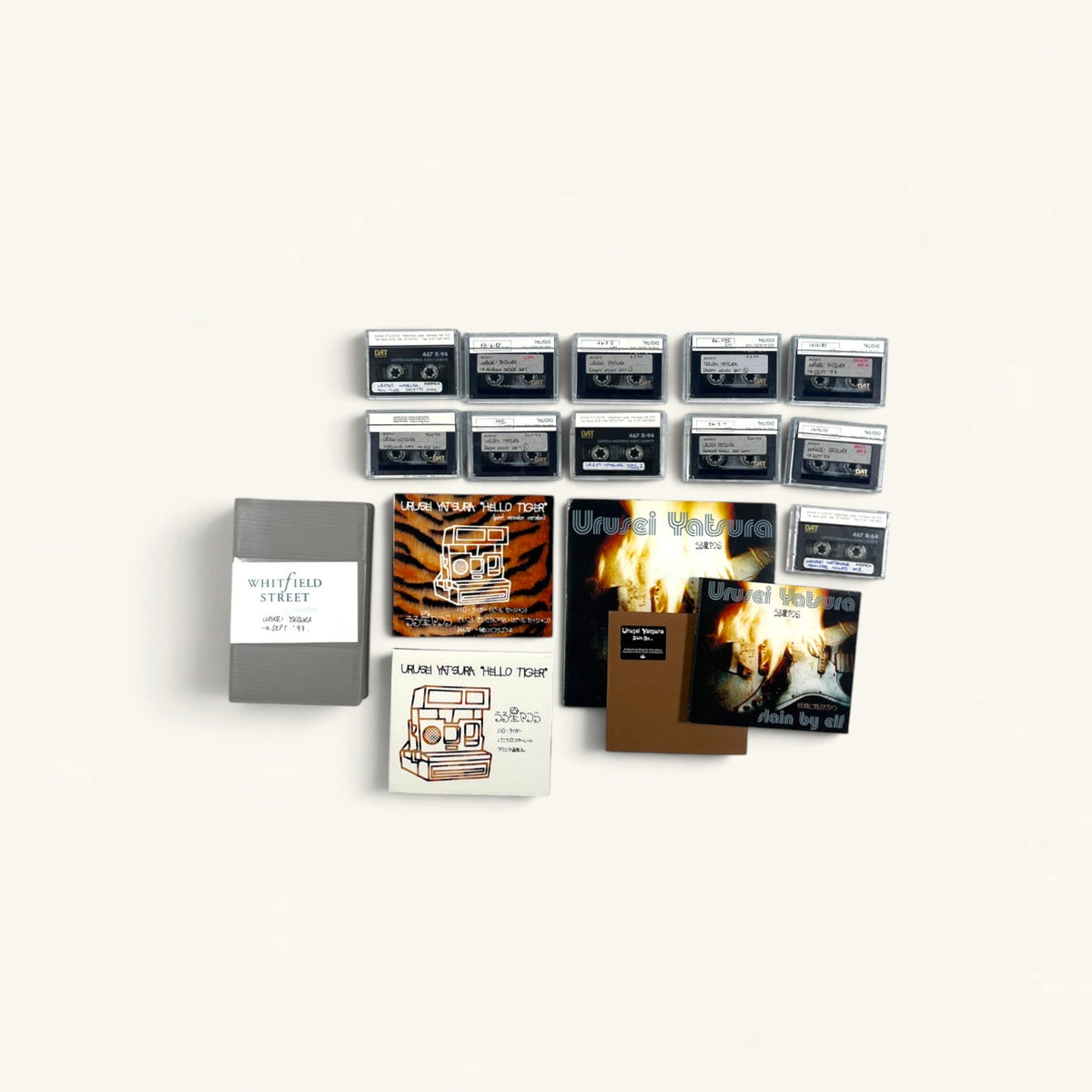
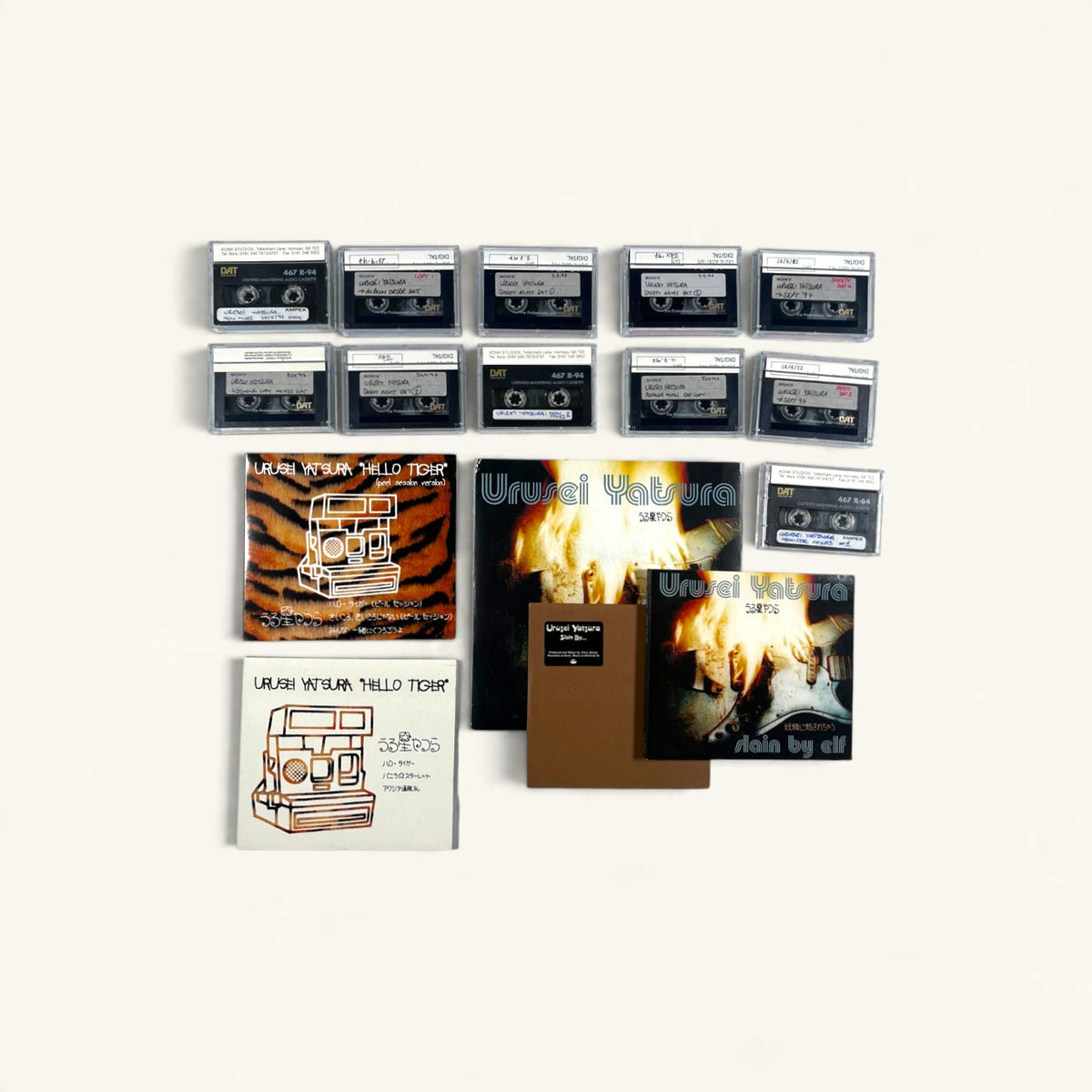
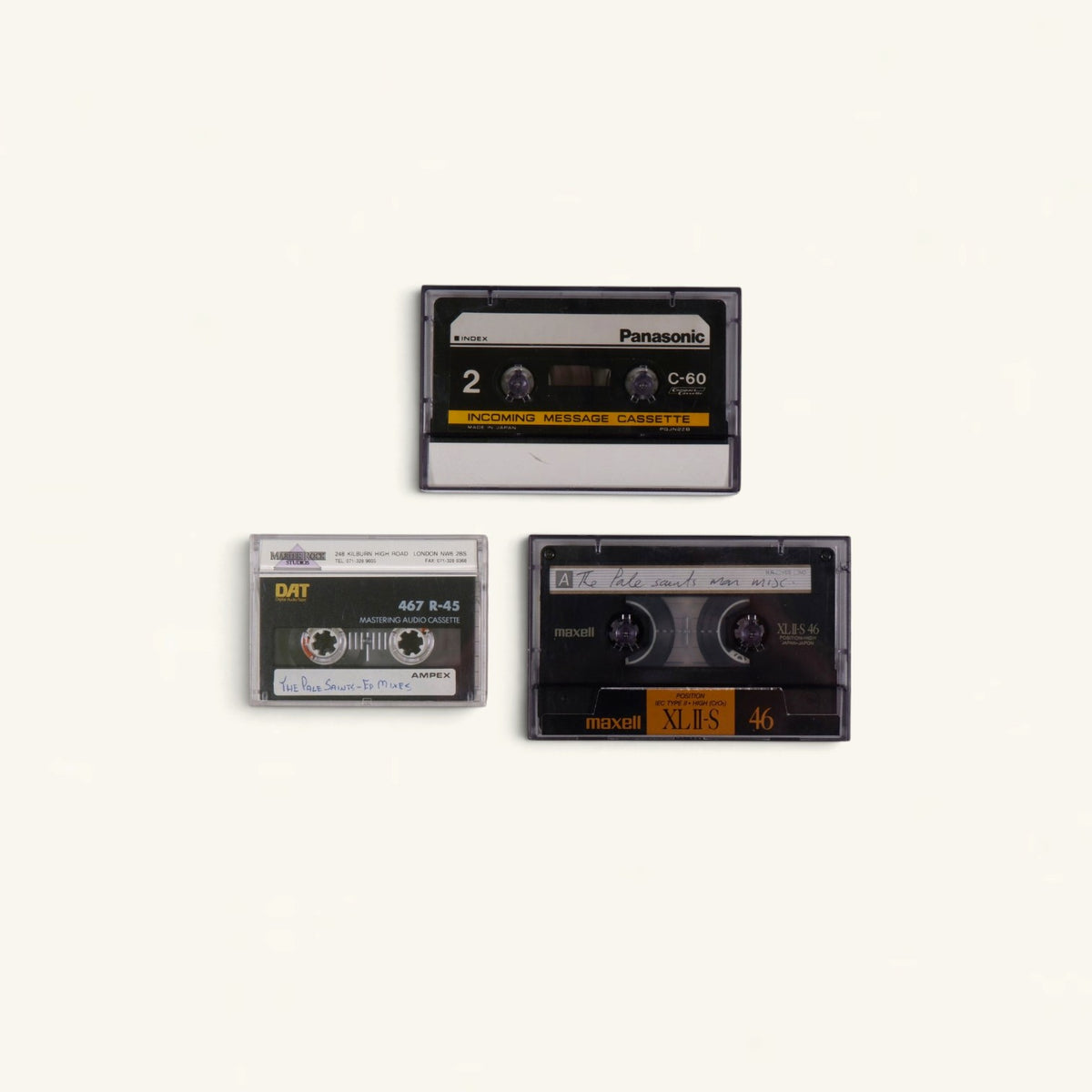
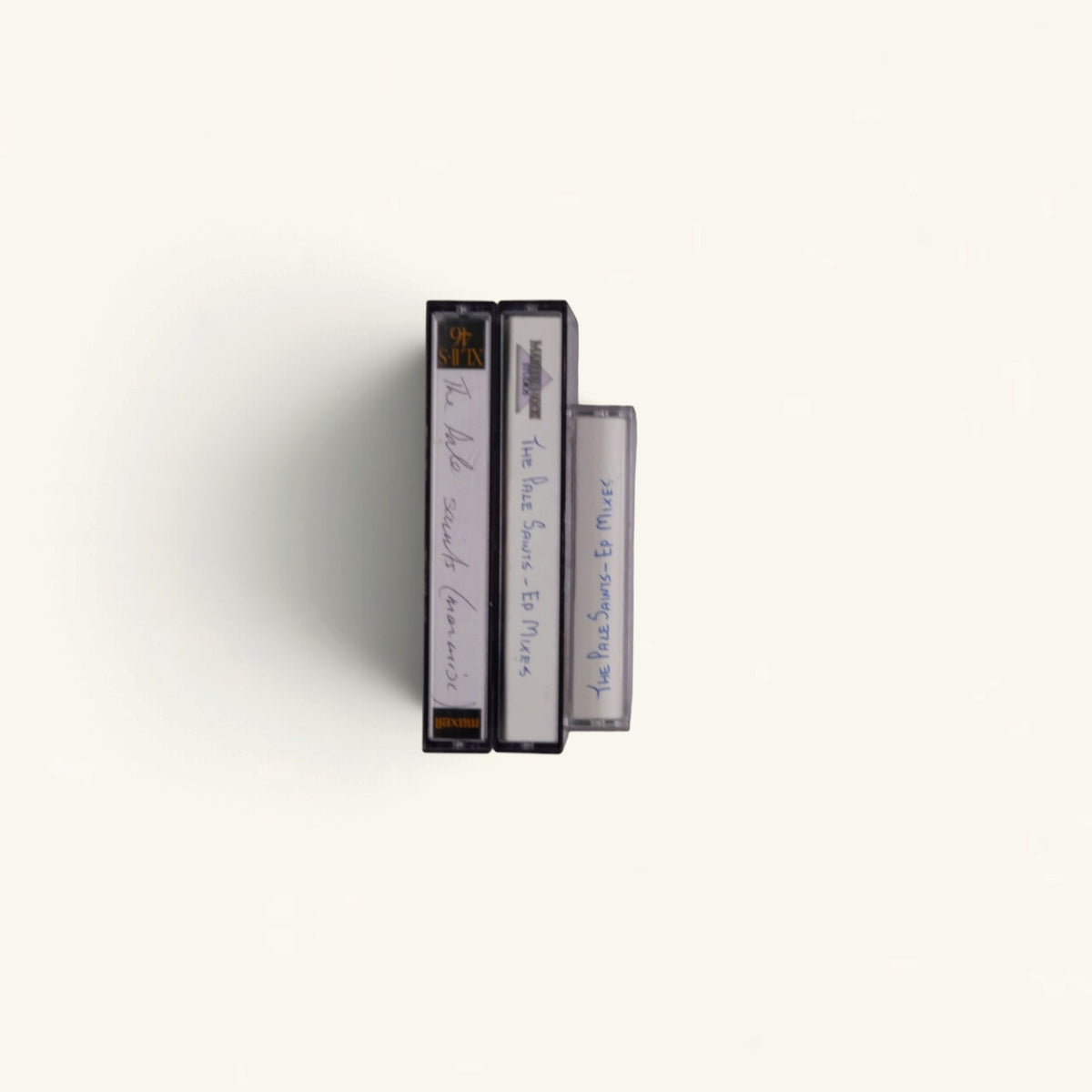
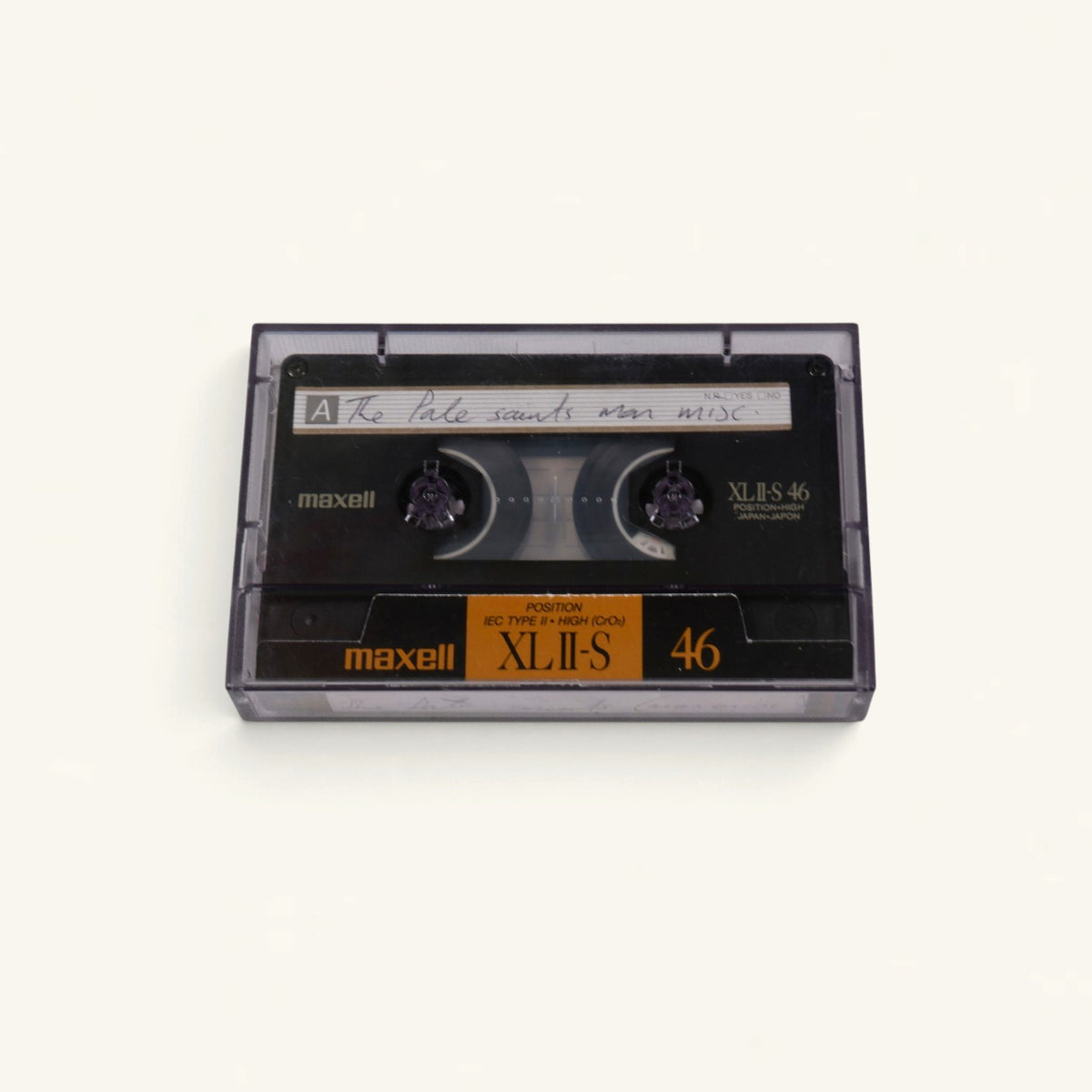
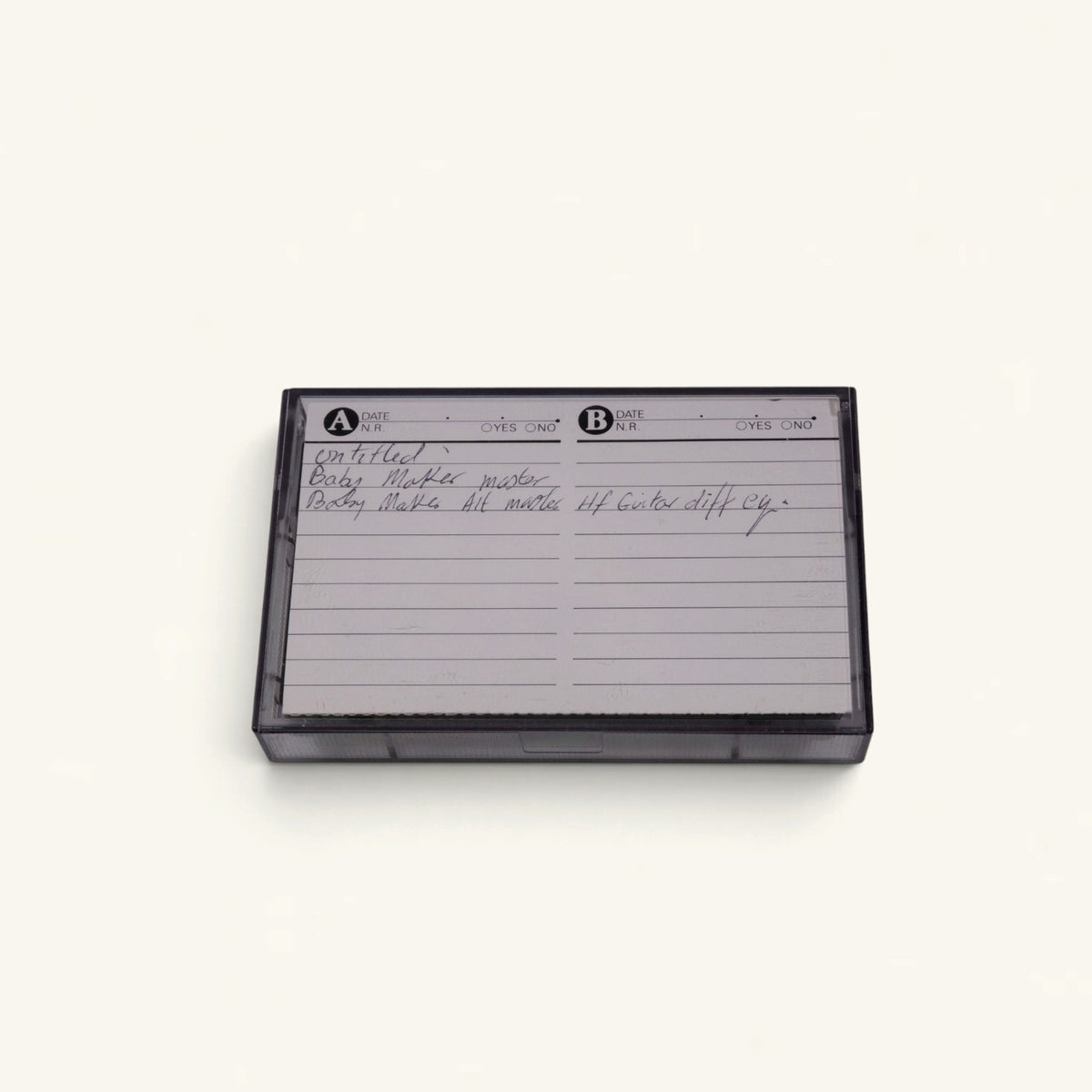
Pale Saints - Master Rock ‘EP Mixes’ DAT + Two Cassettes
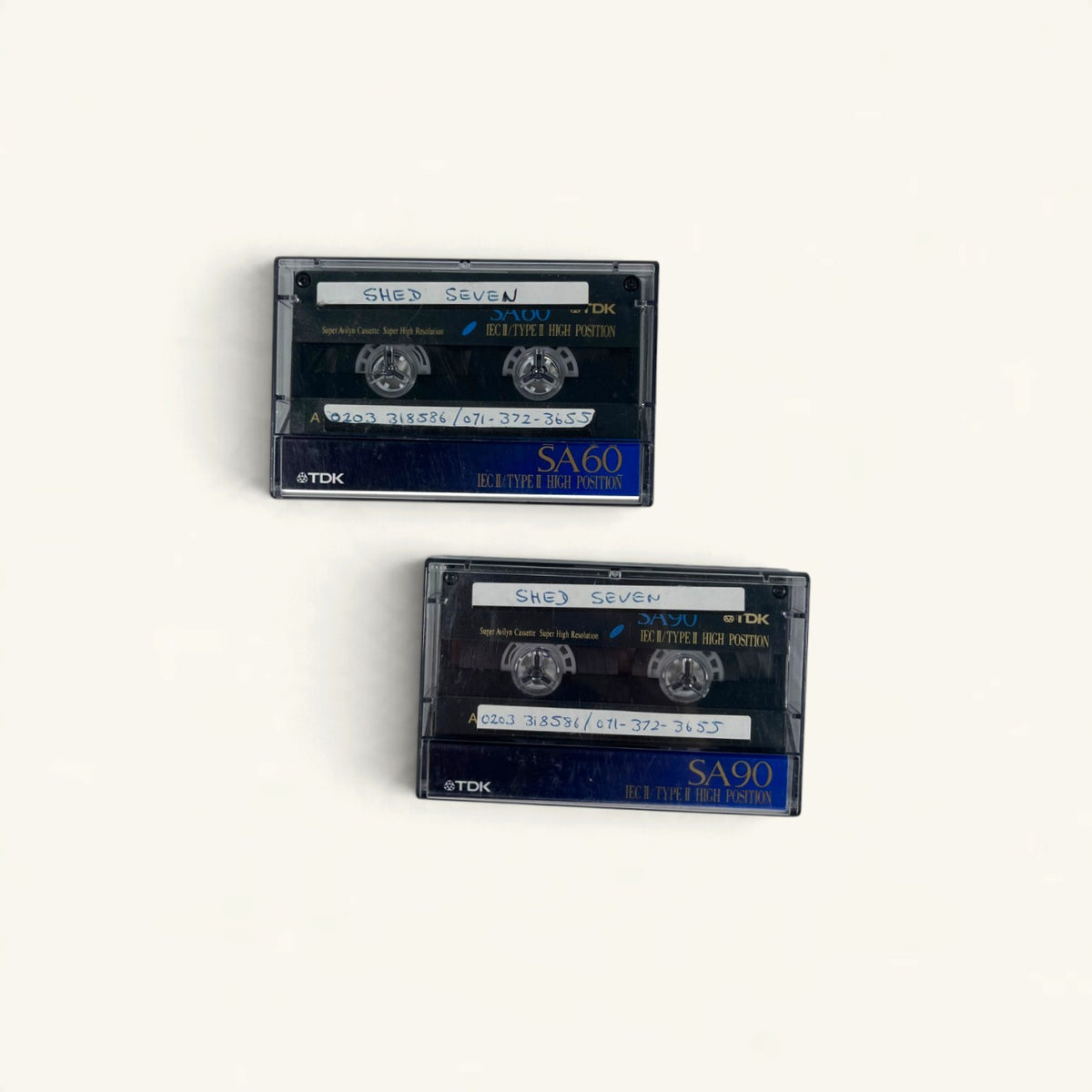
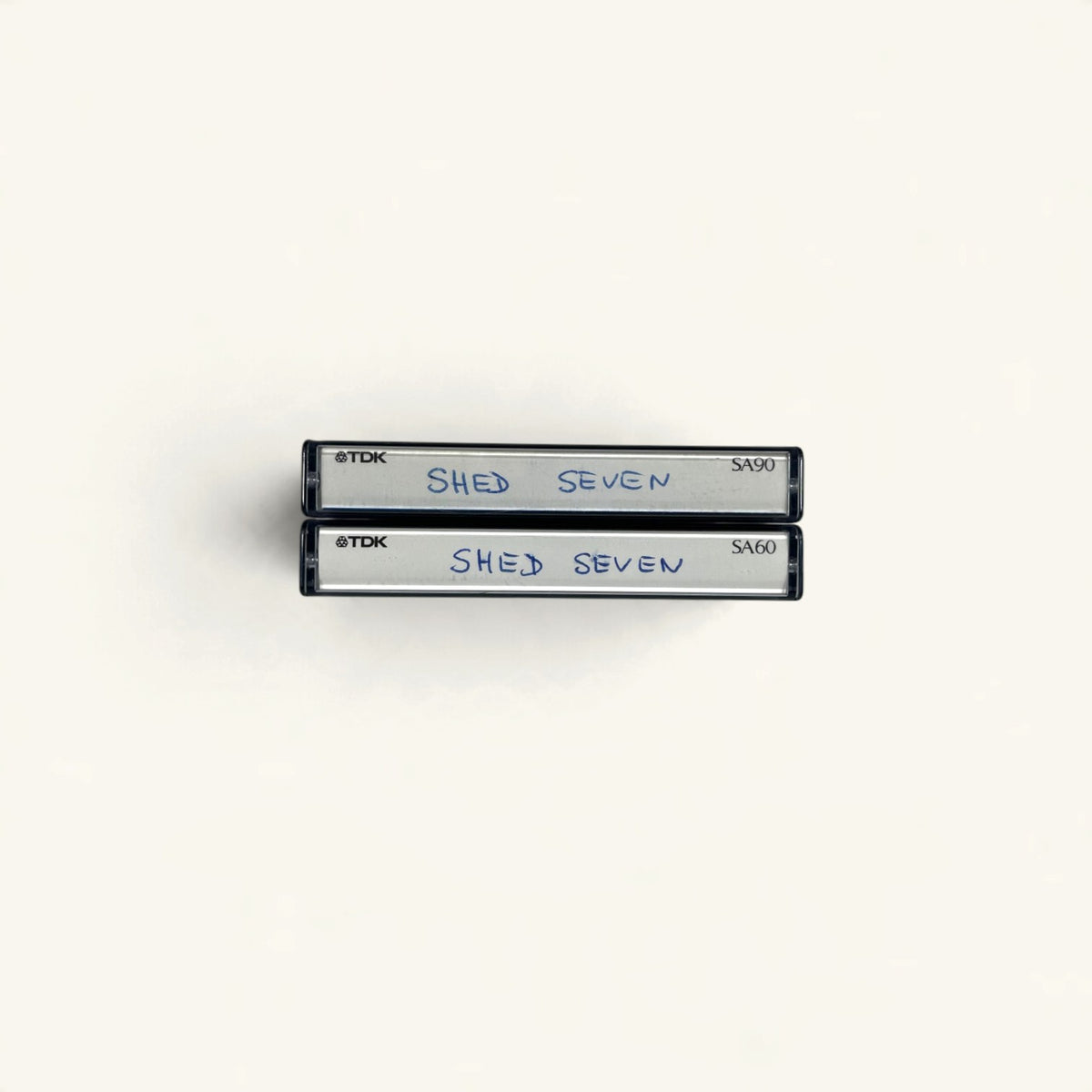
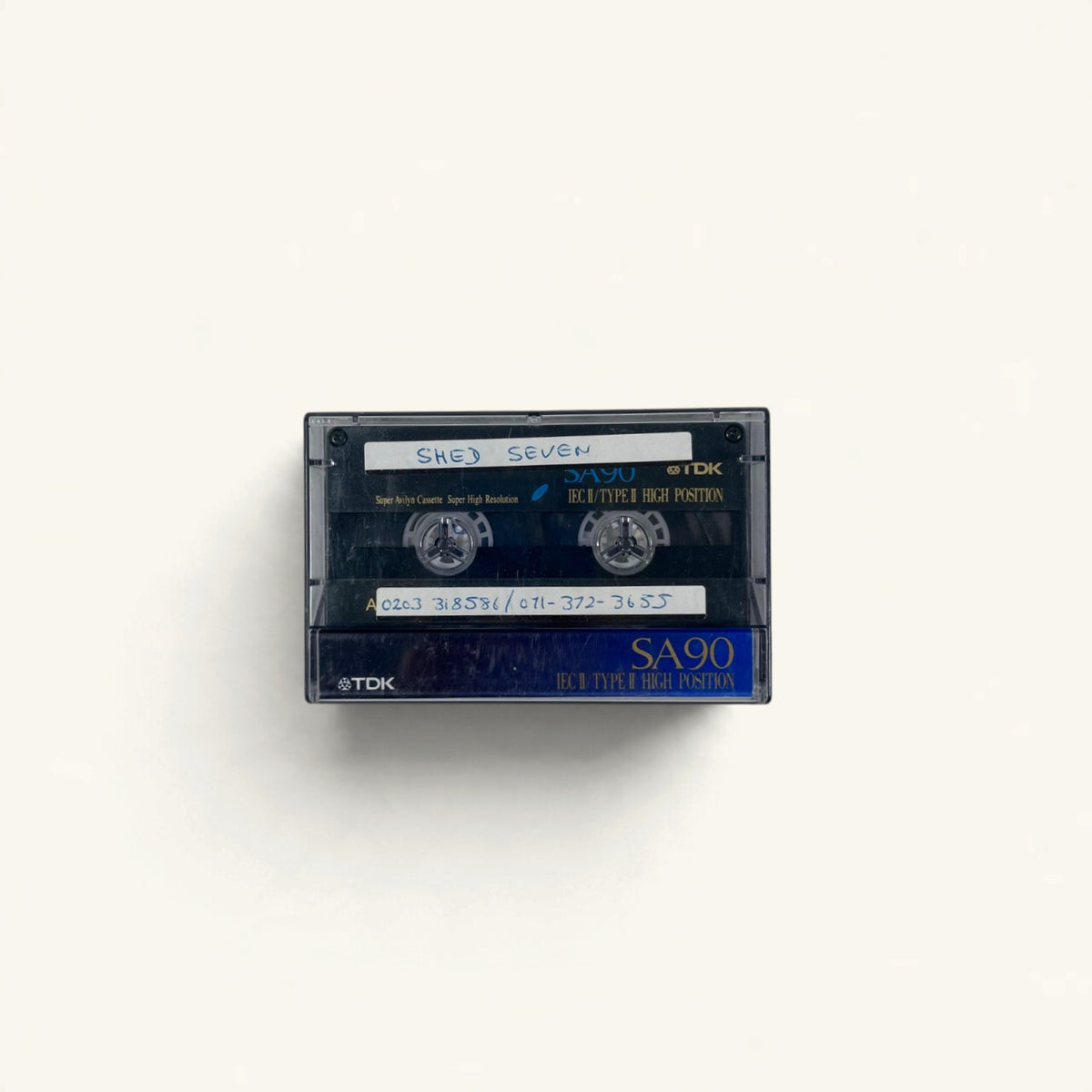
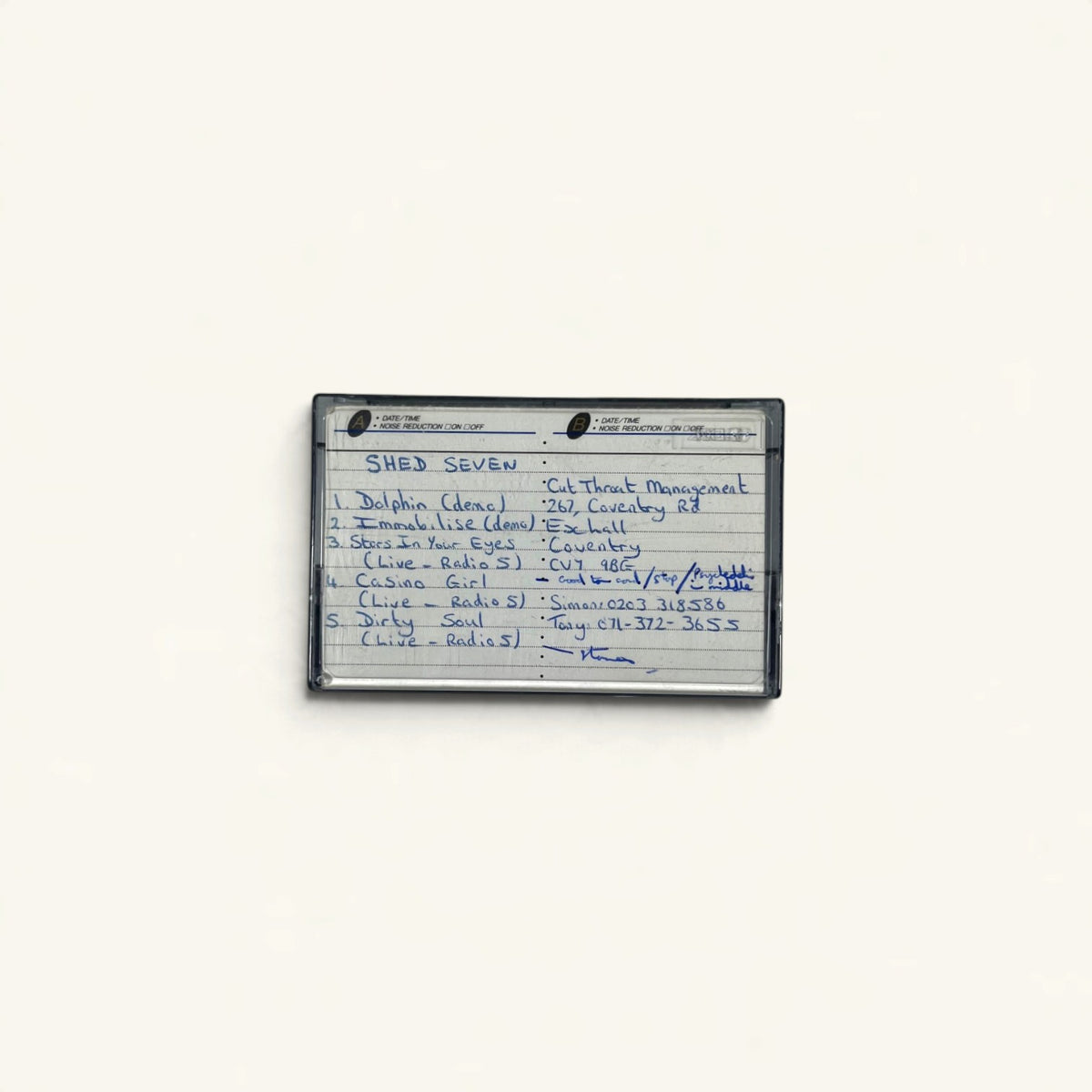
Shed Seven - Two Early Demo Cassettes (‘Dolphin,’ ‘Dirty Soul,’ ‘Casino Girl’)
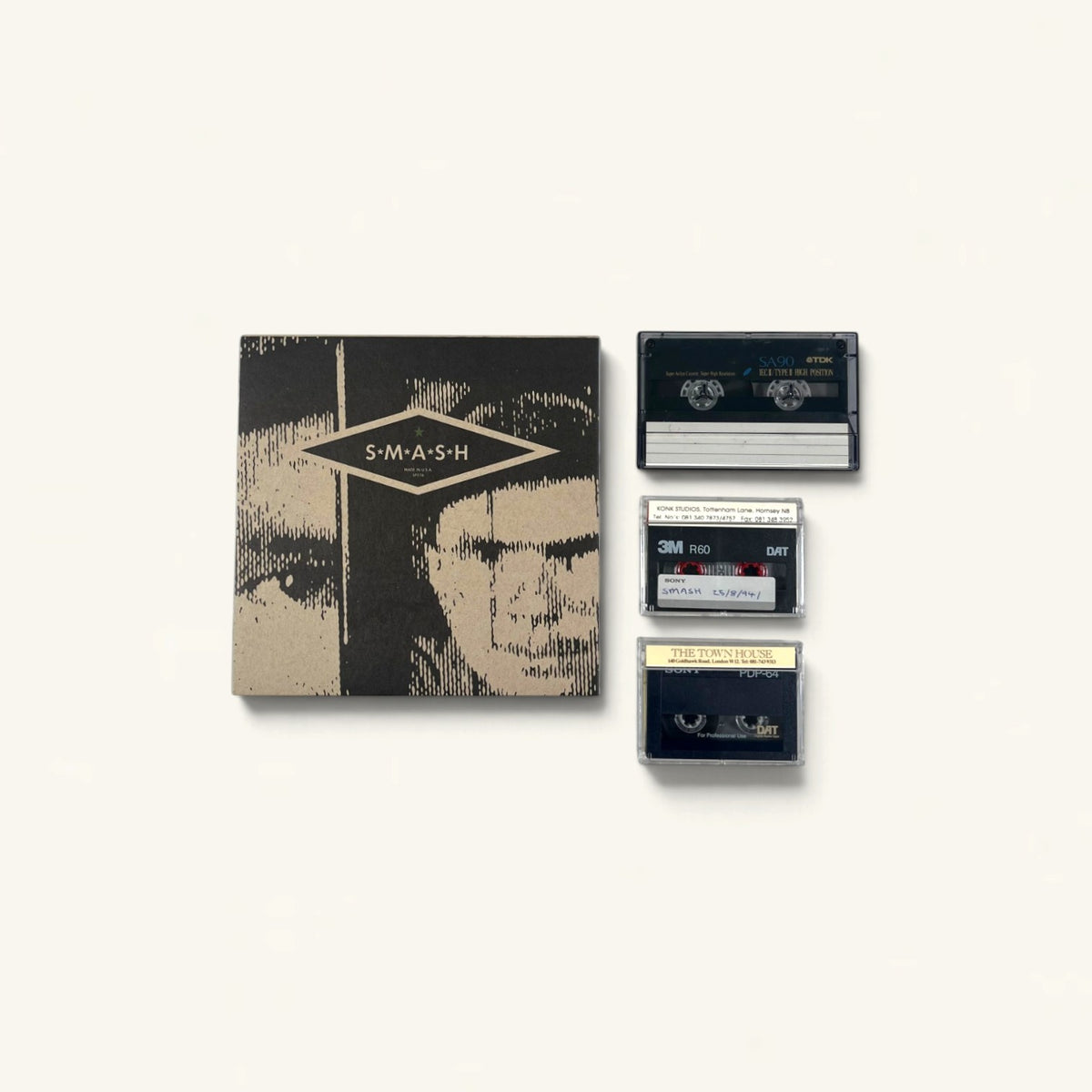
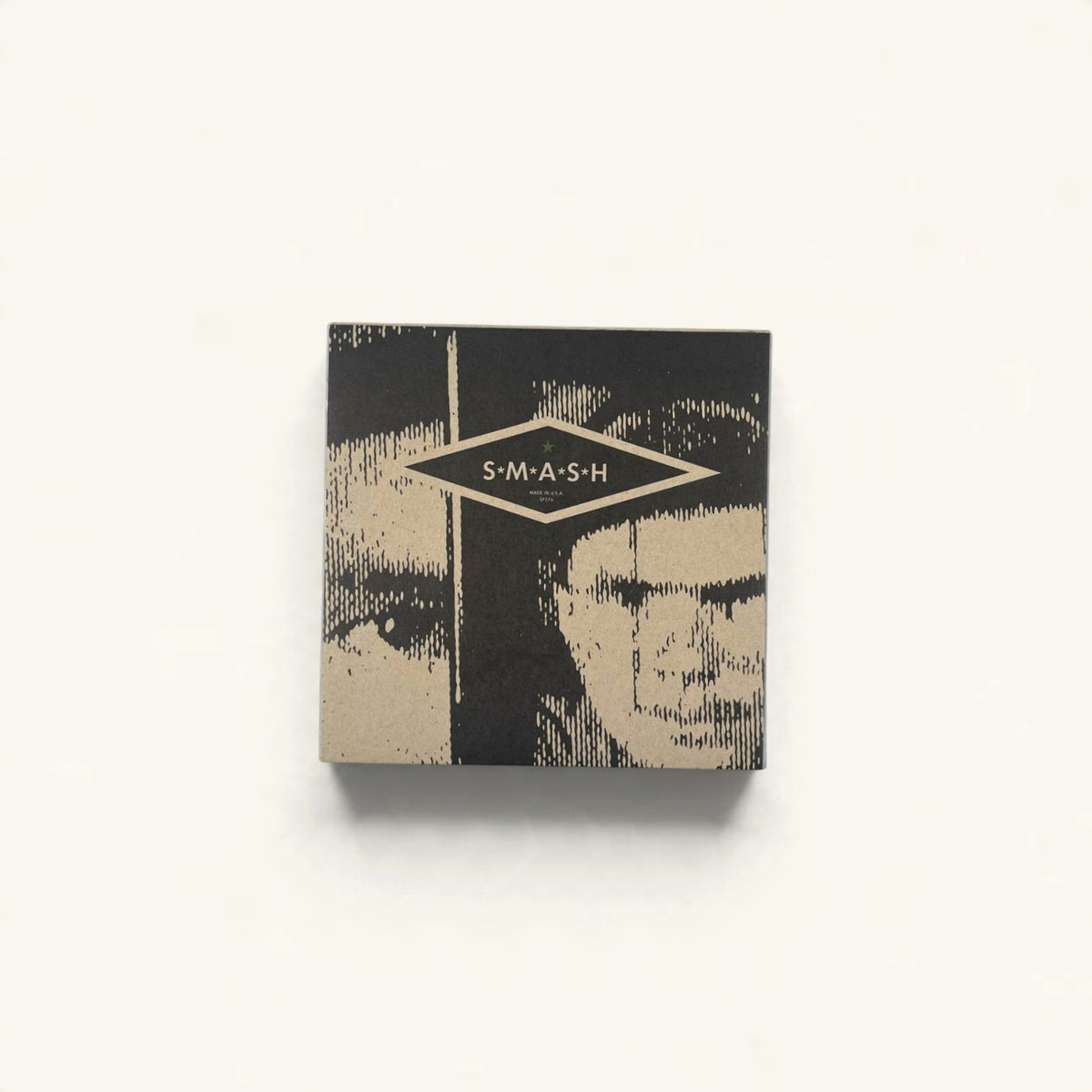
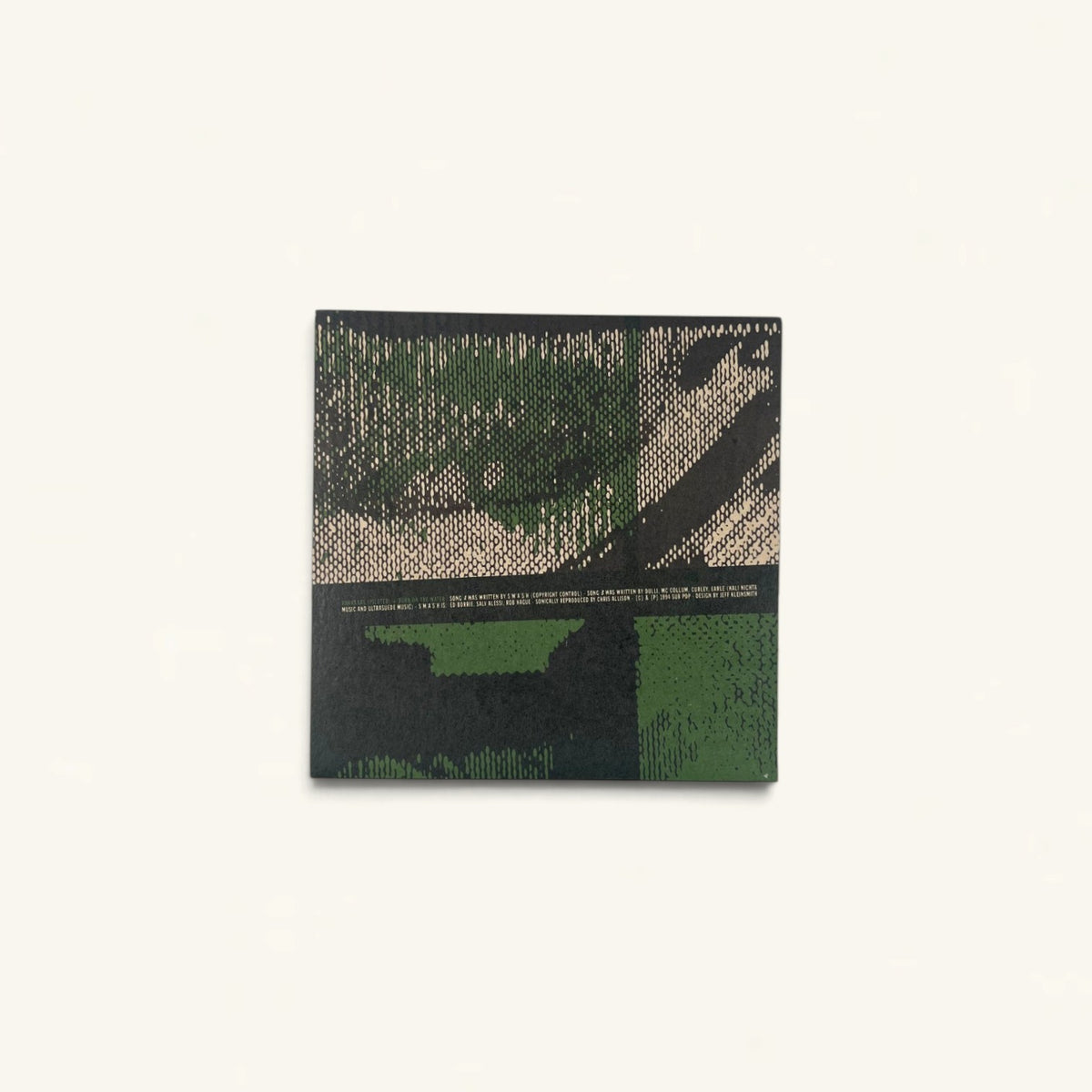
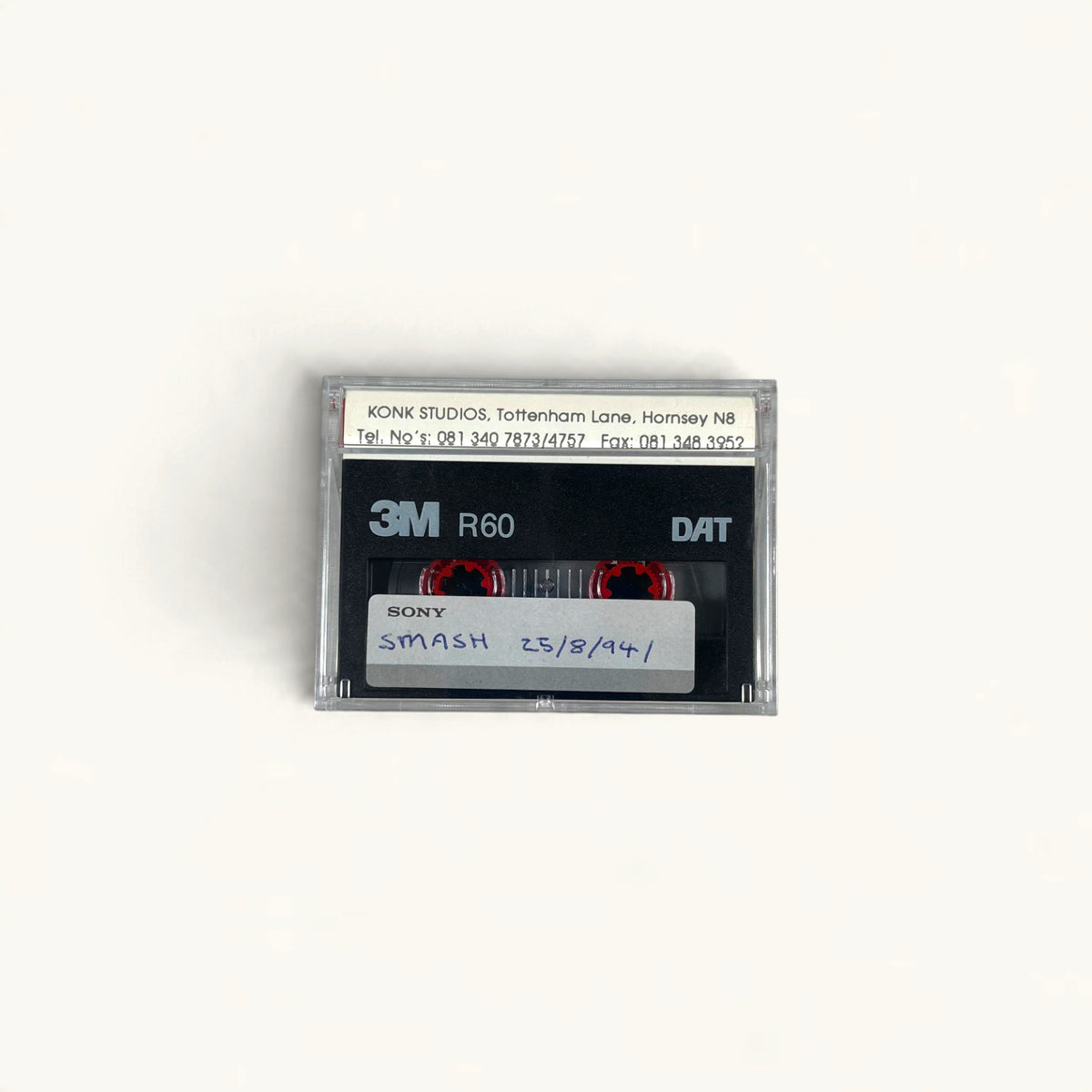
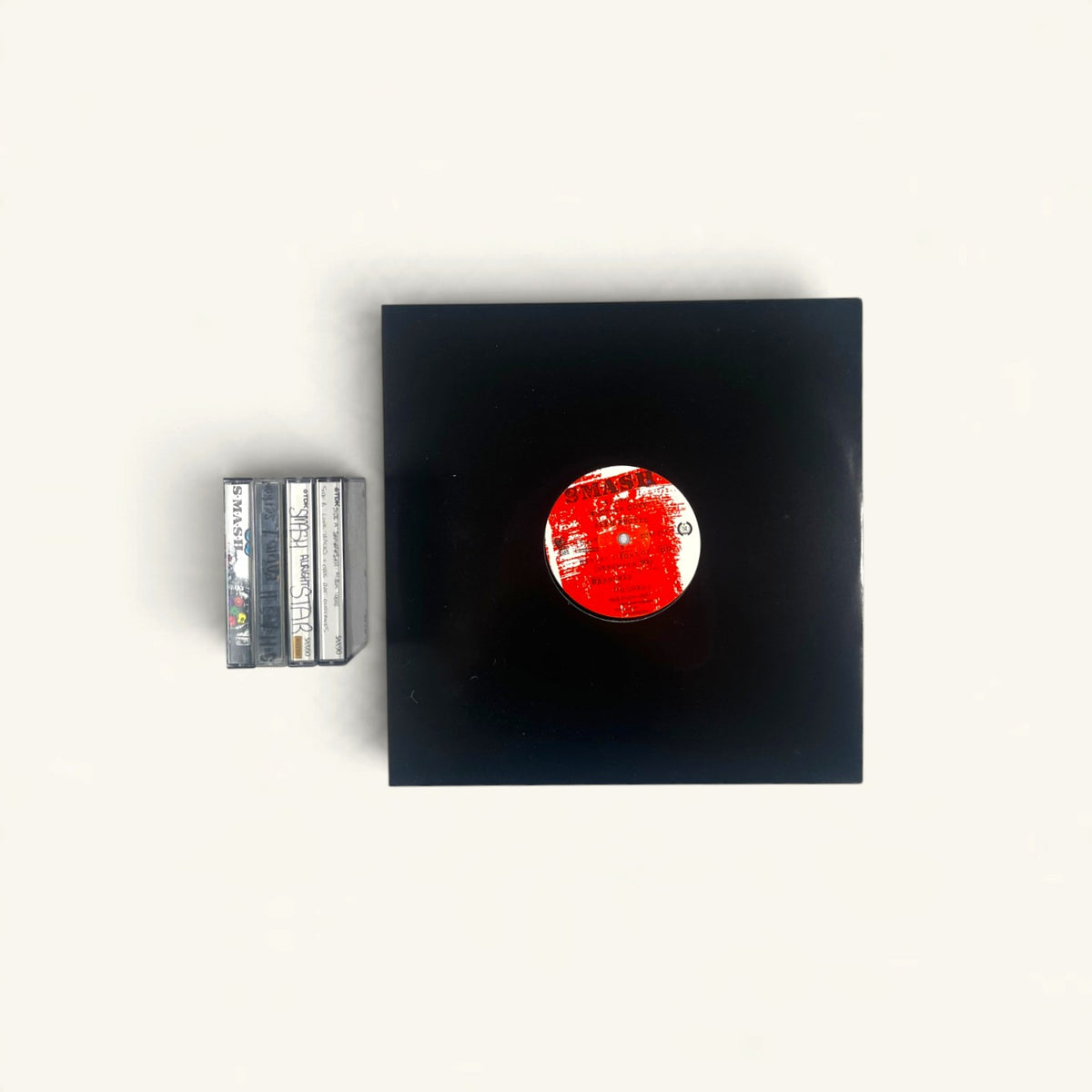
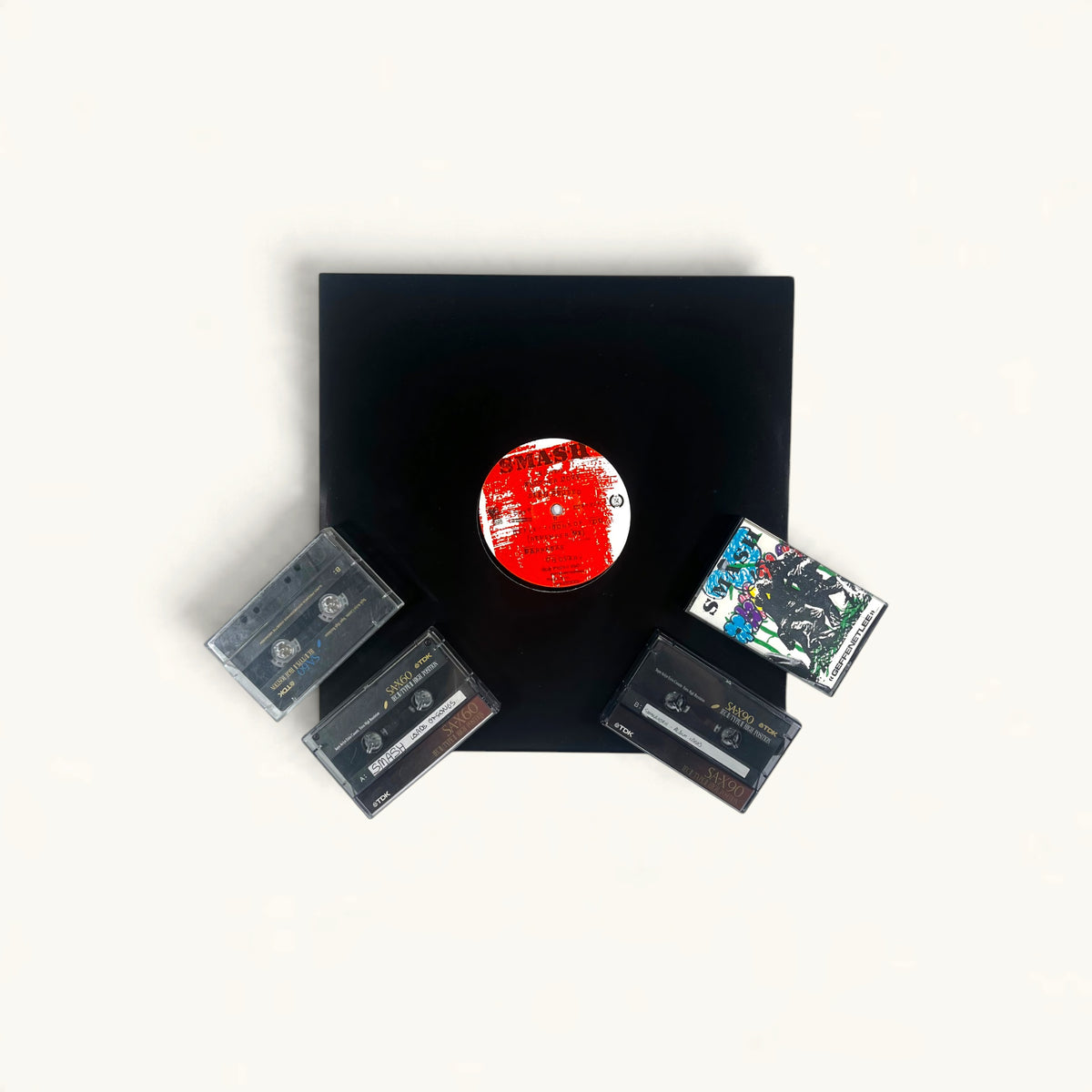
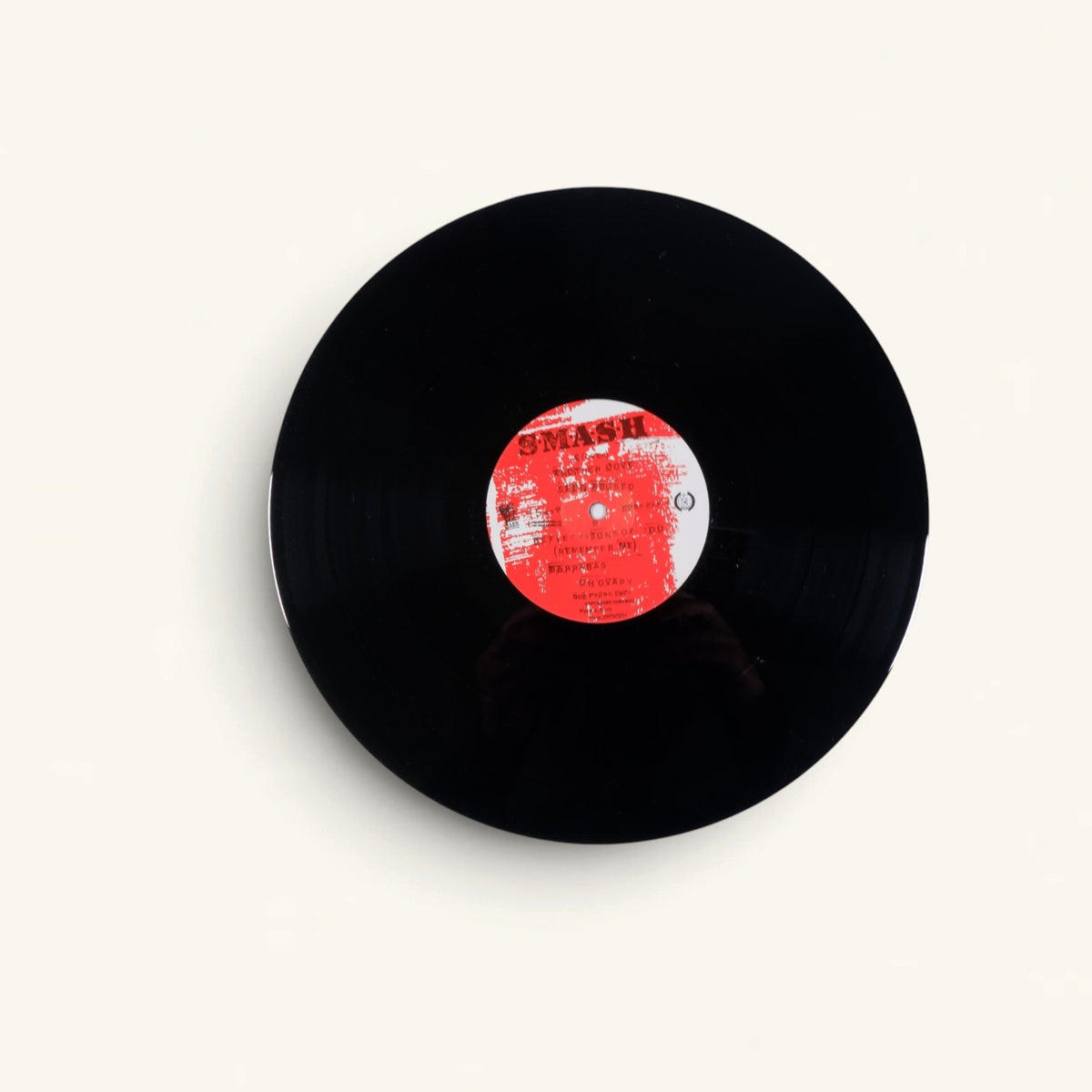
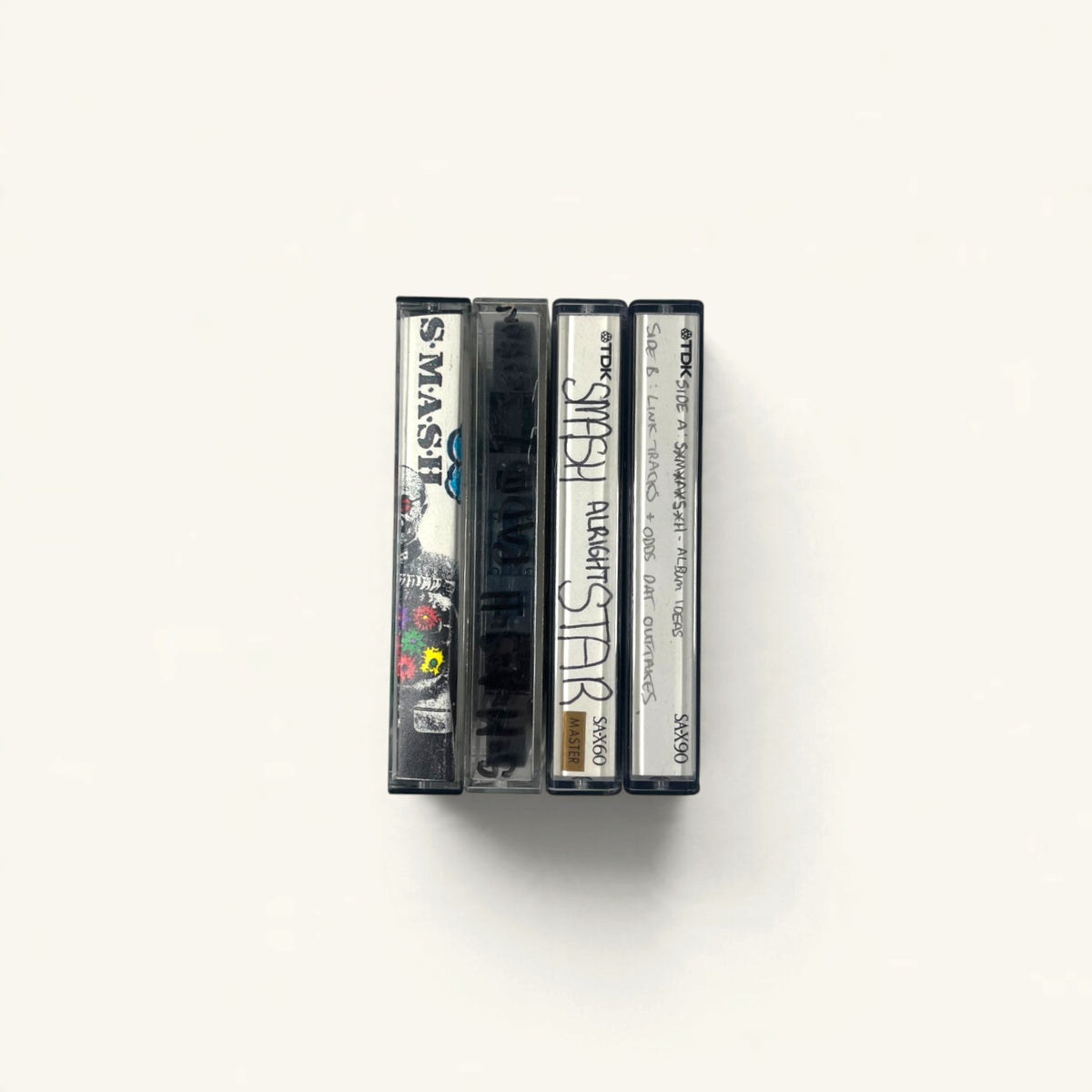
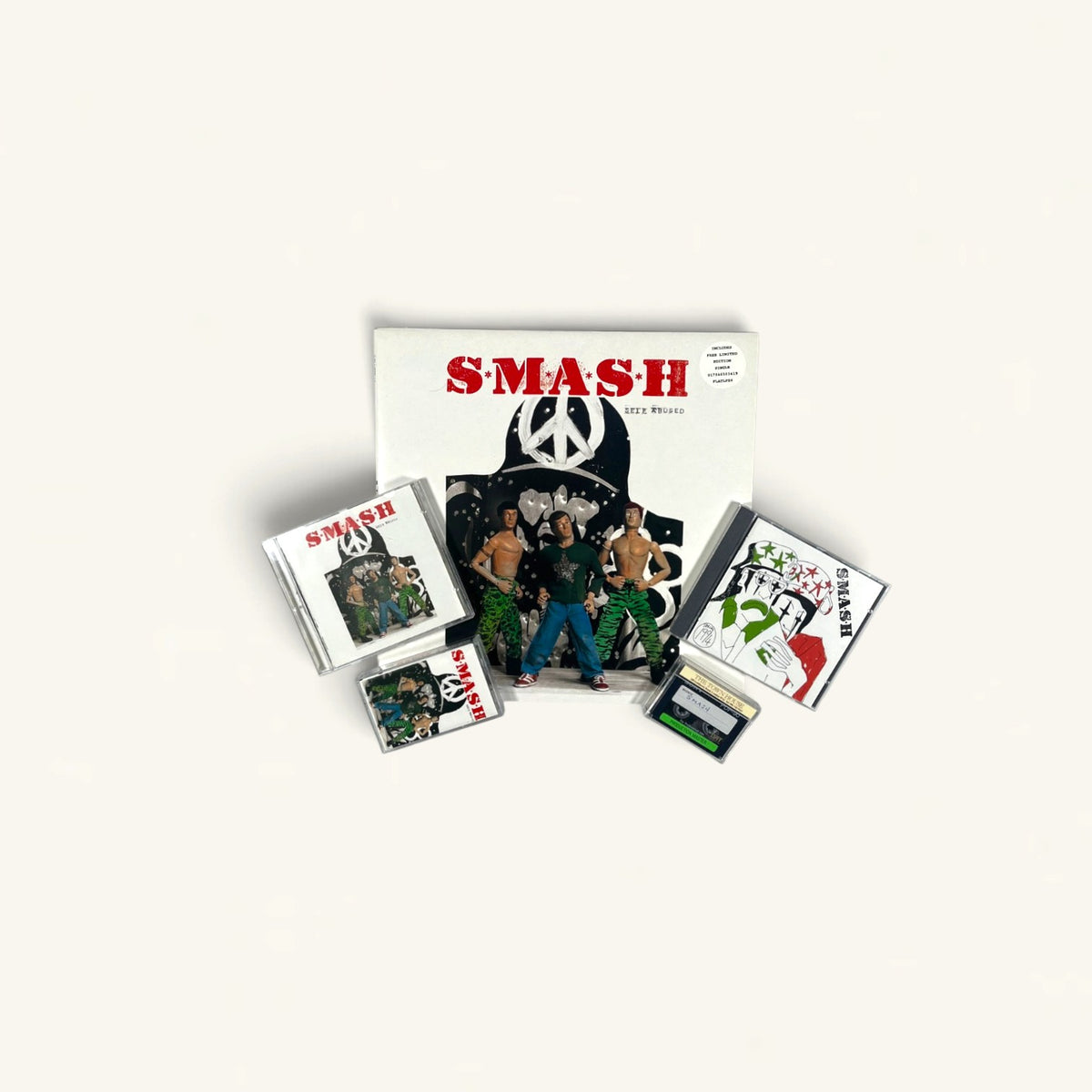
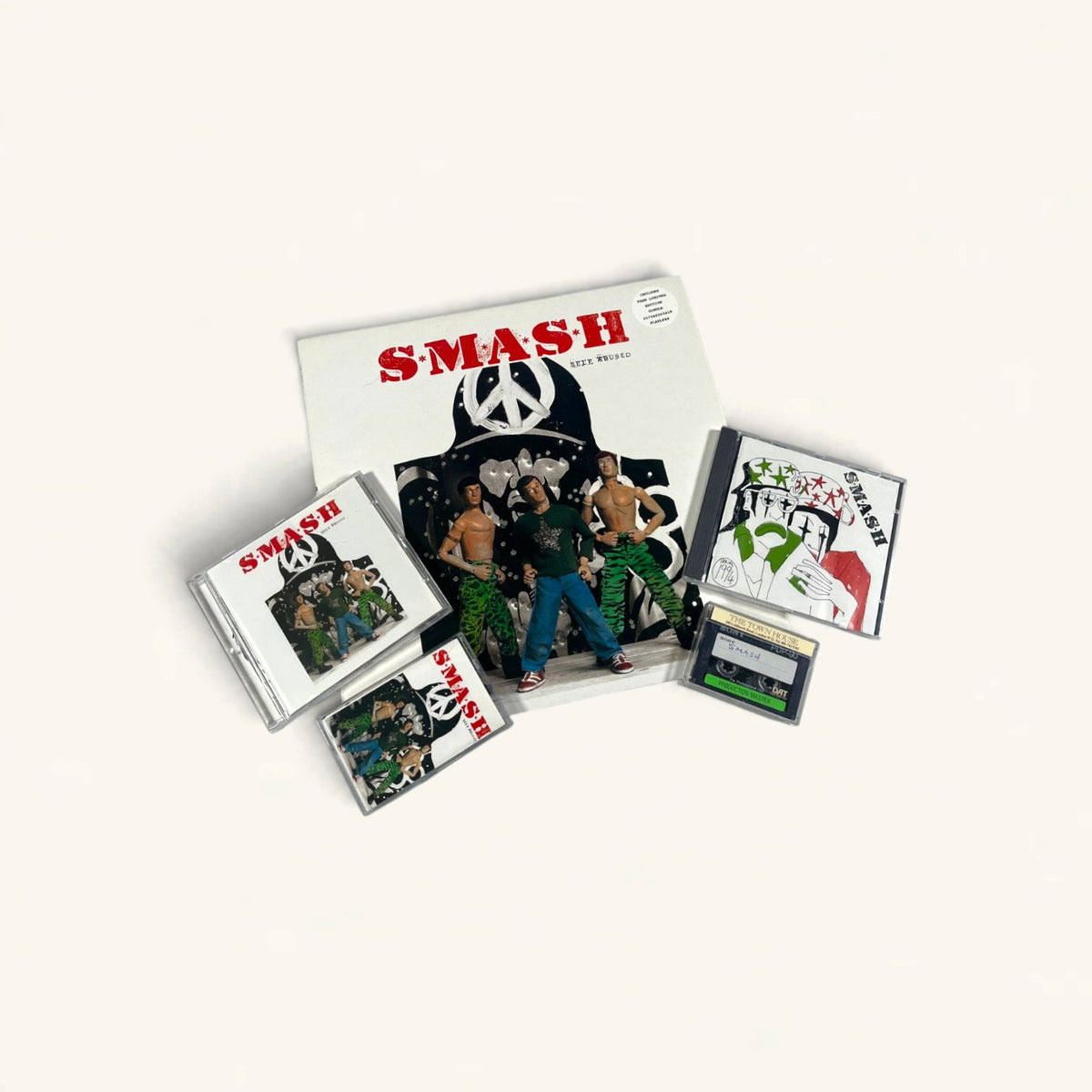
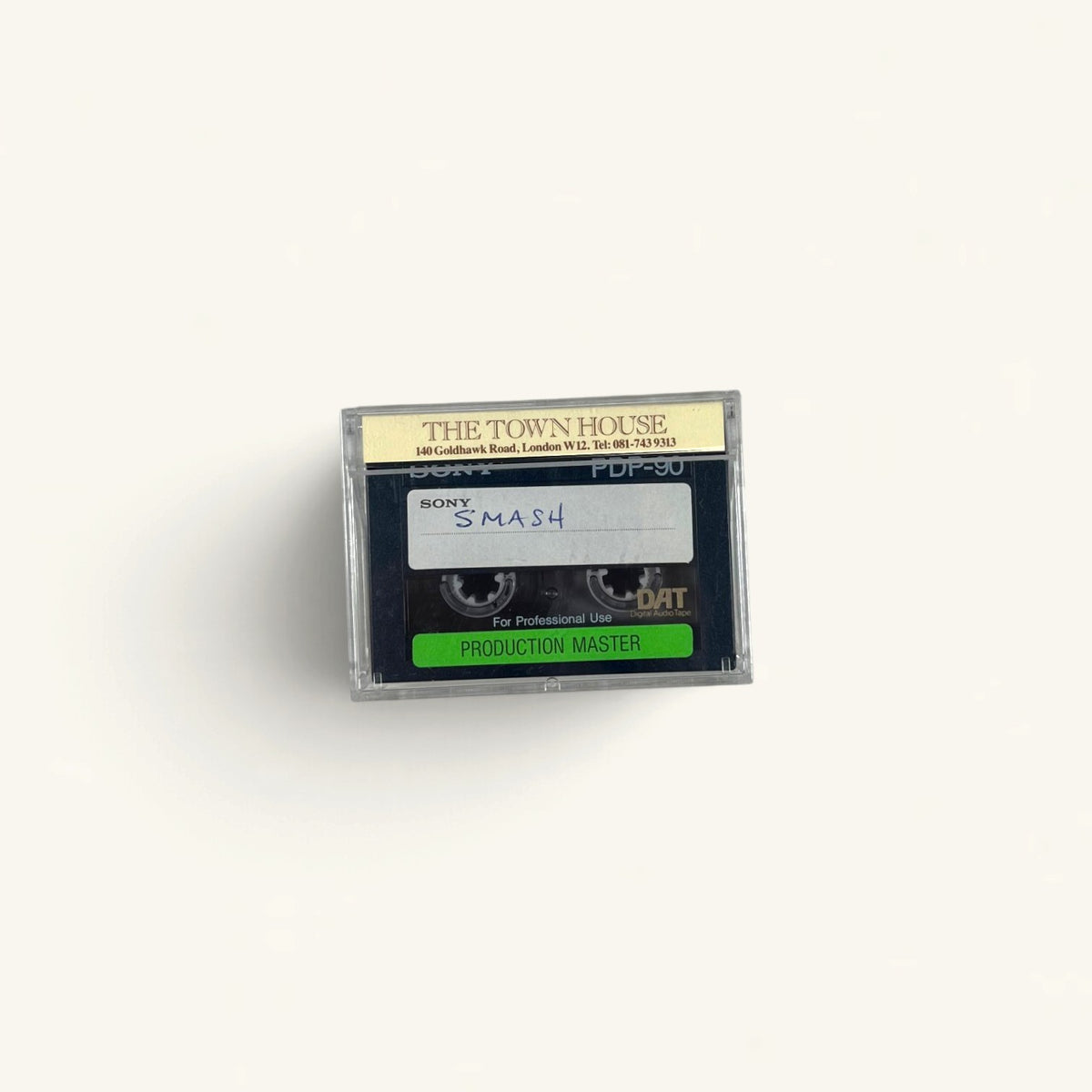
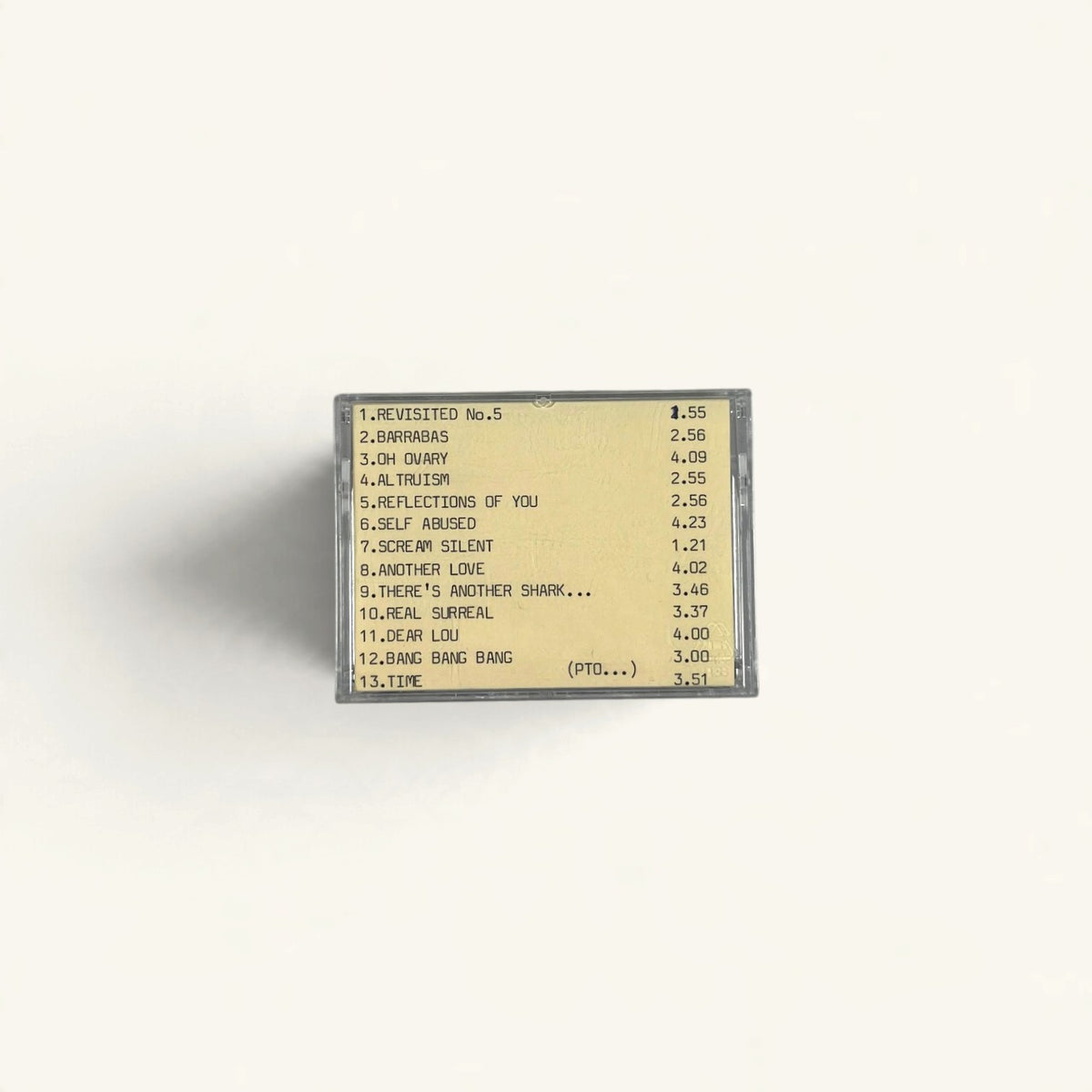
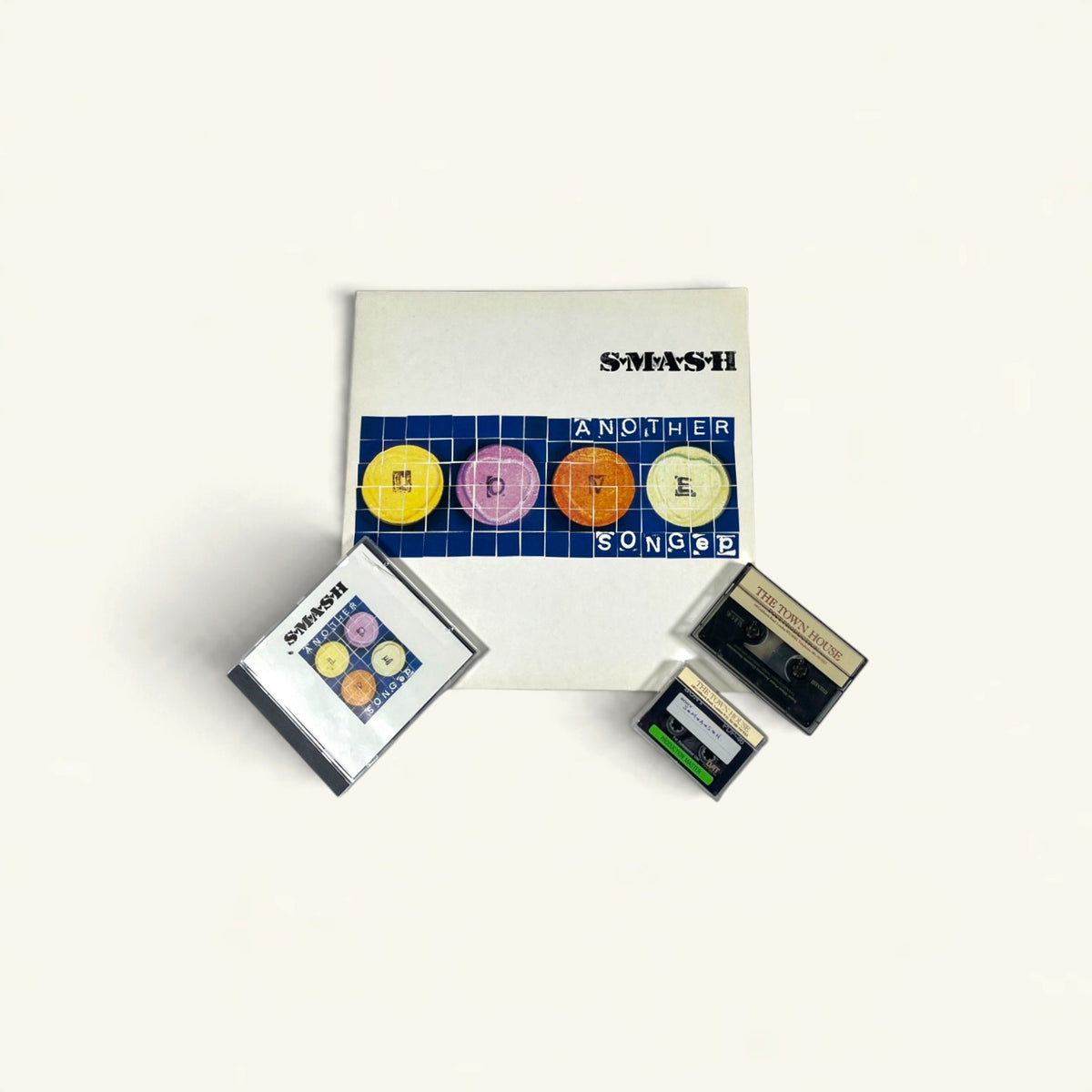
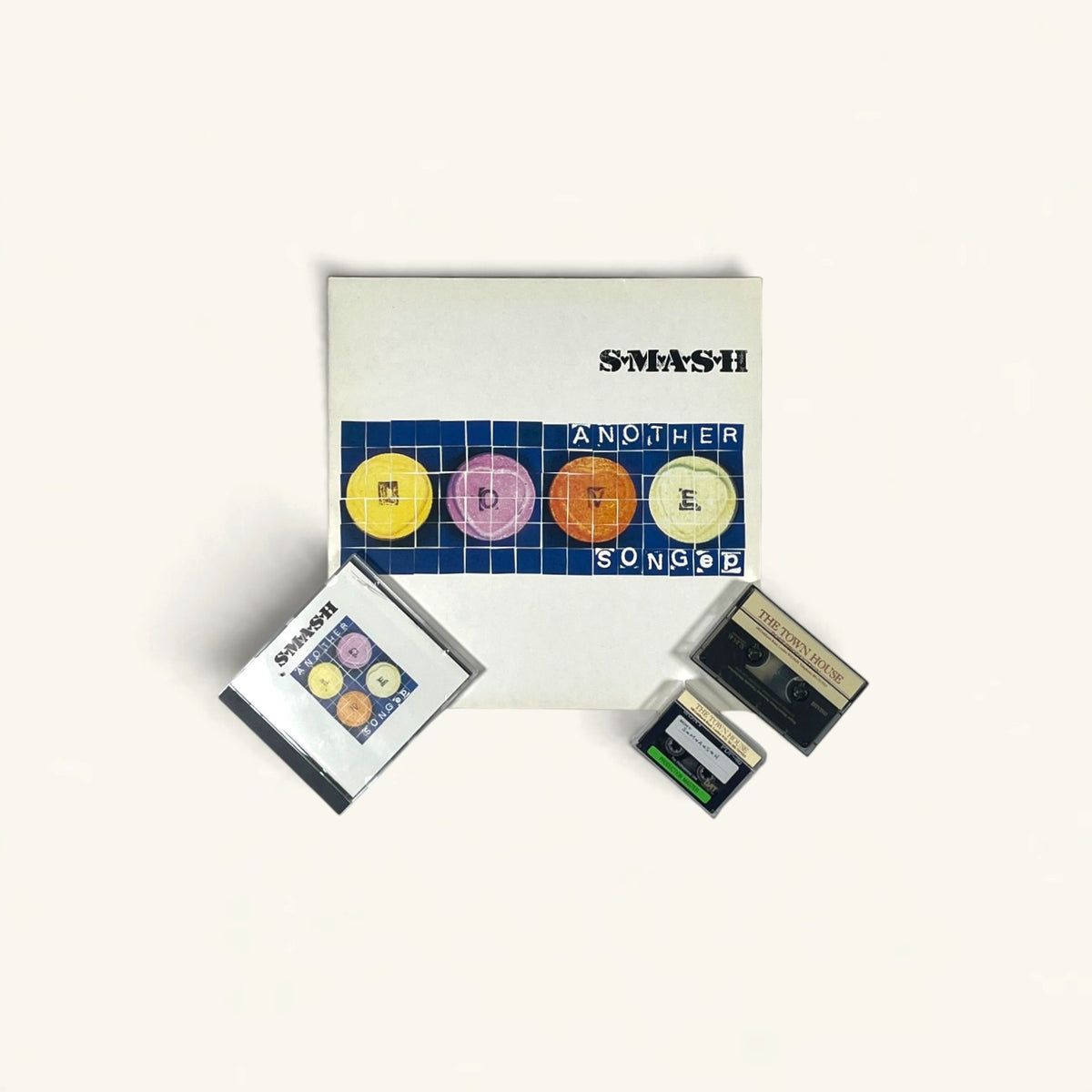
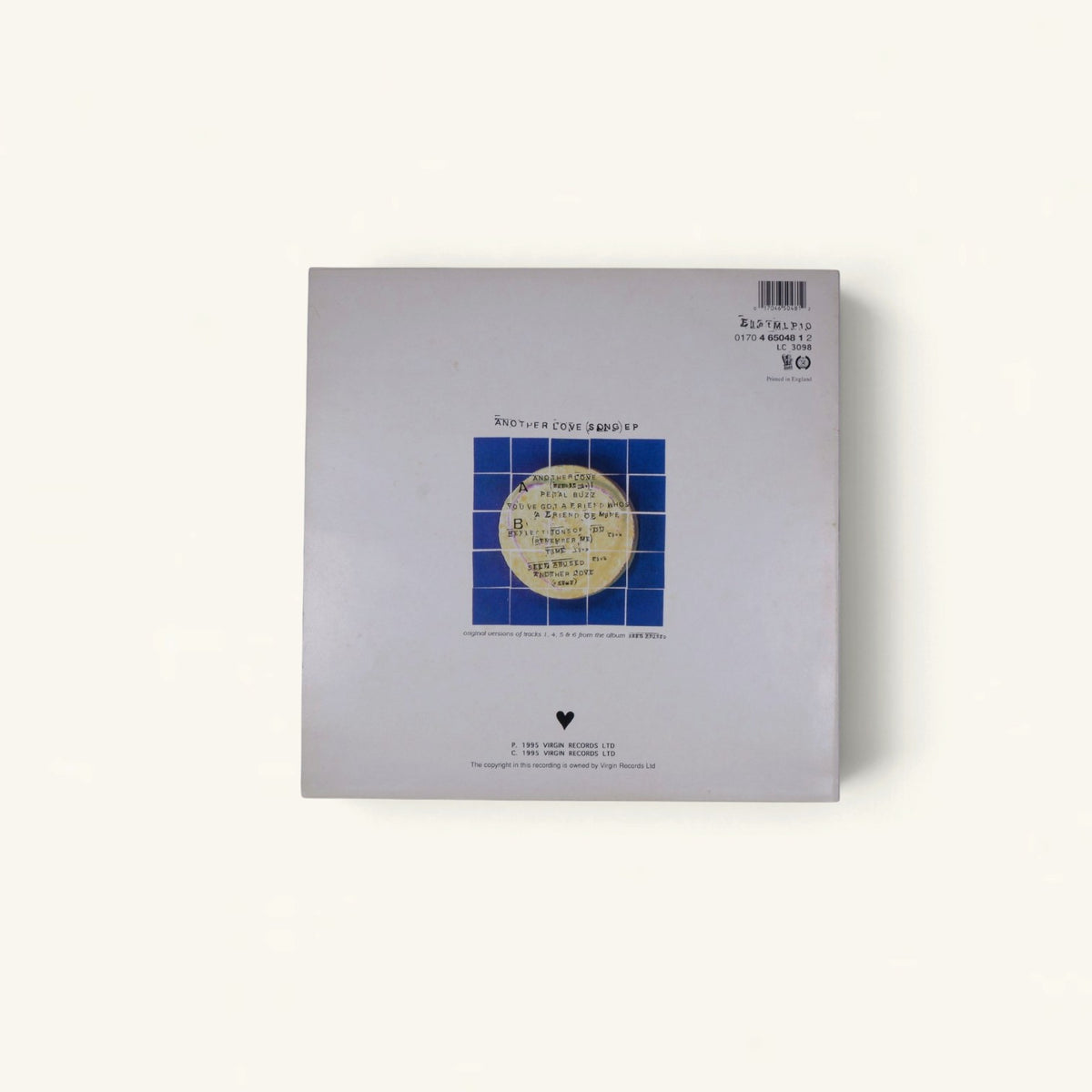
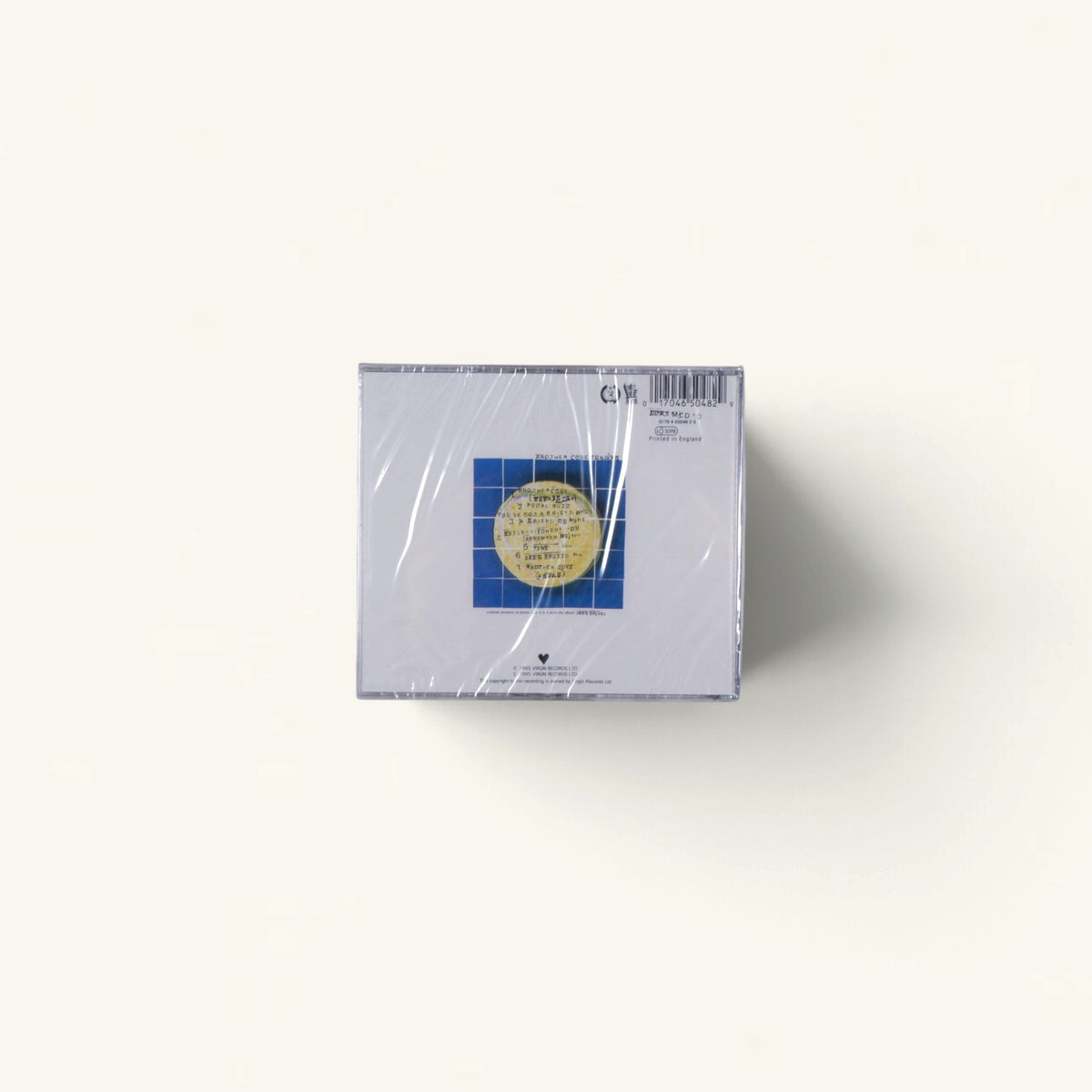
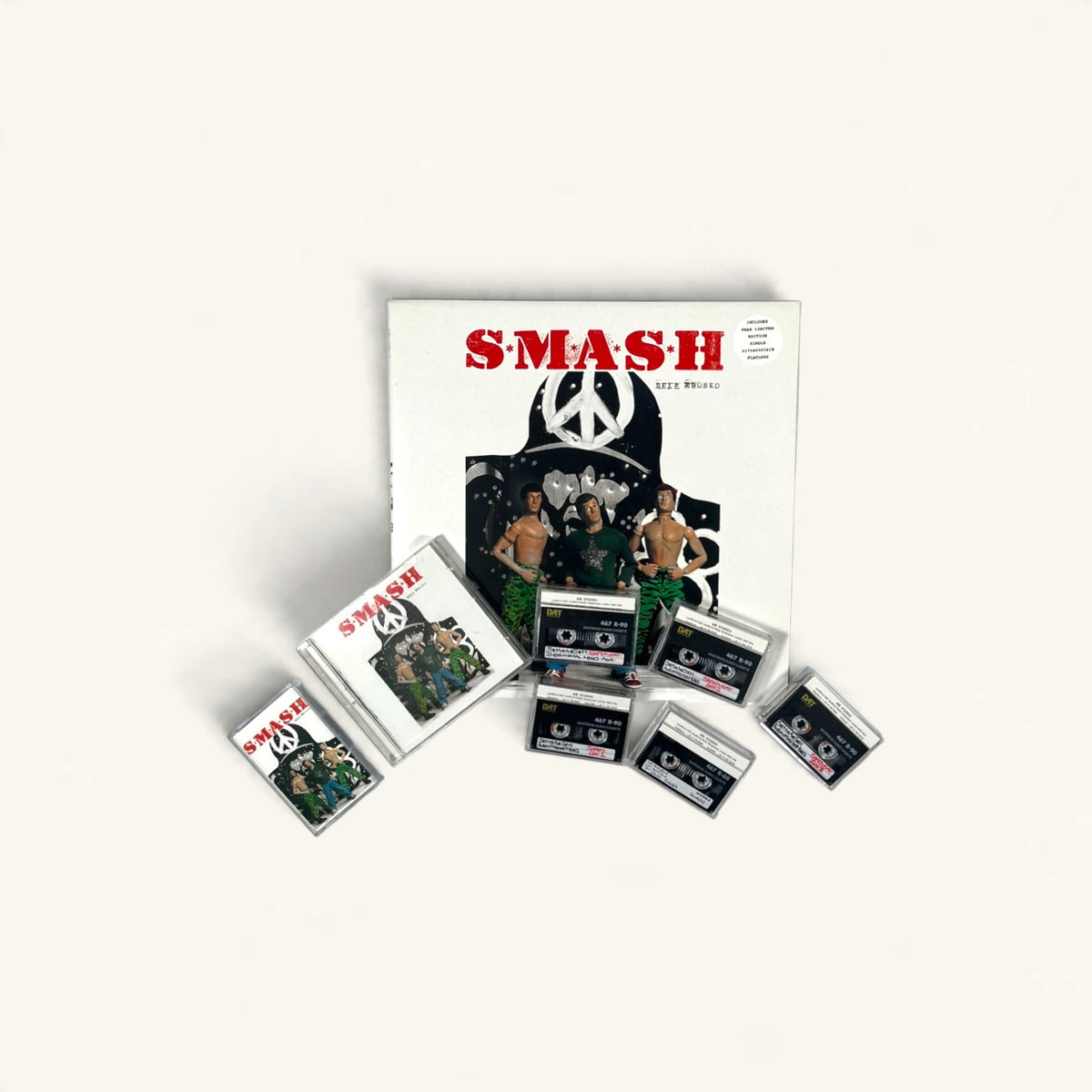
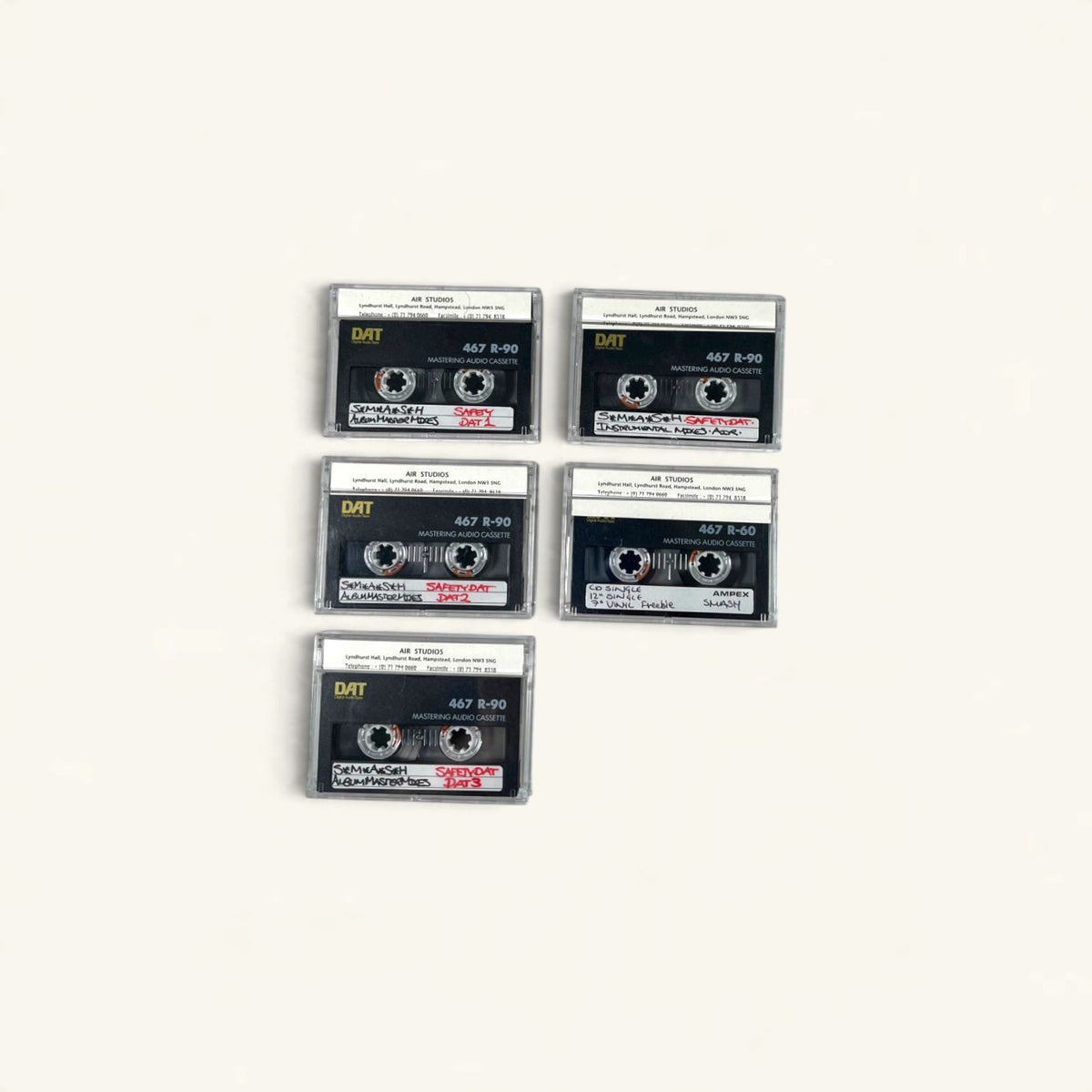
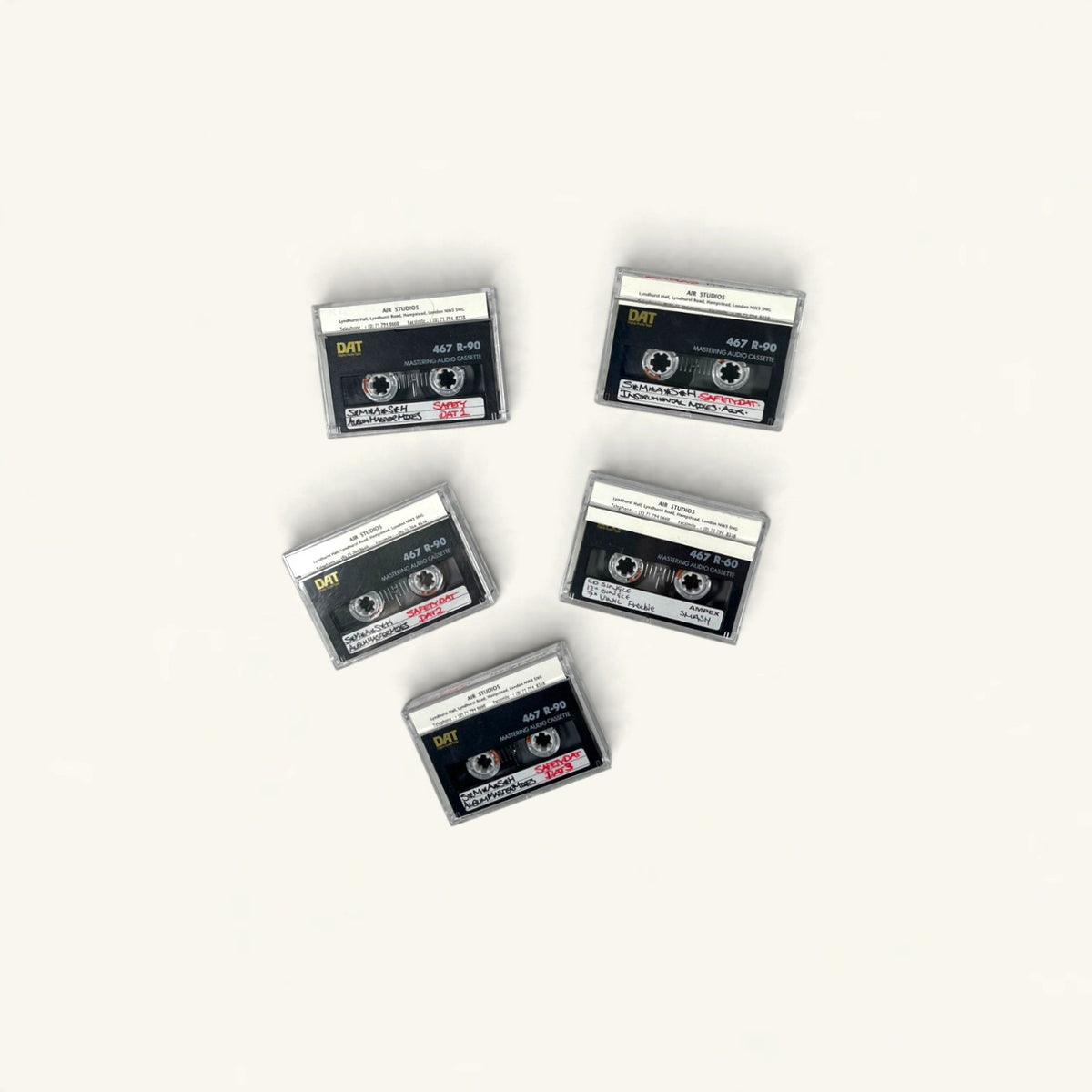
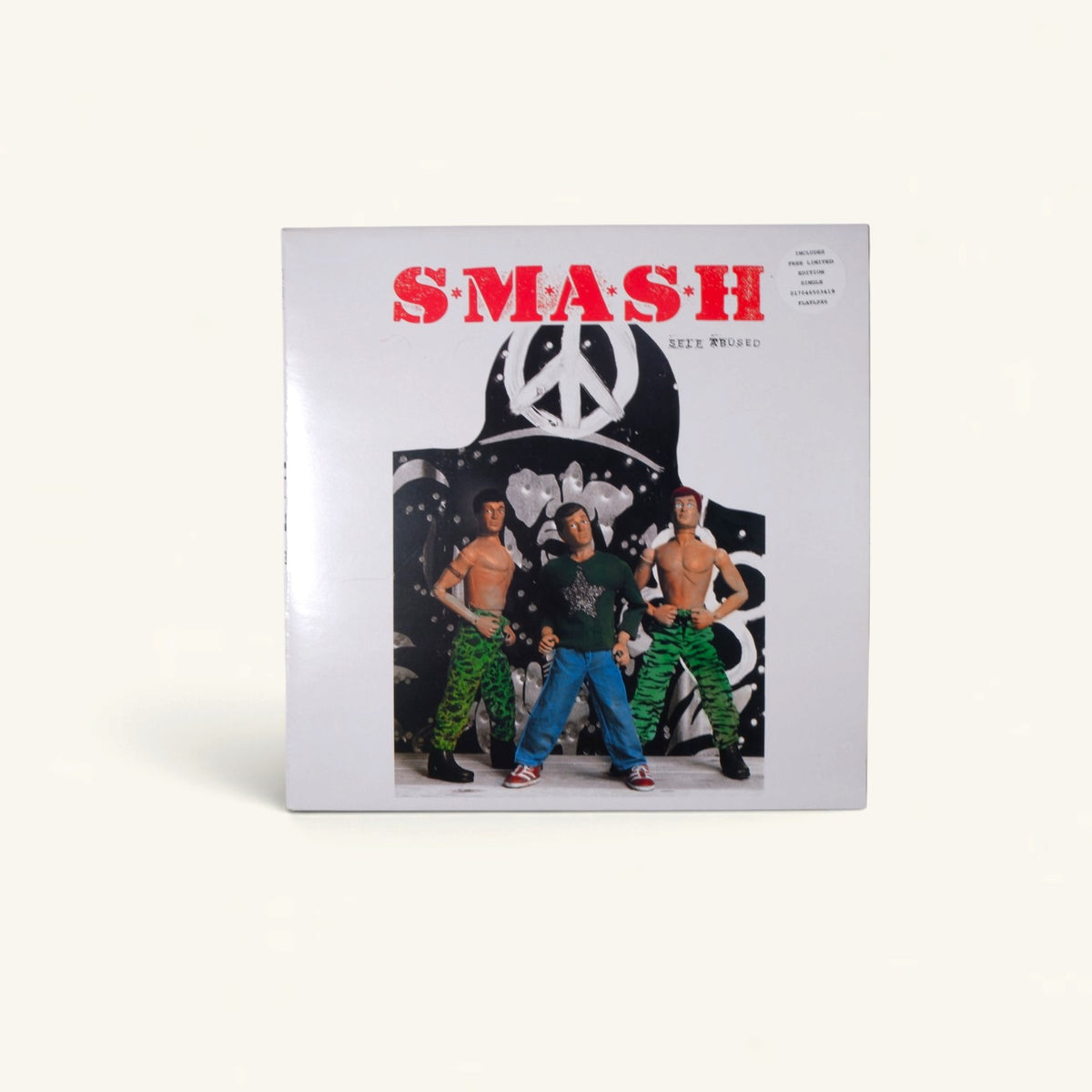
S*M*A*S*H - Four Demo Tapes + ‘Self Abused’ Promo 12-Inch
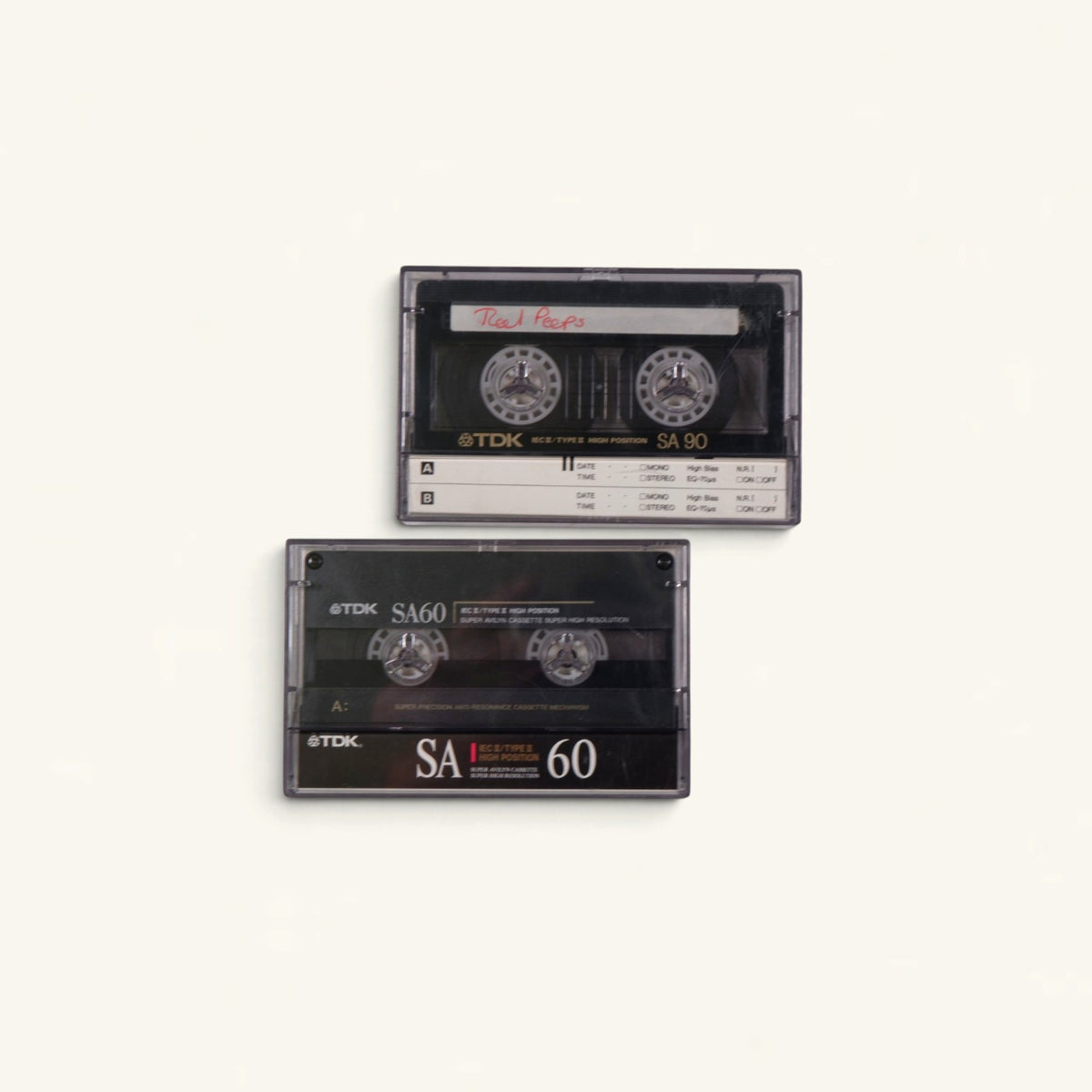
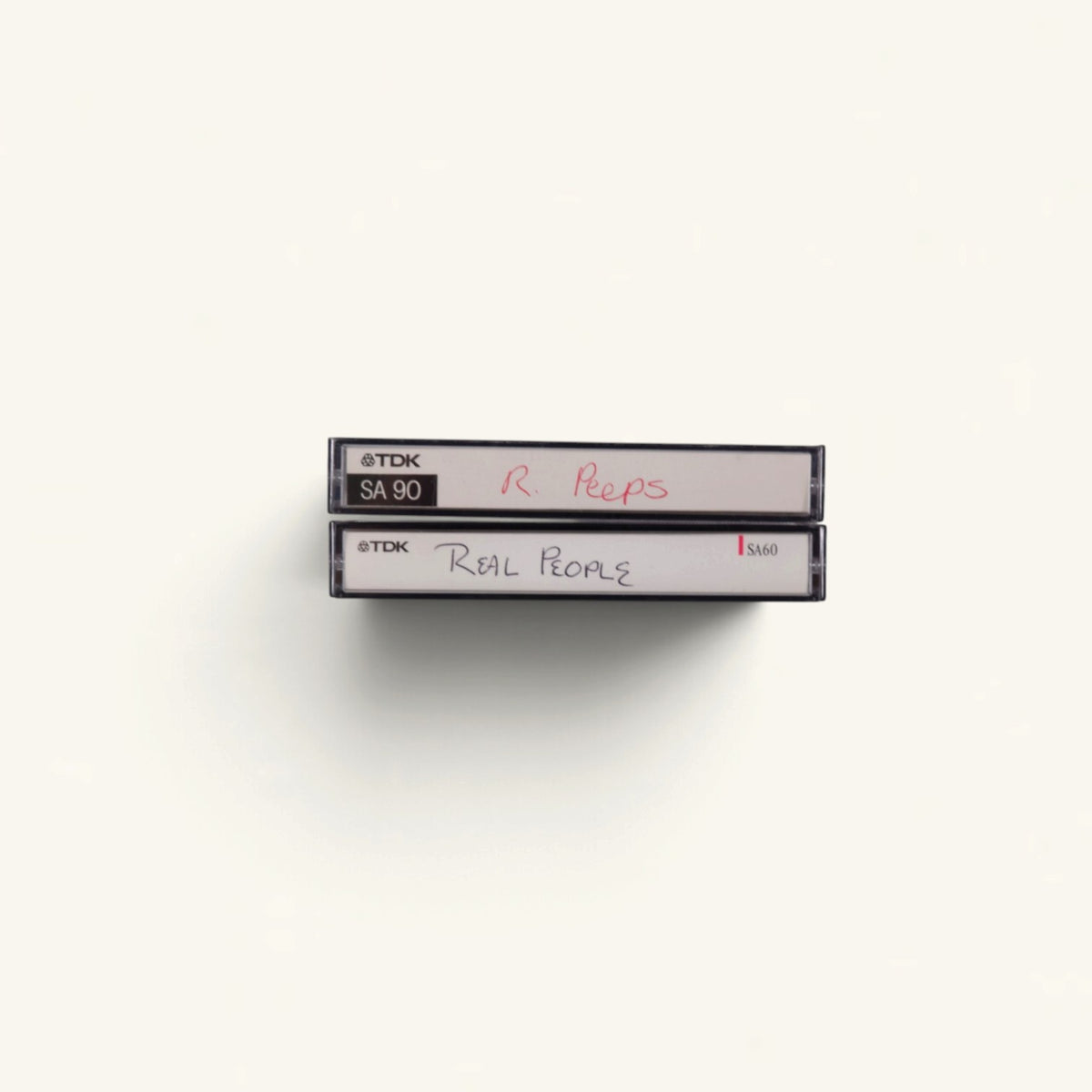
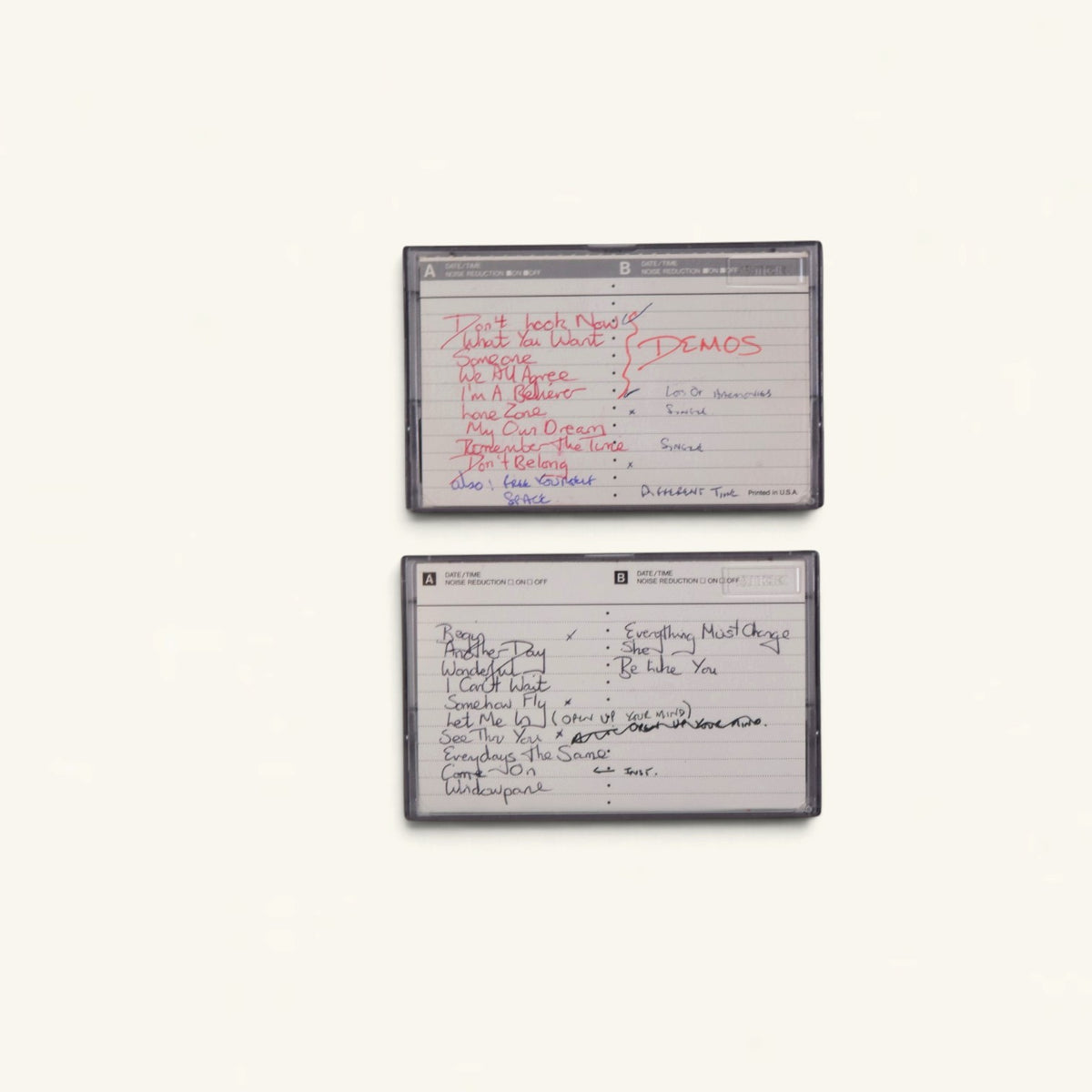
The Real People - Demo Tapes x2
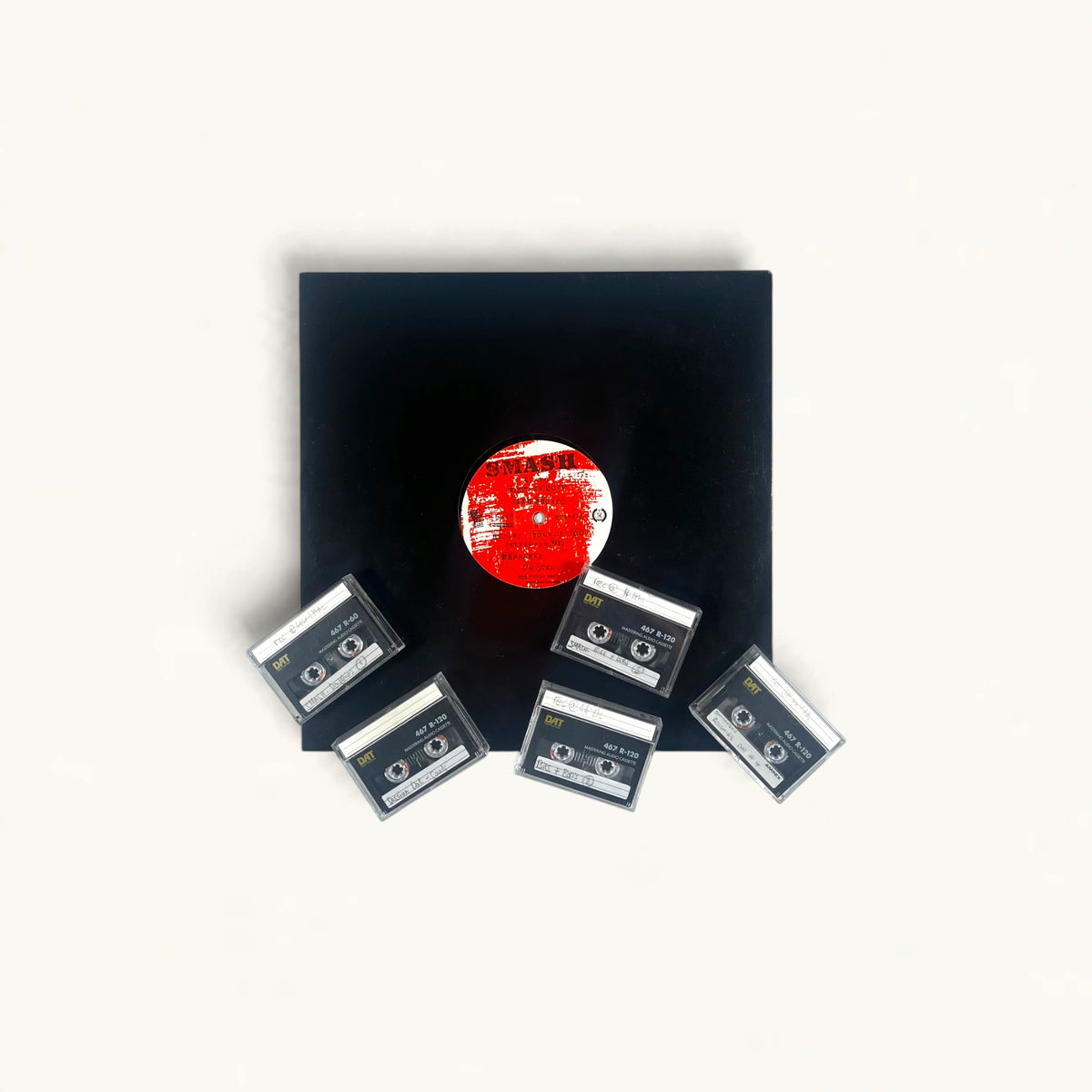
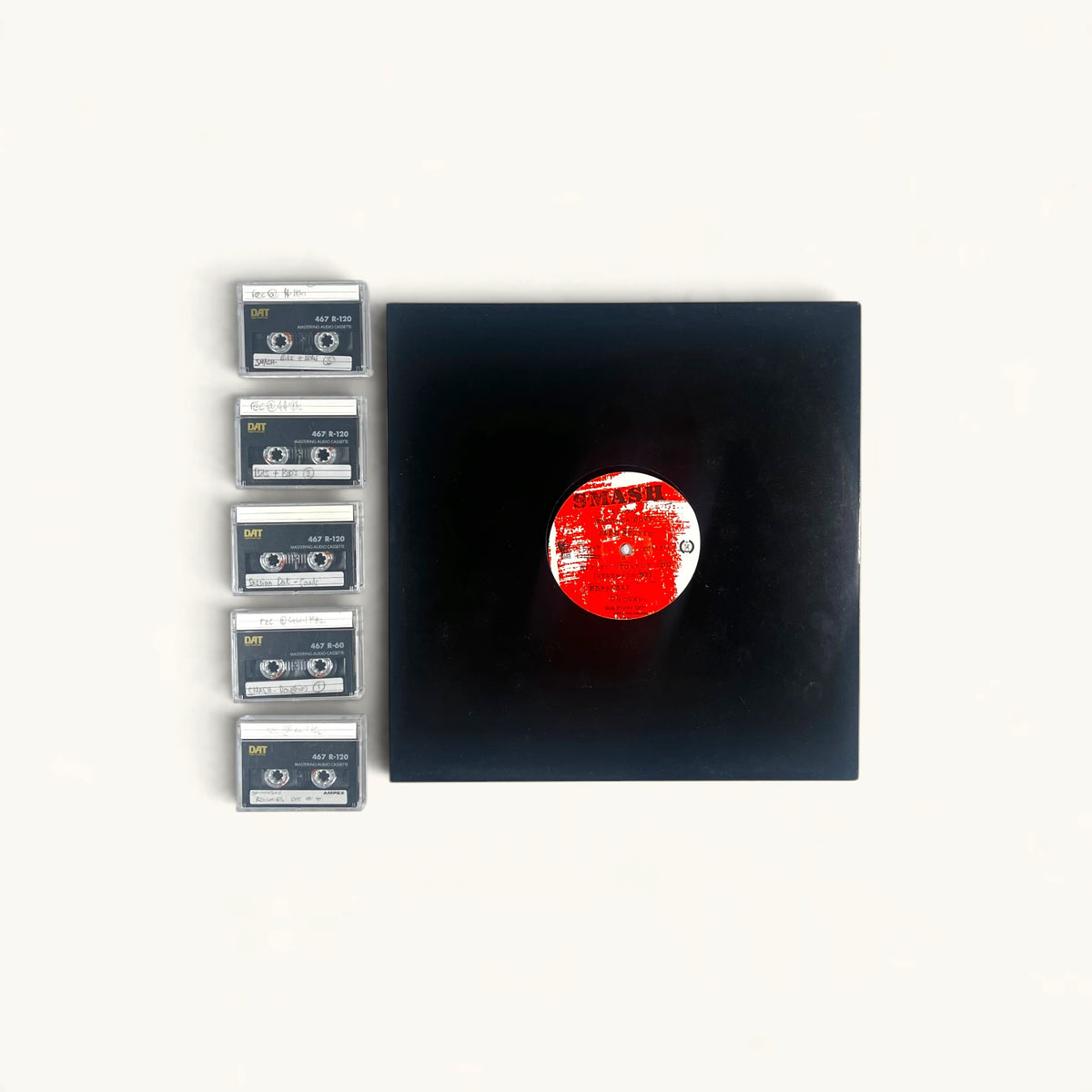
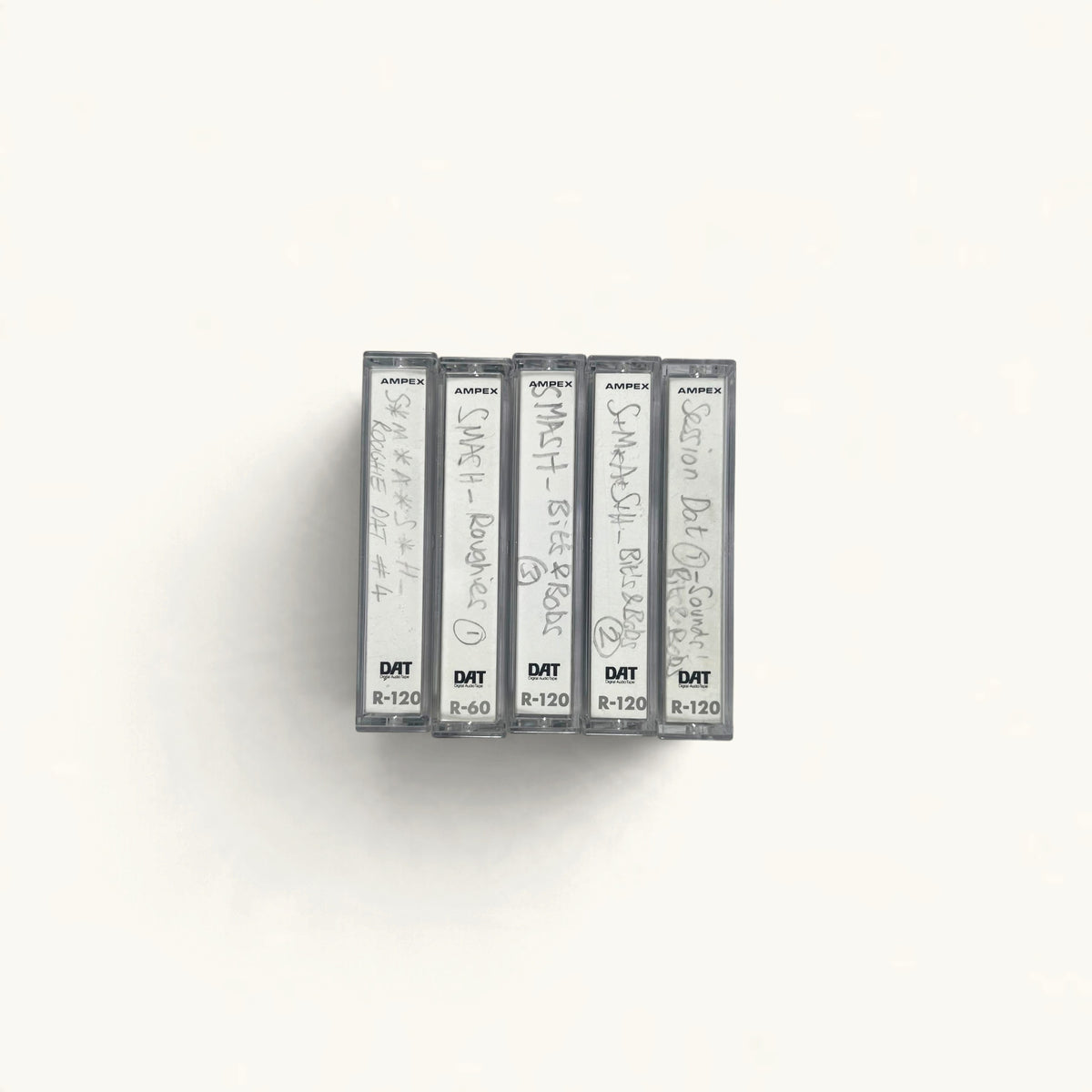
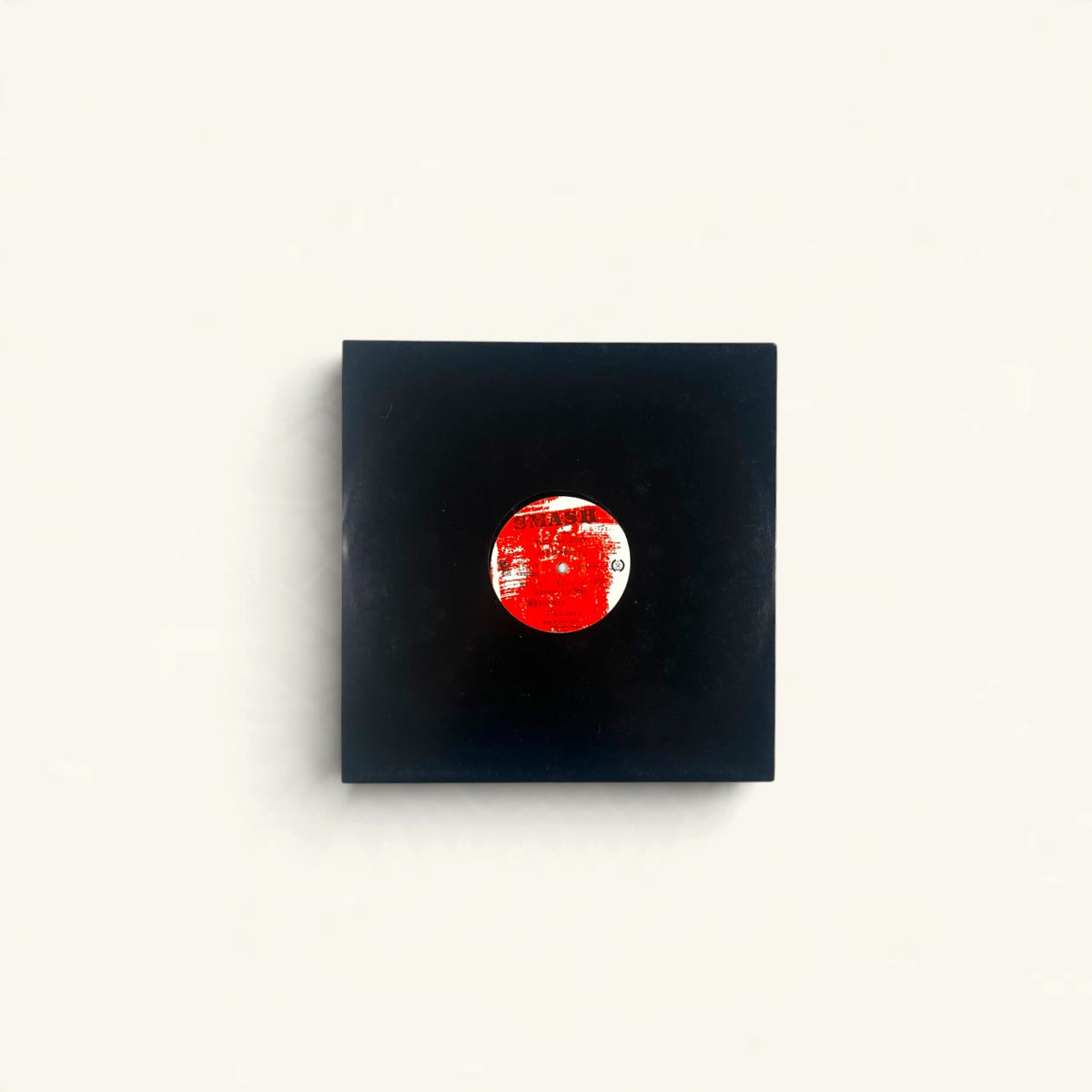
S*M*A*S*H - ‘Roughies’ & ‘Bits & Bobs’ Session DATs + Promo 12-Inch
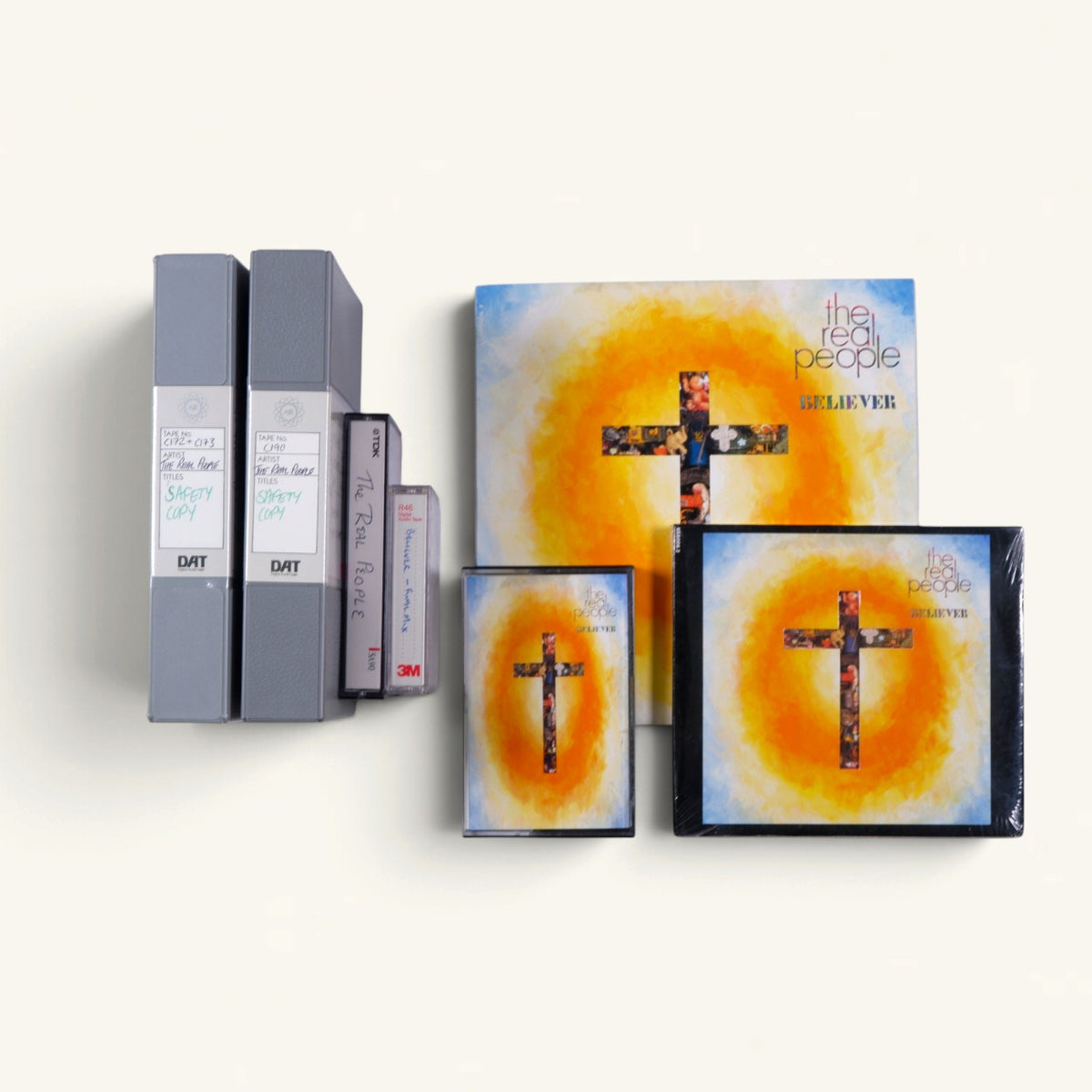
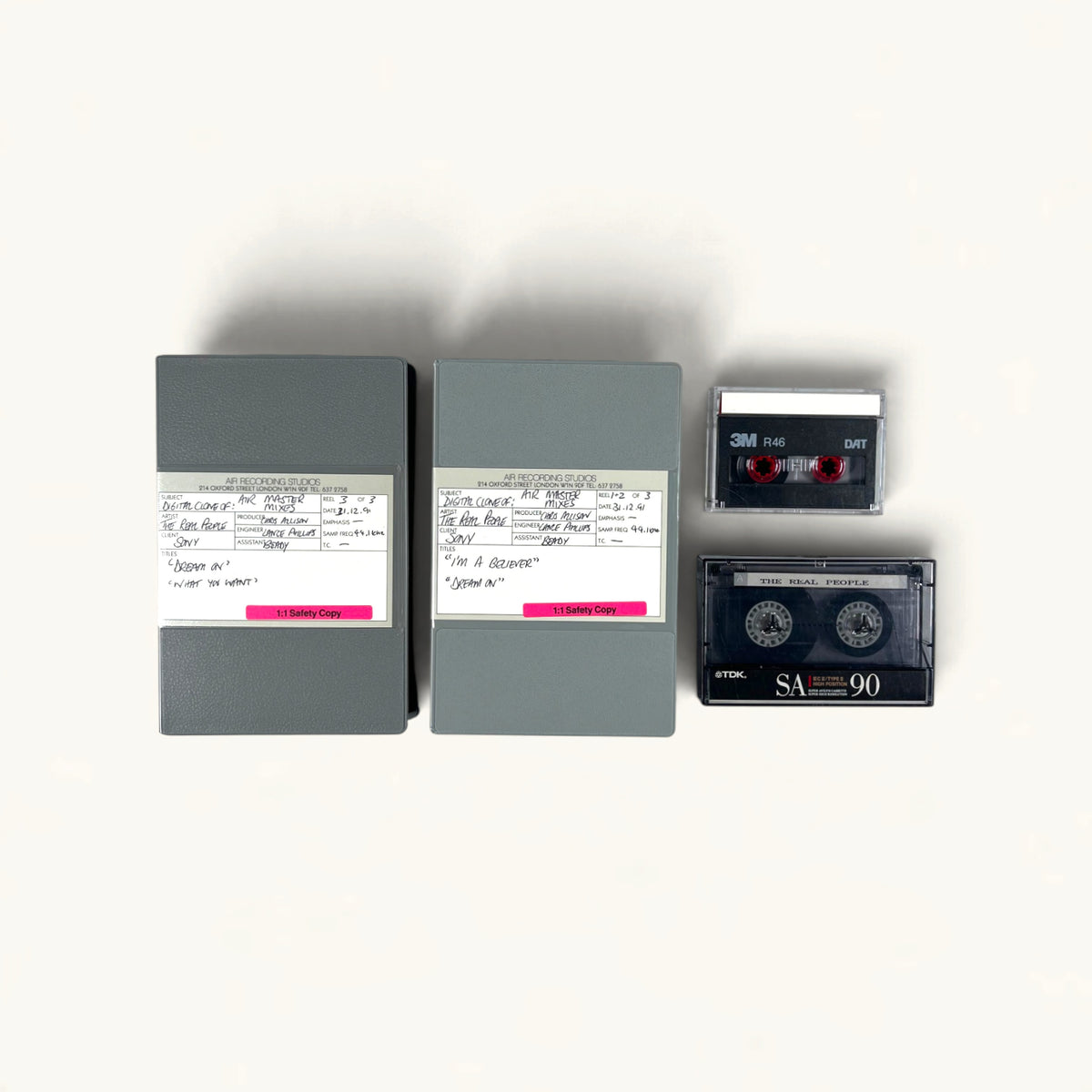
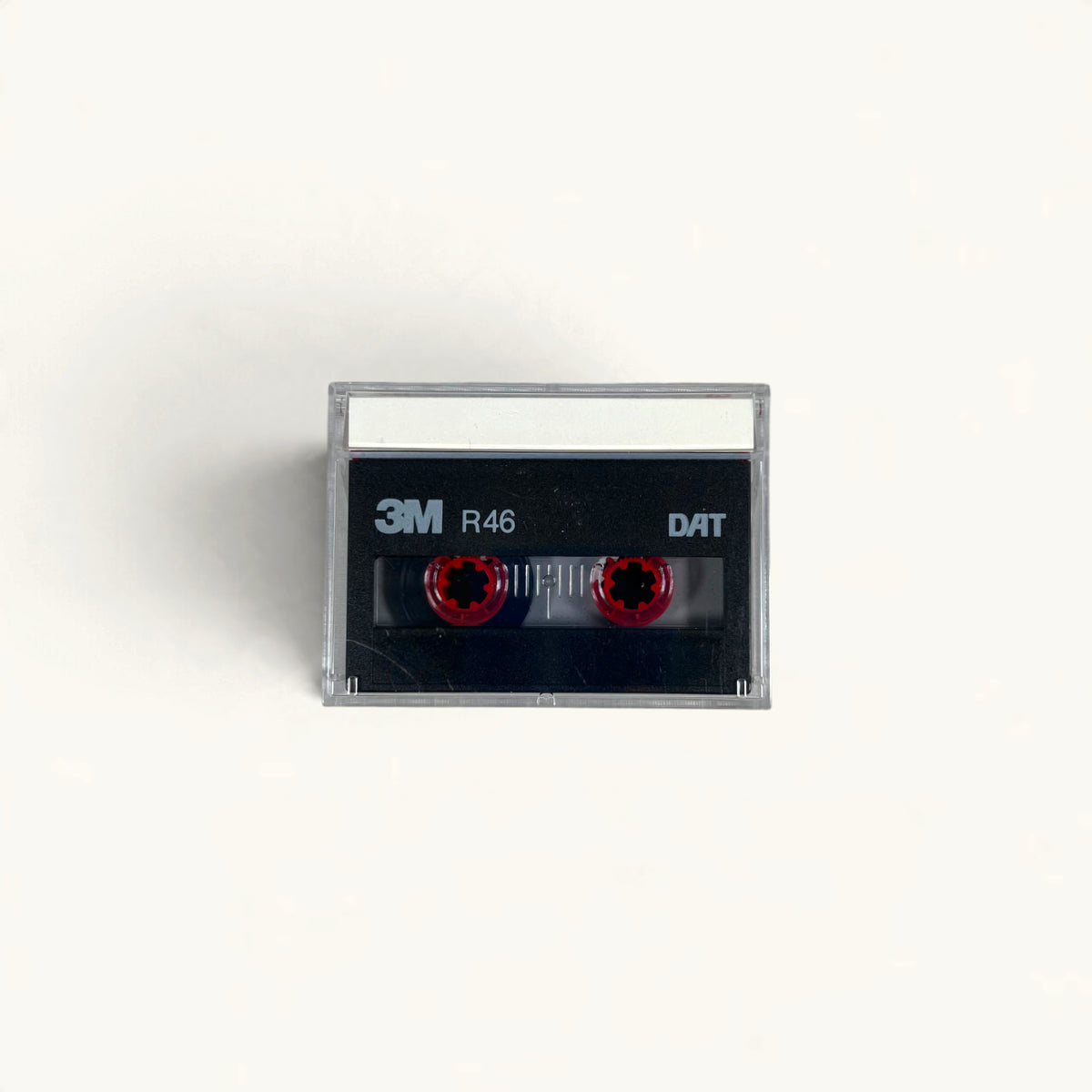
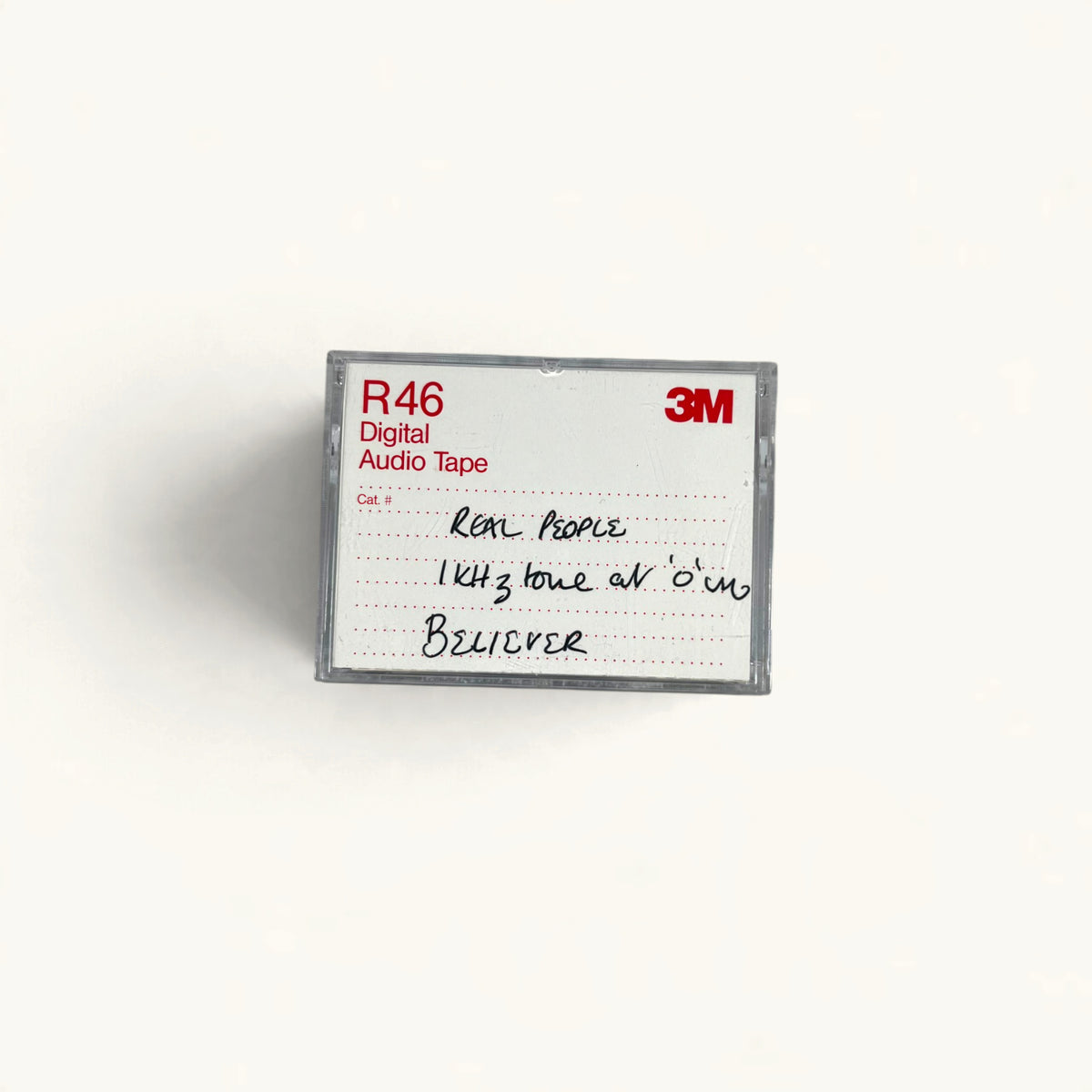
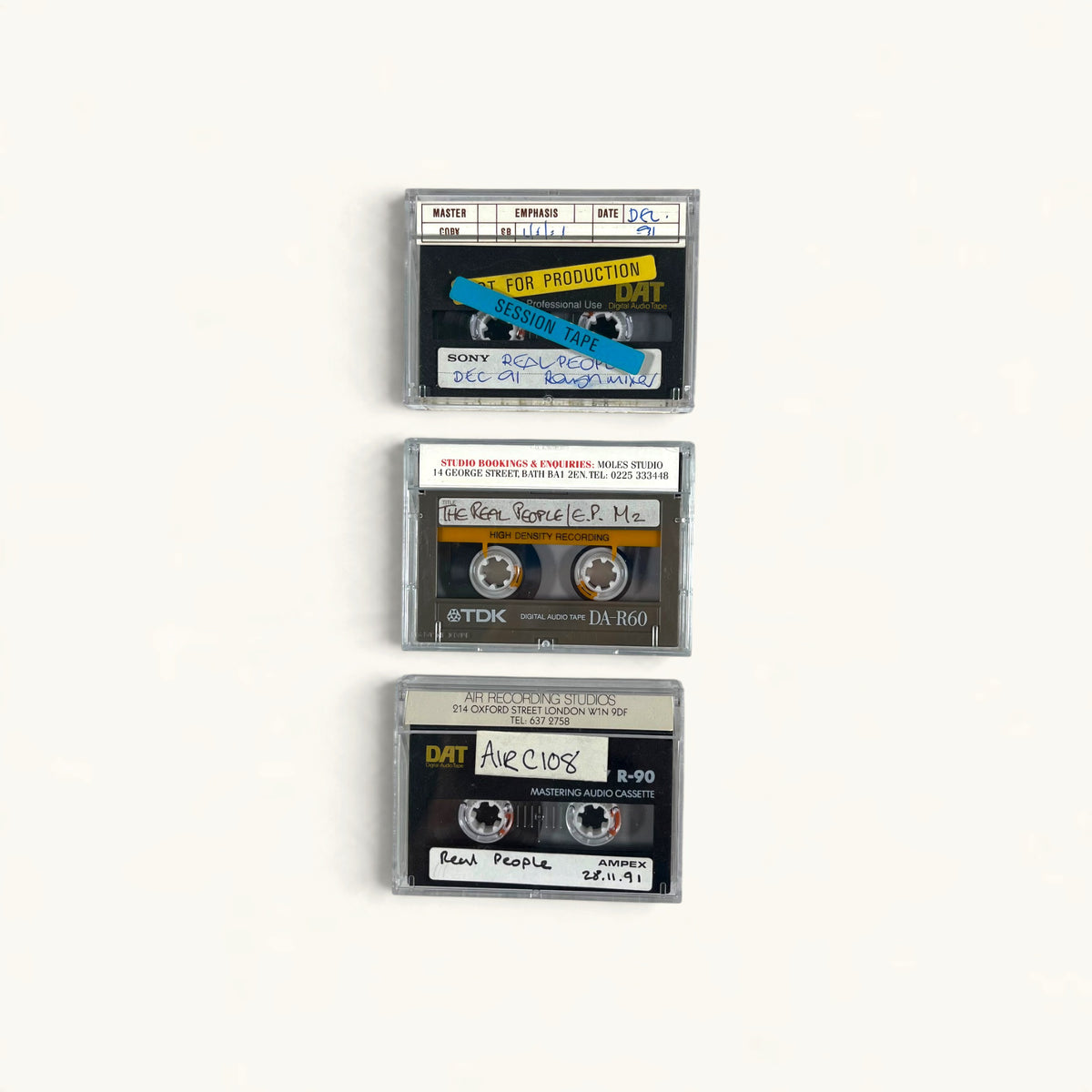
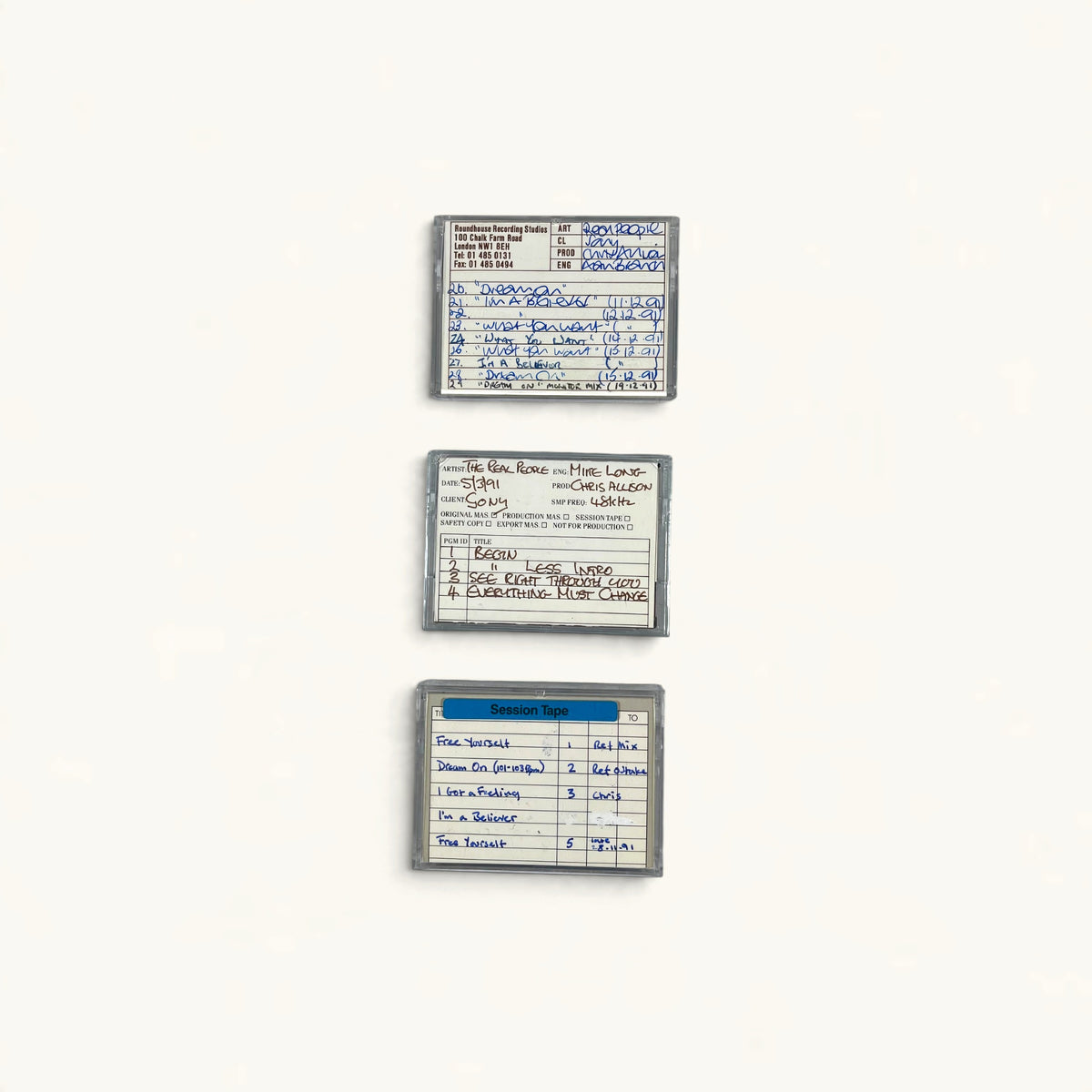
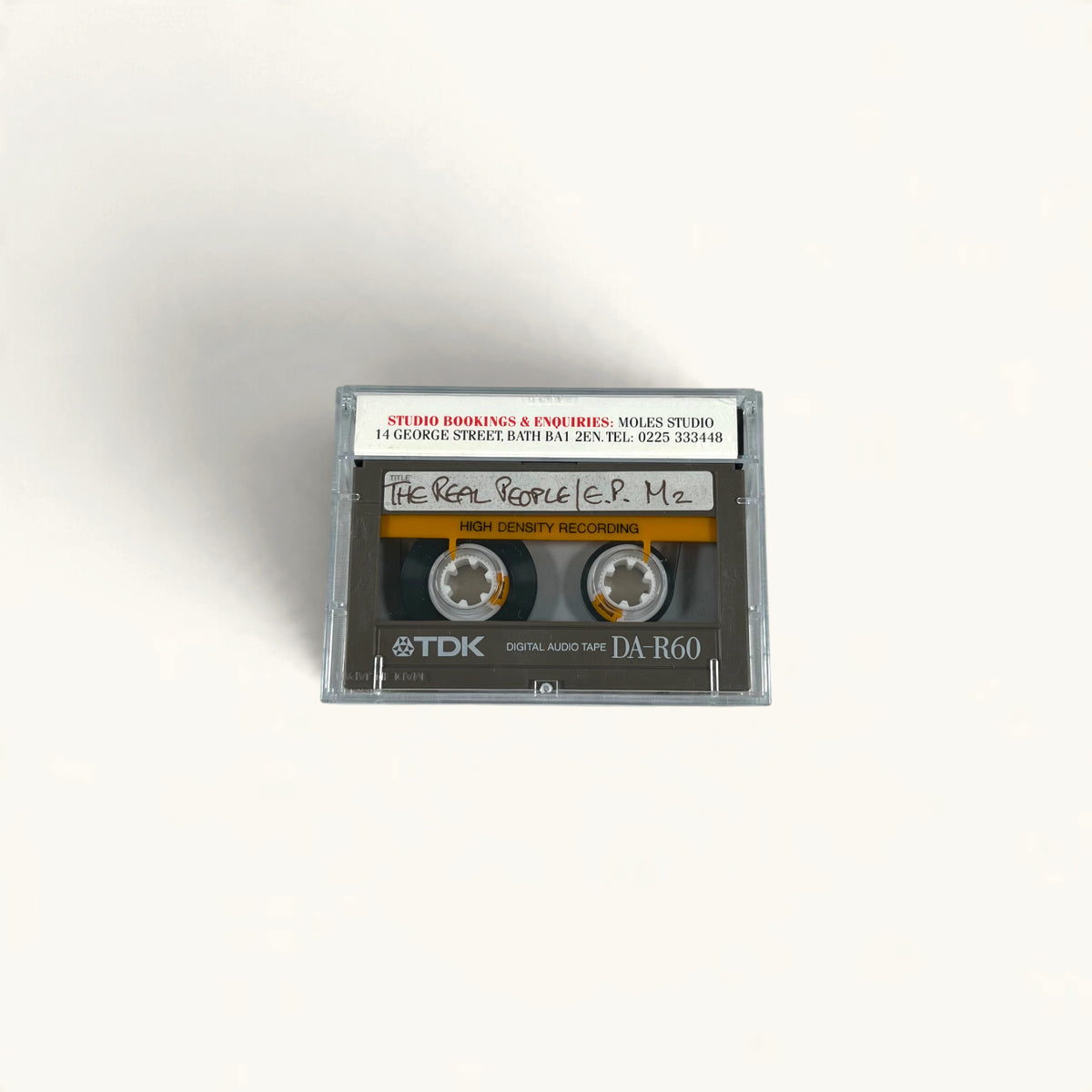
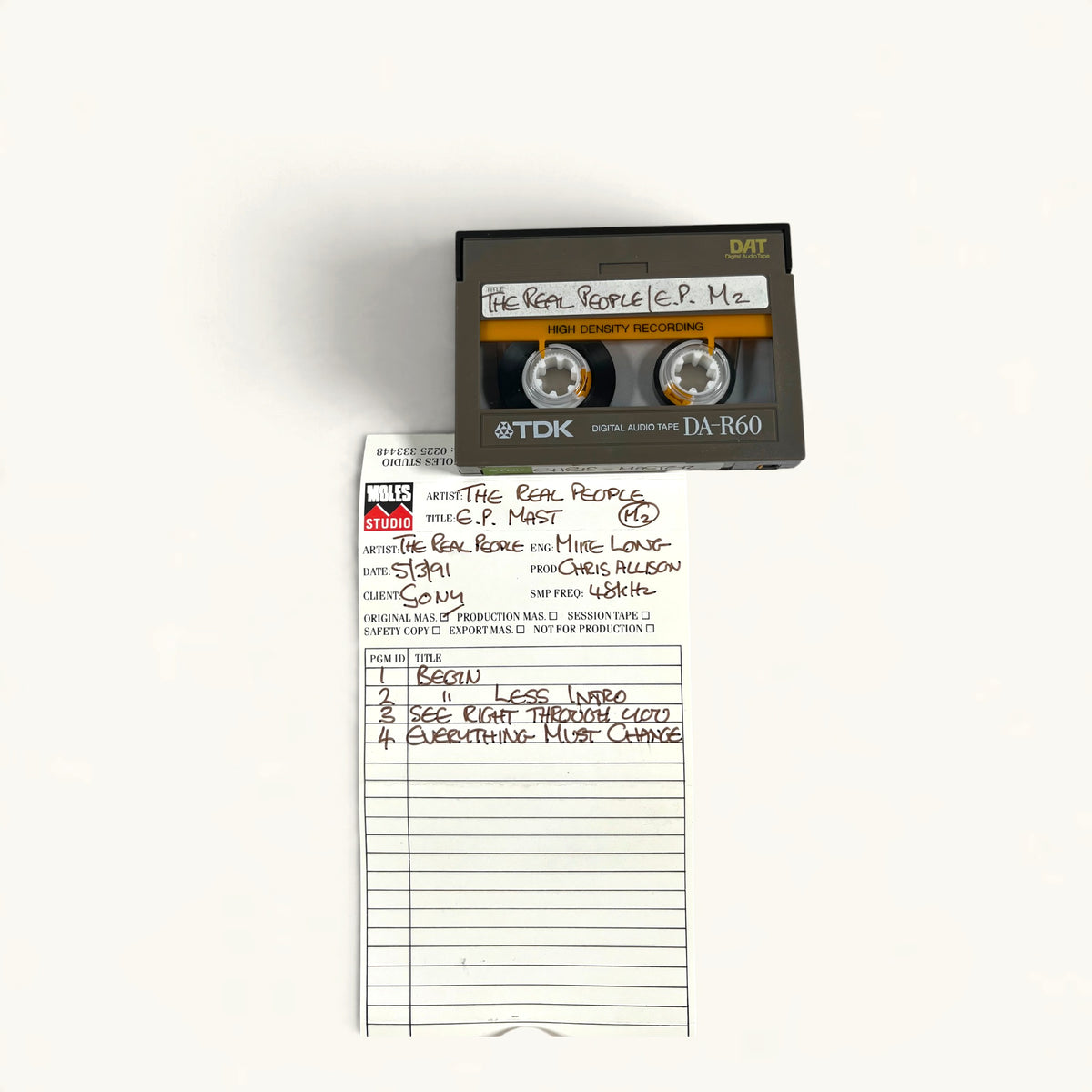
The Real People - Live & Studio Mix DATs x3 (Moles, Roundhouse, AIR, 1991)
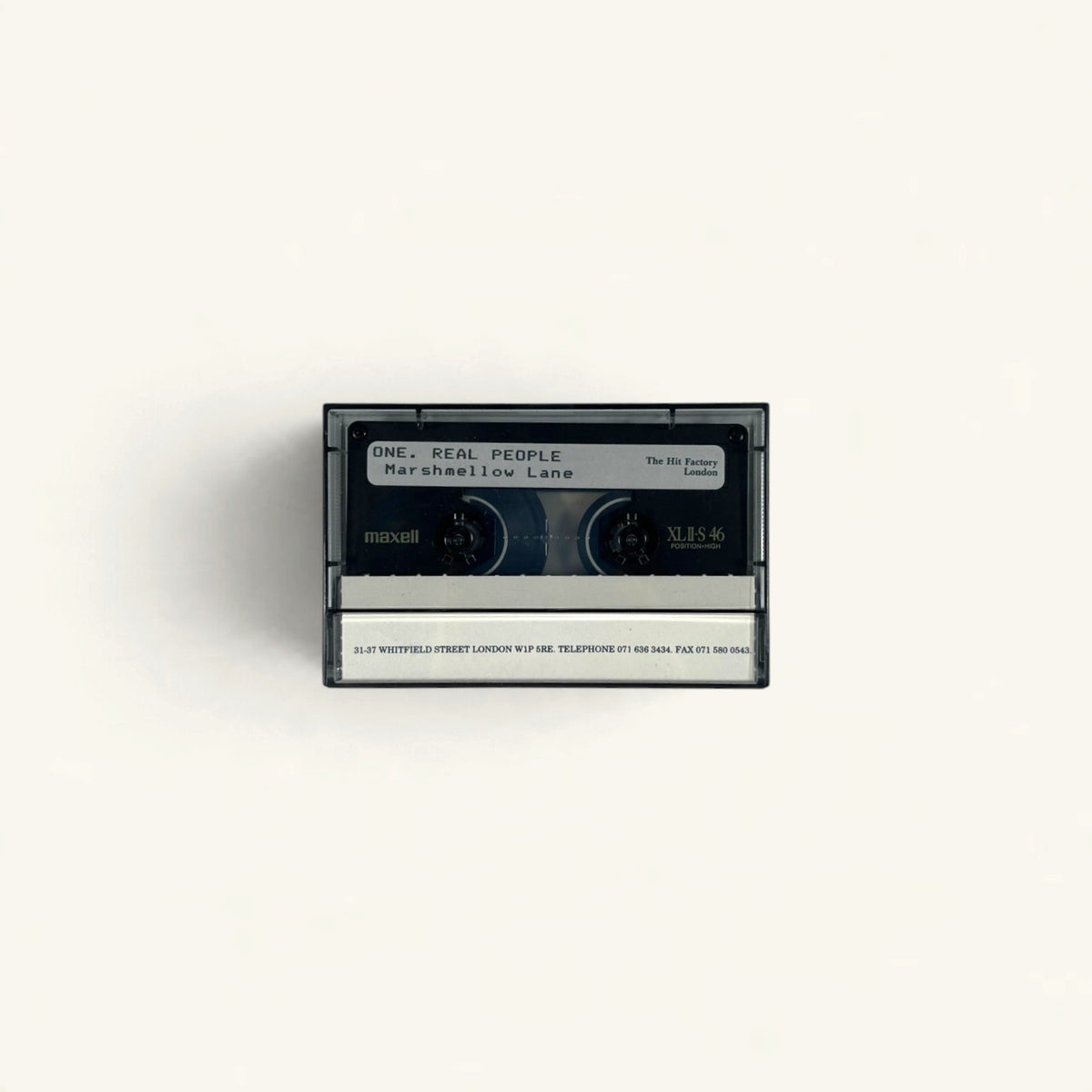
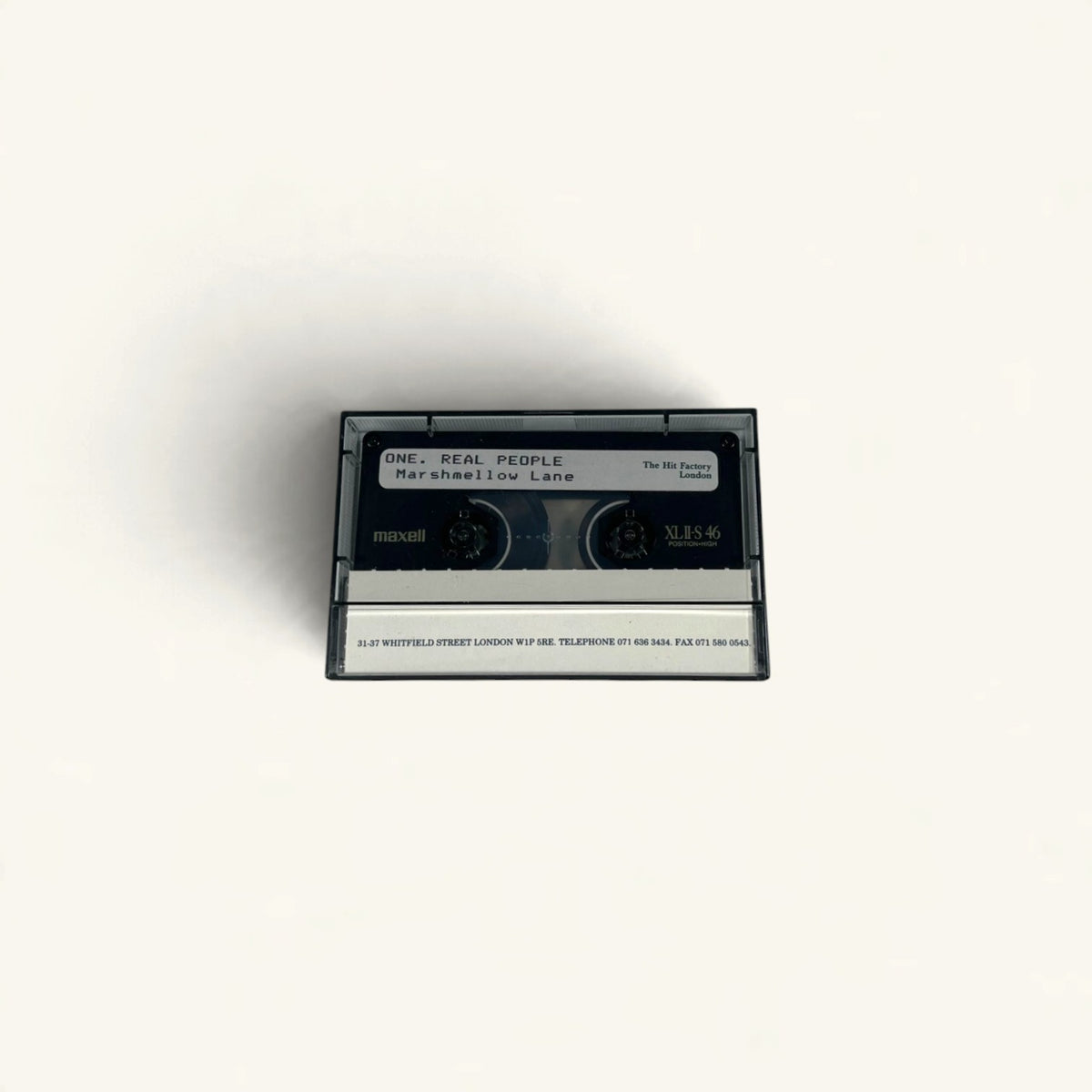
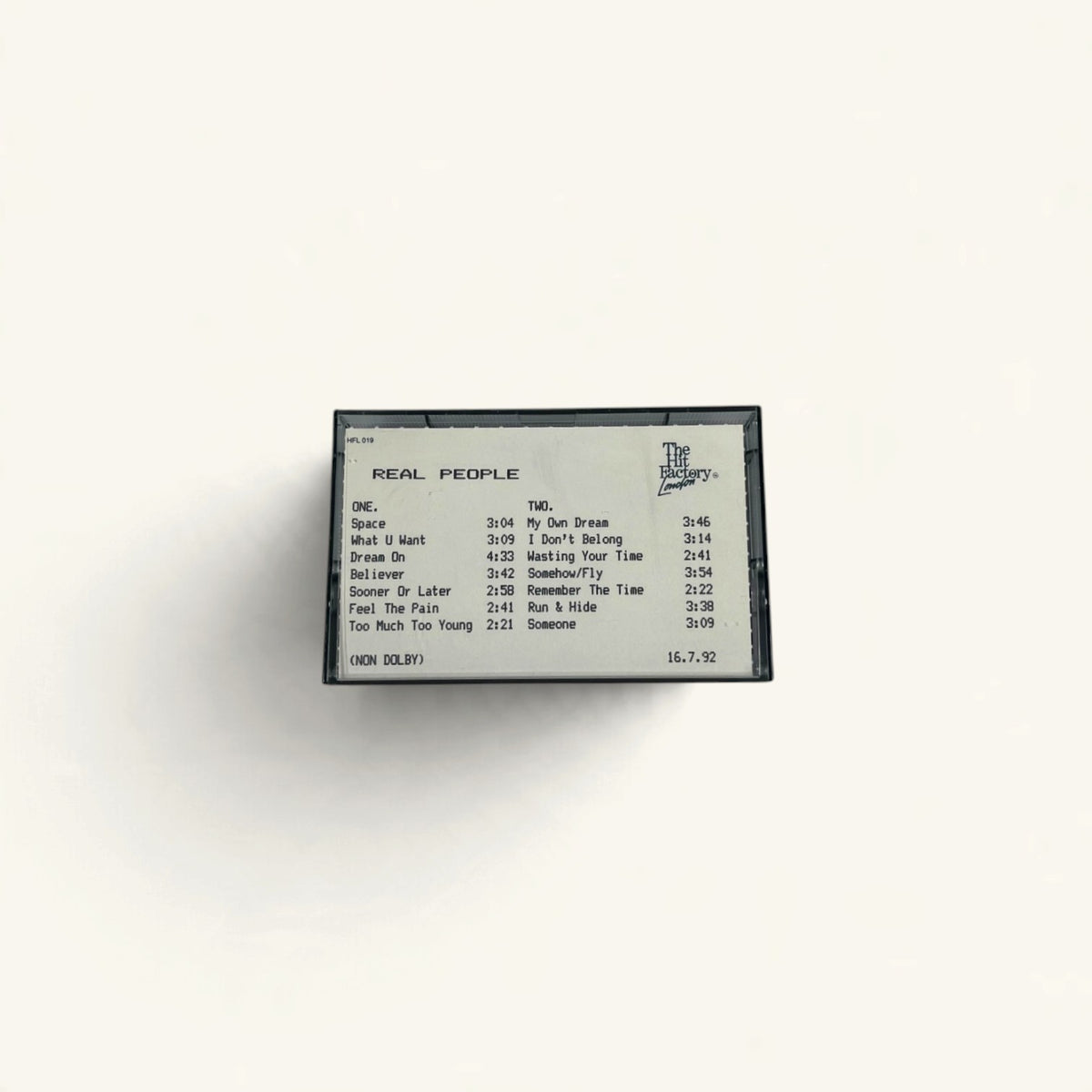
The Real People - Hit Factory Album Reference Cassette (‘Marshmellow Lane’, 16.7.92)
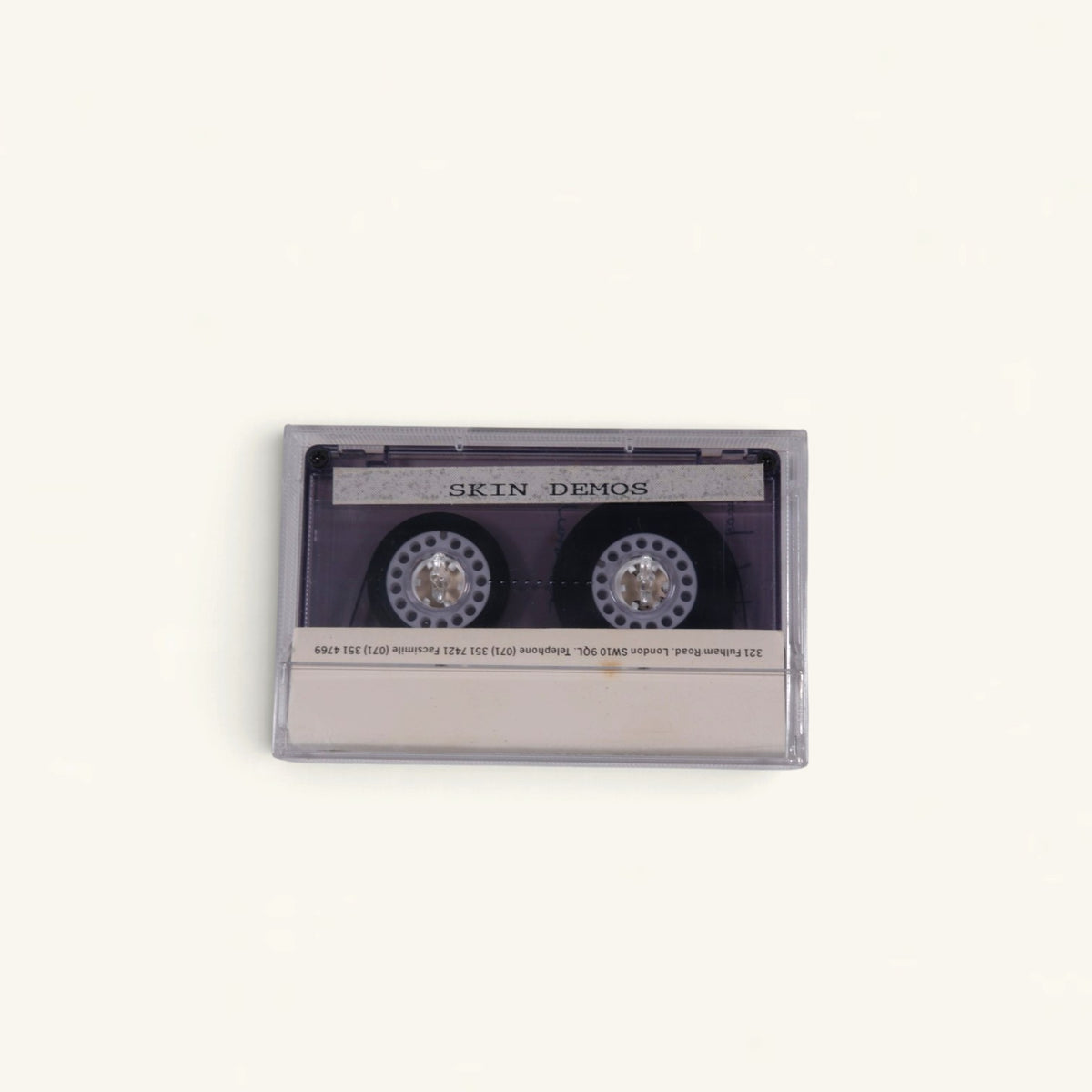
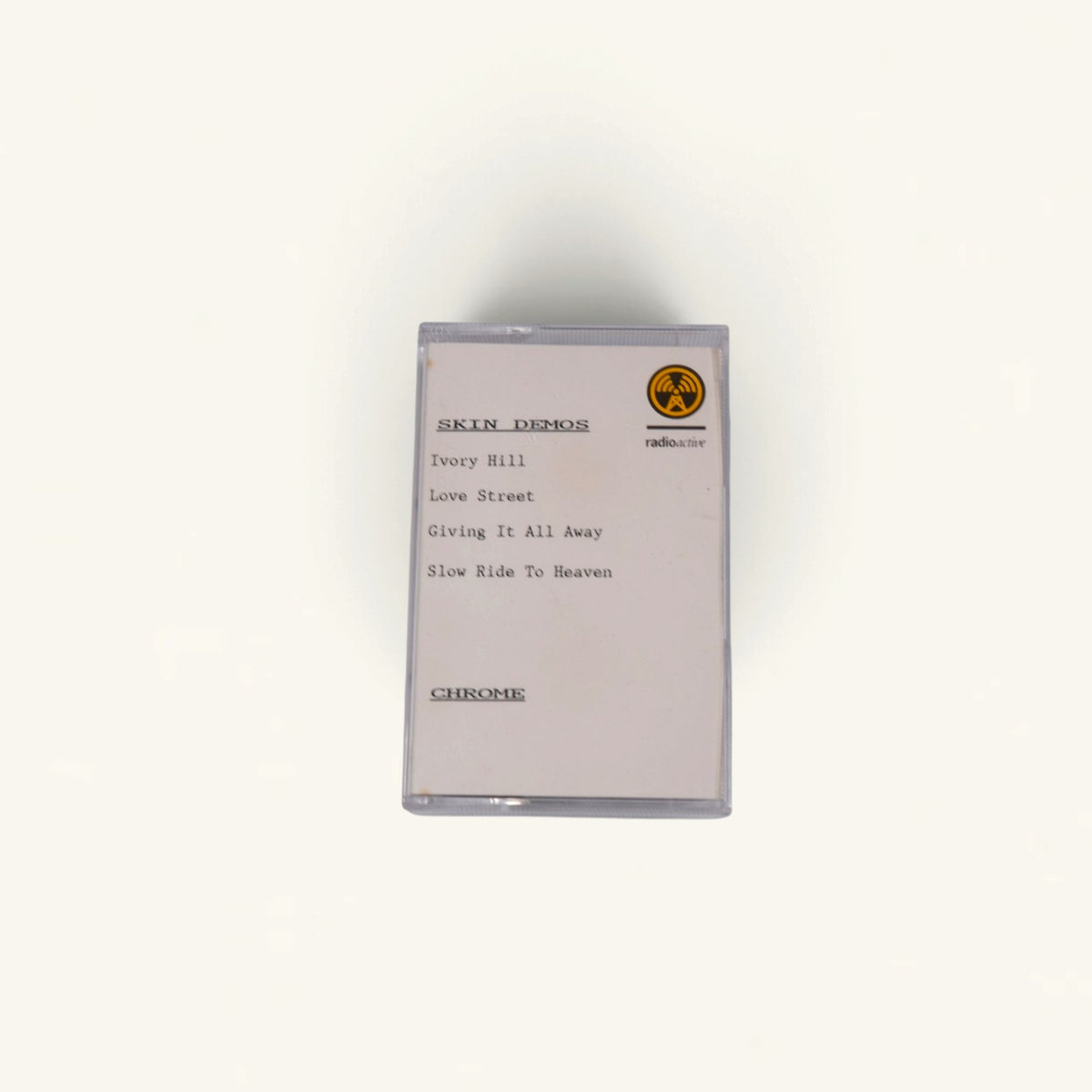
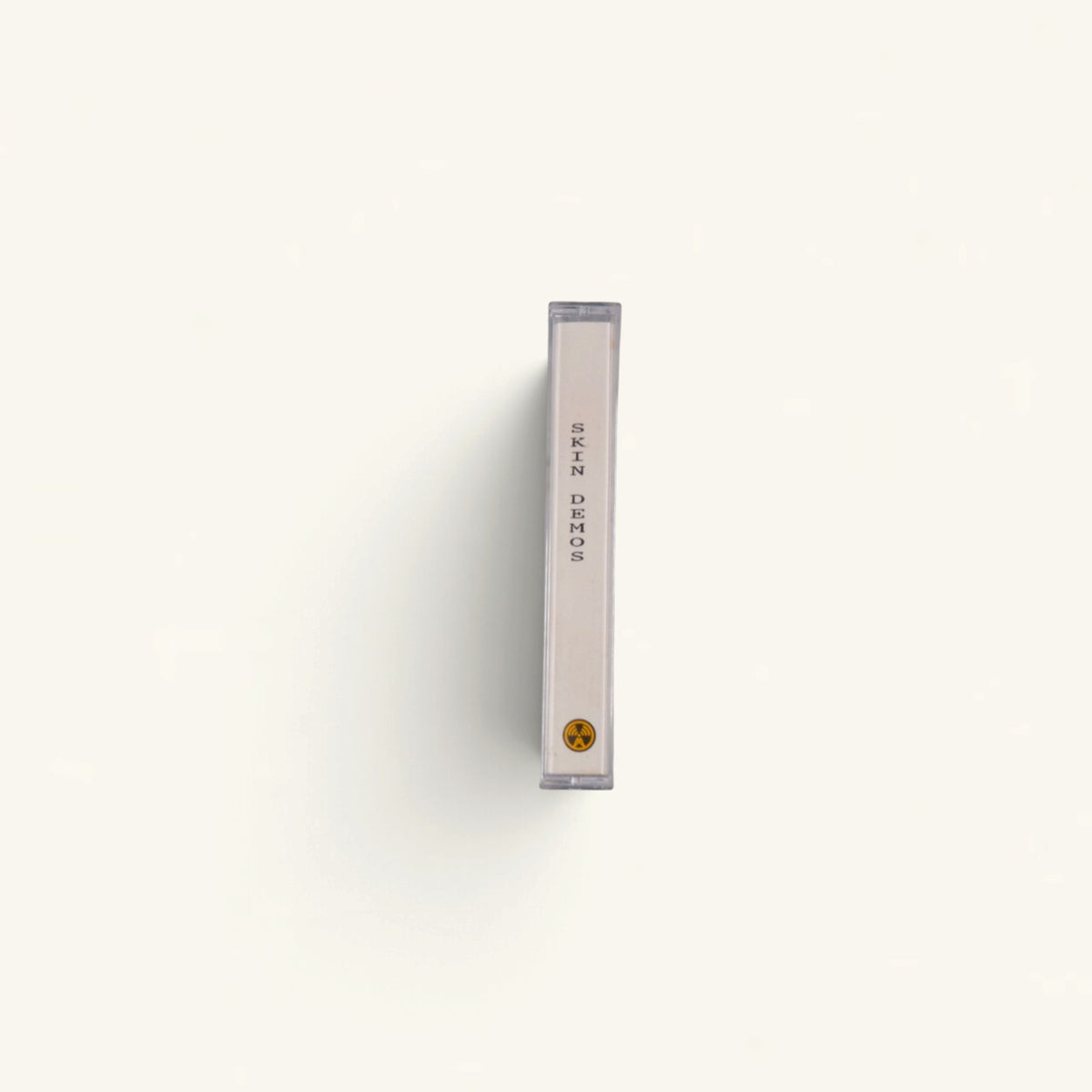
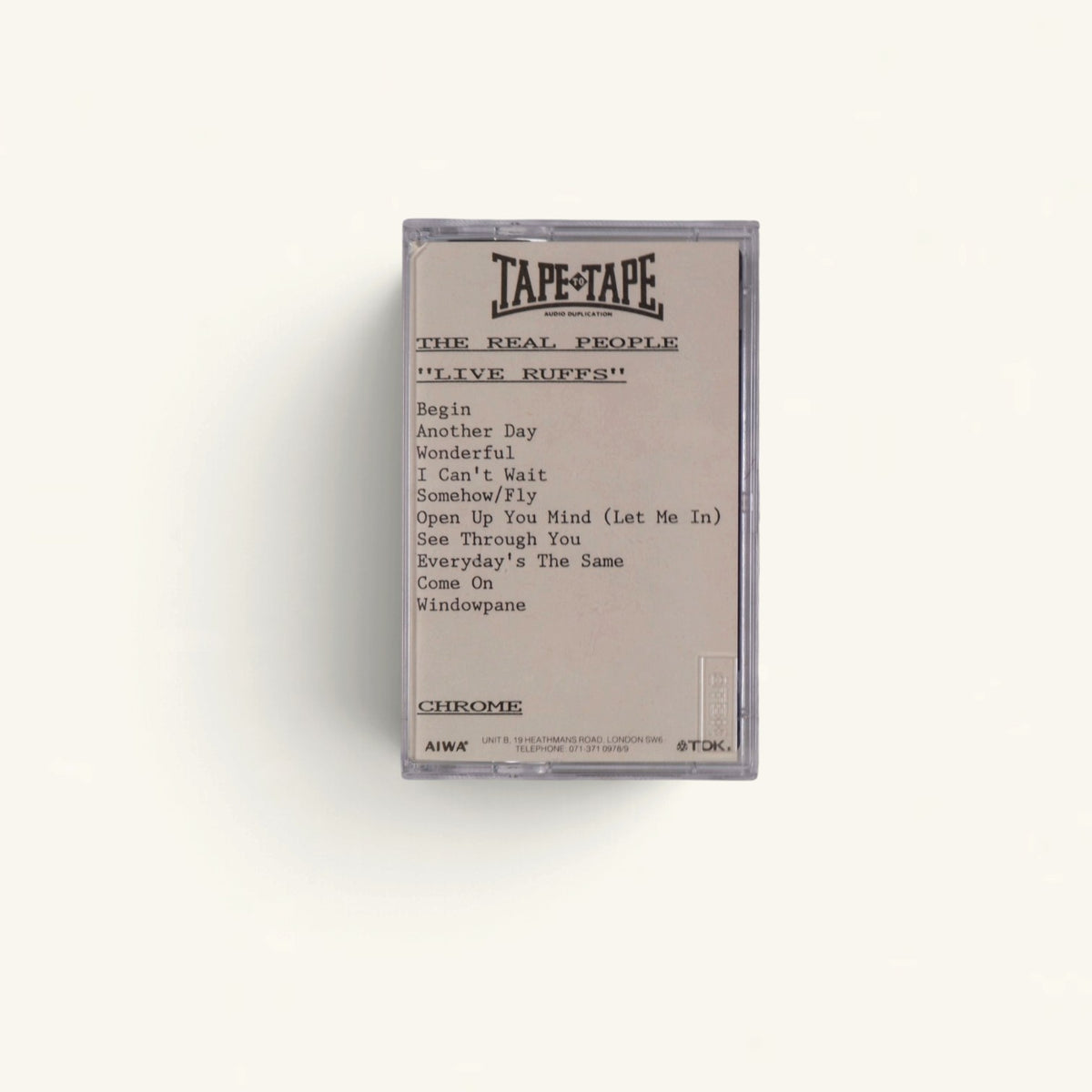
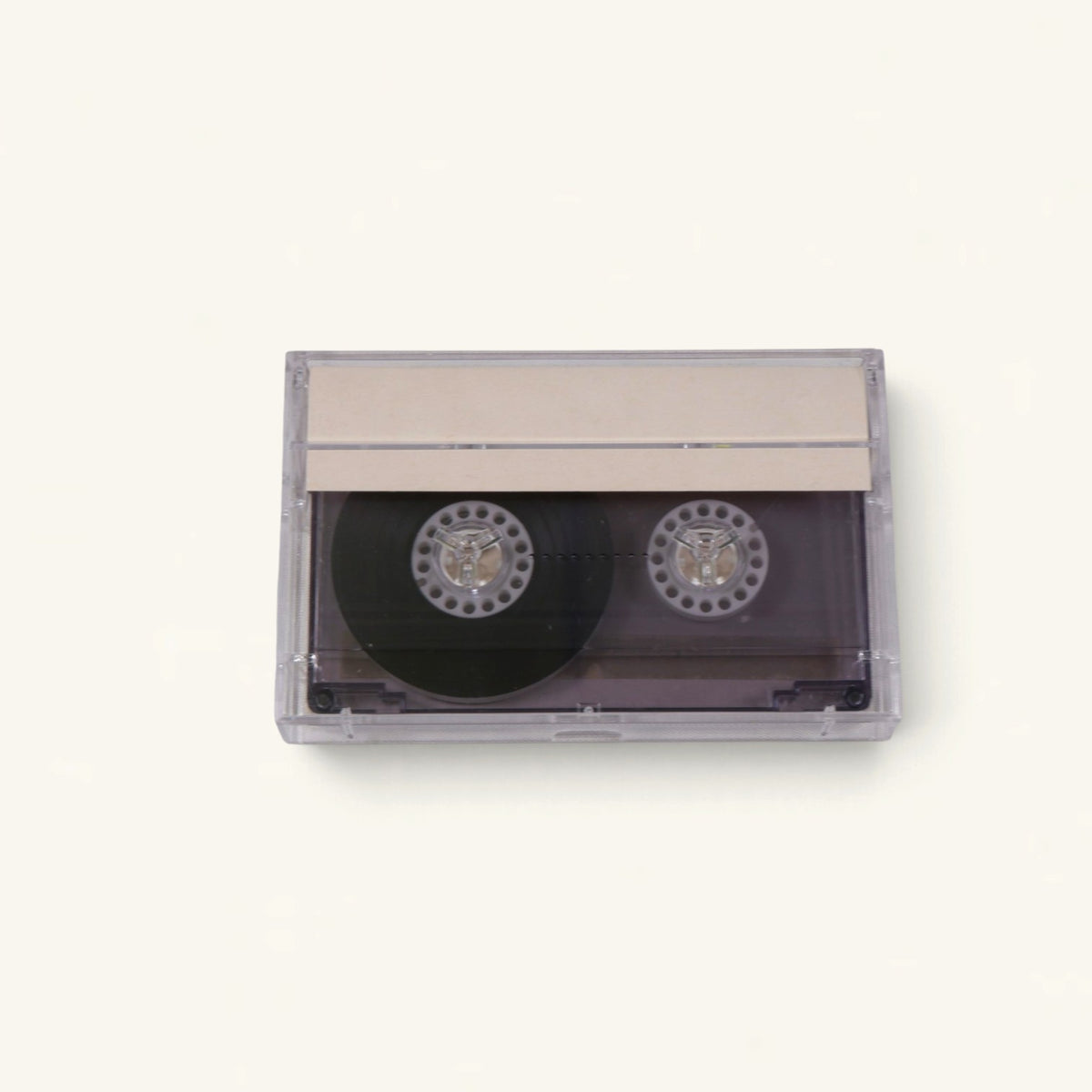
The Real People - ‘Live Ruffs’ Live Recording Cassette (Tape to Tape)
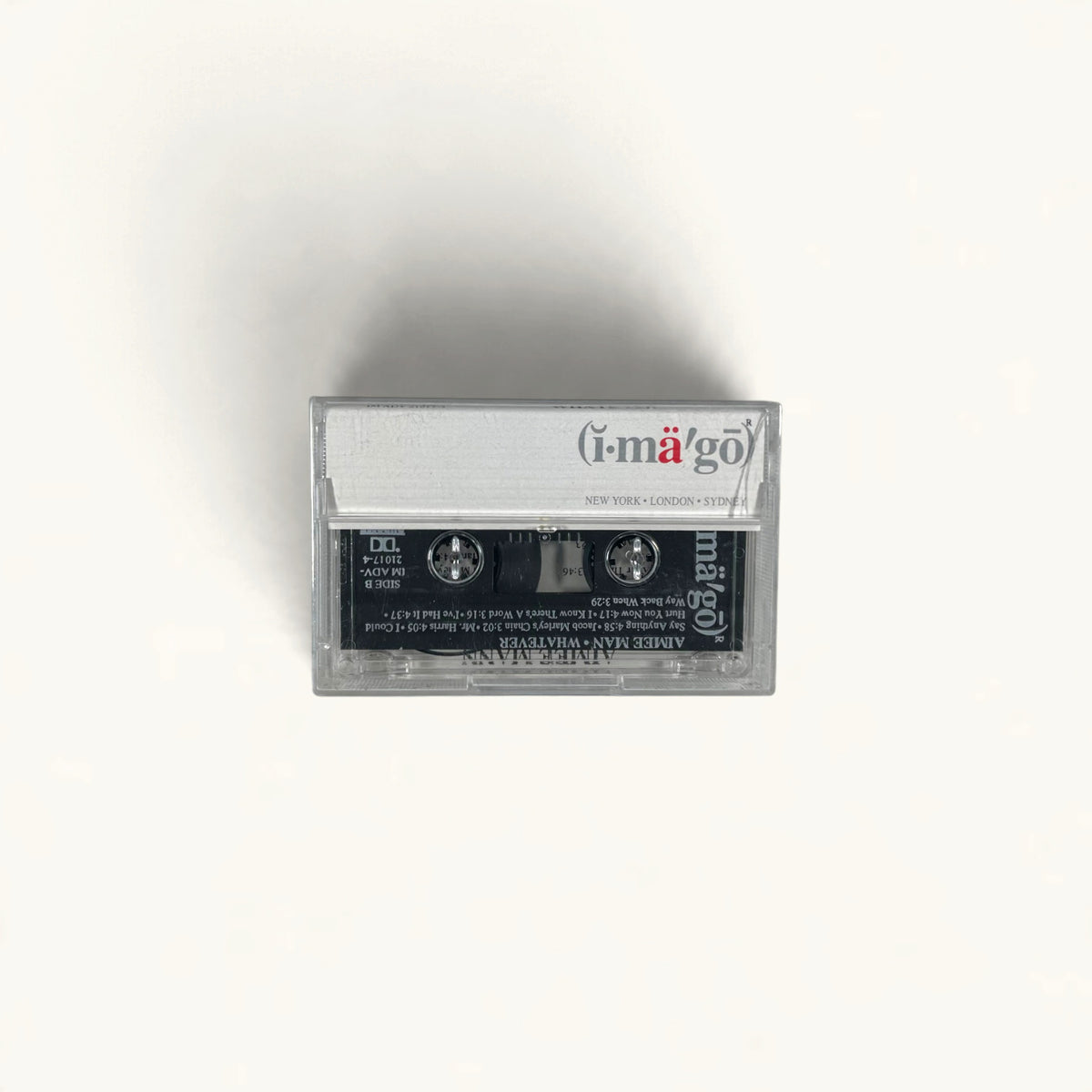
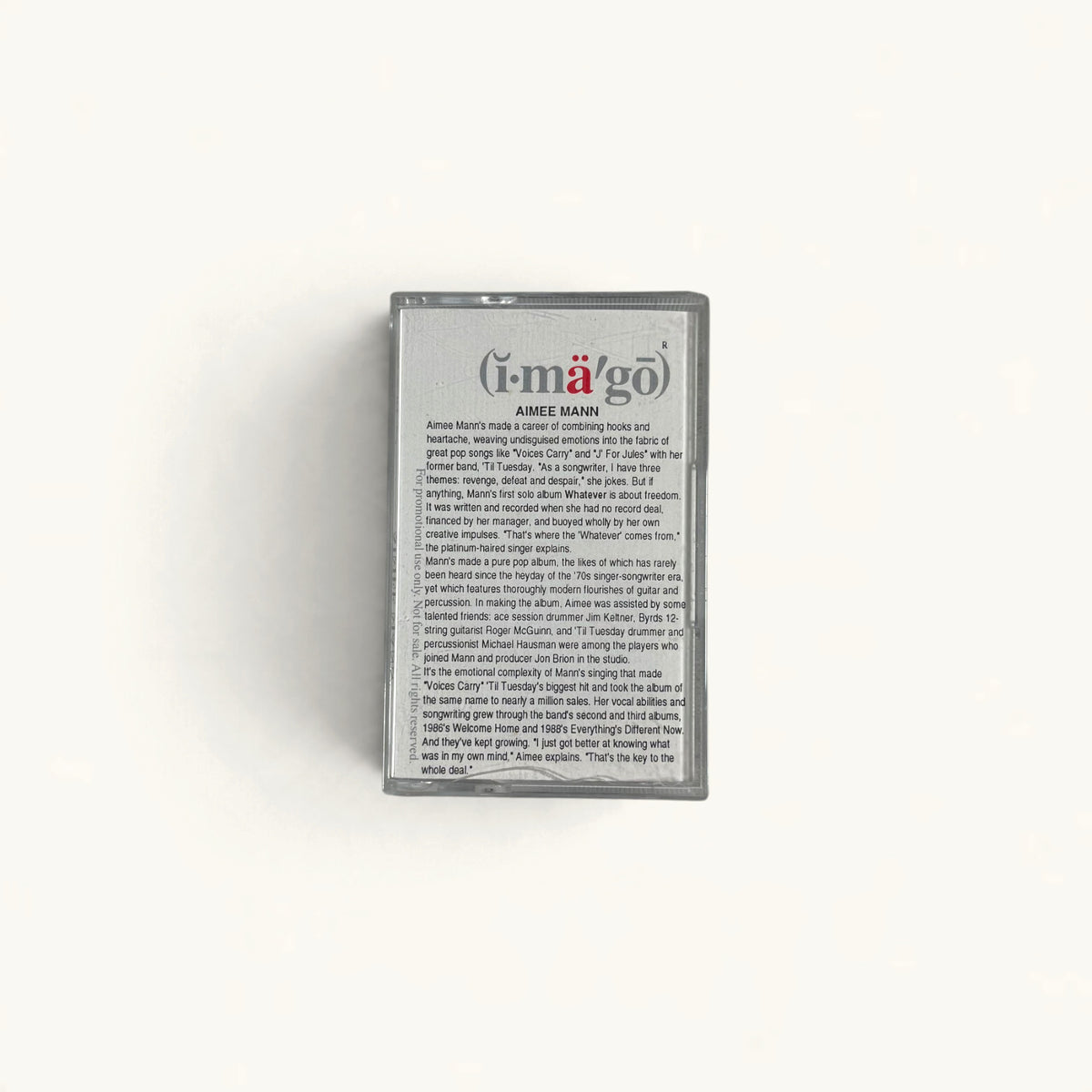
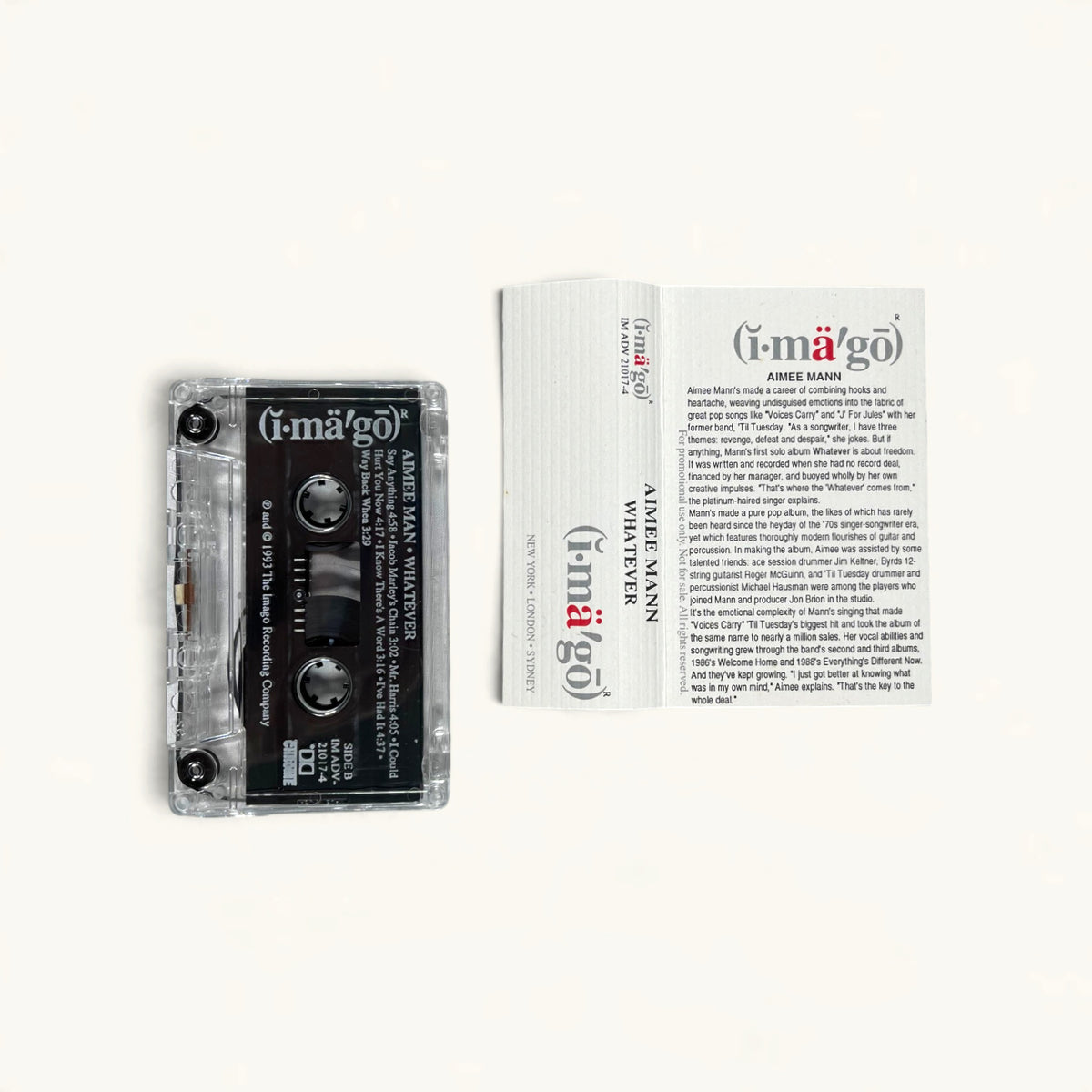
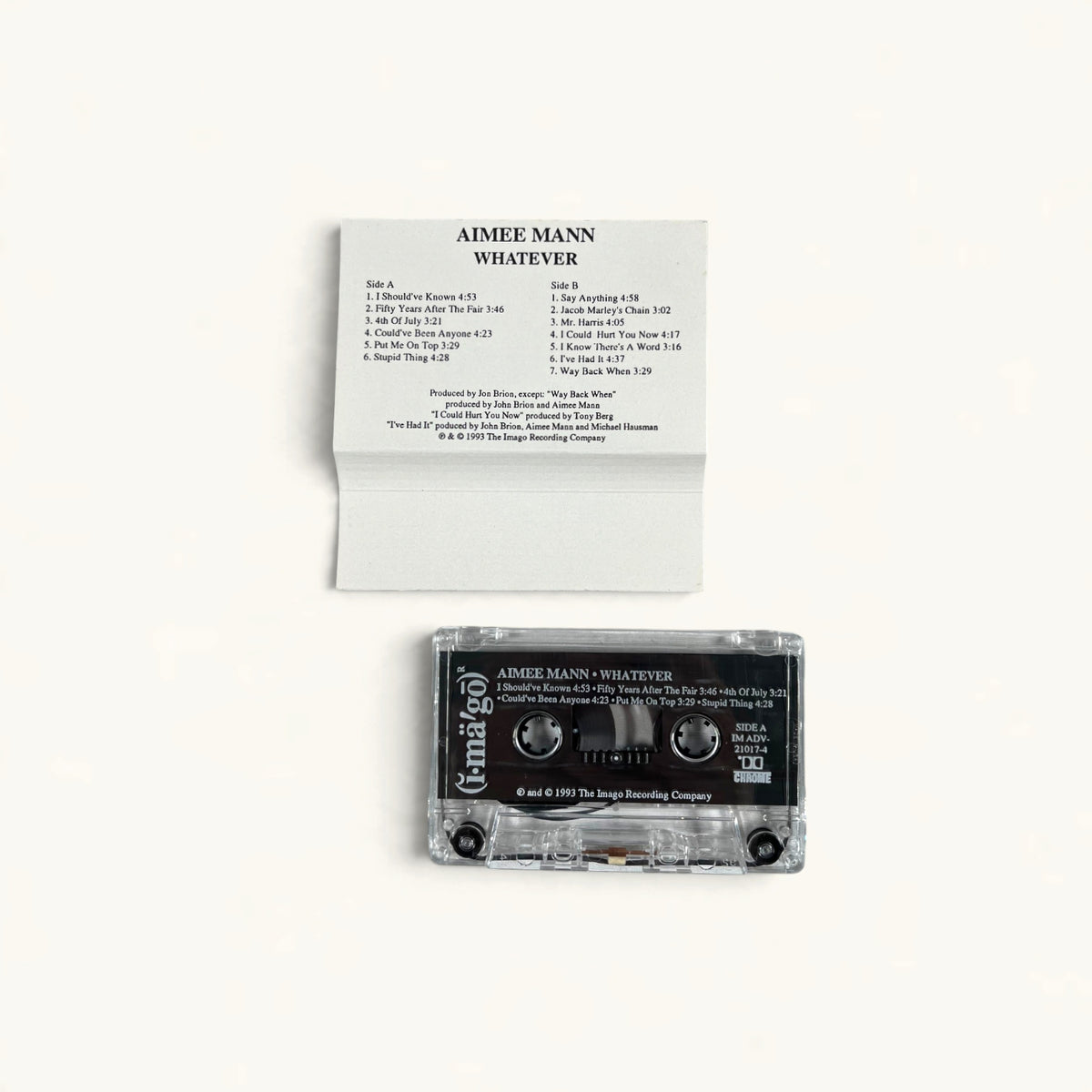
Aimee Mann - ‘Whatever’ Imago Advance Promo Cassette (IM ADV 21017-4)
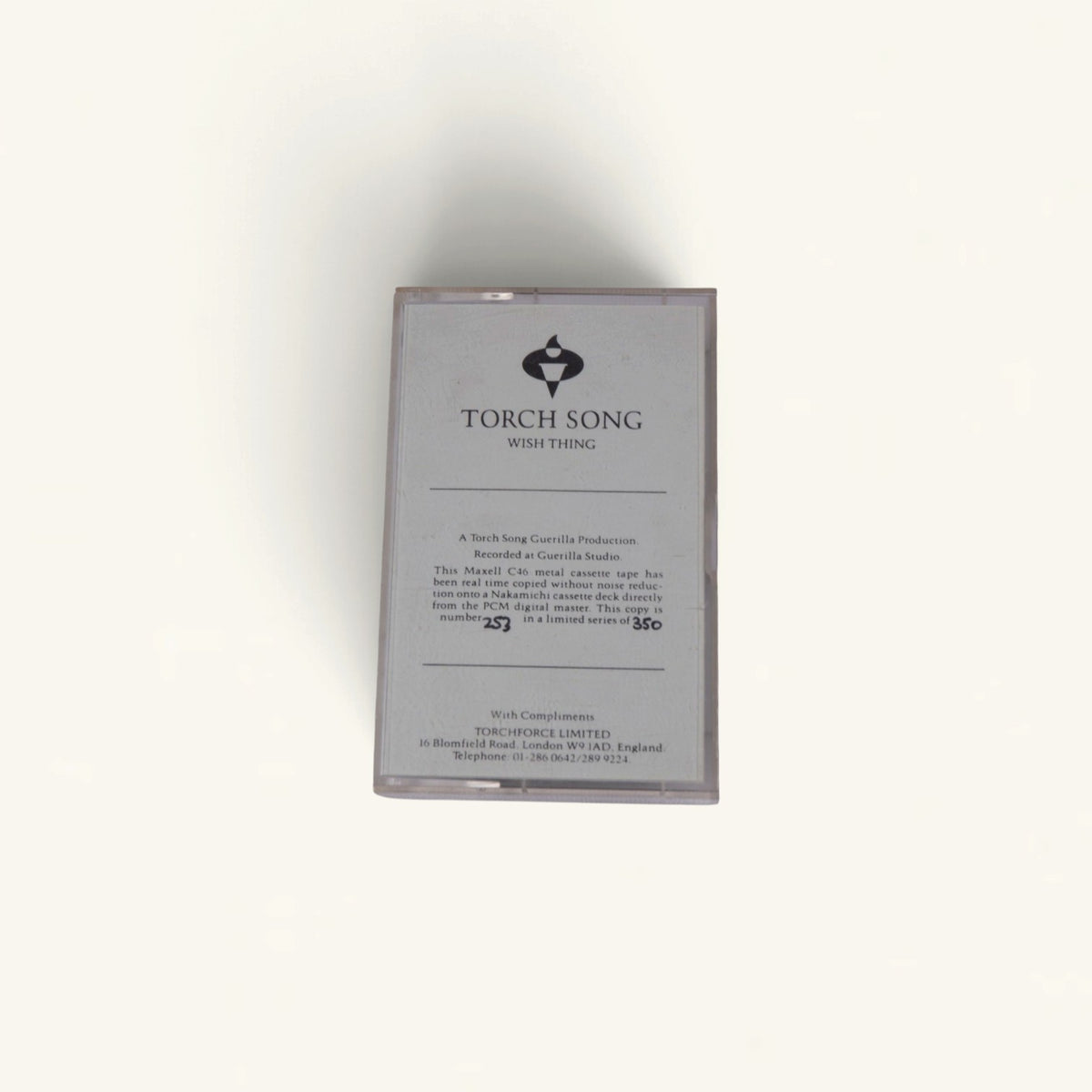
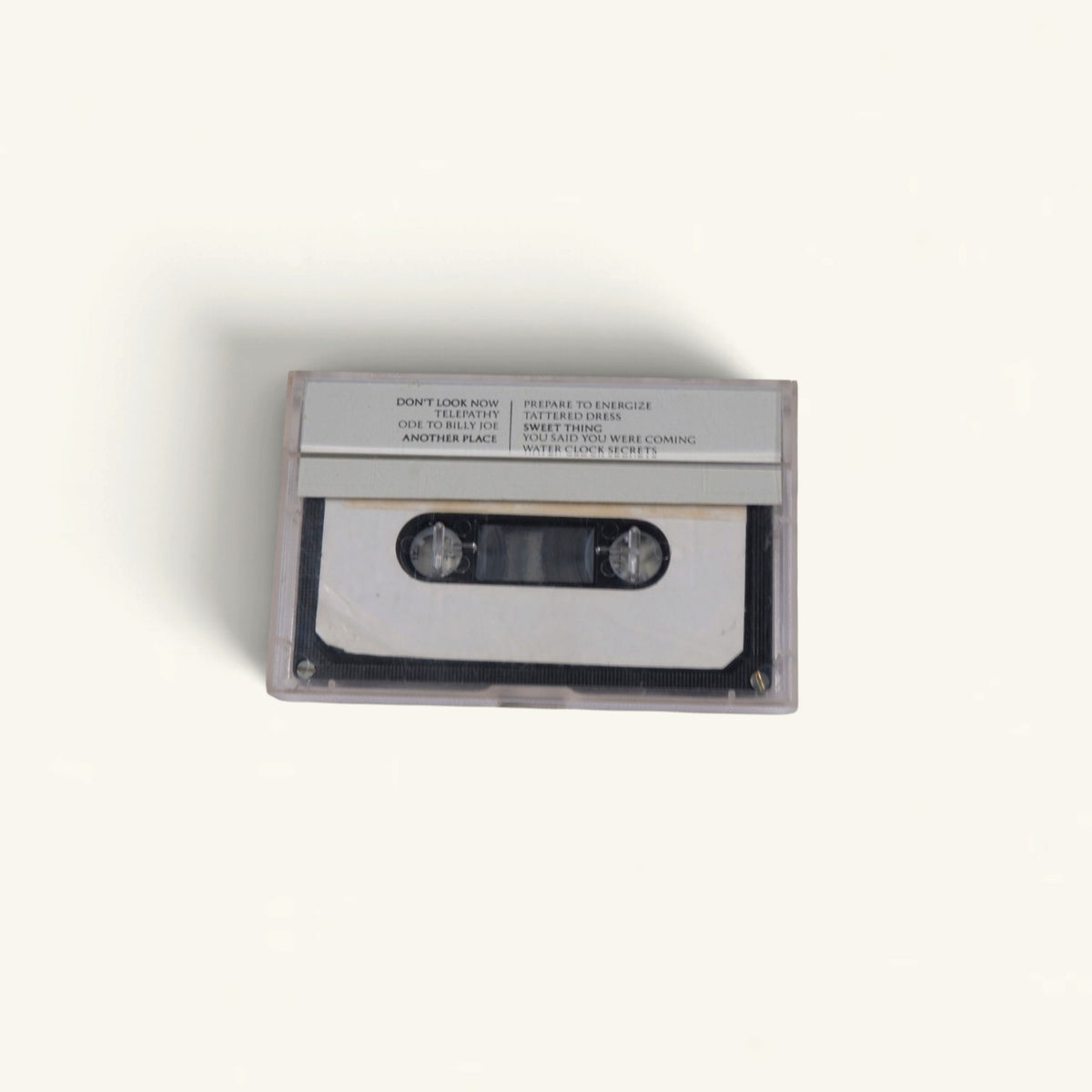
Torch Song - ‘Wish Thing’ Pre-Release Cassette (Numbered 253/350)
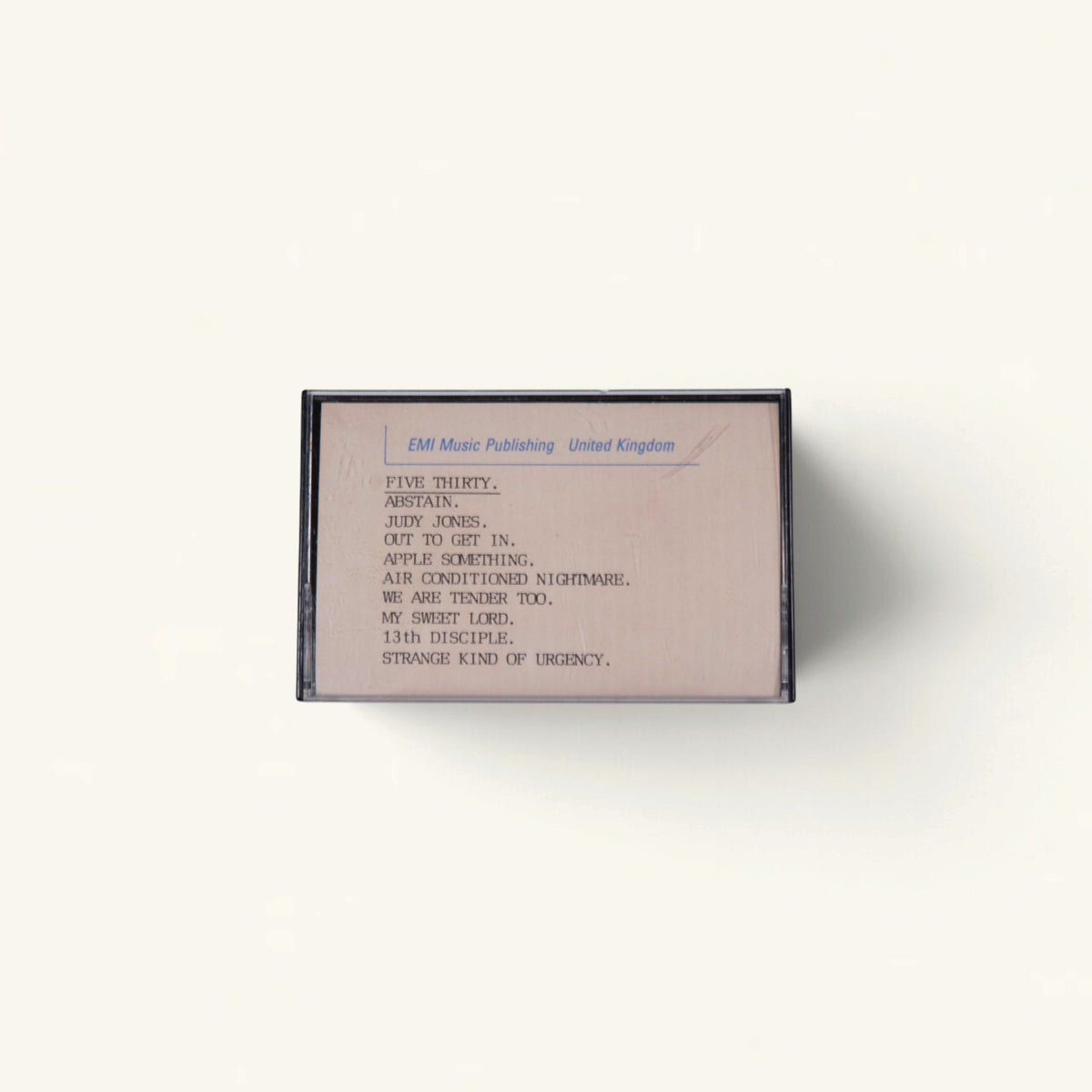
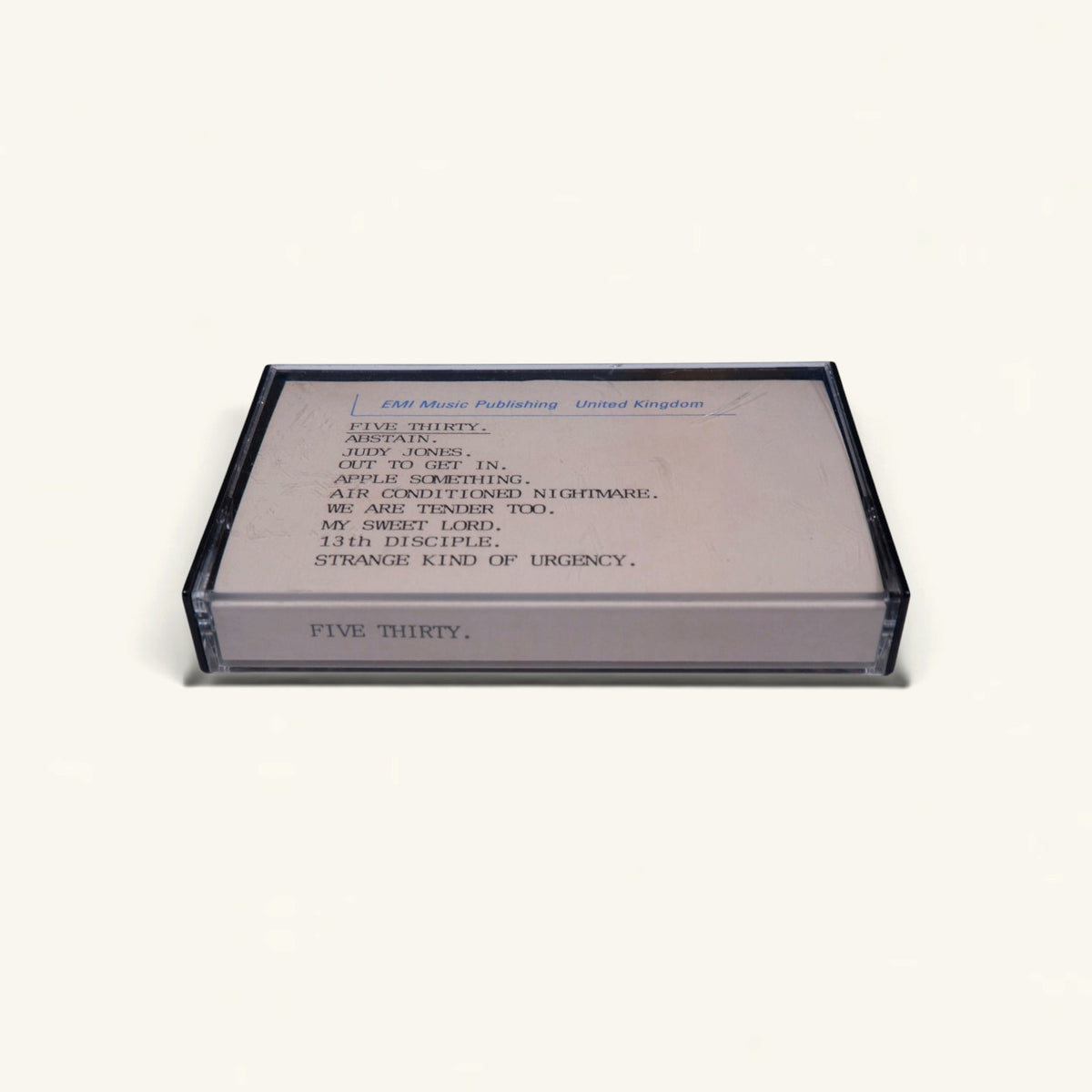
The 5:30 - EMI Music Publishing Industry Cassette
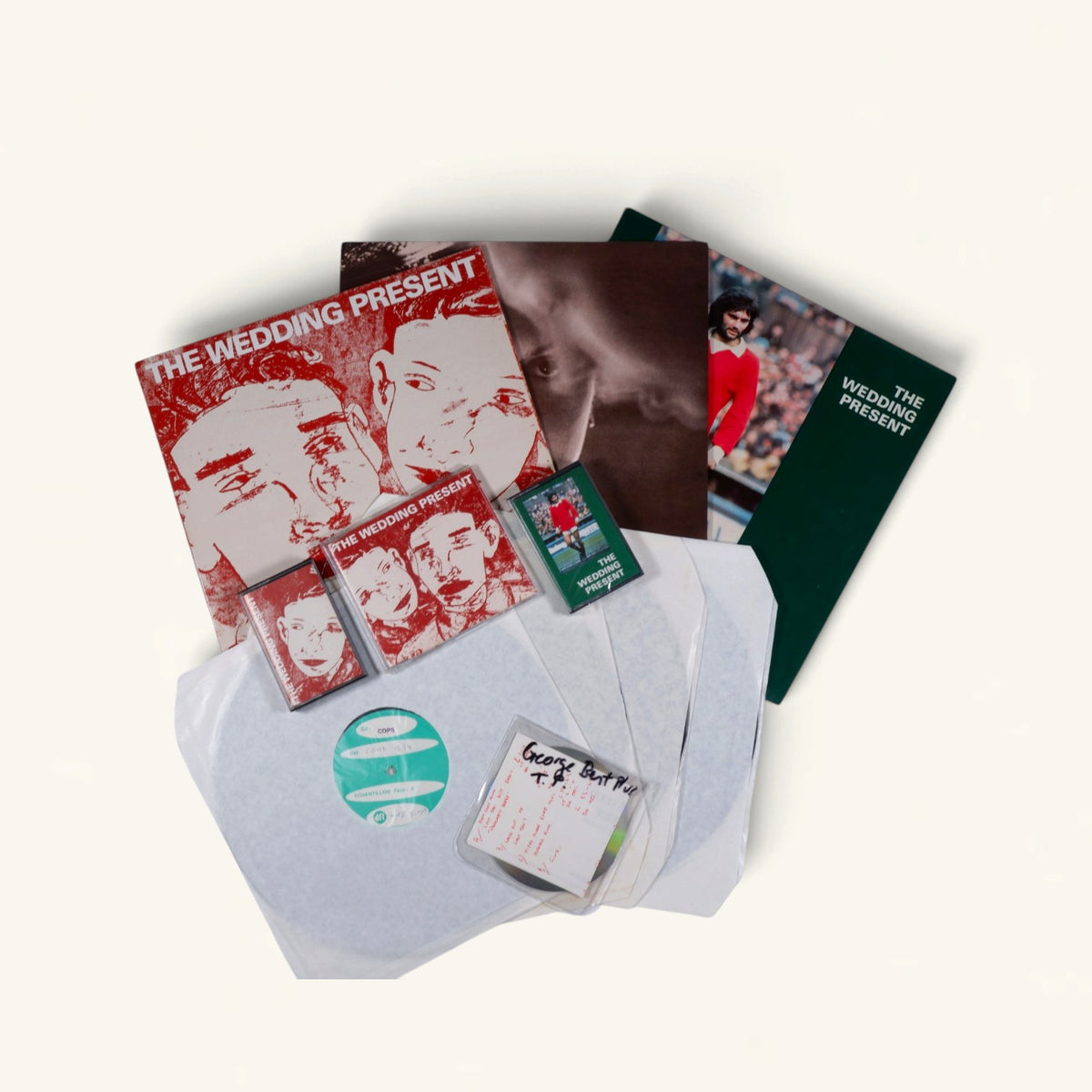
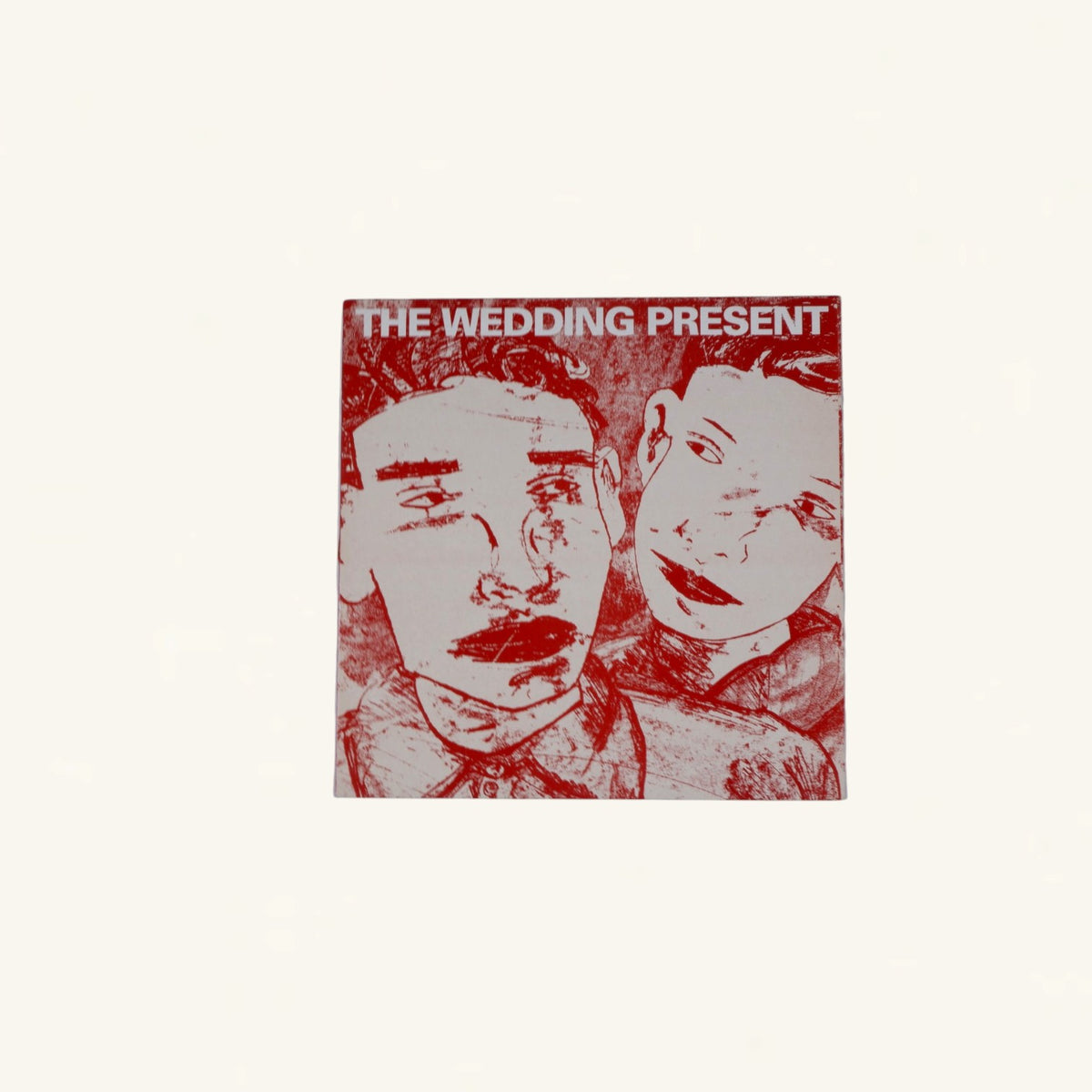
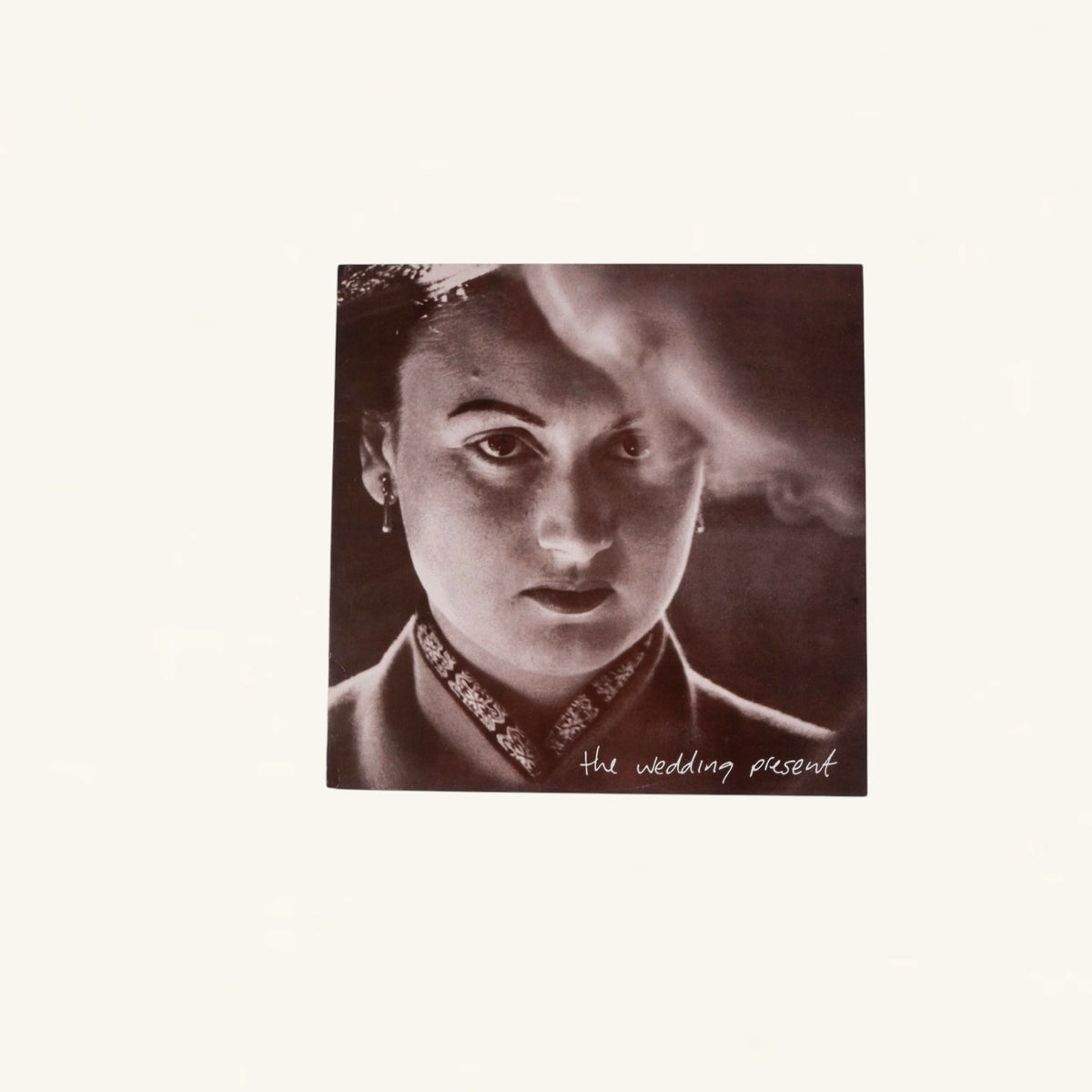
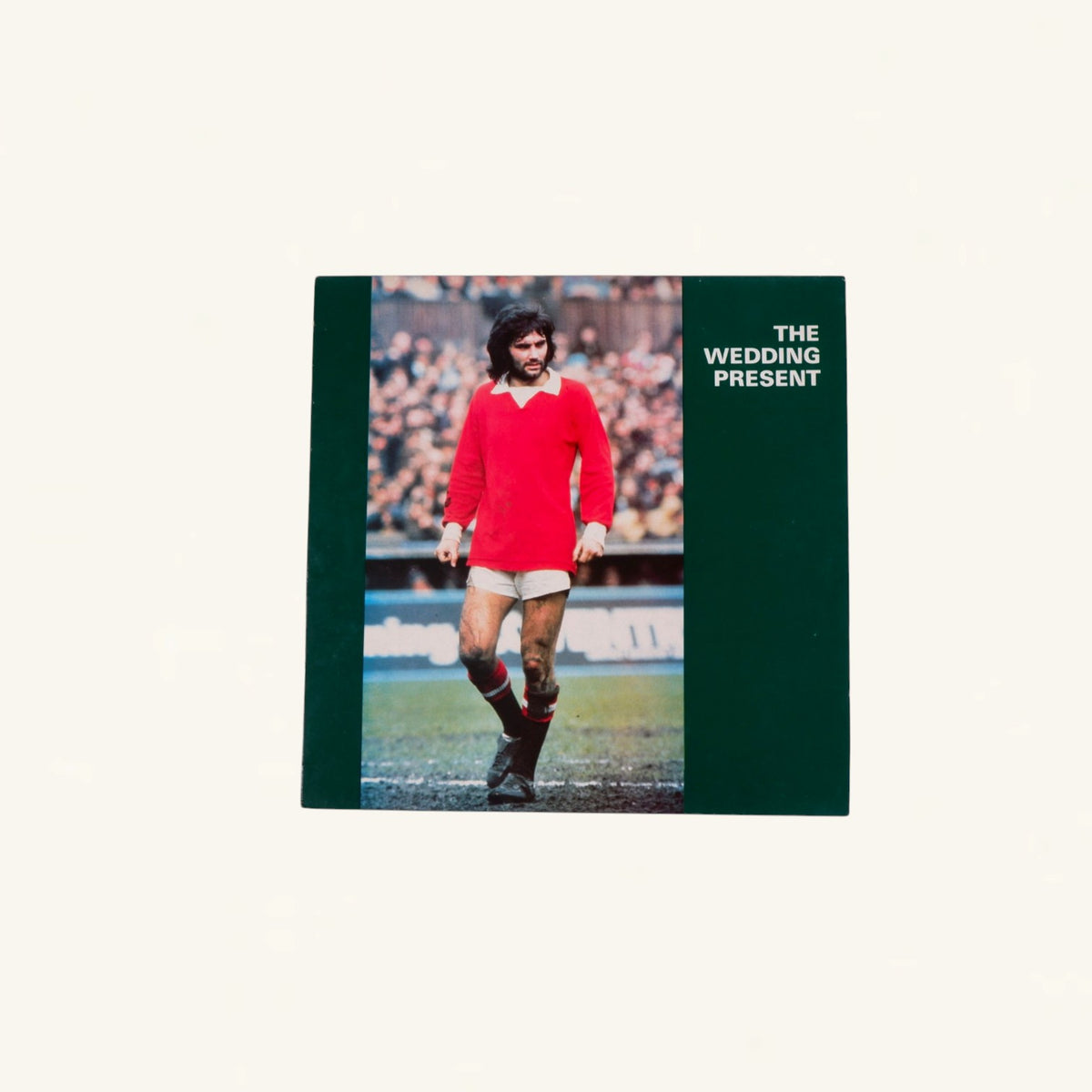
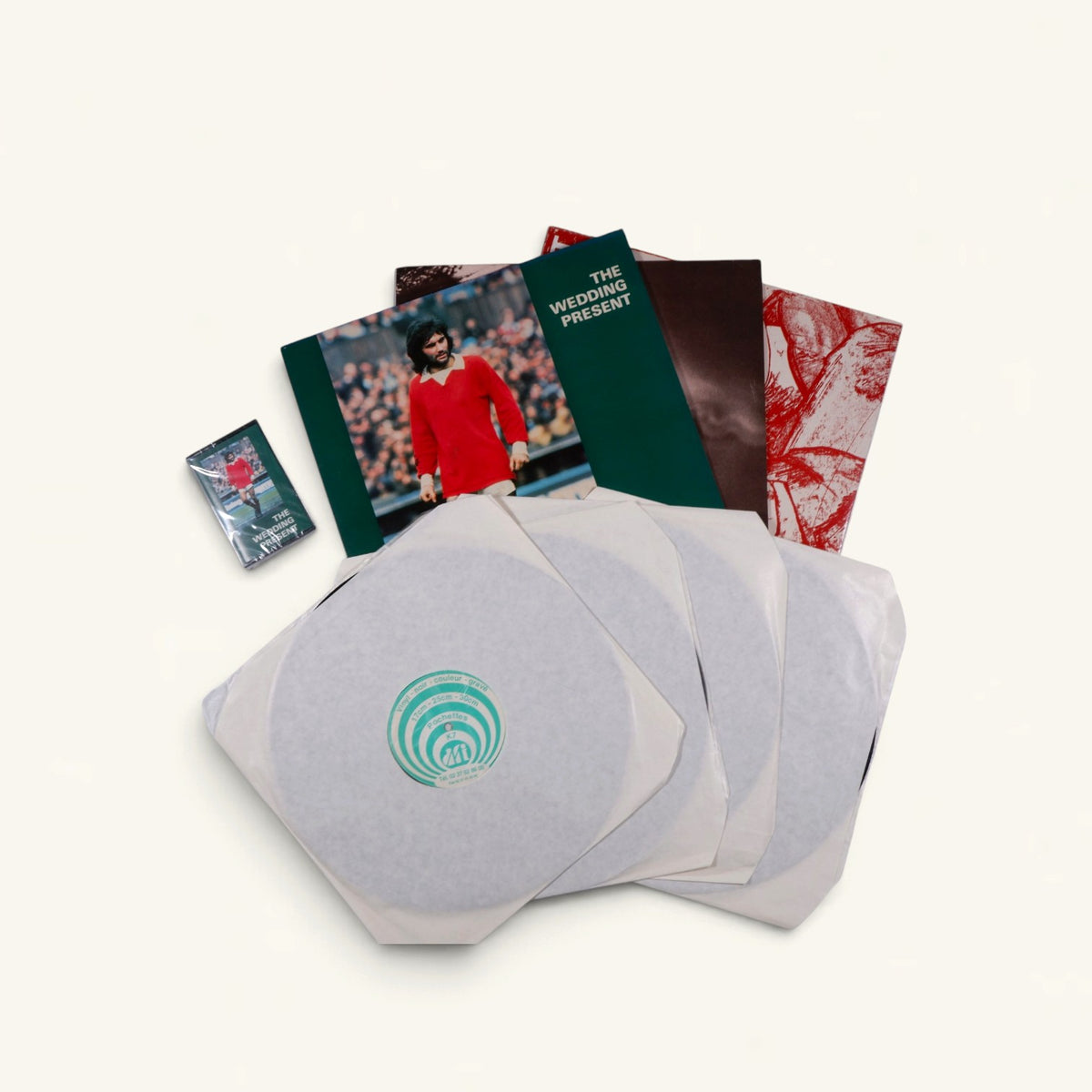
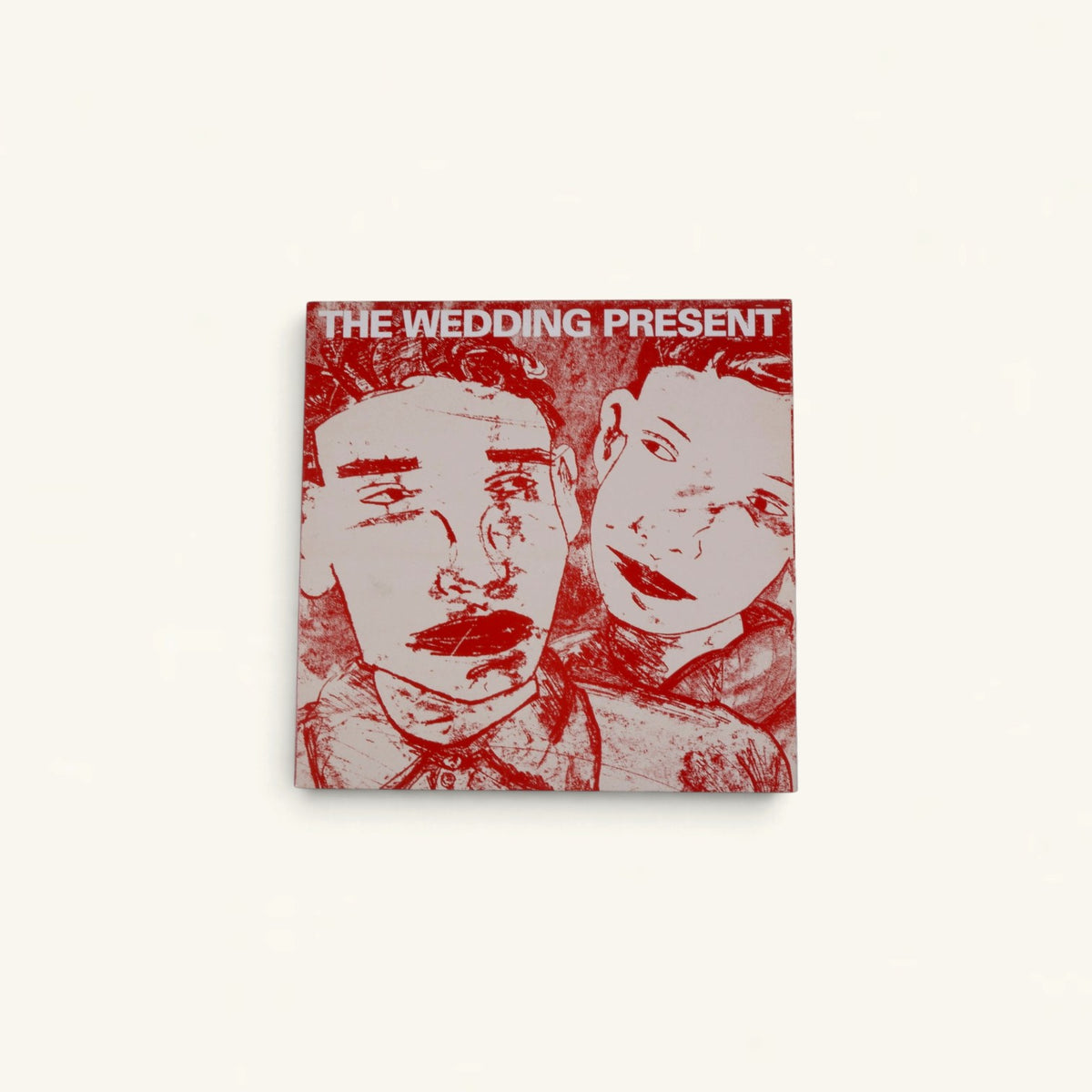
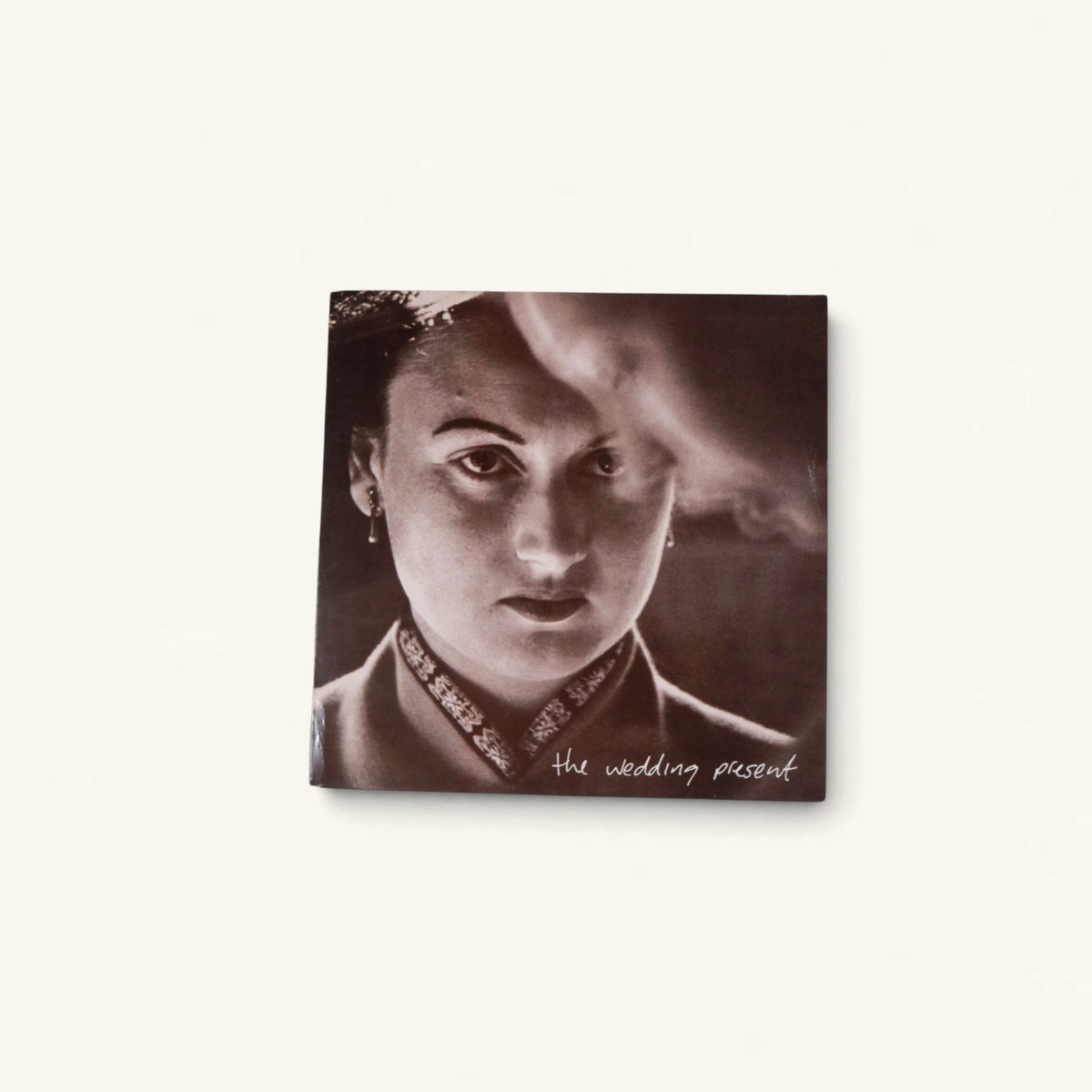
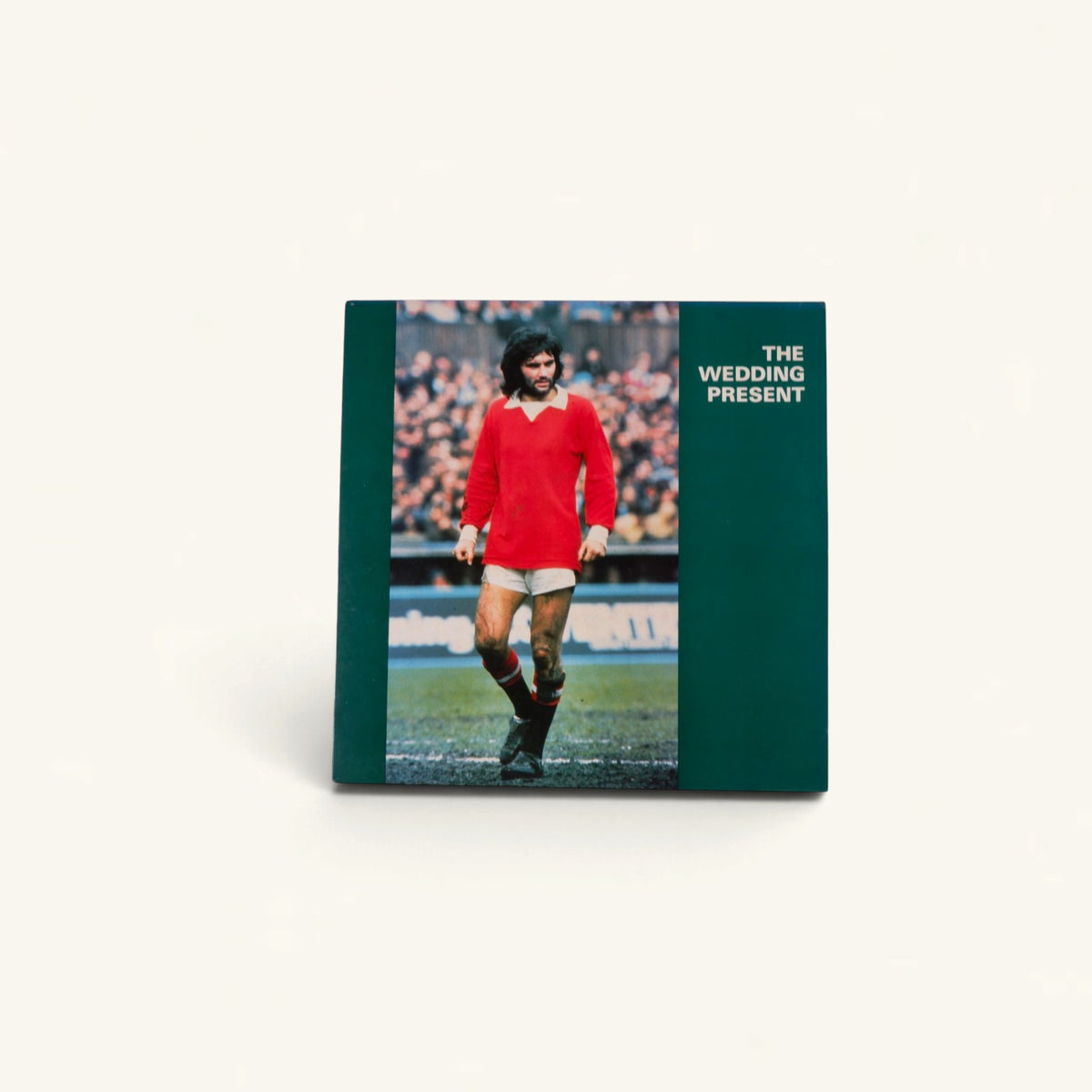
The Wedding Present - George Best Plus Test-Pressing Set + Bonus 12-Inches
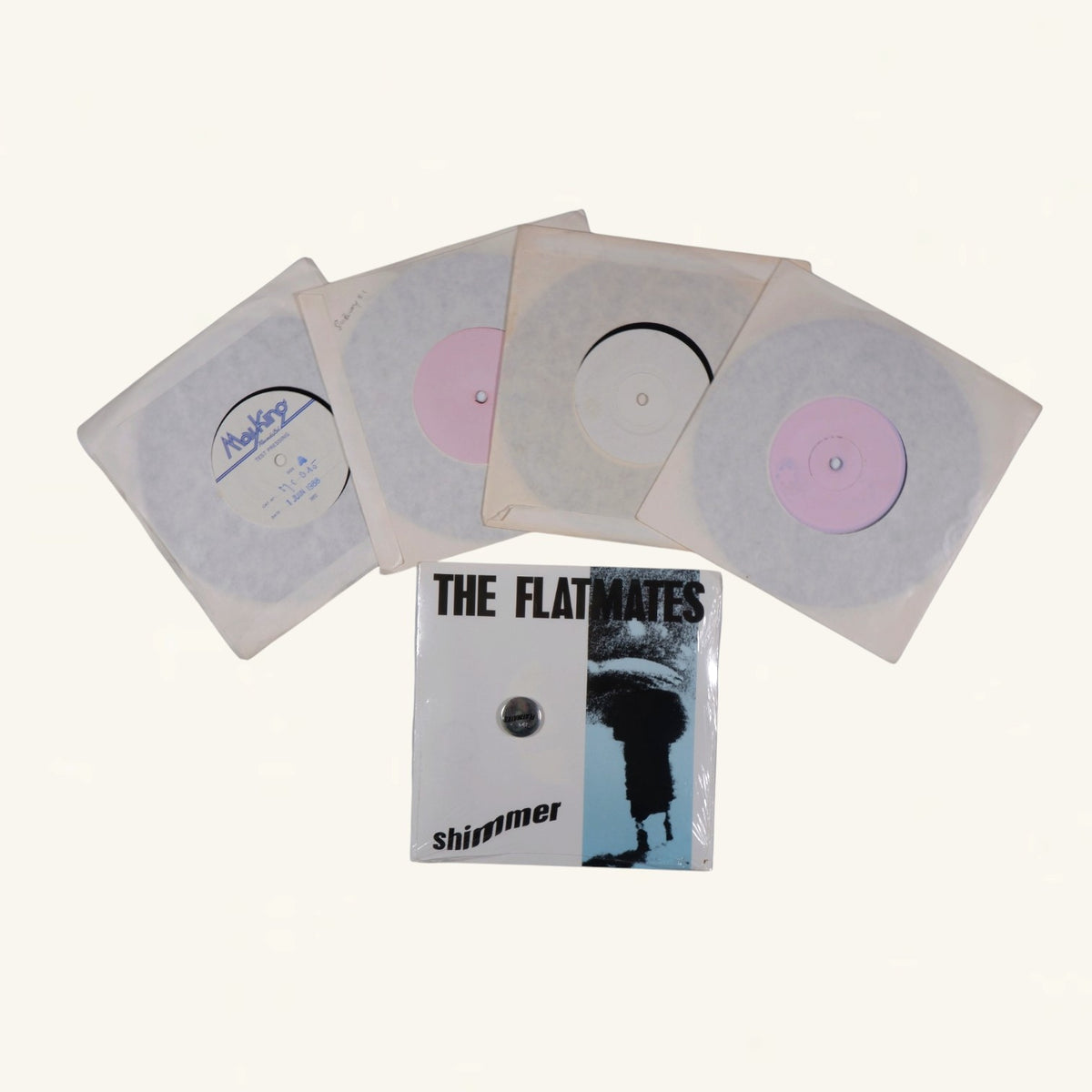
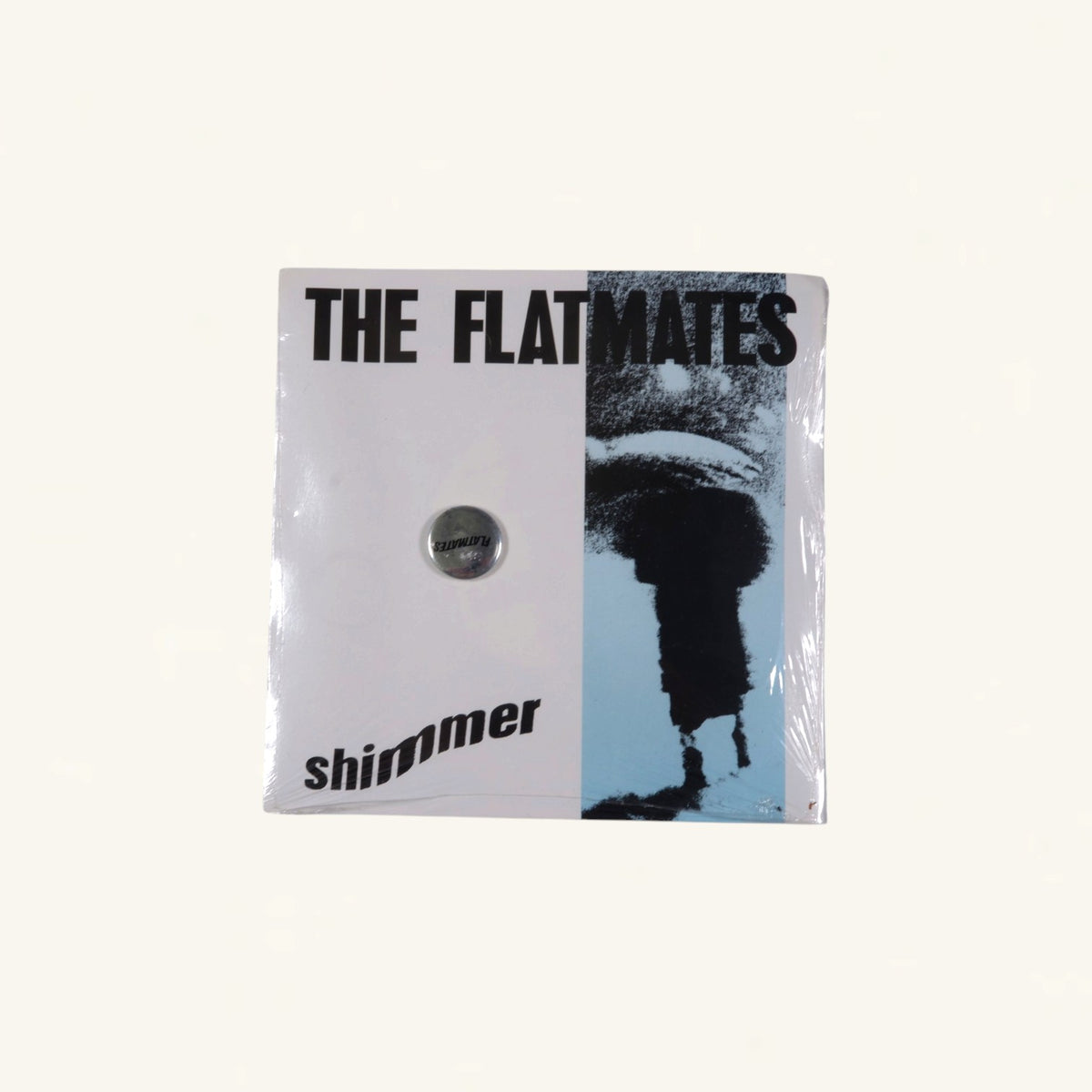
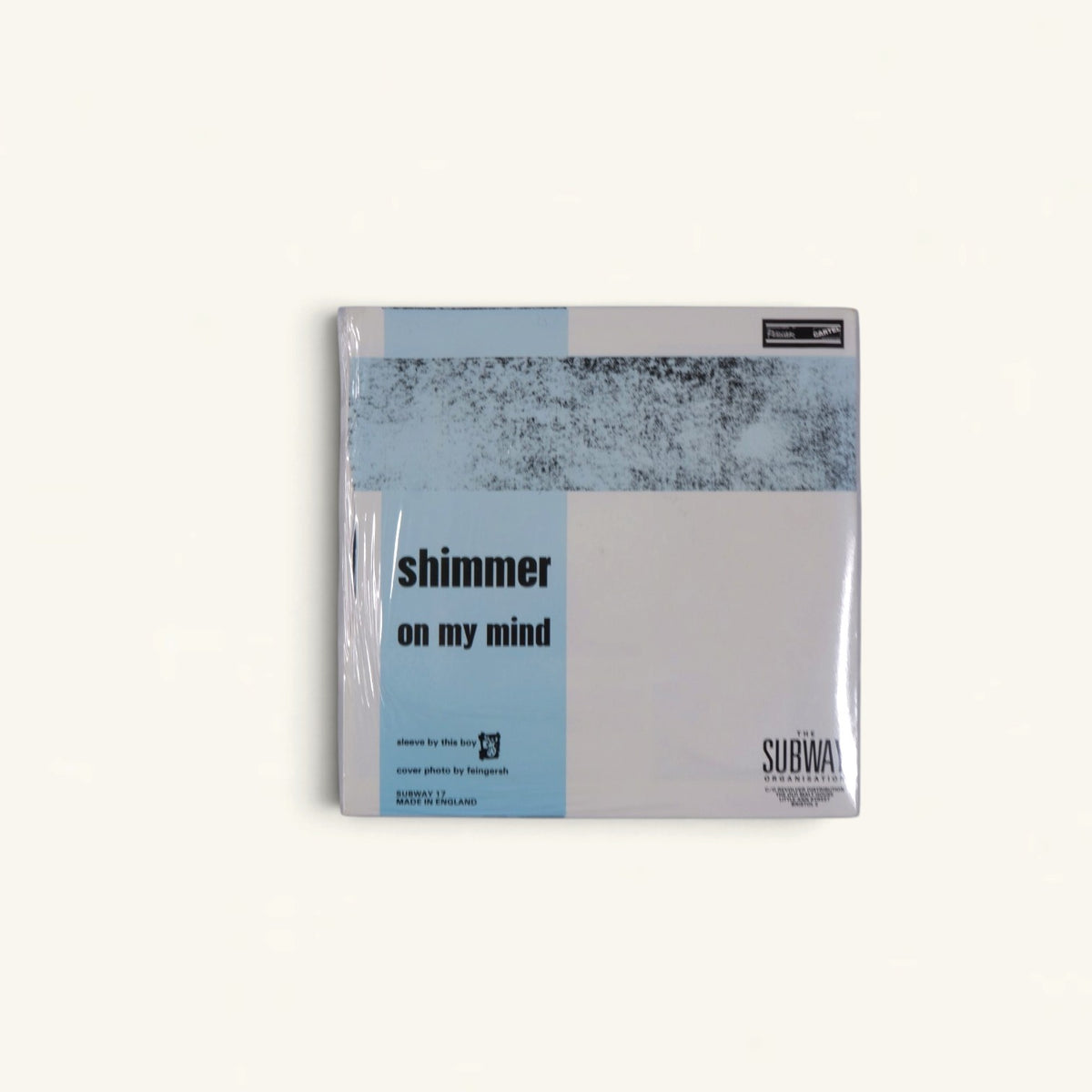
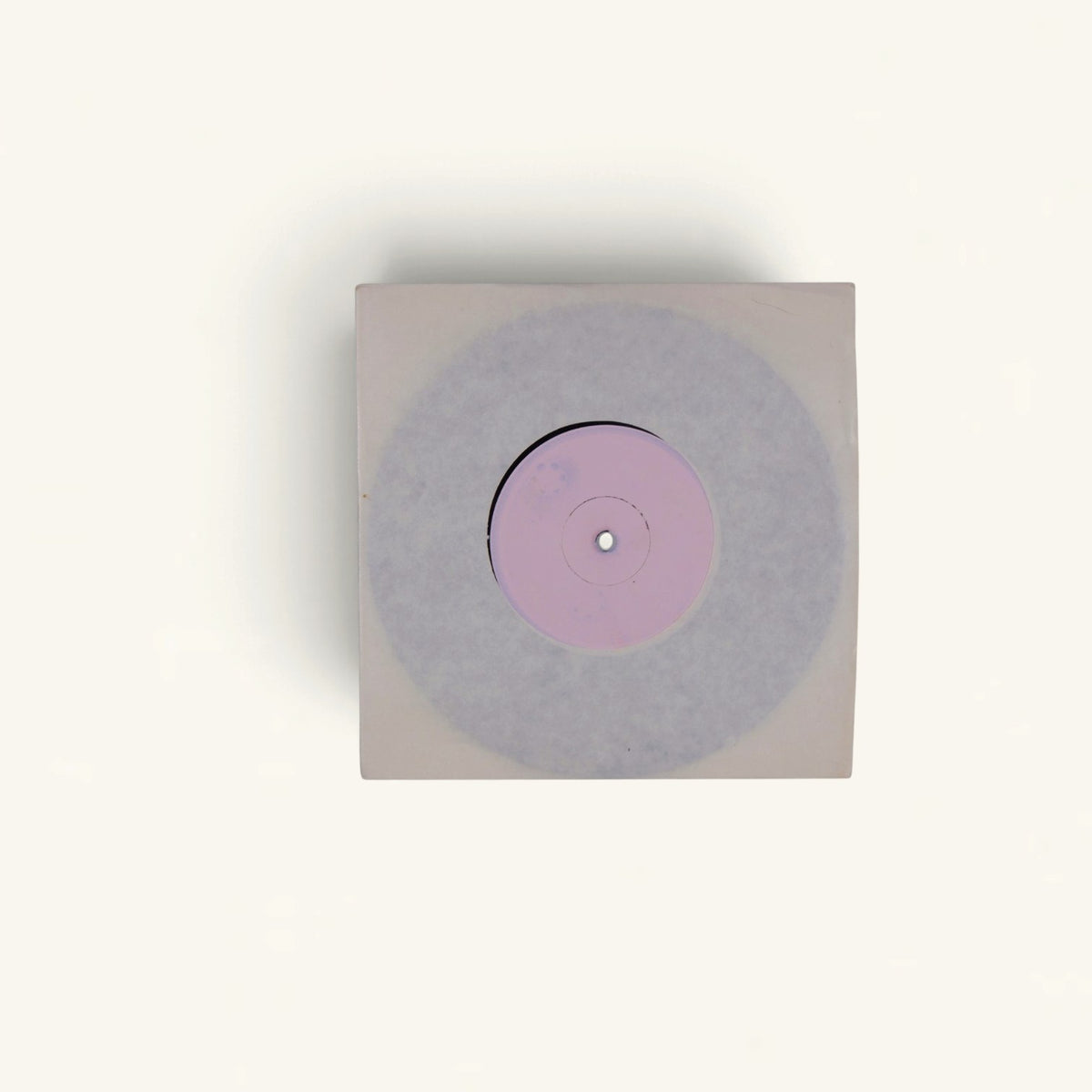
The Flatmates - ‘Heaven Knows’ 7-Inch Test Pressings x4 + Sealed ‘Shimmer’ 7-Inch
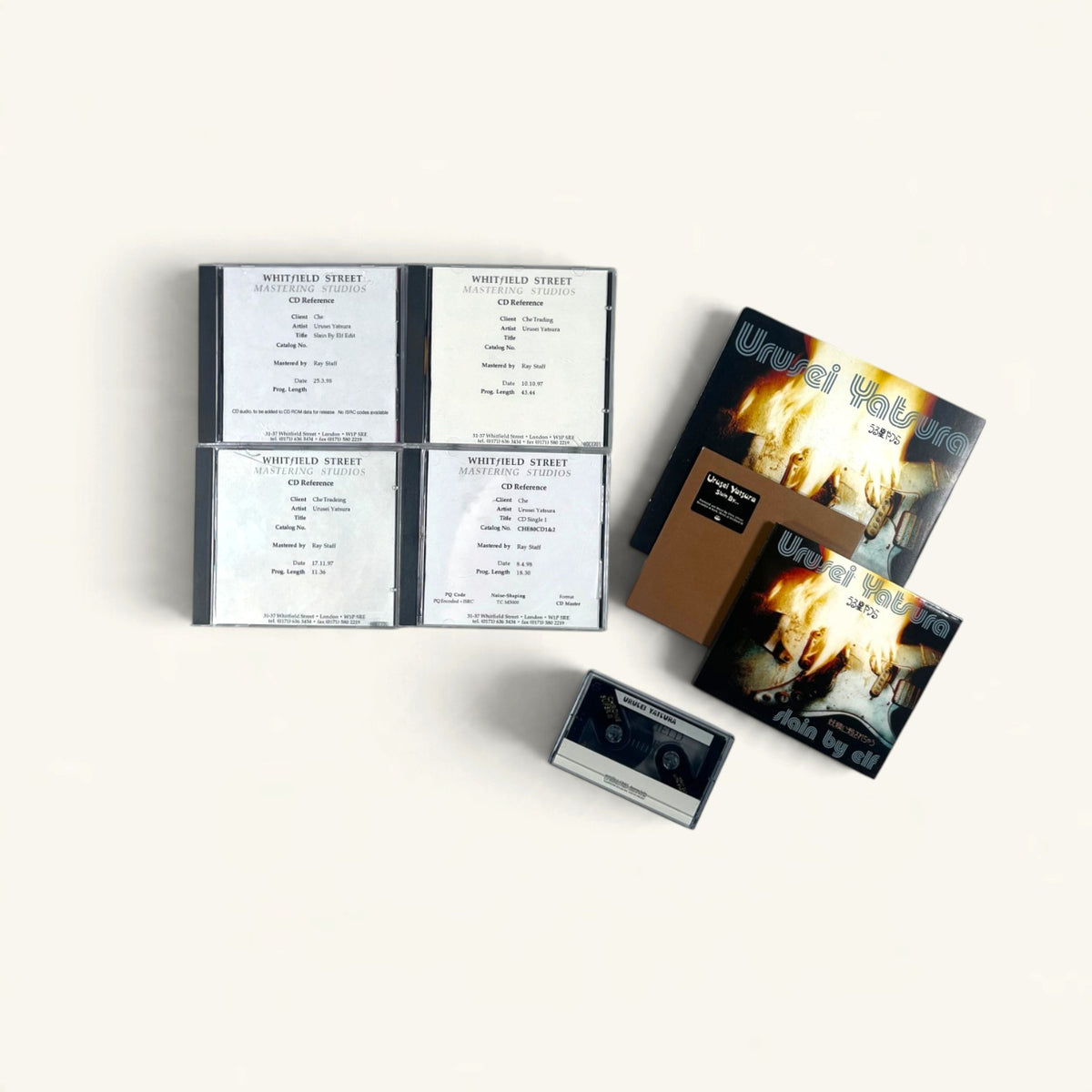
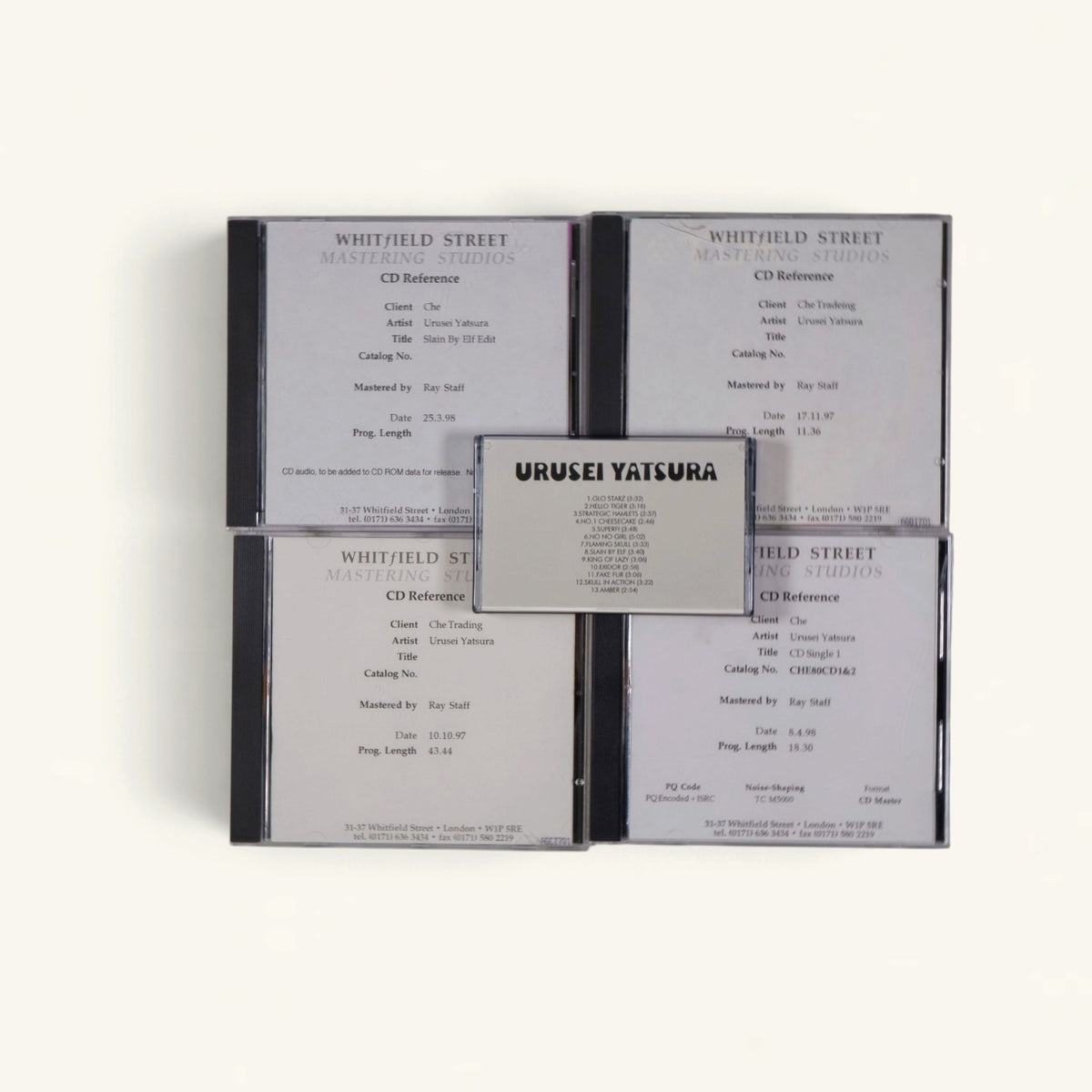
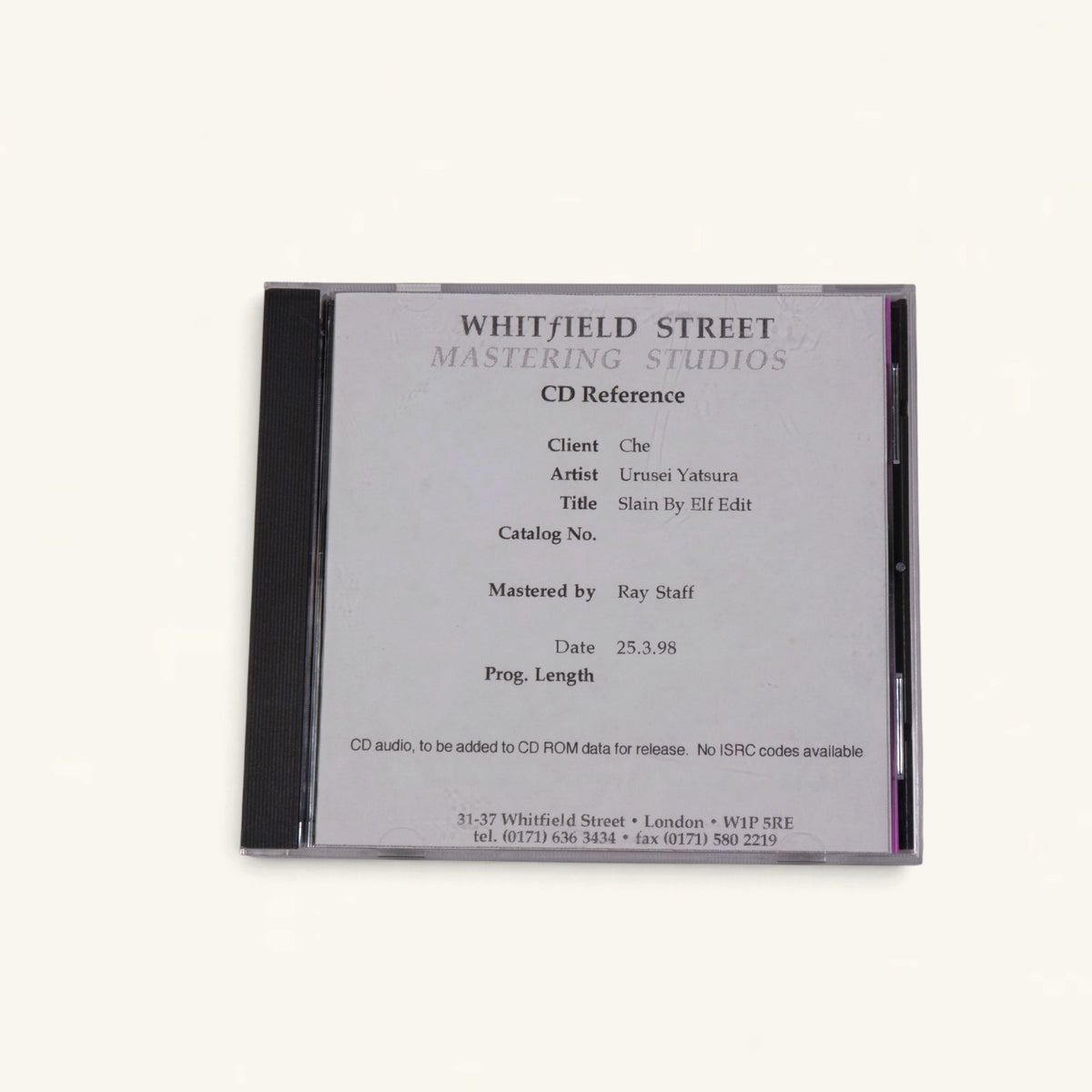

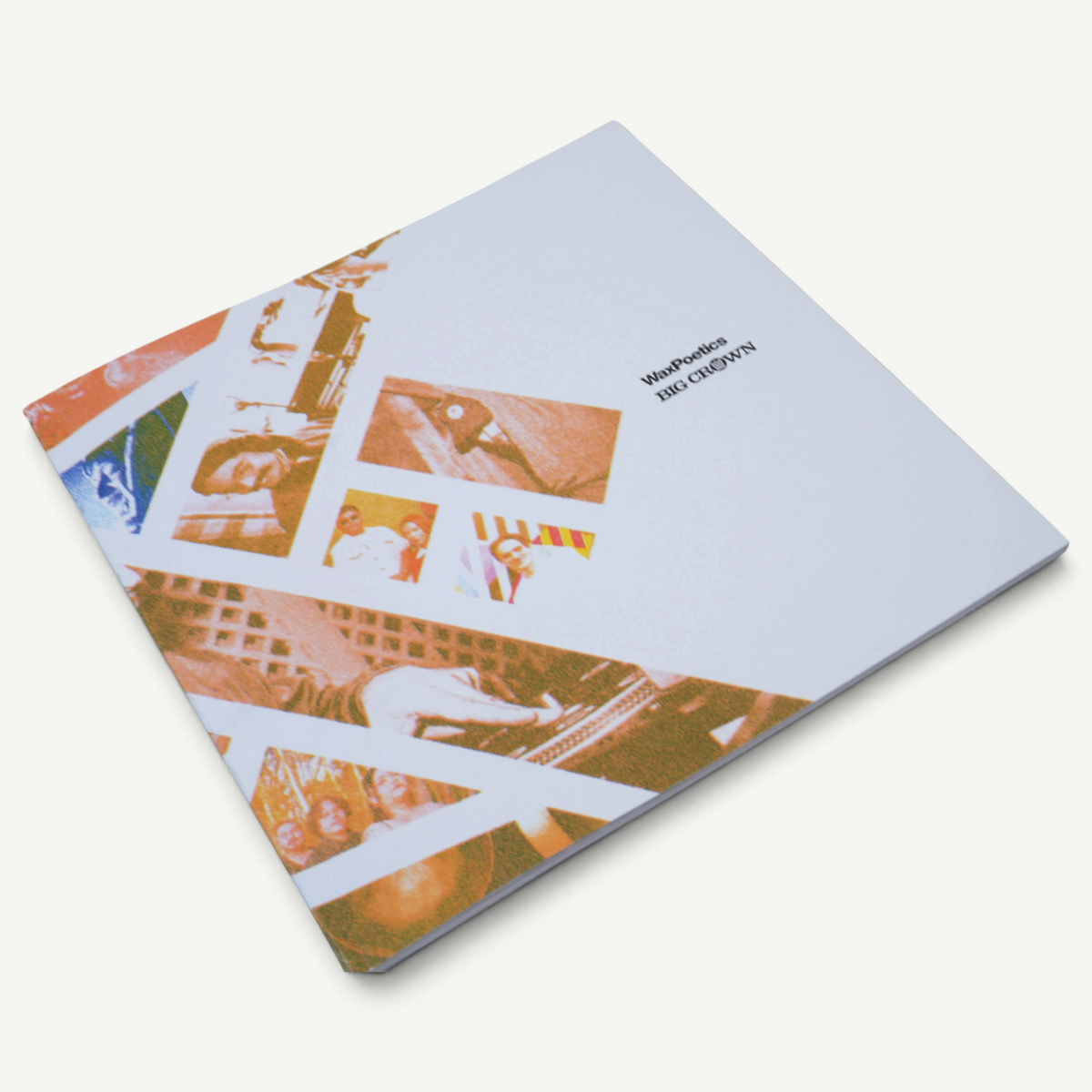
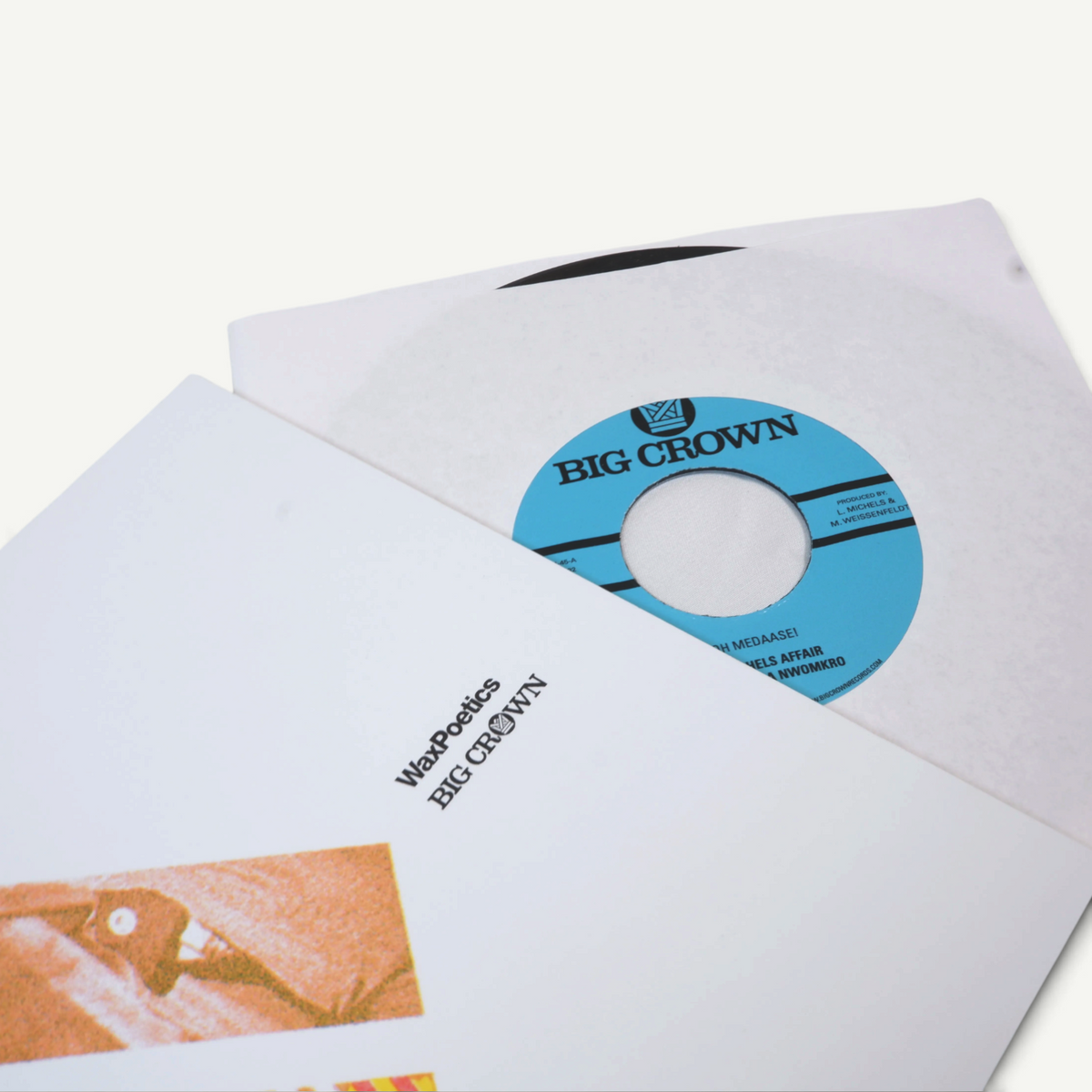
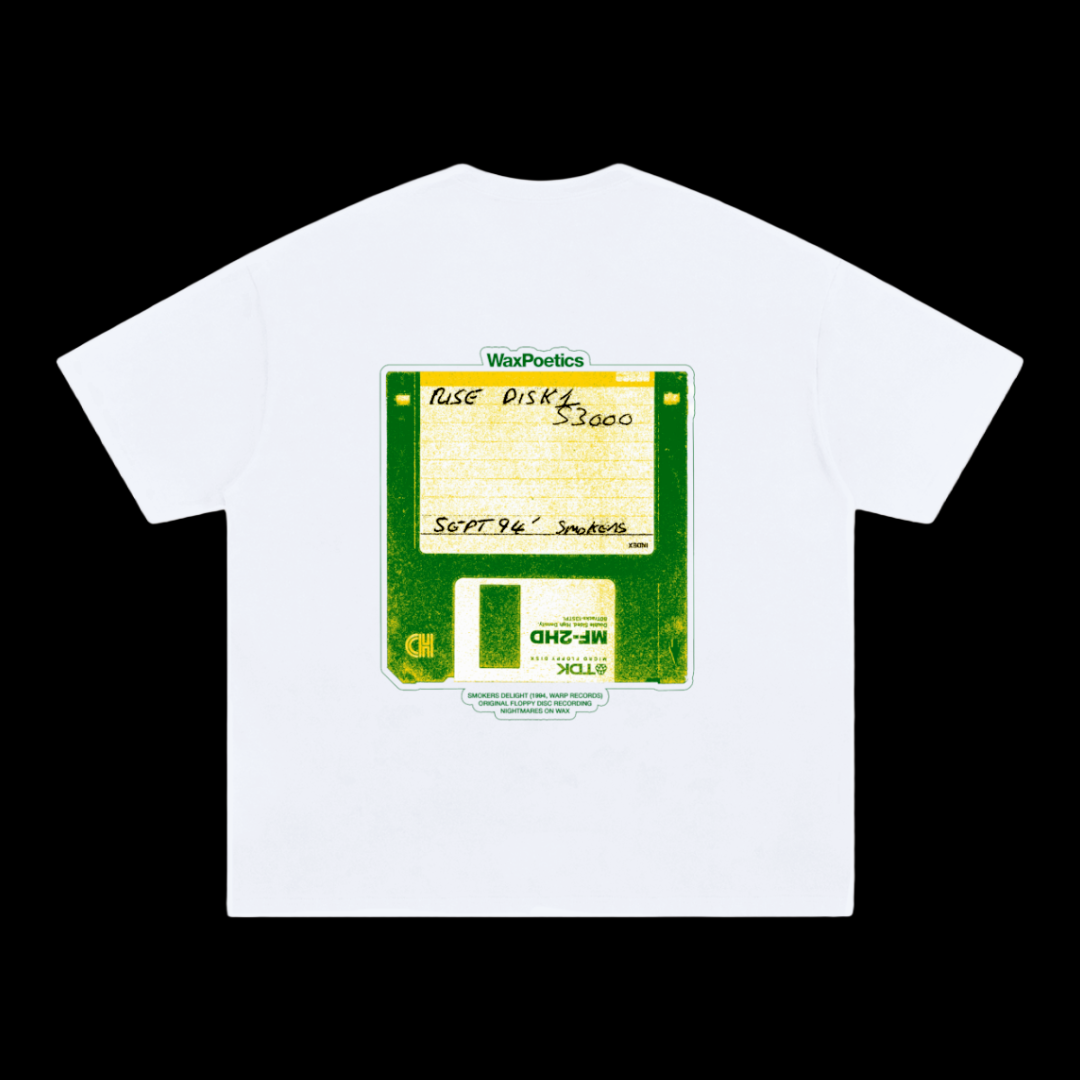


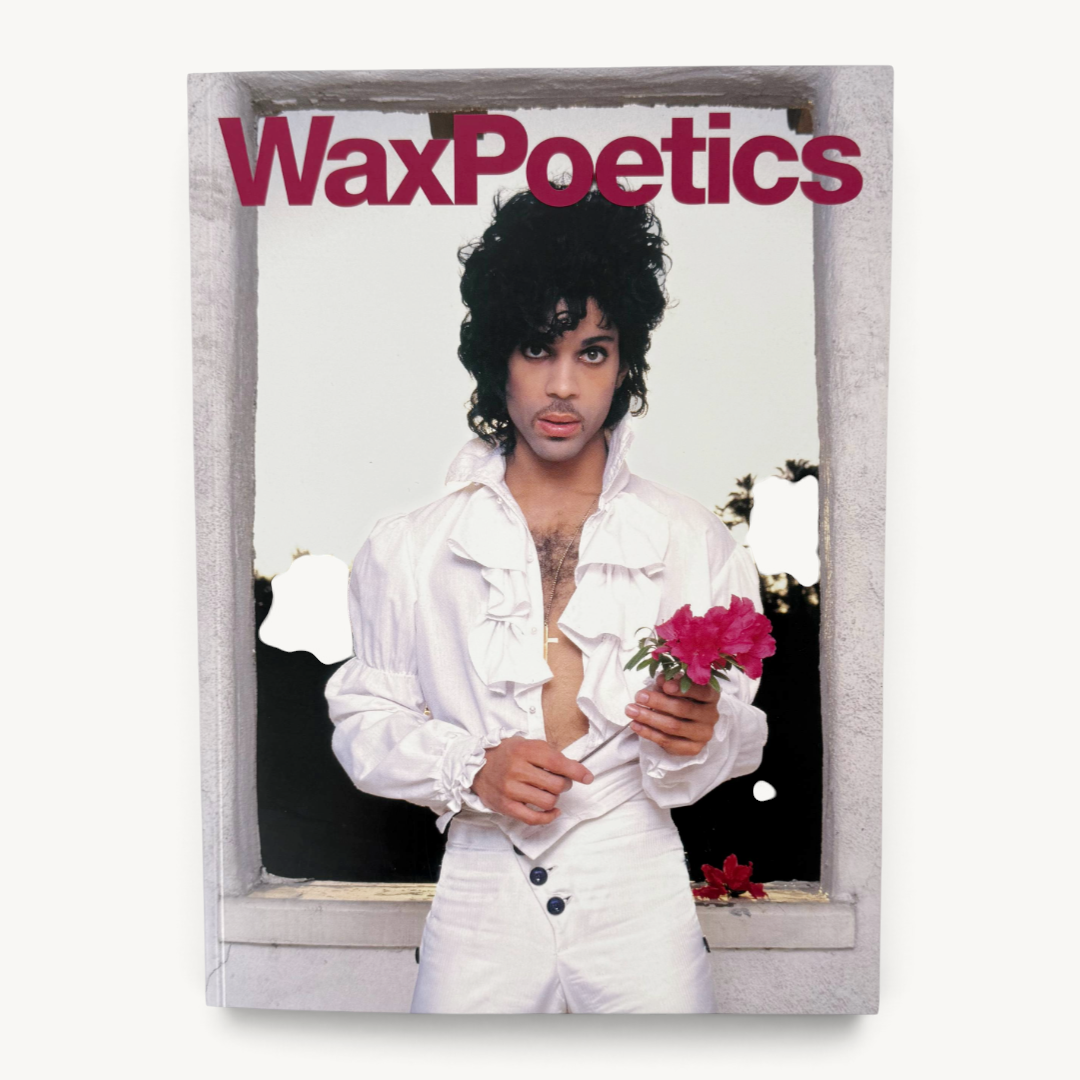
THE WAX POETICS DISCOVERY BUNDLE
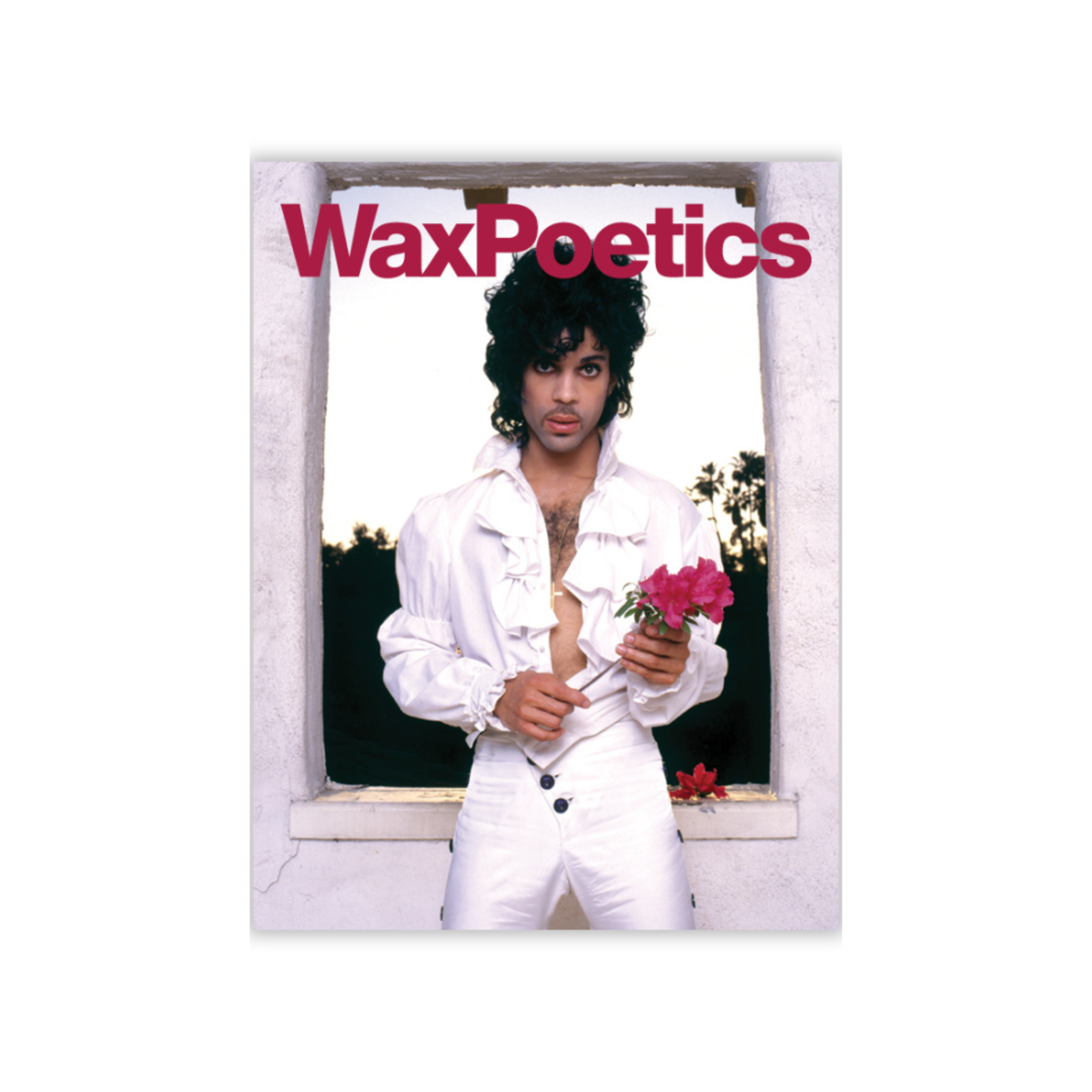

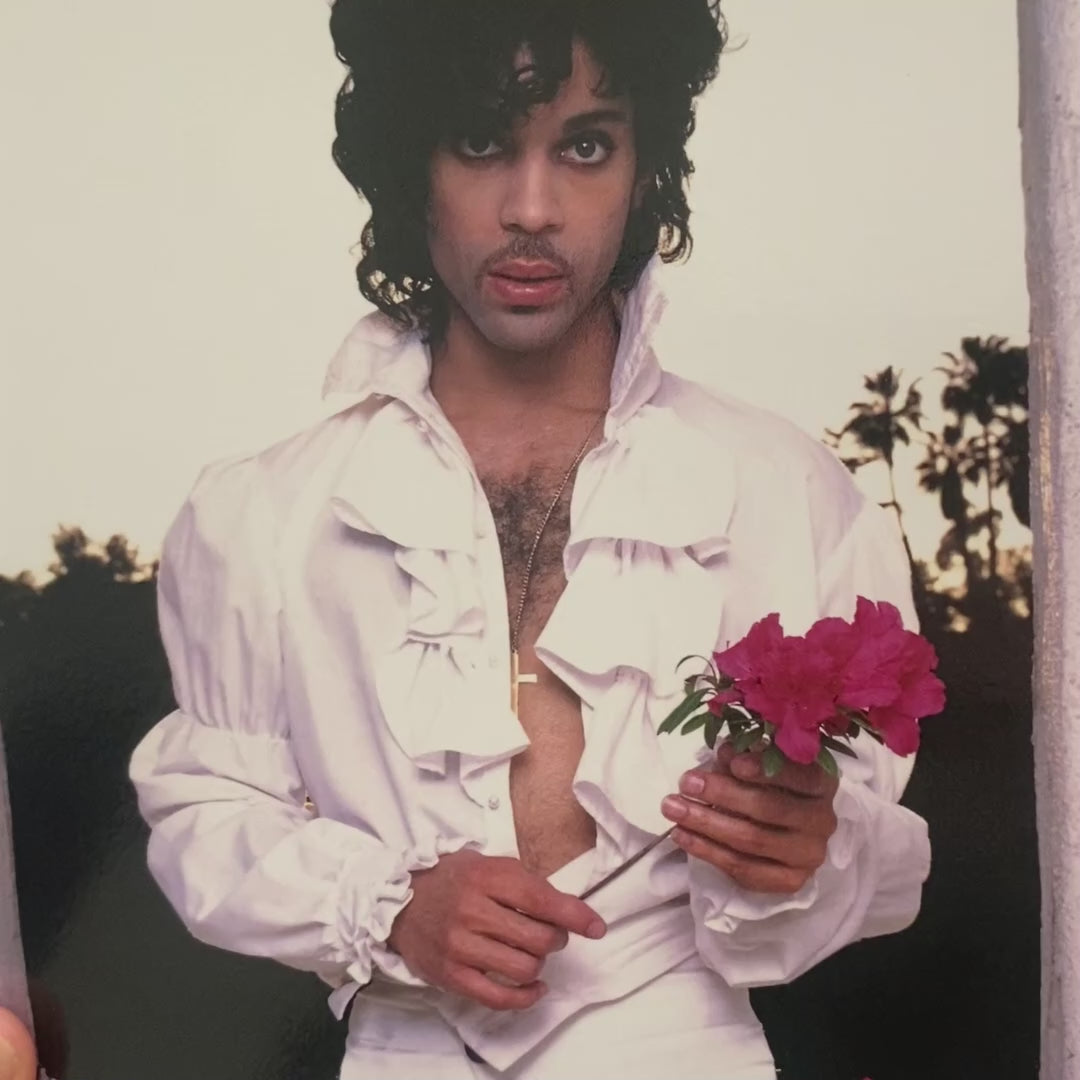
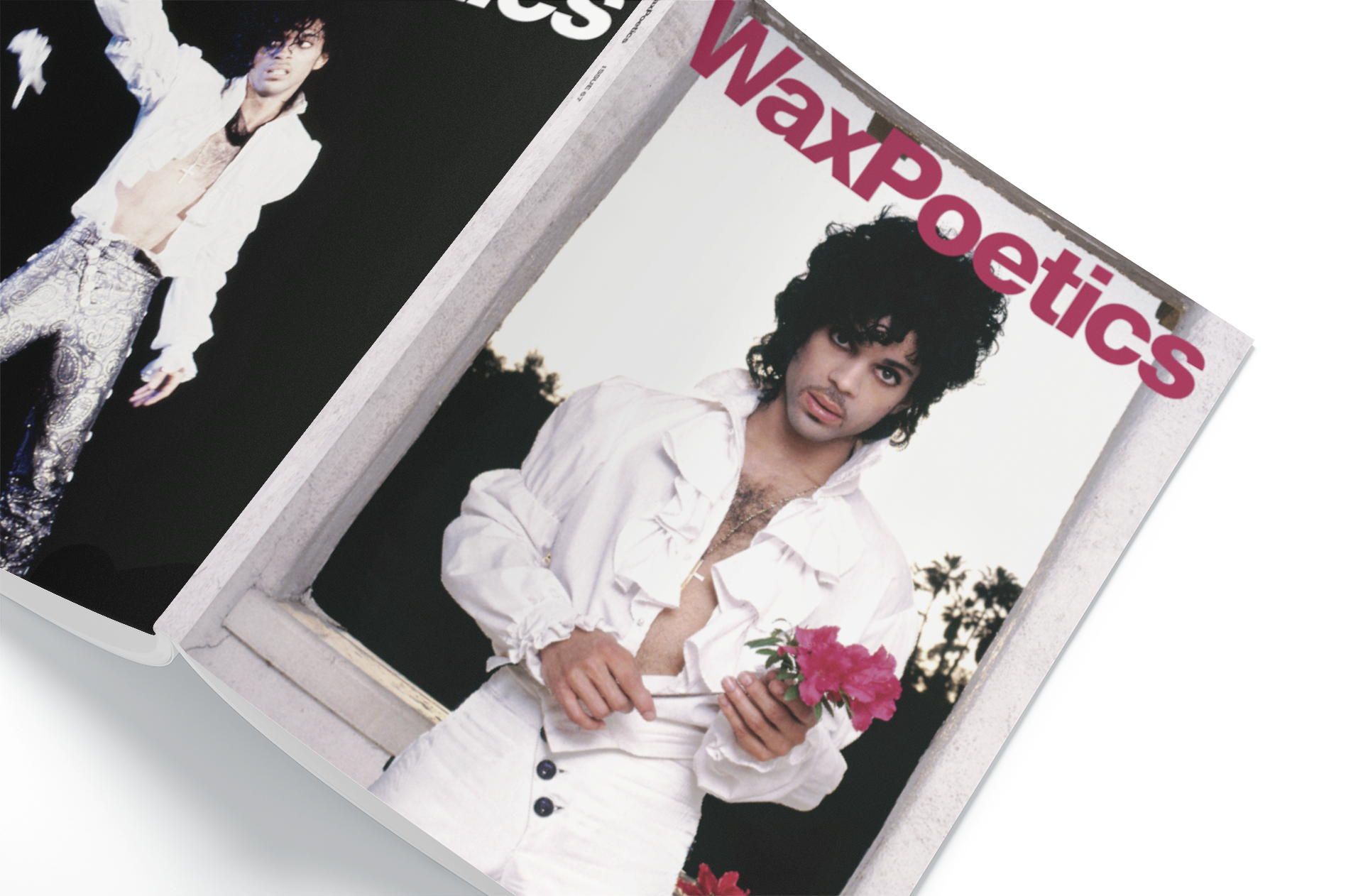


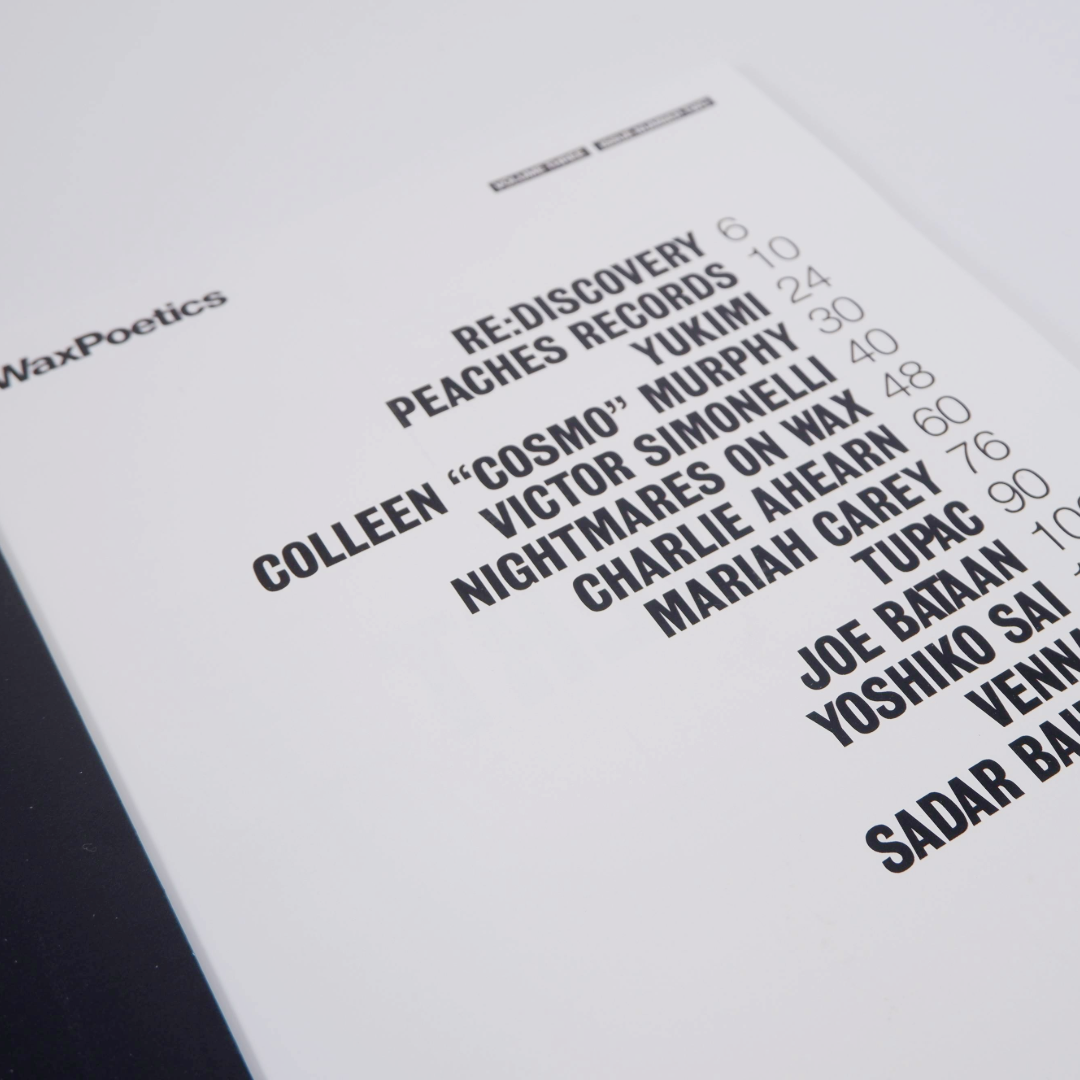

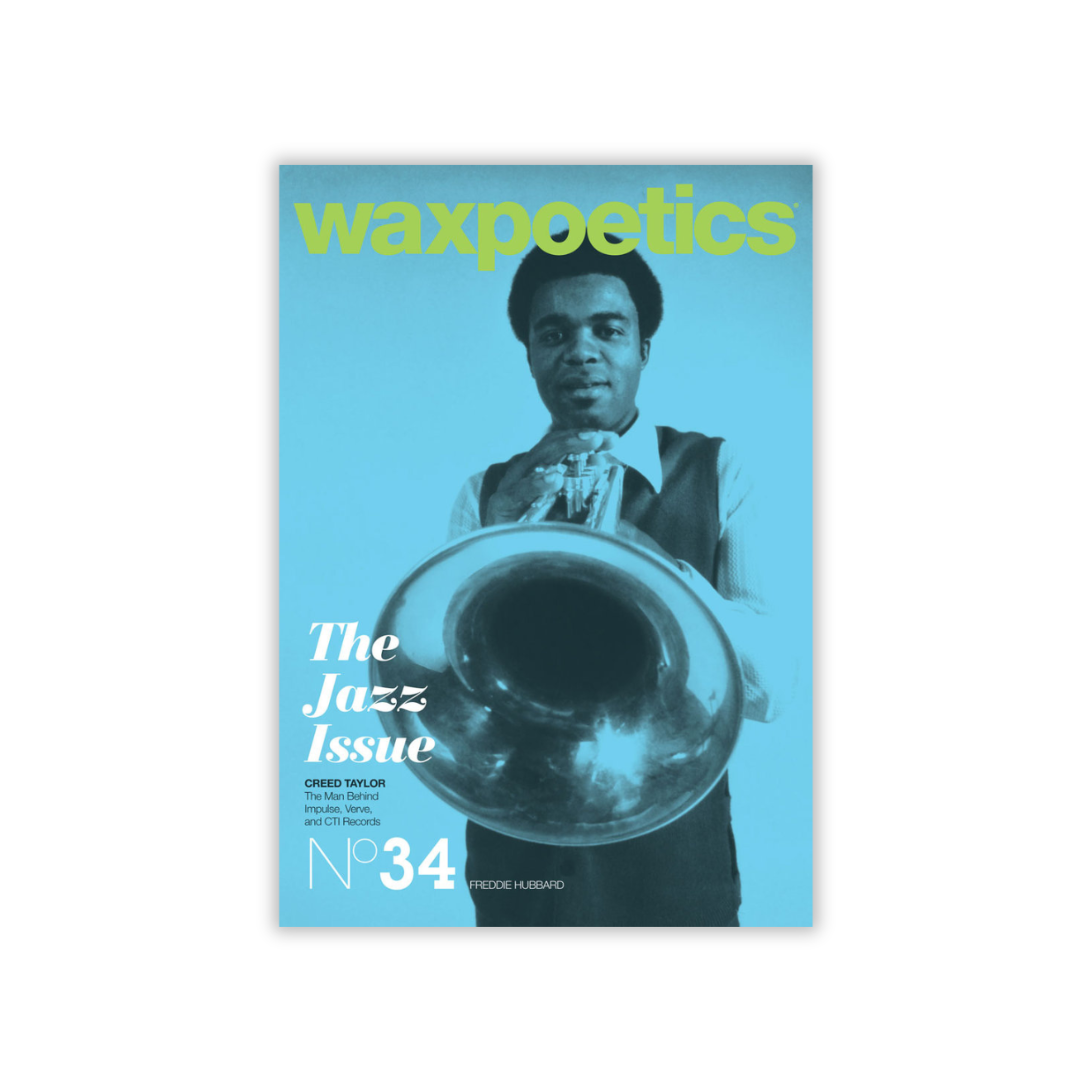
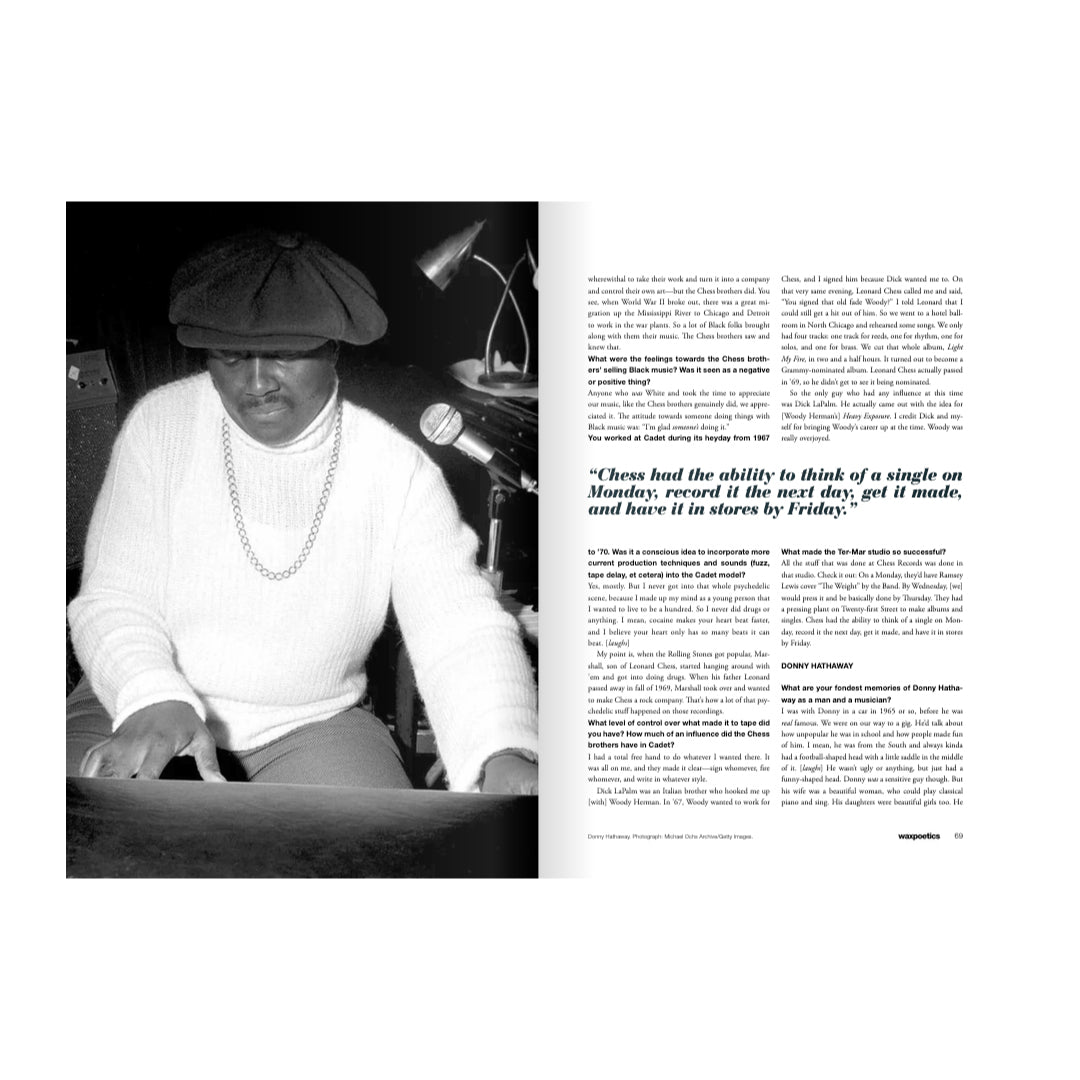
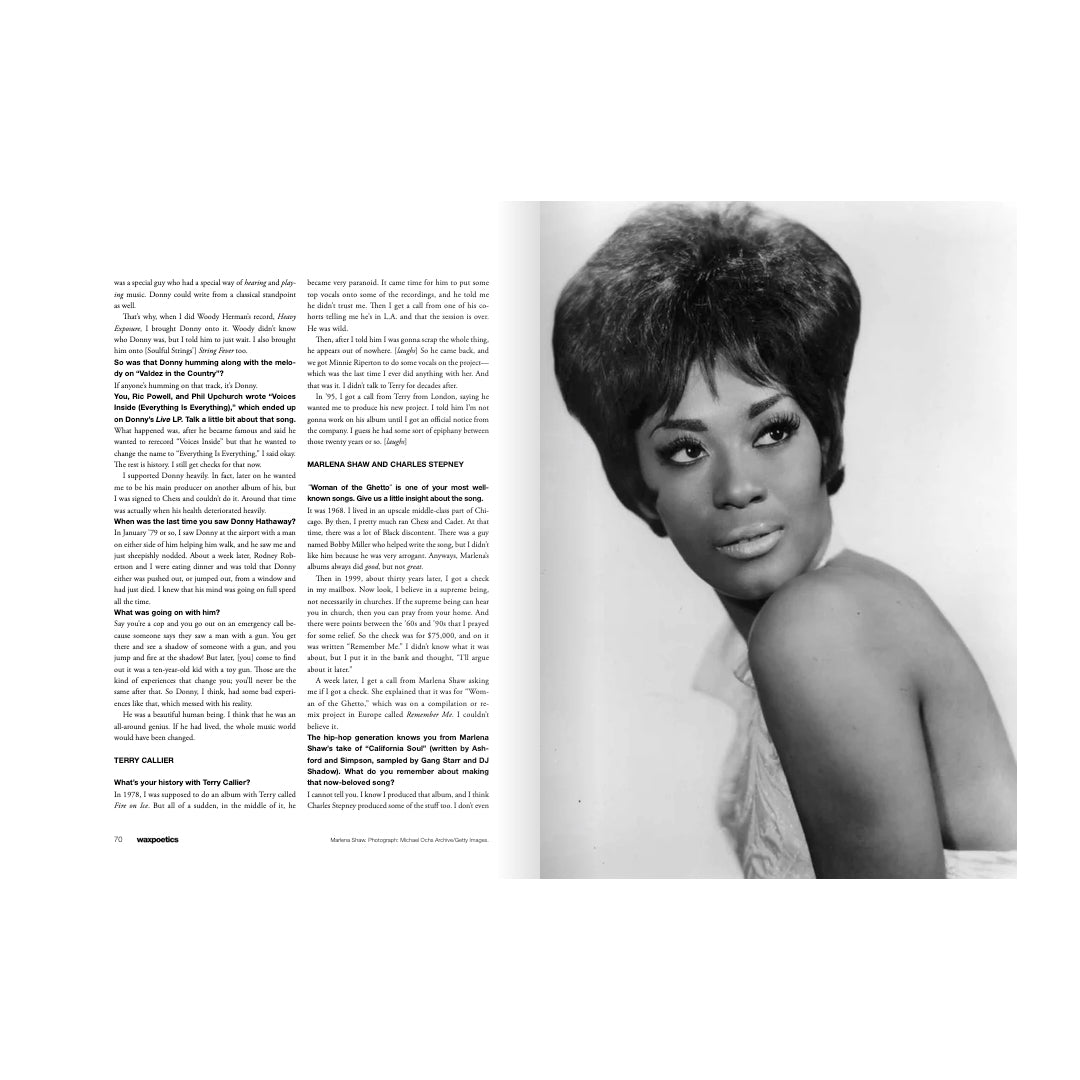

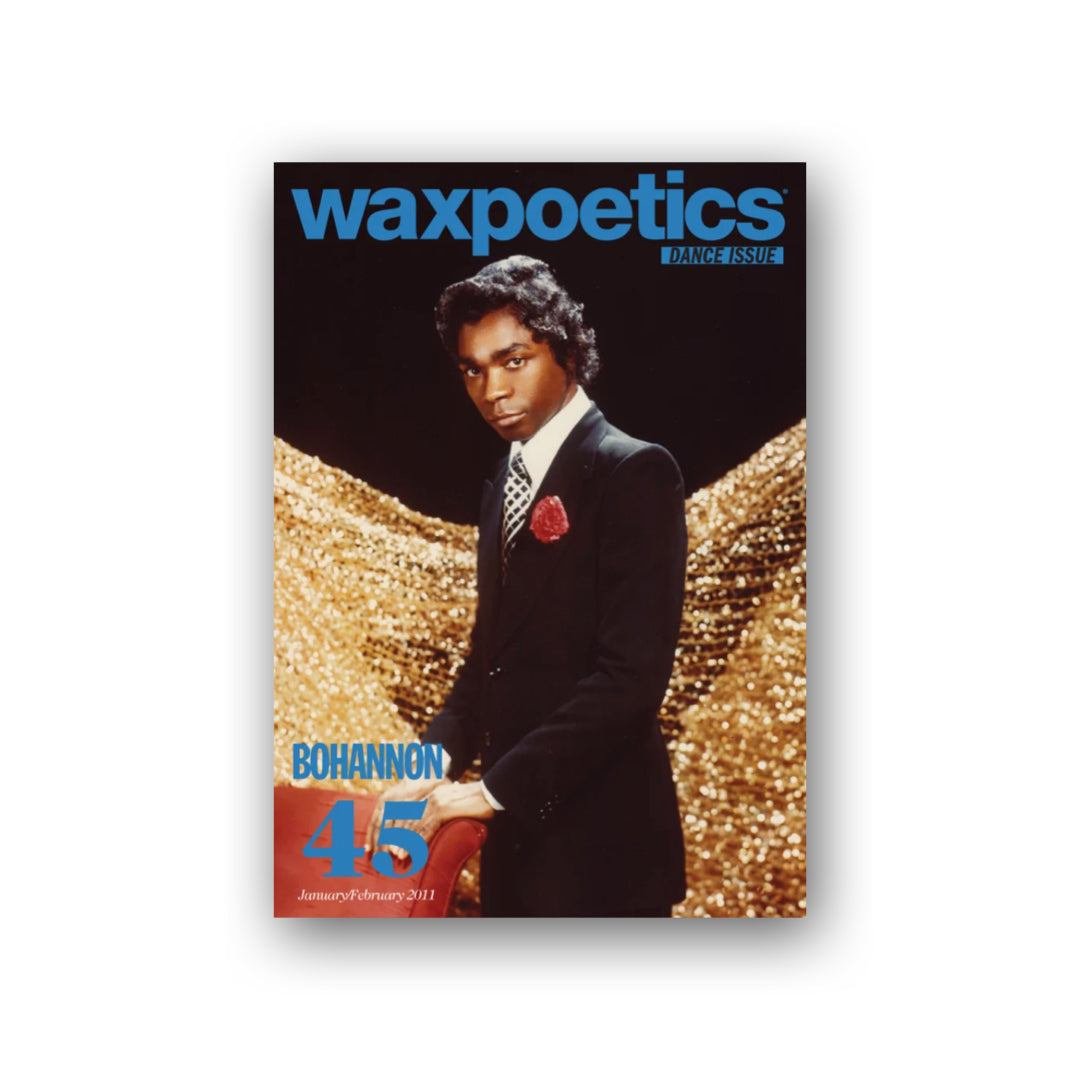
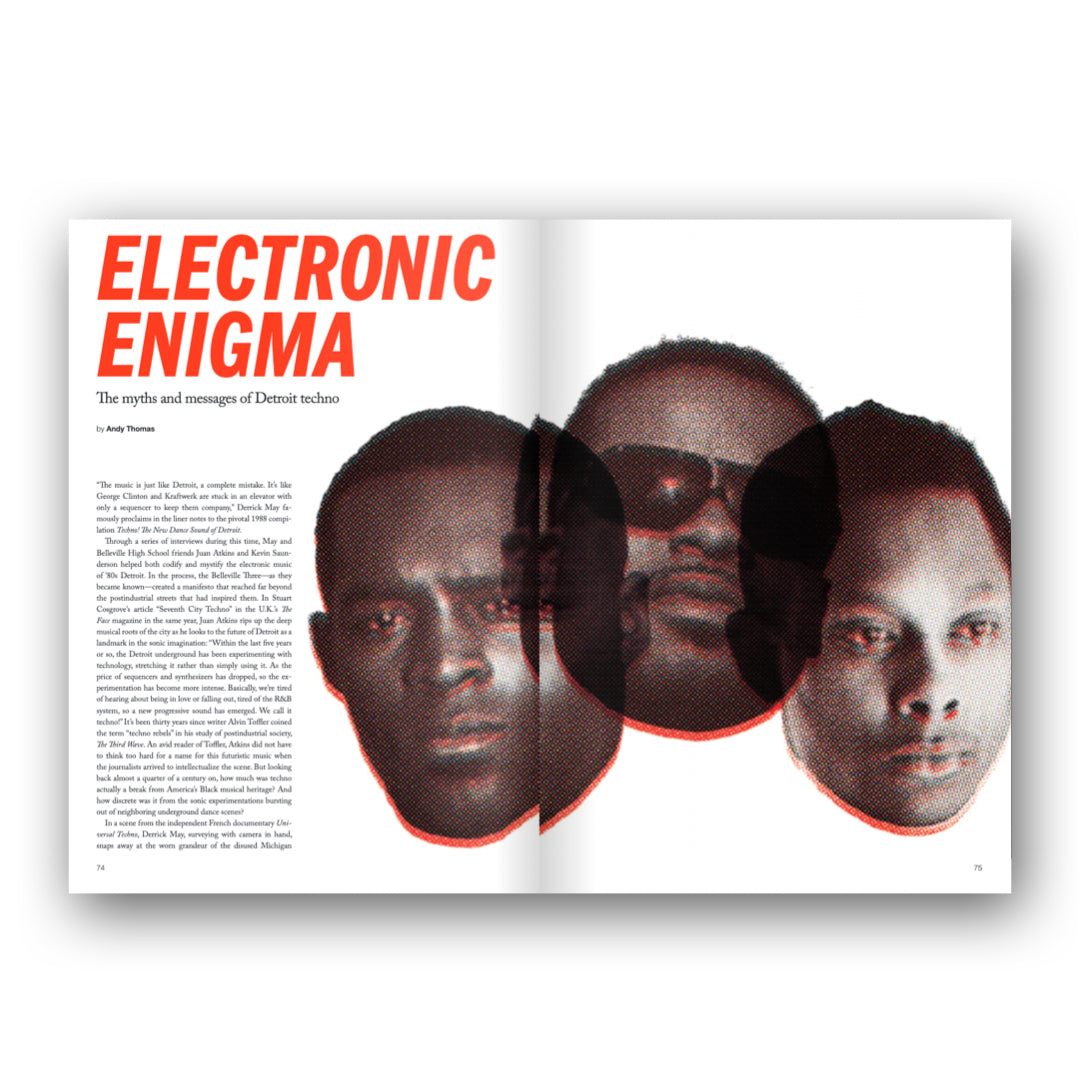
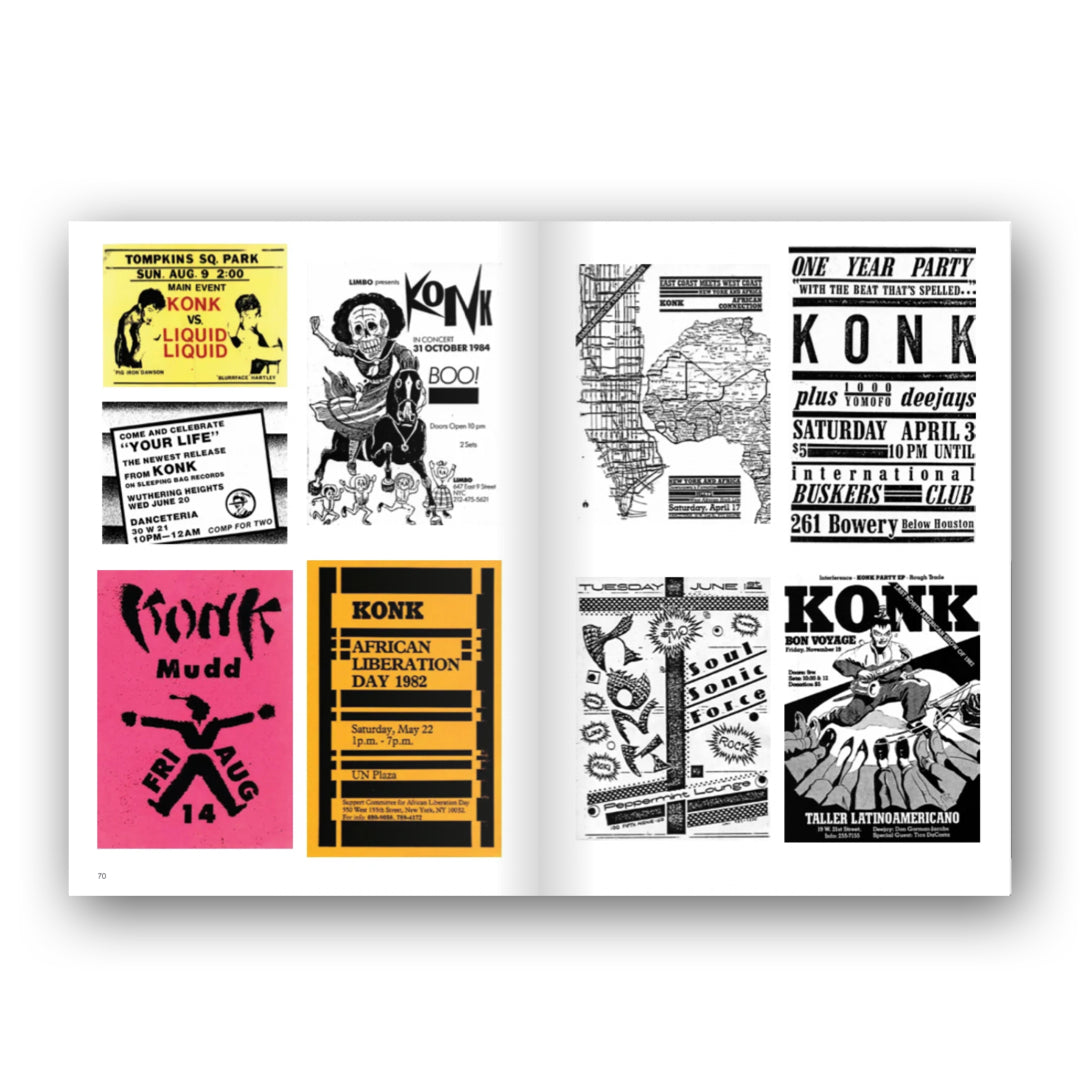


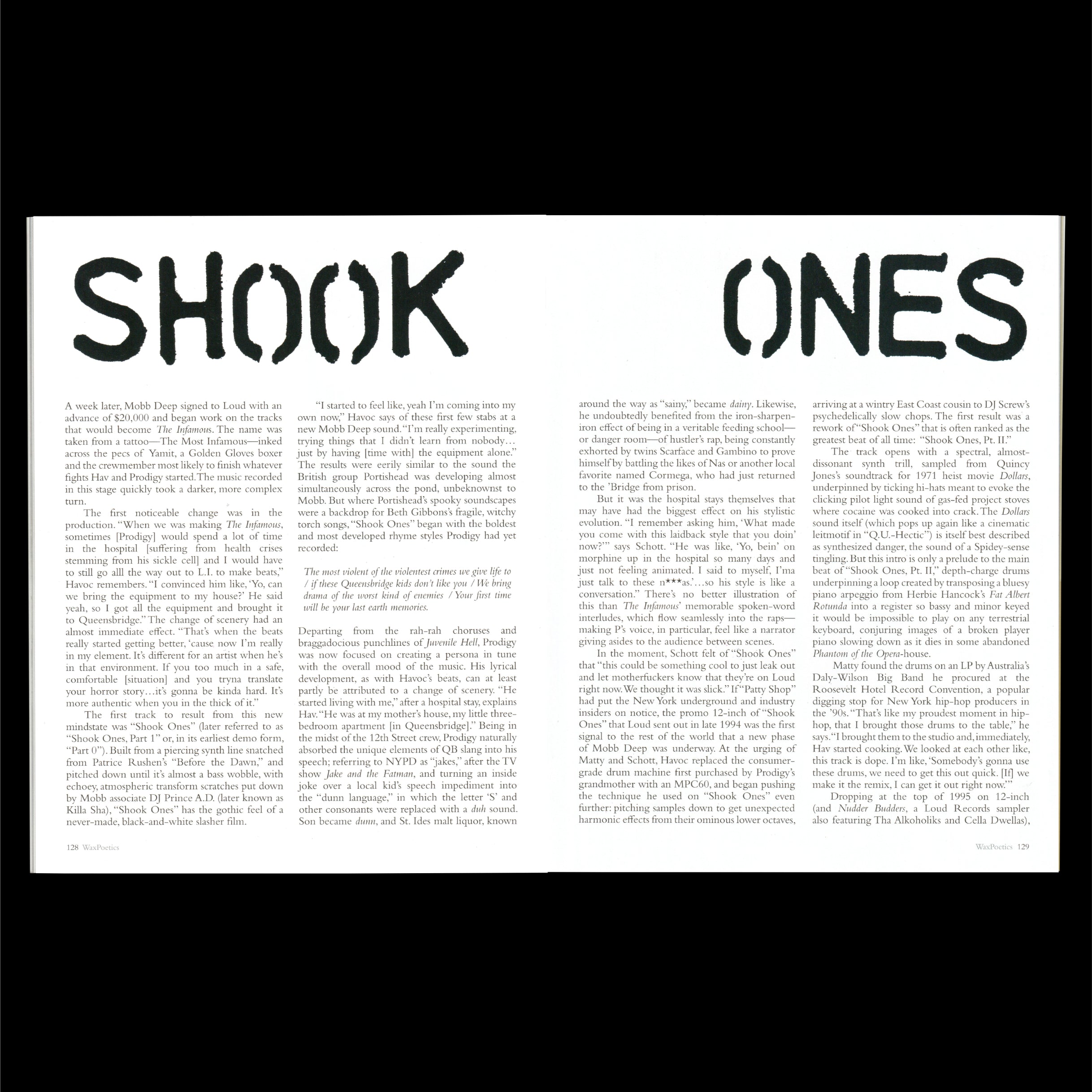
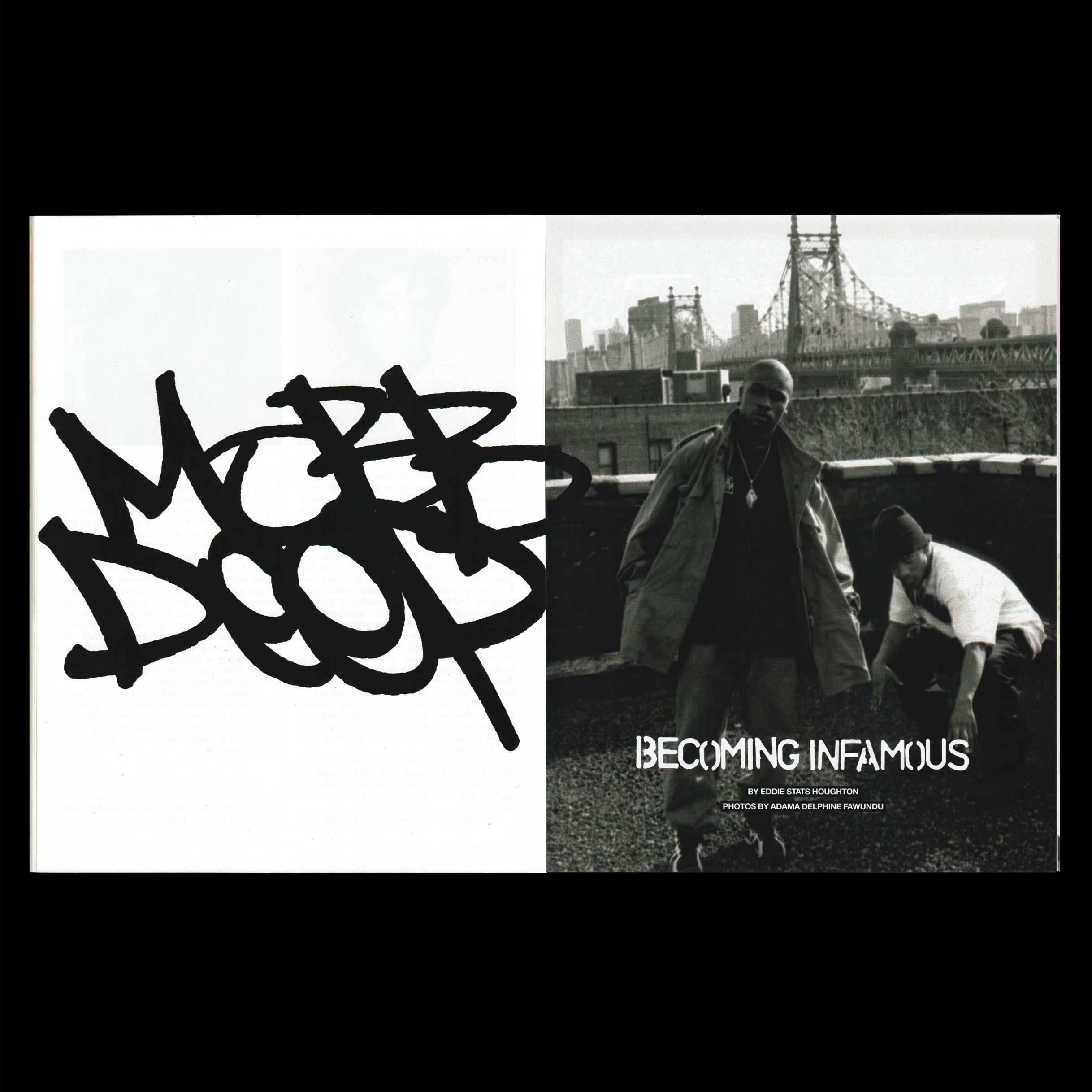


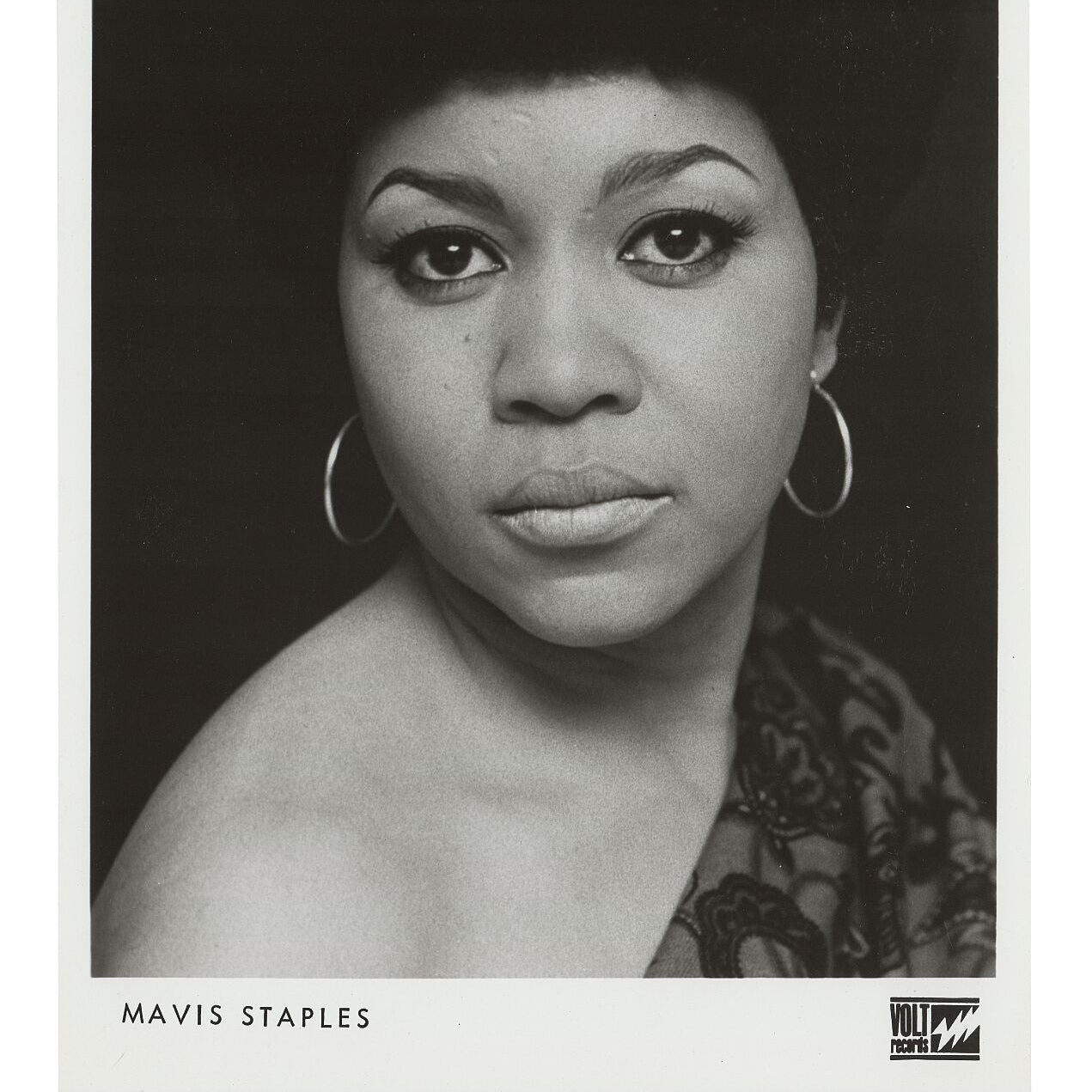

WAX POETICS LIMITED PRINT: MAVIS


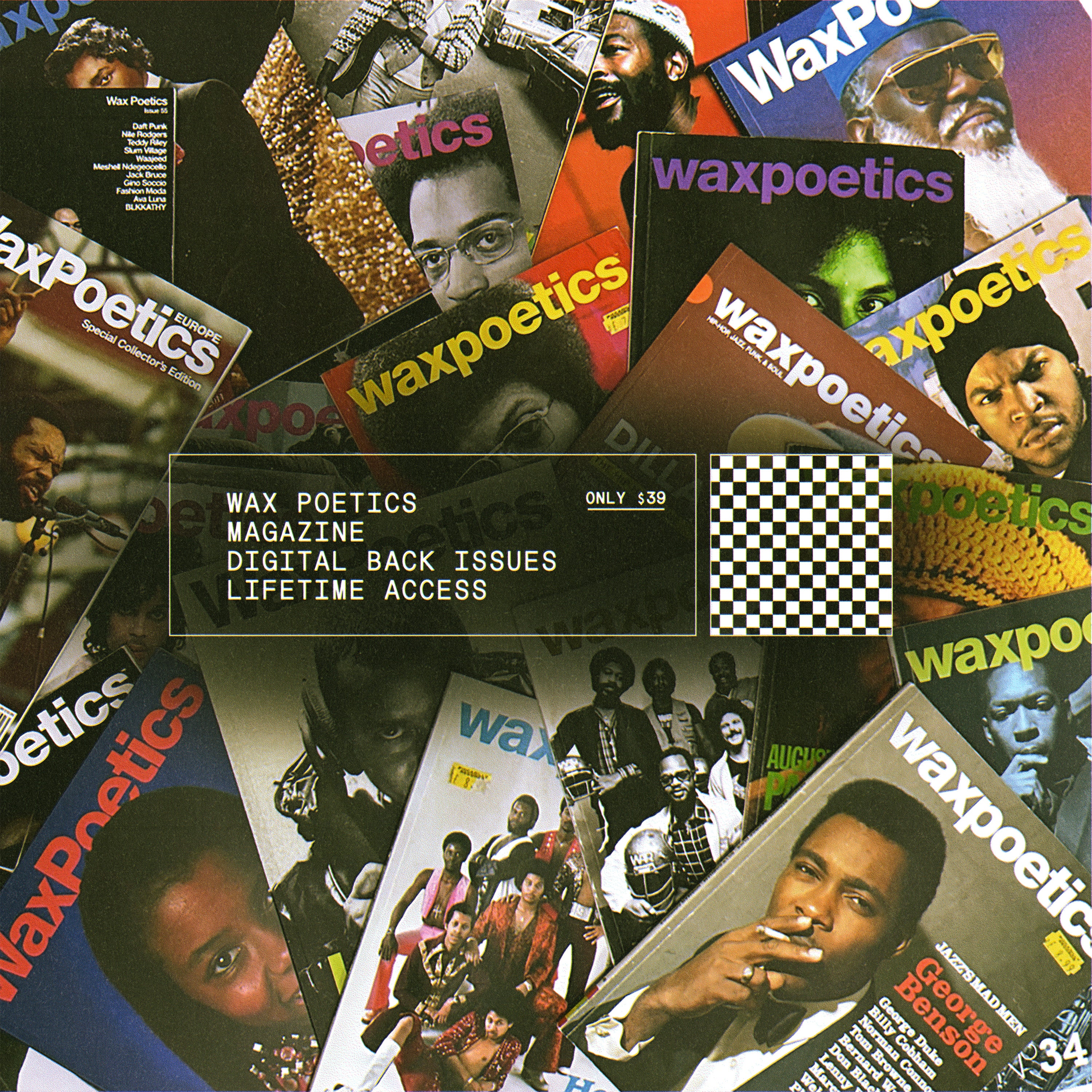
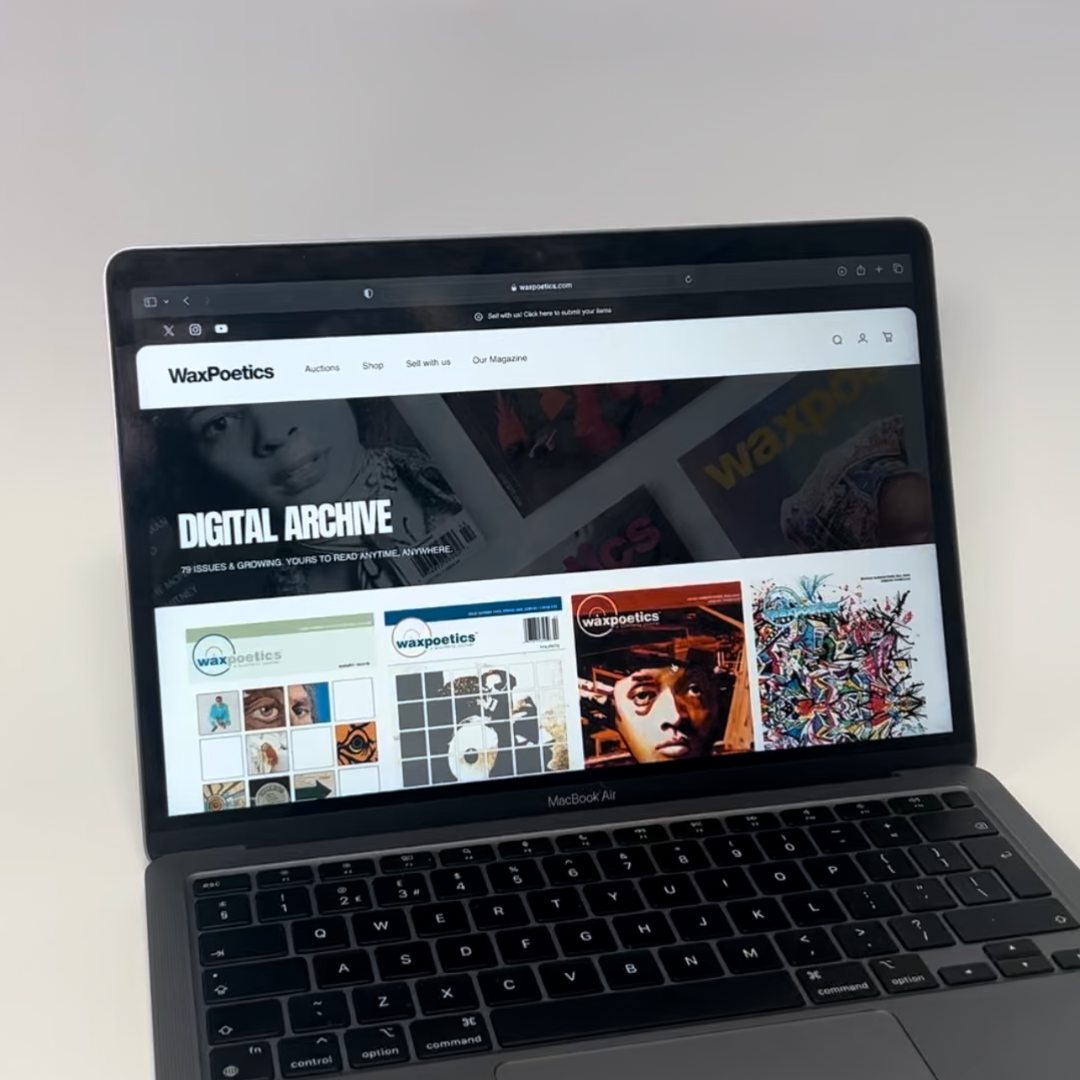

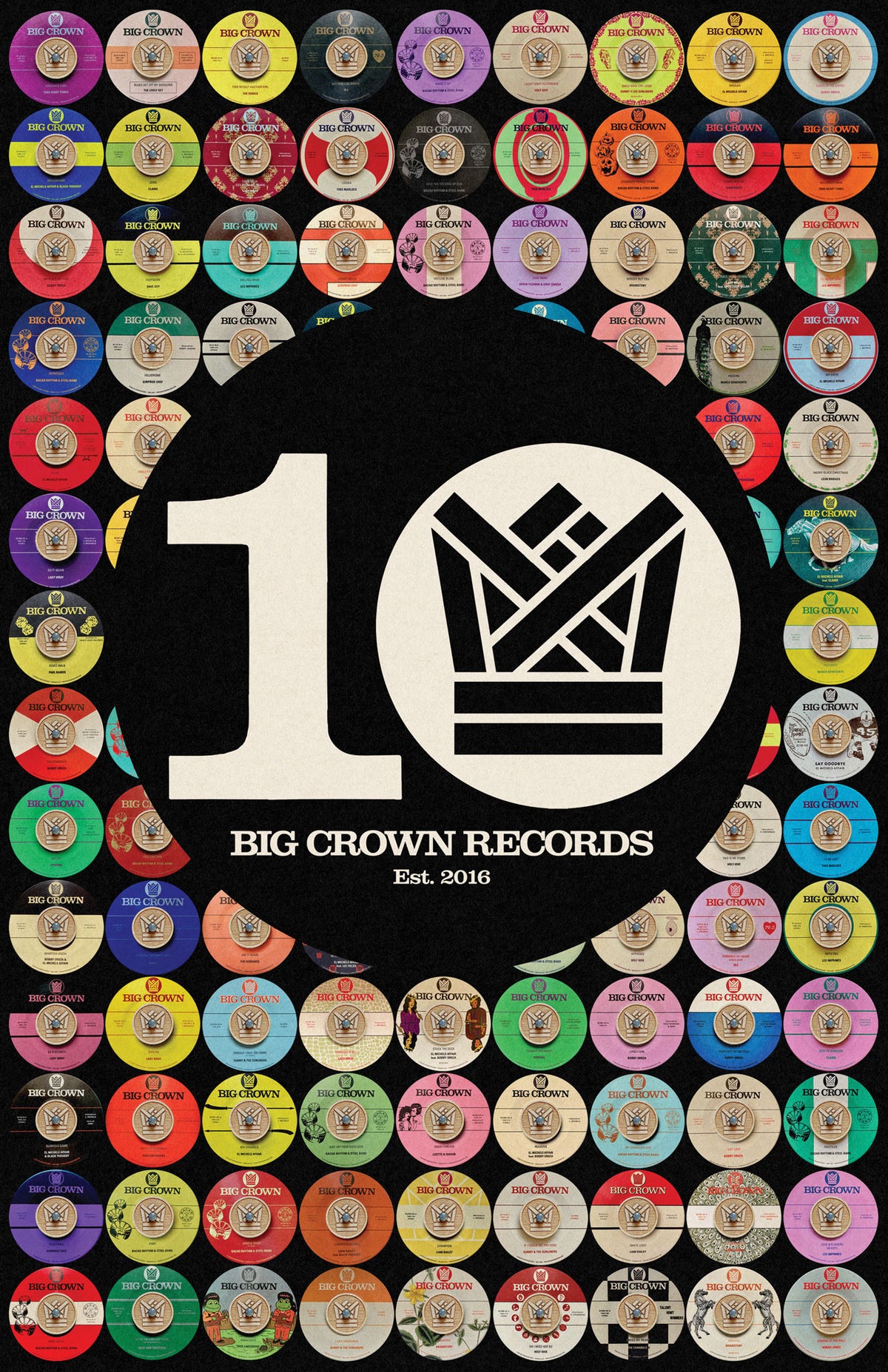
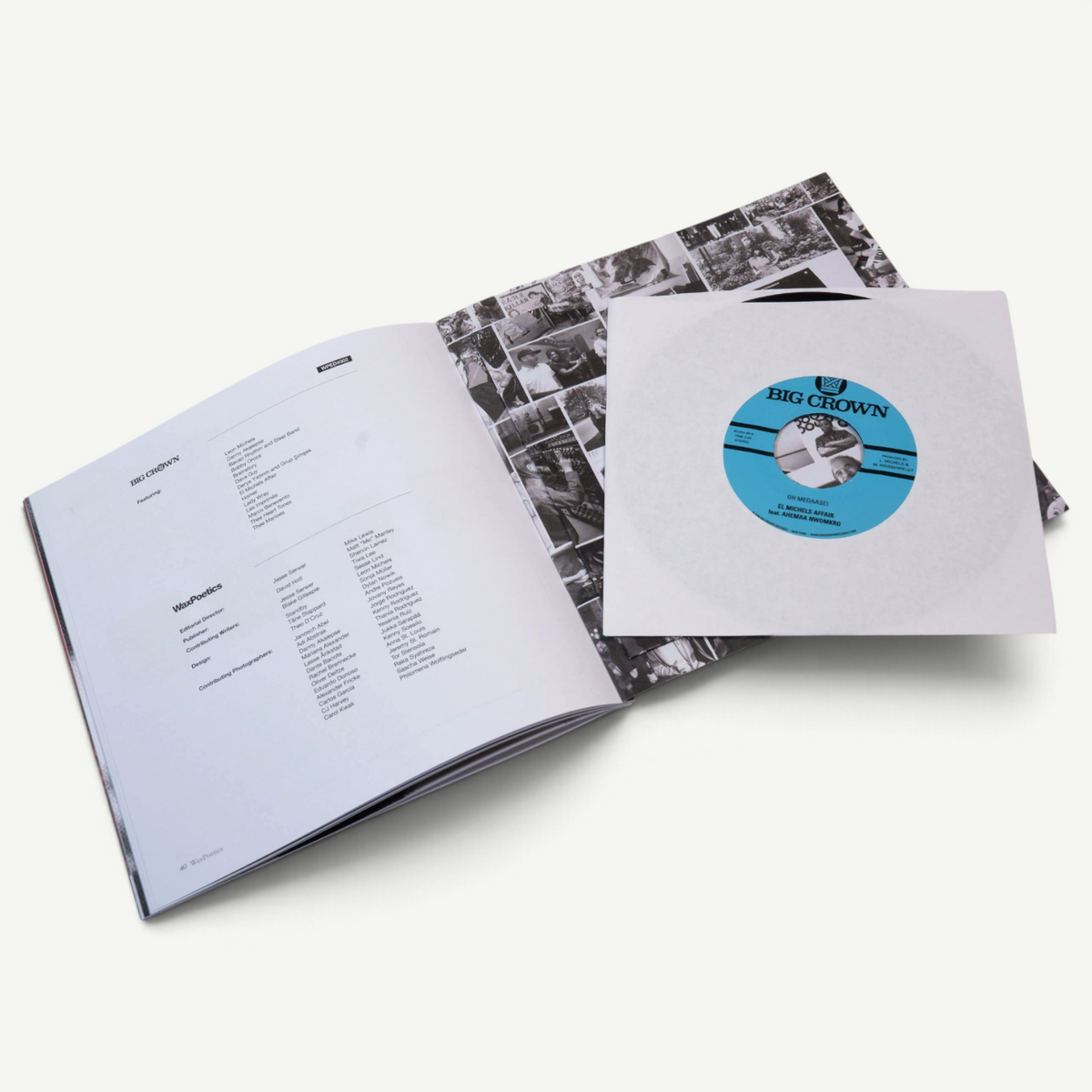
The Big Crown Story - Wax Poetics Special Edition and exclusive 7"
Very limited numbers - Includes 7-inch record with exclusive 'mag' pocket to keep the record nice and tucked up.
